







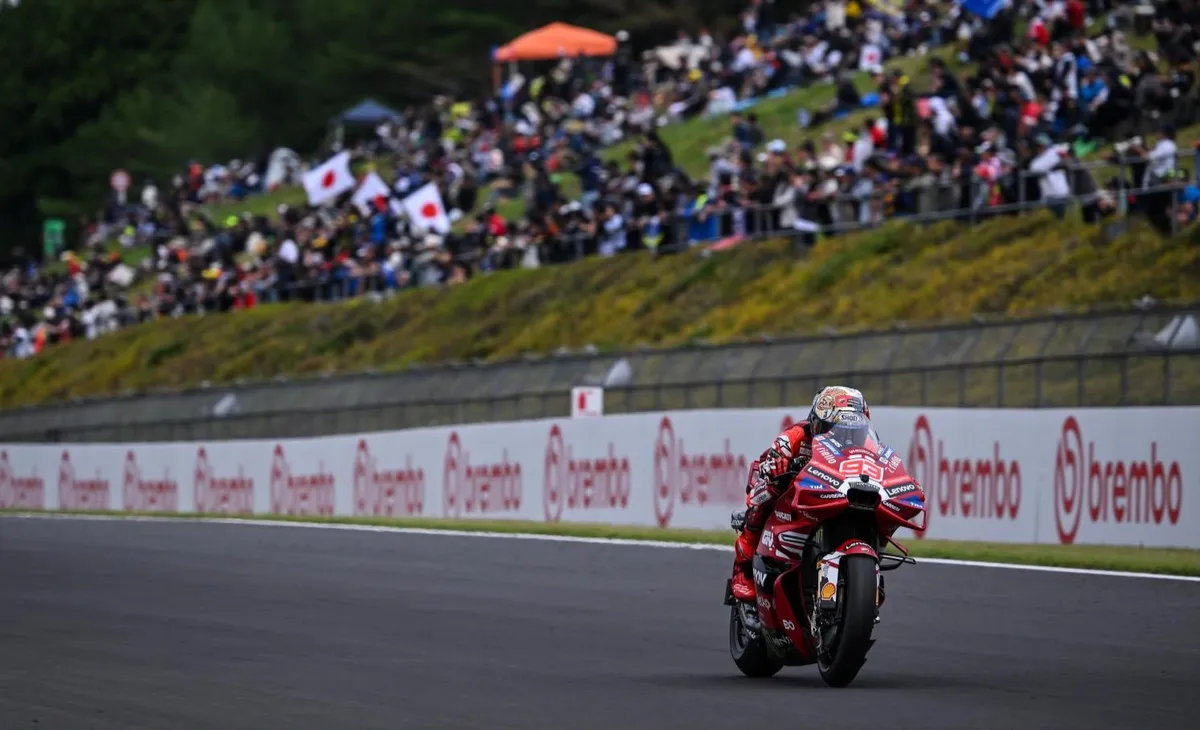

The technical analysis in the premier class of MotoGP continues to spark fascinating debates regarding factory performance and the fierce championship battle this season. In the latest episode of the Chiacchiere da box podcast, former world champion Marco Melandri dissected the competitive landscape following the Japanese round at Motegi with sharp and profound insight.
The Italian analyst's perspective highlighted how the balance of mechanical forces on paper currently favors the Noale-based manufacturer. According to him, the potential of the Italian machine is exceptionally competitive when looking at the consistency of its riders at the front of the pack.
"If we look at the numbers and standings, I tell you Aprilia. Marc Marquez wins with Ducati, but second was Bagnaia about 20 seconds behind. The Aprilias are close: Martin second, Bezzecchi third close... So today I tell you that for me Aprilia is the best bike, but Marquez is on another planet, he has truly raced cinematically," Melandri stated.
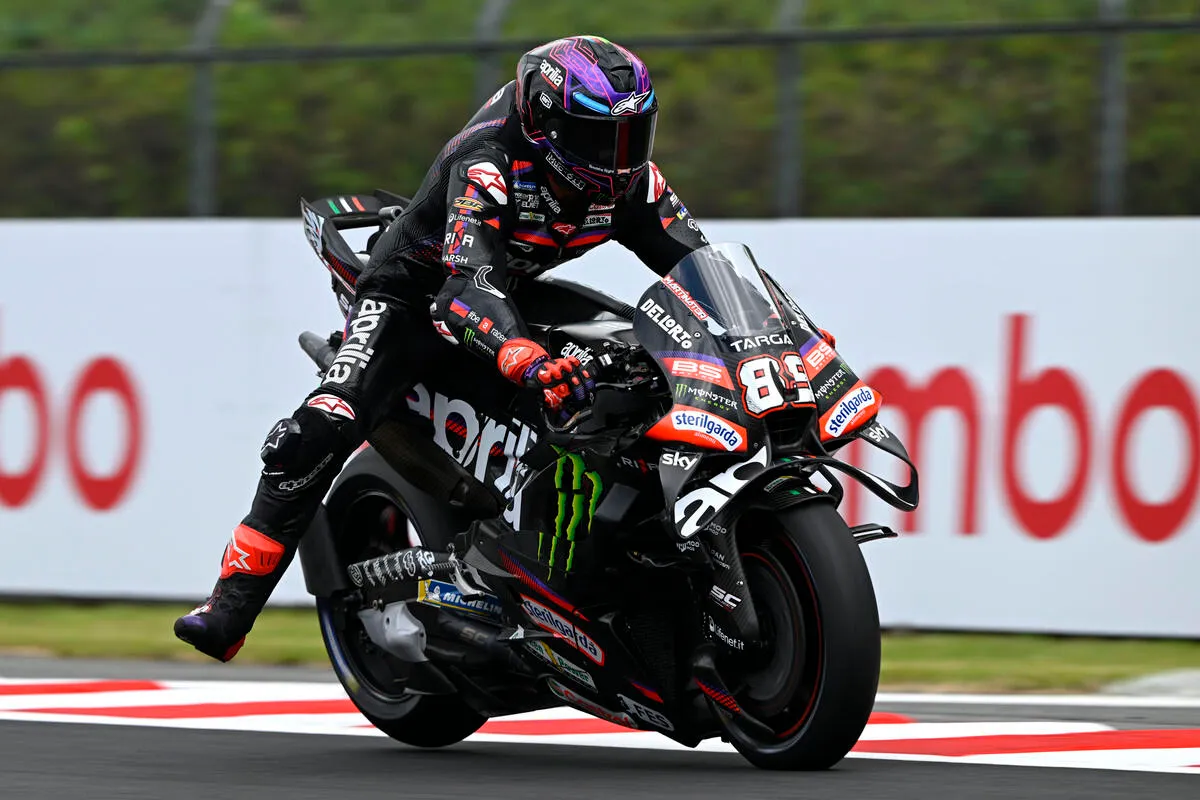
Furthermore, Melandri highlighted the tactical aggressiveness of the Spanish rider right from the moment the starting lights went out on the grid. An aggressive approach is deliberately applied to disrupt the racing rhythm of his closest rivals who possess superior pure pace on paper.
"Marquez knows that in almost every race he is not the one with the fastest pace, so he knows that he has to get to the front immediately, destabilize the rivals, break their rhythm, prevent them from doing their lines and that is what he does. In Japan it is very difficult, but he does not fail, masterfully he always manages to strike the blow," he added.
Technical challenges also extended to tire compound issues due to track conditions and weather at Motegi. This situation forced Michelin to introduce emergency tire options that altered the strategies of all teams in the garage.
"The reality is that when there is so much grip, the tire heats up from the inside. The carcass moves more, overheated and created like blisters under the tread, what we call blistering. After a while they explode and the tread comes off. The central part comes off because it is harder and is glued in another way," Melandri explained.
Read Also

Ziggo Sport adakan nonton bareng eksklusif GP Indonesia di studio Hilversum bersama Rob van Gameren dan Wilco Zeelenberg untuk fans balap motor.
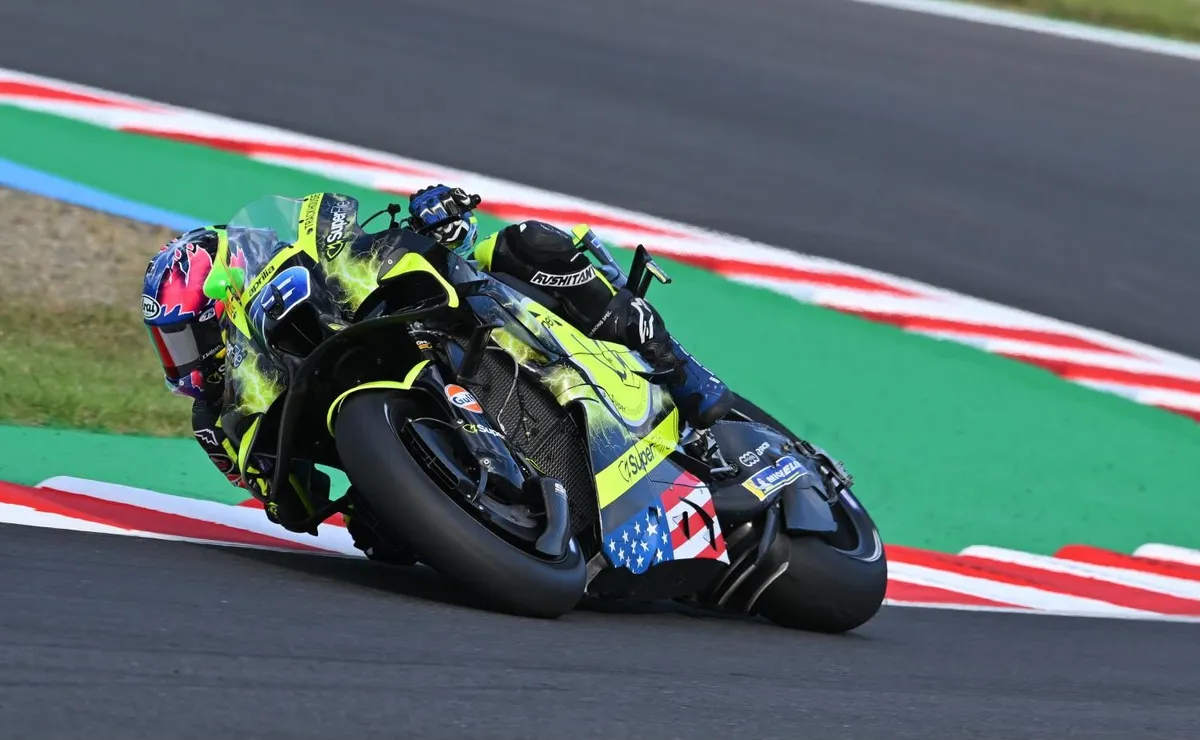
Ai Ogura ungkap beban mental saat berduel lawan Pedro Acosta dan kendala akselerasi di GP Jepang dalam ulasan mendalam paddock MotoGP.
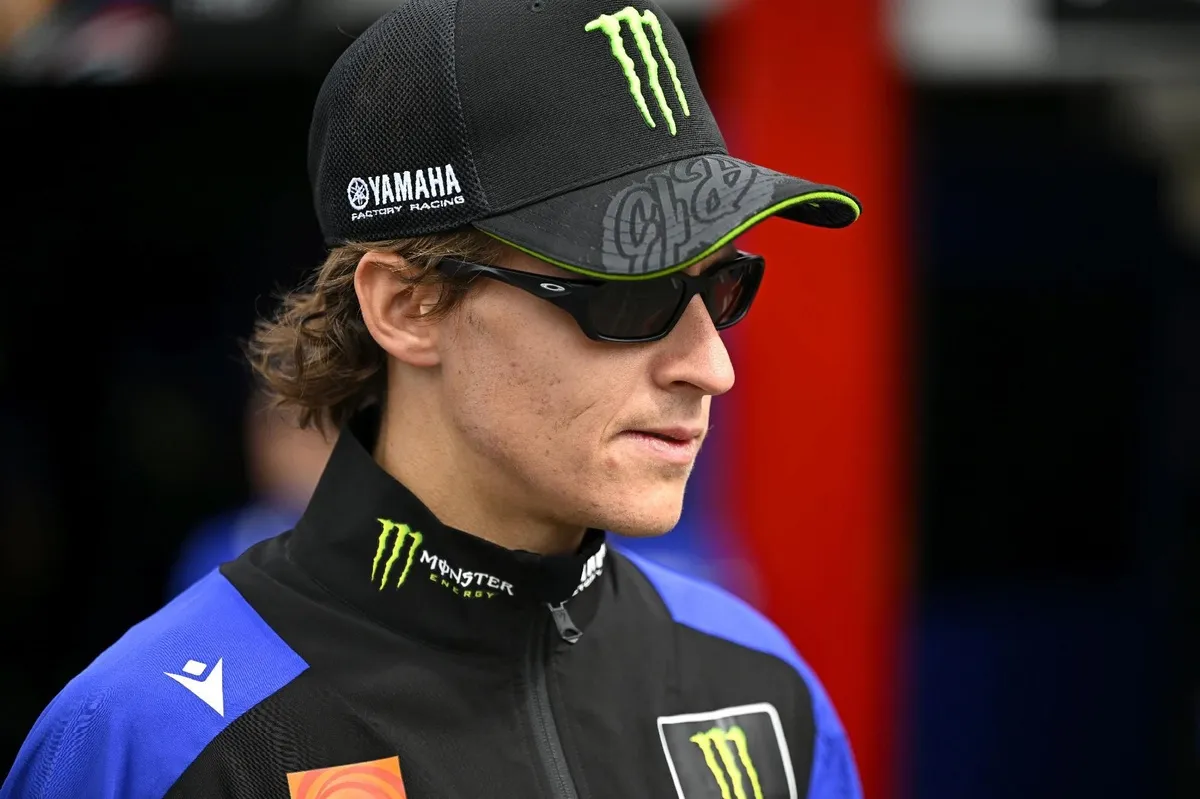
Fabio Quartararo akui masalah bahan bakar parah hambat performanya di MotoGP Jepang Motegi, paksa dirinya batasi bukaan gas motor Yamaha.
 Continue with Google
Discussion (0)
Join the Discussion!
Sign in easily to start commenting, replying, and interacting with other readers.
Latest Comments
No comments yet. Be the first!