








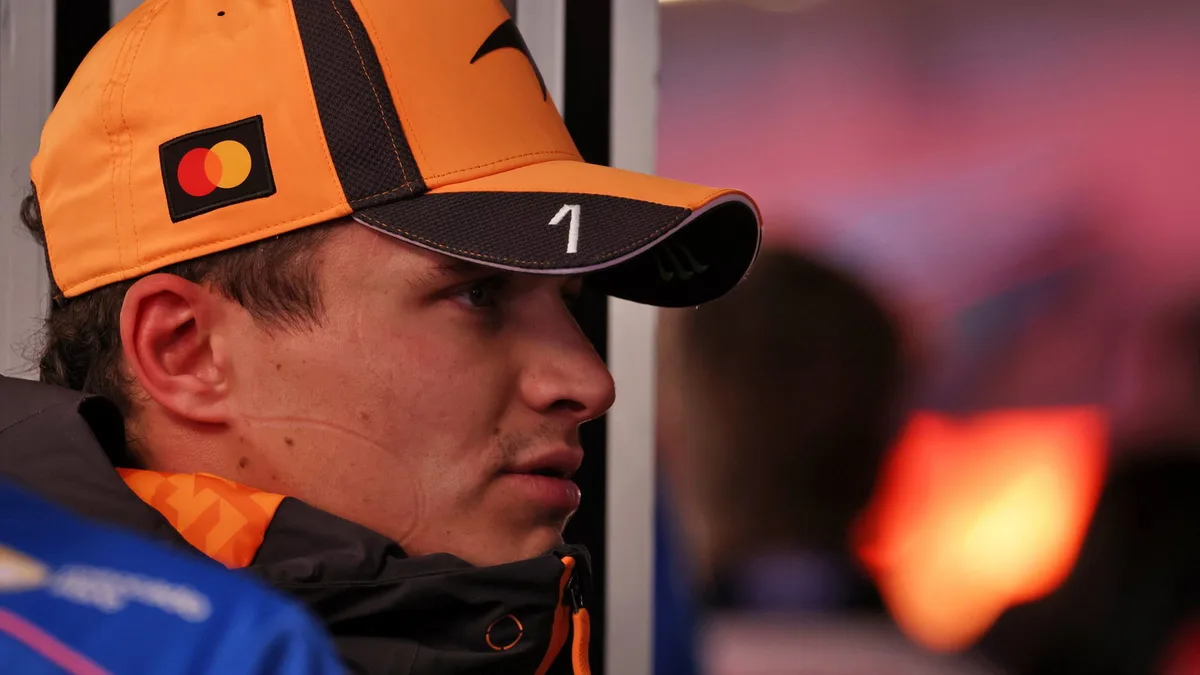
Lando Norris has admitted that he spent more time looking at his battery than the track during the Las Vegas Grand Prix, despite recovering to drive a brilliant recovery race to finish second for McLaren.
The British driver endured a difficult opening half of the race under the neon lights, dropping outside the points before orchestrating an impressive comeback through the field to secure his seventh podium of the 2026 Formula 1 season.
Speaking in the post-race press conference, Norris revealed that managing his complex energy deployment proved to be one of his biggest operational challenges, leaving him constantly vulnerable to overtaking maneuvers on the long straights.
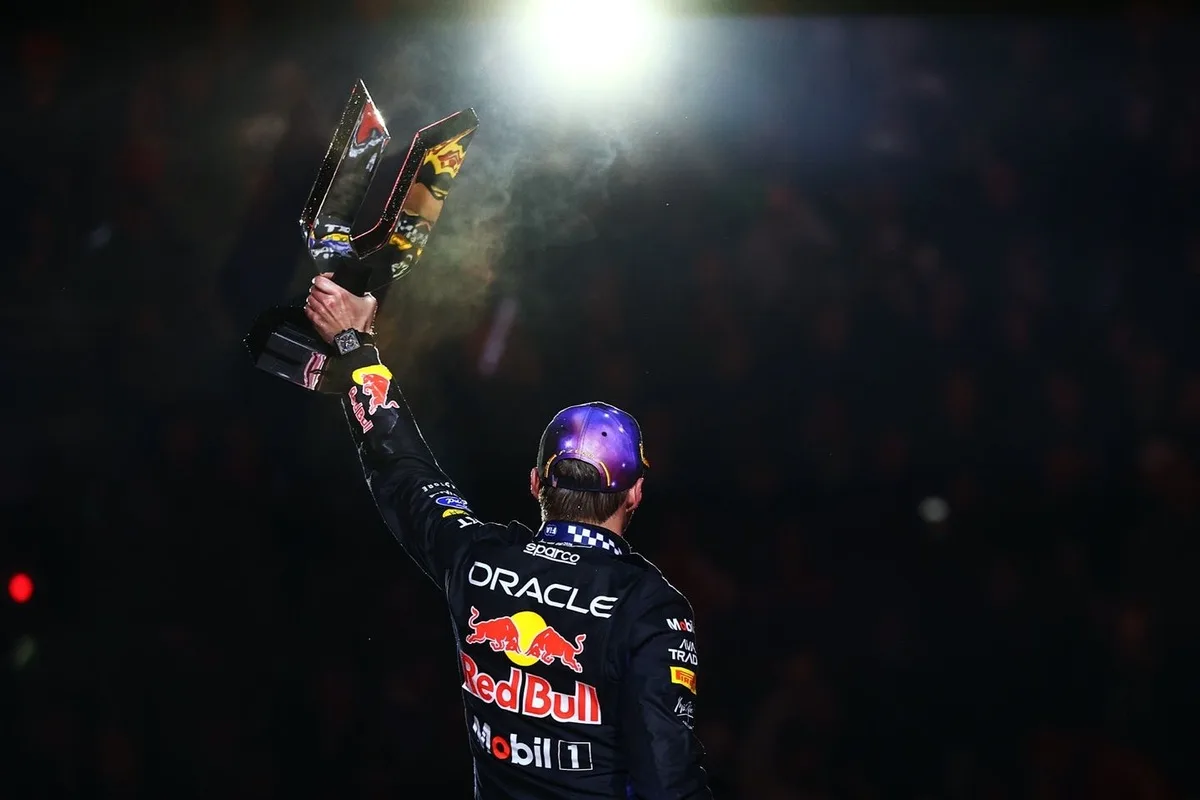
Norris explained, "At the very beginning of the race, trying to figure out the battery, I always just seemed to be on the bad side every time I got overtaken. I had no battery, someone else had more battery behind, and I just kept dropping back."
"The whole race was judging battery the whole time. I'm looking at the battery more than I'm looking at where I'm going around this track. So it's the most important thing," he added detailing the intense cockpit workload.
Despite the early struggles, the second half of the Grand Prix saw a dramatic upturn in execution, allowing him to navigate through the chaos and capitalize on slipstream tactics in the closing laps.
"The second half of the race was very strong, I think, in terms of obviously not making mistakes, staying out of the chaos of some of the others around us, and playing things right in the last three, four laps in terms of positioning and slipstreams, again, battery, to give myself the best chance to finish second," Norris said.
"Because today wasn't a race about trying to win. There was no chance we could win the race today, but P2 was the best, and we achieved it.">
Norris firmly insisted that his late-race surge had little to do with tyre degradation or compound advantages, emphasizing instead the sheer tactical focus required for energy harvesting.
"It was nothing to do with tyres. The pace was just as good in the first stint as it was in the second," Norris noted.
"A lot of it was just trying to figure out where to use the battery, where not to. I think I must have been pressing like nine buttons a lap, trying to just get the correct things and make the battery work as it should and give ourselves a bit of a chance. Because we were so slow in the straights compared to others, we just had to do a lot to try and give ourselves any hope." Read our in-depth analysis on Sportrik.
Read Also
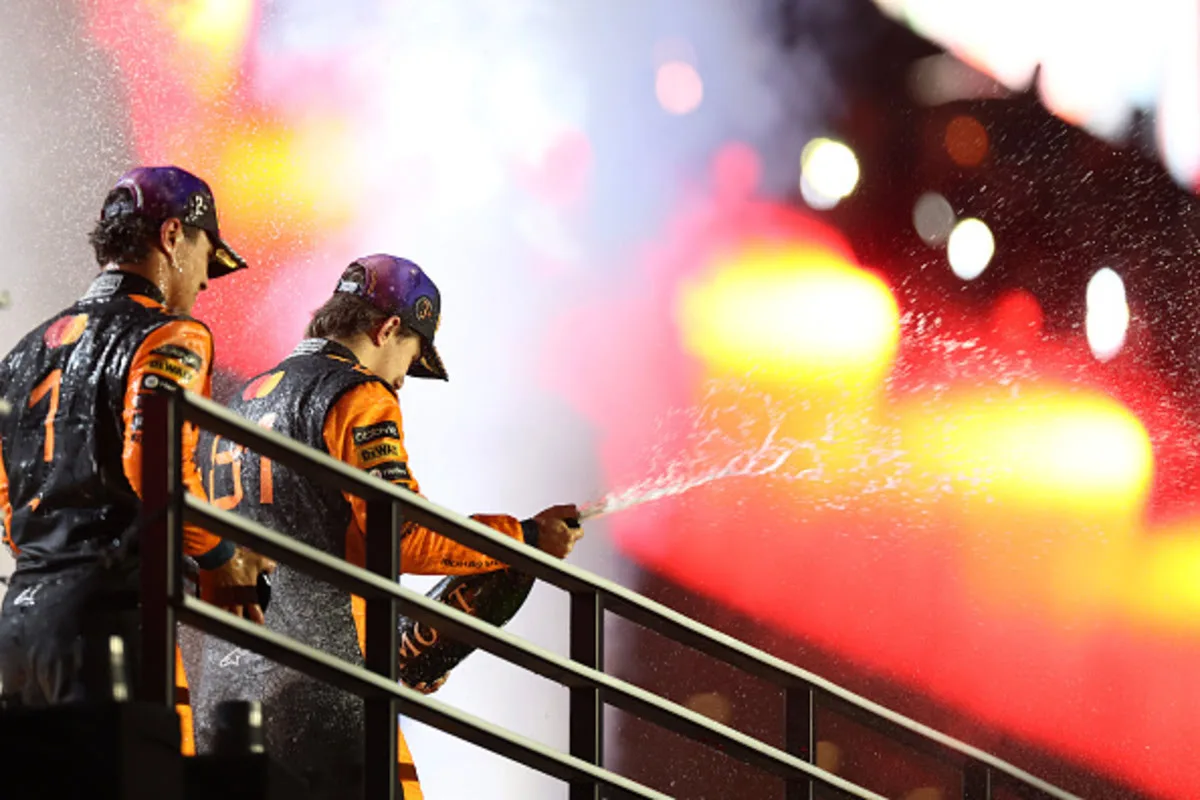
McLaren raih podium ganda di Las Vegas GP berkat Lando Norris dan Oscar Piastri. Simak analisis mendalam jalannya balapan di sini!
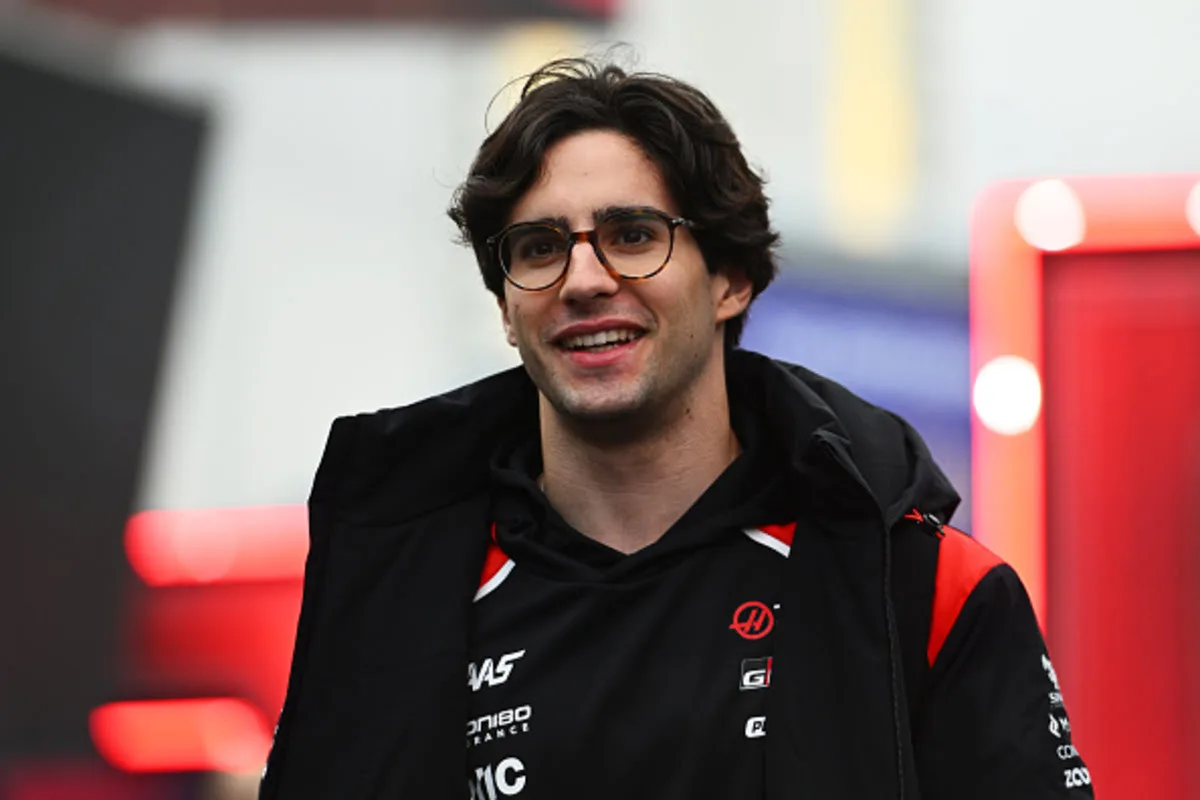
Rafael Camara dipastikan memperkuat Haas hingga akhir musim F1 di Qatar dan Abu Dhabi, namun harus merelakan gelar juara F2. Baca analisis lengkap di sini.
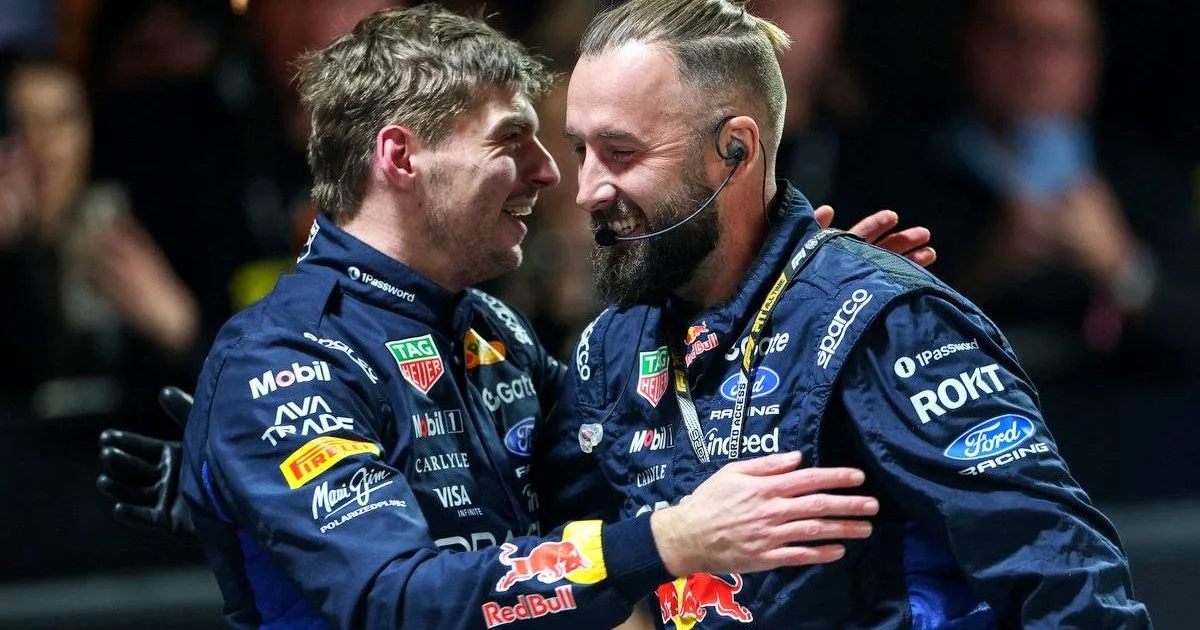
Simak tanggapan Toto Wolff soal perseteruan Max Verstappen dan George Russell yang dianggap jadi tontonan menarik F1. Baca analisis lengkapnya di sini.
 Continue with Google
Discussion (0)
Join the Discussion!
Sign in easily to start commenting, replying, and interacting with other readers.
Latest Comments
No comments yet. Be the first!