







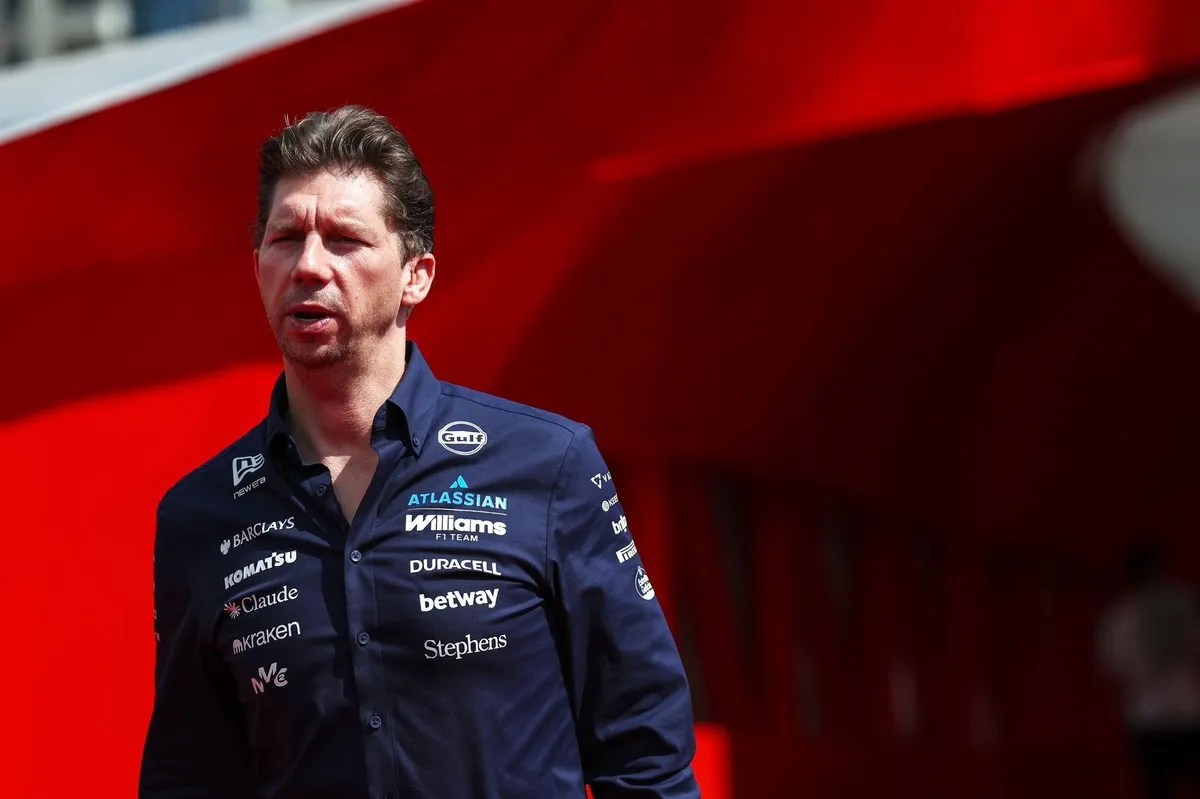

Williams team principal James Vowles has clarified his suggestions that Formula 1's cost cap should be revisited, stating that rules on capital expenditure continue to lock in a competitive advantage for the top teams. On joining Williams ahead of 2023, Vowles was one of those who lobbied for extended capital expenditure breaks for the lower-ranked teams in the championship under the old cost-cap rules. Initially, this was a separate $36m capital expenditure cap over a five-year period, but was later changed to a sliding-scale format based on the teams' position in the championship, granting outfits like Sauber and Haas extra allowances.
Since the capital expenditure limits now slot within an extended overall cost cap, totalling $215m per season, this theoretically allows greater CapEx spend per year. However, this is subject to straight-line depreciation, effectively forcing the amortisation of the cost over a fixed term. Vowles stated that he needed to spend around $200m to catch up to the top teams in the championship, which over a 10-year period would take $20m out of the team's cap per season, severely limiting what it can spend on car development and personnel costs.
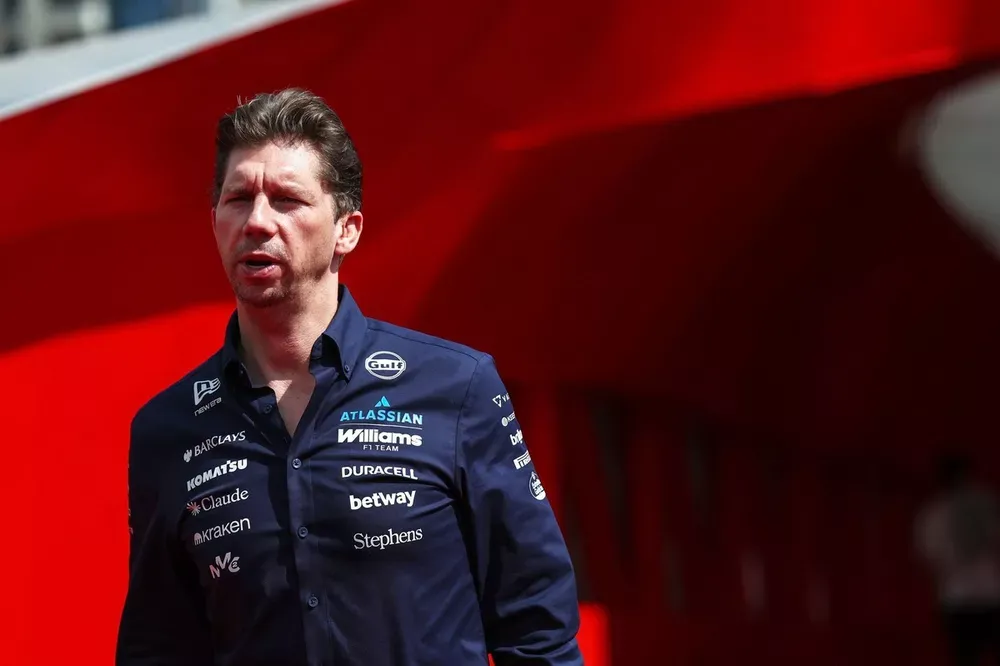
He added that this ensures teams that spent heavily pre-cap have a baked-in advantage, one that cannot be overcome with the rules as they currently stand. According to information shared via Motorsport.com, the current financial framework effectively creates an inverse balance of performance where past investments dictate modern capabilities rather than pure meritocratic competition on the racetrack.
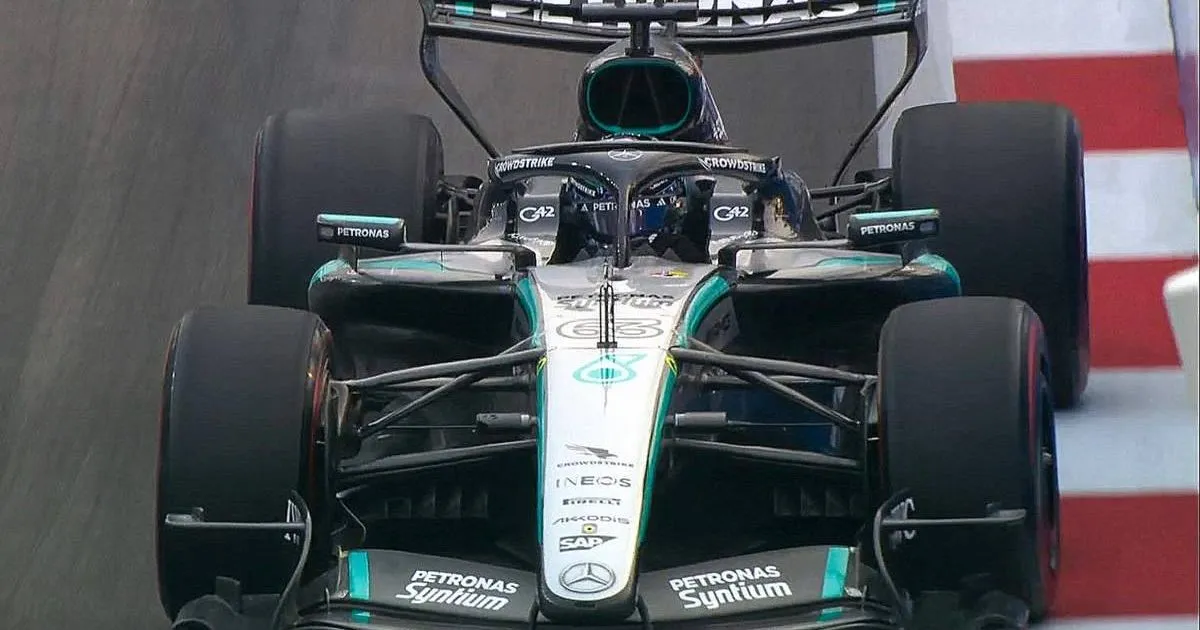
"Everyone I've spoken to can understand it because it's ultimately, whilst I'm putting it through a lens of this is not a fair fight, this is not playing with the same tools, it's not a meritocracy," Vowles stated regarding the ongoing discussions within the paddock.
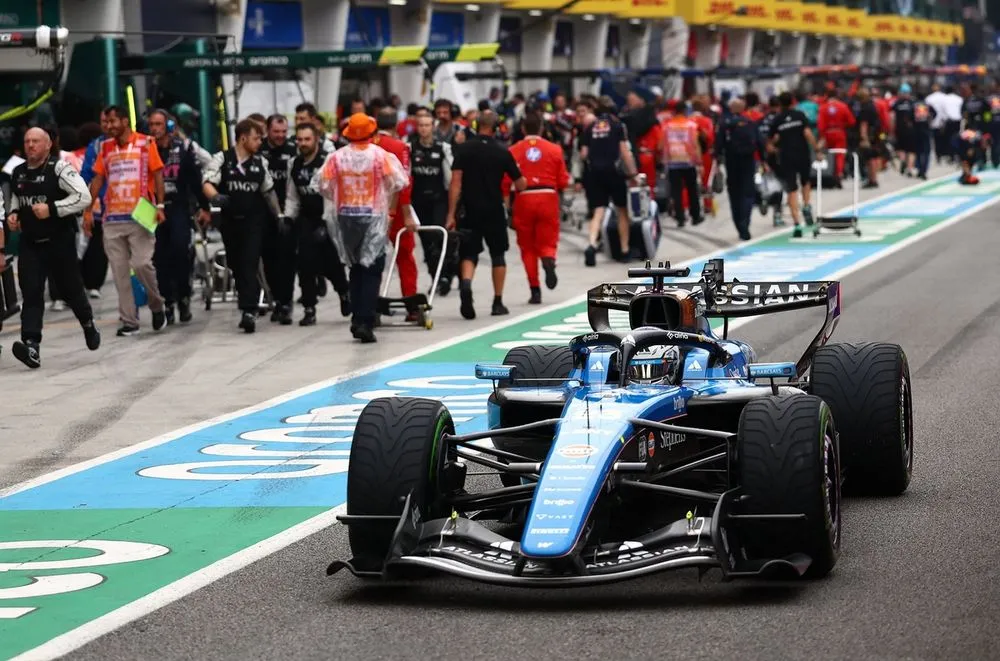
Vowles acknowledged that while the support has been present from various individuals who understand the sport benefits from a true meritocracy, it remains difficult for well-resourced squads to accept any potential weakening of their positional advantage. Nevertheless, he believes the voting numbers are nearly there, though the real challenge lies in finding the correct long-term solution for the championship's future.
Read Also
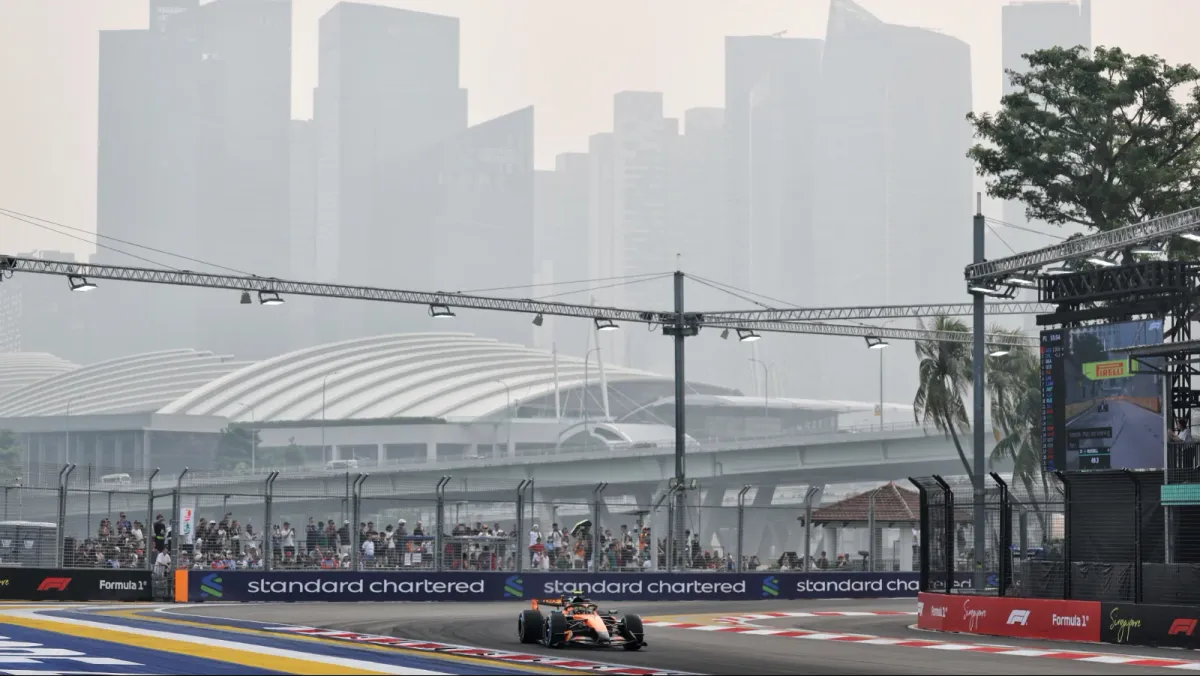
George Russell catat waktu tercepat latihan bebas GP Singapura 2026 di Marina Bay, ungguli Charles Leclerc dan Lando Norris.
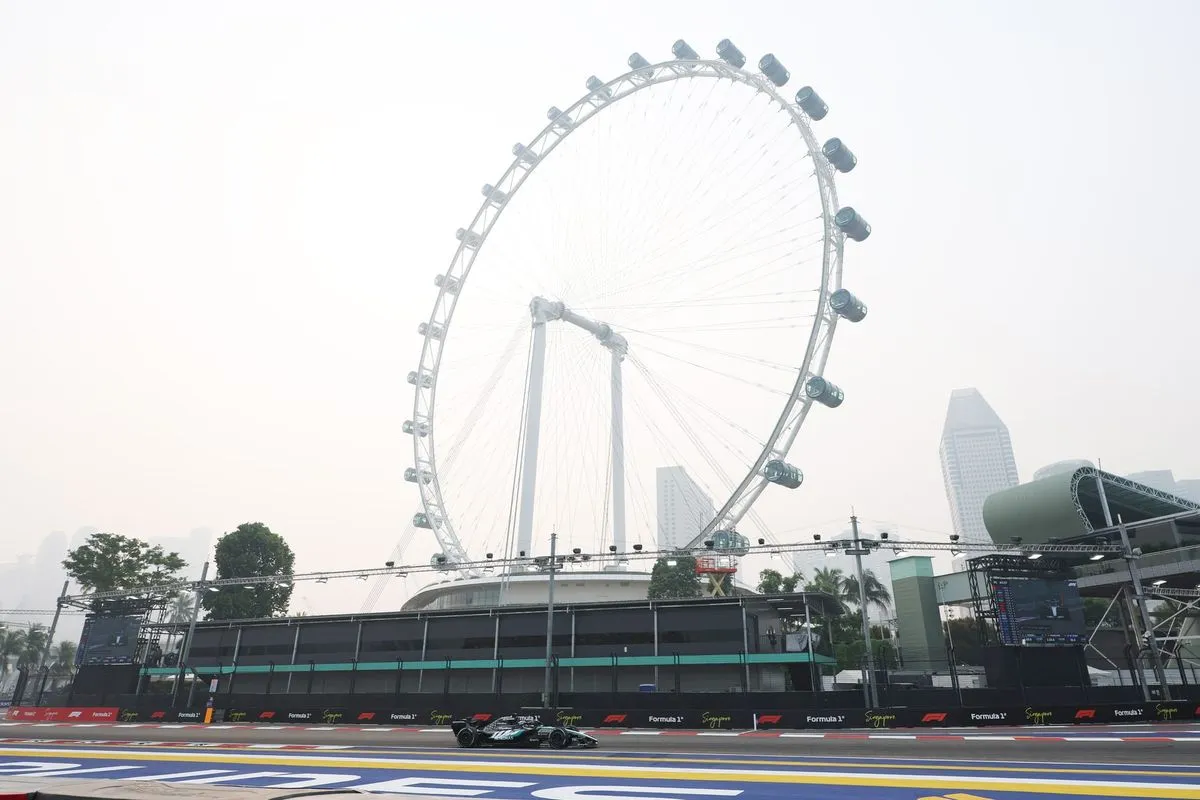
George Russell catatkan waktu tercepat di sesi latihan bebas tunggal GP Singapura 2026, amankan posisi teratas jelang kualifikasi sprint akhir pekan ini.
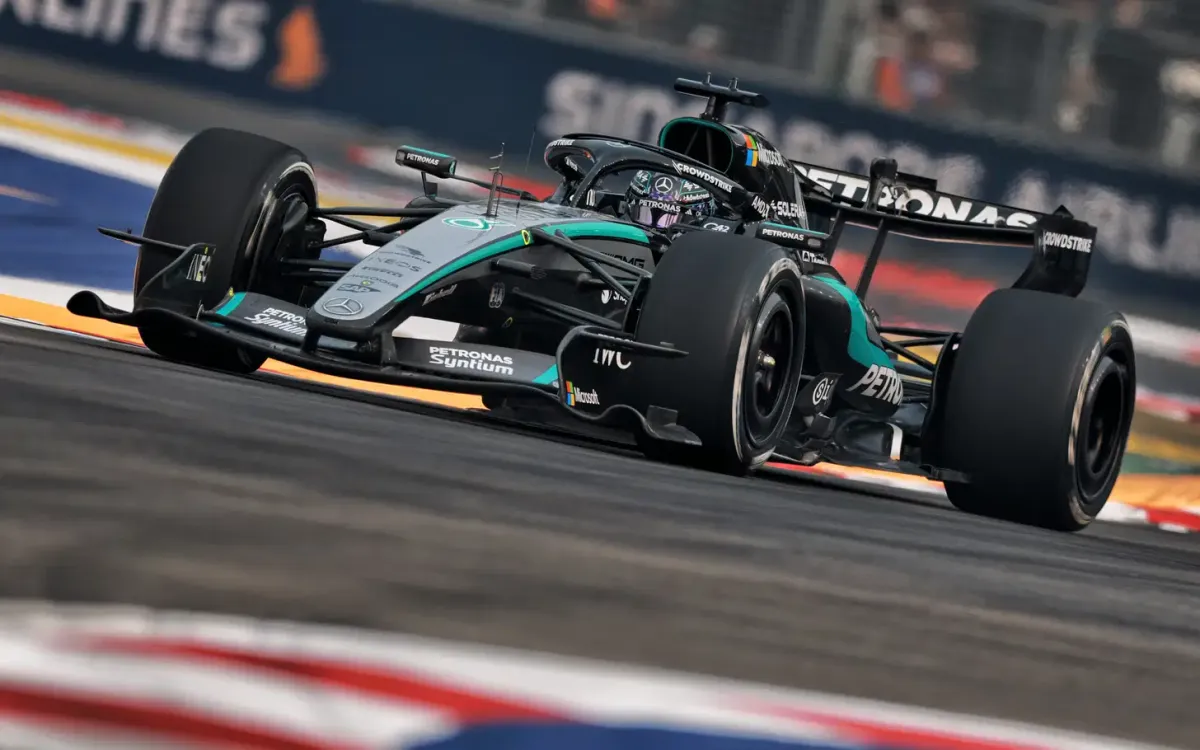
George Russell tercepat di latihan bebas F1 GP Singapura 2026 Marina Bay, mengungguli Charles Leclerc dan Lando Norris dalam sesi yang kompetitif.
 Continue with Google
Discussion (0)
Join the Discussion!
Sign in easily to start commenting, replying, and interacting with other readers.
Latest Comments
No comments yet. Be the first!