








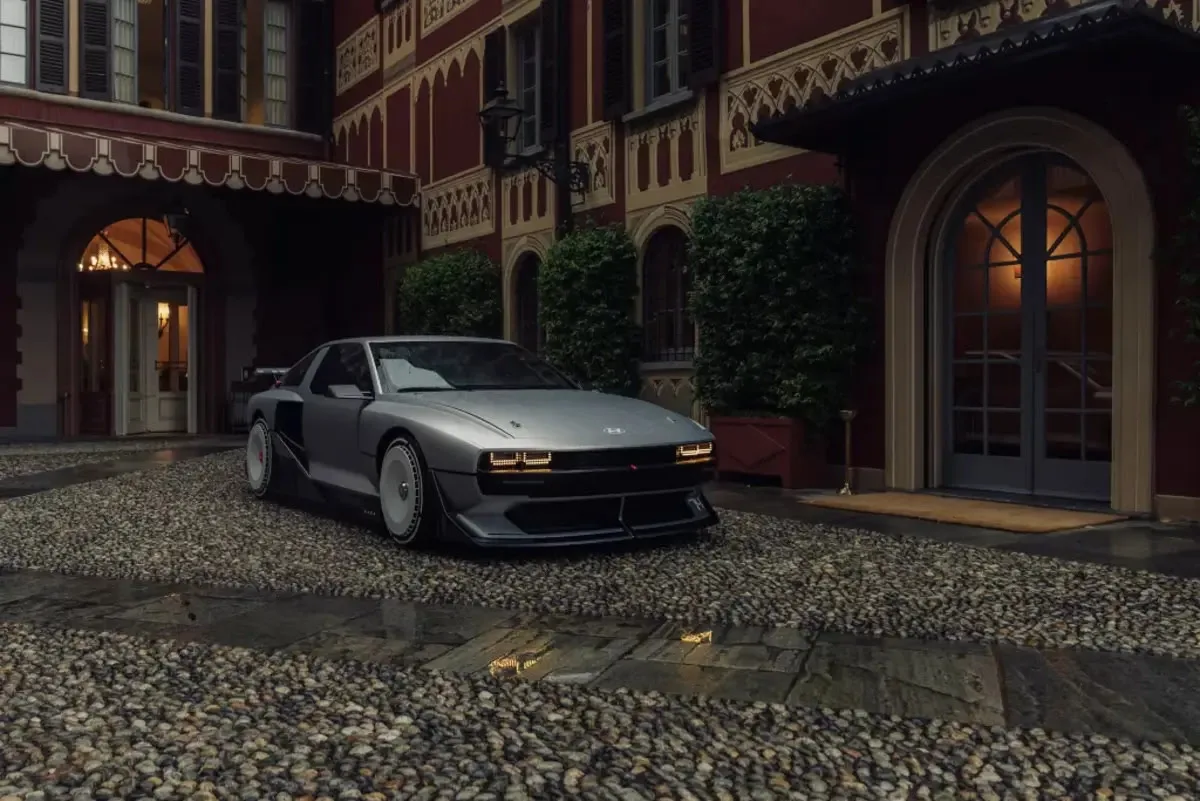
The ambitious plan for Hyundai to bring its revolutionary N Vision 74 concept car to mass production has been officially scrapped. This decision comes as a significant blow to global automotive enthusiasts who were eagerly anticipating the arrival of the hydrogen-powered vehicle on public roads. Previously, the project was hailed as the hallmark of a new era for high-performance electric vehicles from the South Korean manufacturer.
The surprising update was confirmed by Simon Loasby, head of the design center at Hyundai, during the Los Angeles Motor Show. The designer revealed that the team had put extensive technical effort into the project, ranging from clay modeling to finalizing interior and exterior designs intended for mass manufacturing. However, economic realities forced the company to re-evaluate the viability of the business case.
"We were working on this very seriously and we already had the clay model for production, as well as the exterior and interior designs, and so on. Everything depends on the economic calculations and the assessment of the business case: if you focus only on the single vehicle, its sales volumes, and its impact, there is simply no possibility," explained Loasby during a discussion with The Drive.
This cancellation effectively ends speculation regarding a limited-run production, which had previously been rumored to be capped at 200 units globally. The strategic shift was made after acknowledging that the massive investment required to realize the N Vision 74 did not align with short-term financial projections. For the company, preserving brand value through technological innovation remains a priority, even if it means sacrificing this iconic project.
As an alternative, fans of the retro-futuristic styling showcased by the concept may have to settle for upcoming models like the Elantra. It is reported that several aesthetic elements from the N Vision 74 will be integrated into the design of future Hyundai mass-production models. While not a direct substitute, this approach represents the manufacturer's effort to preserve the visual heritage that captivated the world when the concept was first unveiled as an homage to the Pony Coupe.
This setback highlights the rigorous research and development scrutiny within the current automotive industry, particularly when navigating the transition to hydrogen and pure electric technologies. Without concrete assurances regarding profitability, even a design masterpiece must be left on the drawing board to maintain the company's overall financial health.
Read Also
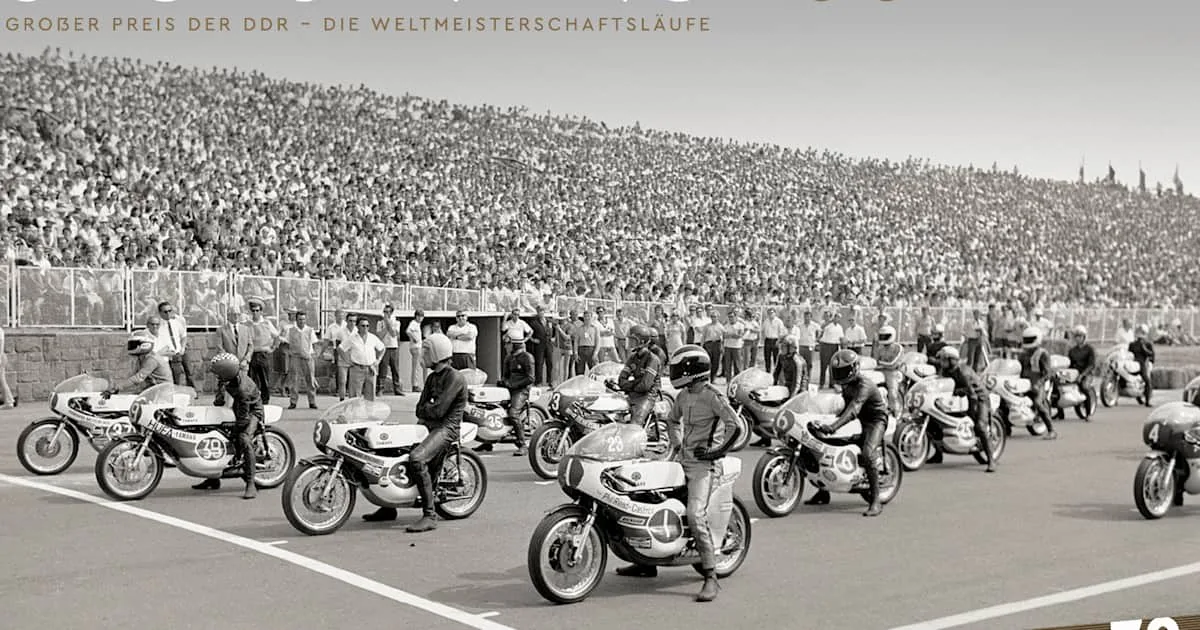
Arsip langka Sachsenring mengungkap kisah emas era GP DDR 1961-1972 bersama Agostini dan Saarinen. Simak ulasan sejarah lengkapnya di sini!

Simak analisis lengkap penundaan dramatis reli Italia di Padua akibat regulasi mendadak dan polemik lingkungan. Baca selengkapnya di Sportrik.
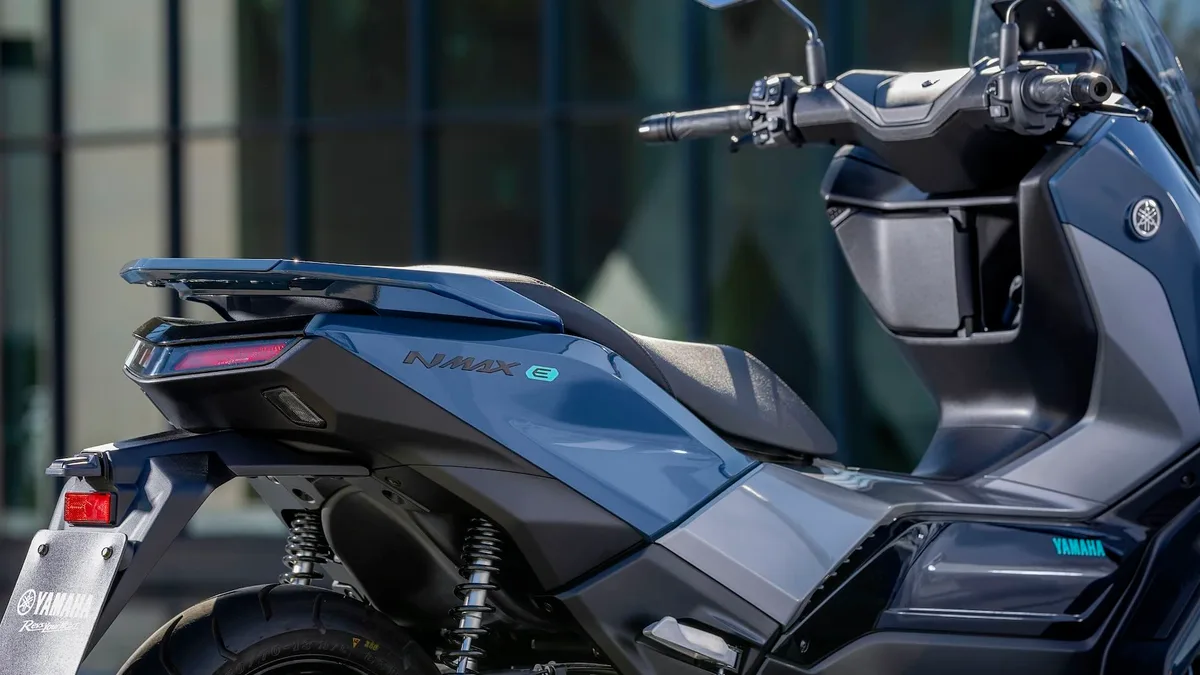
Yamaha resmi meluncurkan NMAX E, skuter listrik sporty bermesin 7,5 kW untuk mobilitas perkotaan. Simak ulasan spesifikasi lengkapnya di sini.
 Continue with Google
Discussion (0)
Join the Discussion!
Sign in easily to start commenting, replying, and interacting with other readers.
Latest Comments
No comments yet. Be the first!