








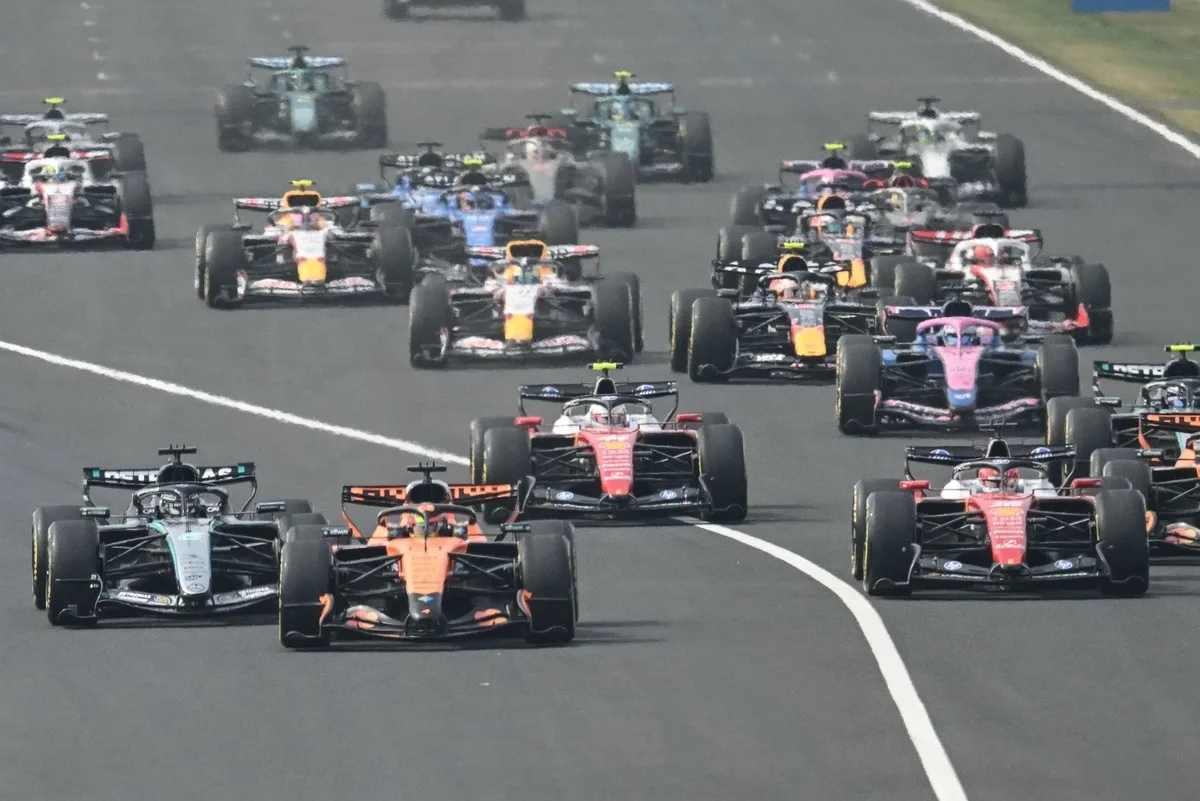
Formula 1 is bracing for a major technical overhaul as it heads toward the 2030 season. Reports indicate that the FIA is planning to restrict each power unit manufacturer to supplying no more than two teams, including their works operation. This strategic move is intended to reduce the political influence of dominant manufacturers on the grid while simultaneously curbing the financial strain caused by engine development, with supply costs capped at 18 million dollars per season.
This development was confirmed during the Formula 1 weekend in Las Vegas, where unanimous support was announced for the transition to 2.1-liter V8 engines. These new units will feature turbochargers, 200 kW of electric power, and the use of sustainable fuels. This evolution addresses the long-standing demand for less complex and more cost-effective engines, a goal championed by Mohammed Ben Sulayem and Stefano Domenicali.
The restriction poses a significant challenge for Mercedes, which currently supports three customer teams alongside its works squad. Under the 2030 framework, at least two of these current customers will need to secure a new engine supplier if the proposal is ratified by the FIA World Motor Sport Council in Shanghai next month. This has sparked intense political maneuvering within the paddock as teams scramble to assess their future.
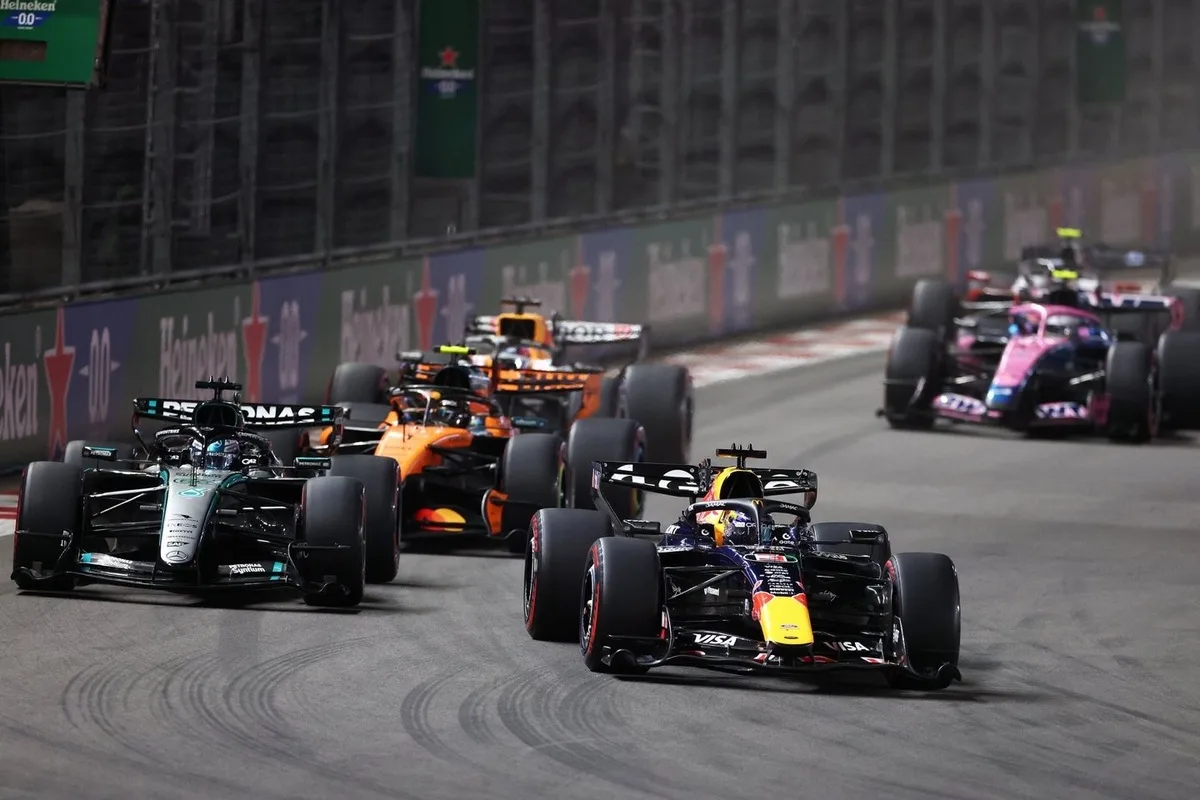
Conversely, other manufacturers appear well-positioned for the upcoming change. Ferrari is naturally aligning with the new limit as Cadillac moves toward an in-house engine program. Similarly, Red Bull Racing will continue to manage its two teams under its own powertrain division, while manufacturers like Audi and Honda are set to focus exclusively on their respective works entries.
The coming months are expected to be filled with high-stakes negotiations. Customer teams currently relying on Mercedes power, such as McLaren and Williams, have become the center of attention as the industry prepares for a seismic shift in technical partnerships. As noted by Autosport, the move is designed to ensure a more balanced and sustainable competitive landscape for the next generation of the sport.
Read Also

Rafael Camara dipastikan lanjut bersama Haas hingga akhir musim F1 2026. Simak analisis mengenai dampak kepergiannya dari perebutan gelar juara F2 di sini.
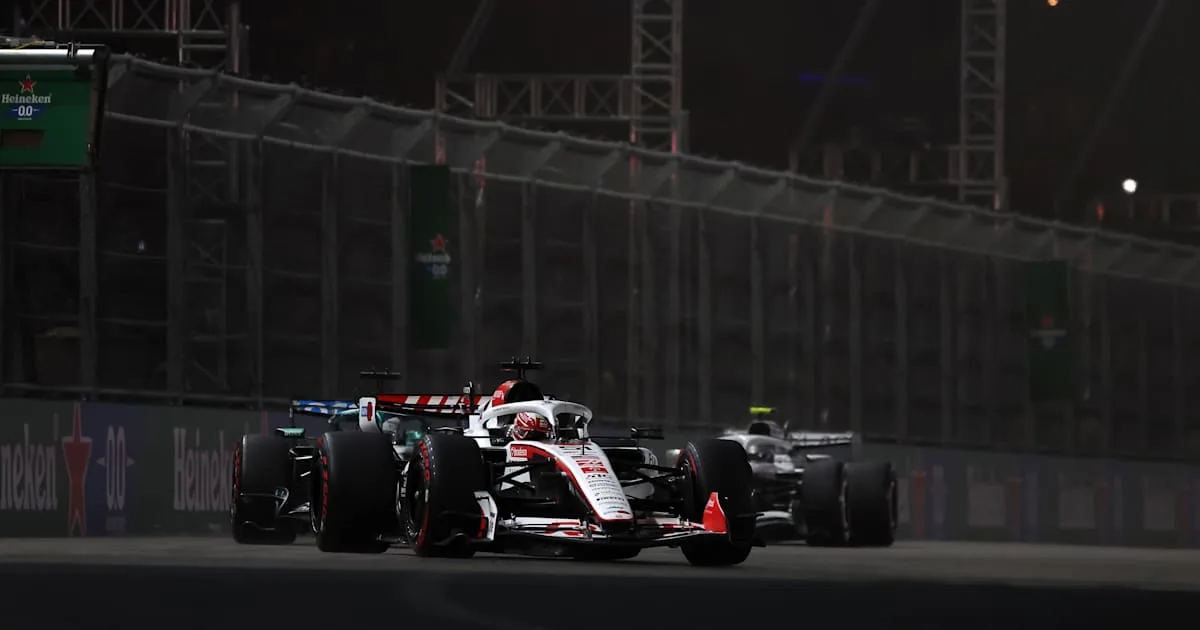
Rafael Camara resmi absen dari perebutan gelar F2 untuk fokus pada sisa musim F1 bersama Haas. Simak analisis dampak klasemen konstruktor selengkapnya di sini.
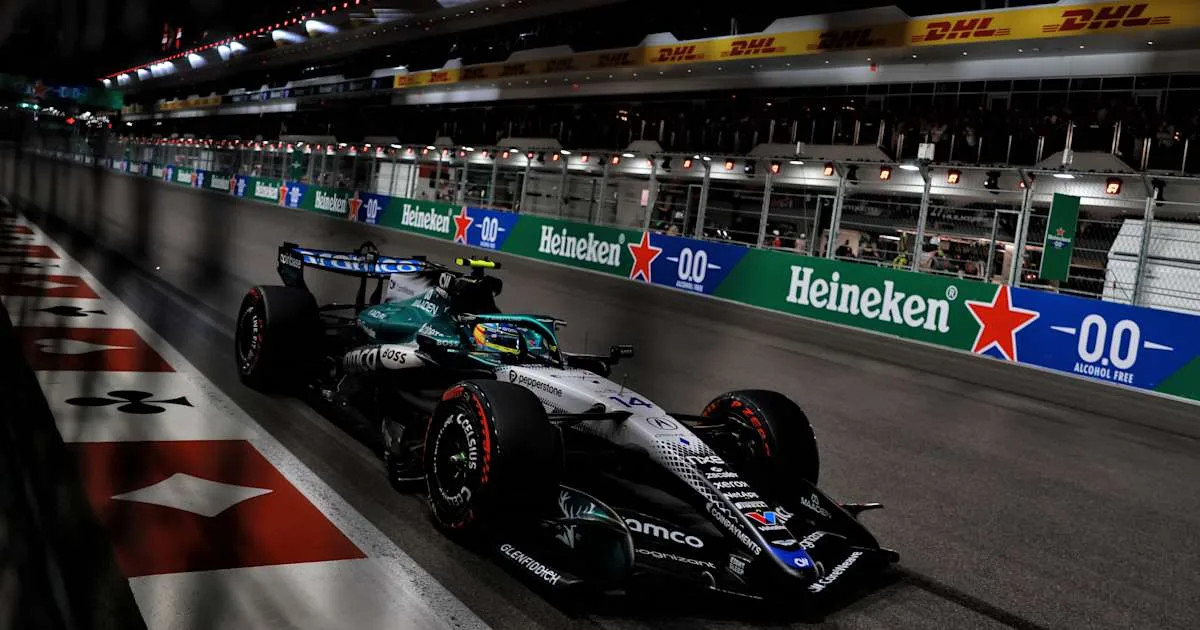
Fernando Alonso sebut GP Las Vegas sebagai balapan terburuk musim ini akibat masalah mesin dan hilangnya kecepatan di trek lurus. Baca analisis lengkapnya di sini.
 Continue with Google
Discussion (0)
Join the Discussion!
Sign in easily to start commenting, replying, and interacting with other readers.
Latest Comments
No comments yet. Be the first!