








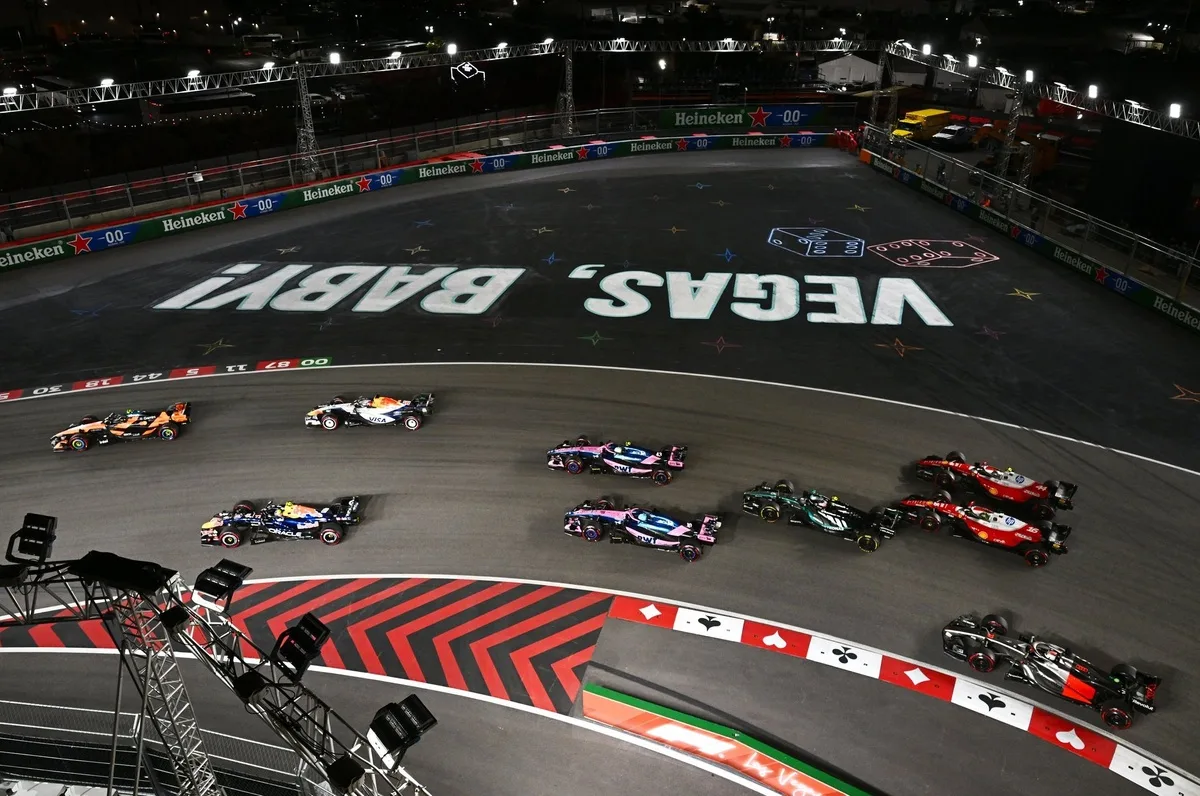
Development of the current Formula 1 power units will officially be frozen from the 13th race of the 2028 season. The measure was confirmed by Nikolas Tombazis, the FIA single-seater director, as part of a strategic effort to prevent soaring costs and runaway parallel development programs among competing manufacturers.
First revealed during the Las Vegas GP weekend, the rule ensures that manufacturers do not have to juggle two massive projects simultaneously between the current hybrid V6 units and the upcoming V8 engines slated for 2030. From mid-2028 onwards, only reliability updates will be permitted, with absolutely no performance upgrades allowed.
Prior to that milestone, stringent restrictions will govern the development of the 2.1-litre turbocharged V8 power units. Until October 1, 2027, F1 manufacturers are barred from conducting single-cylinder dyno work, while full power unit dyno testing remains prohibited until July 1, 2028. These limitations, however, do not apply to newcomers such as General Motors for their Cadillac project.
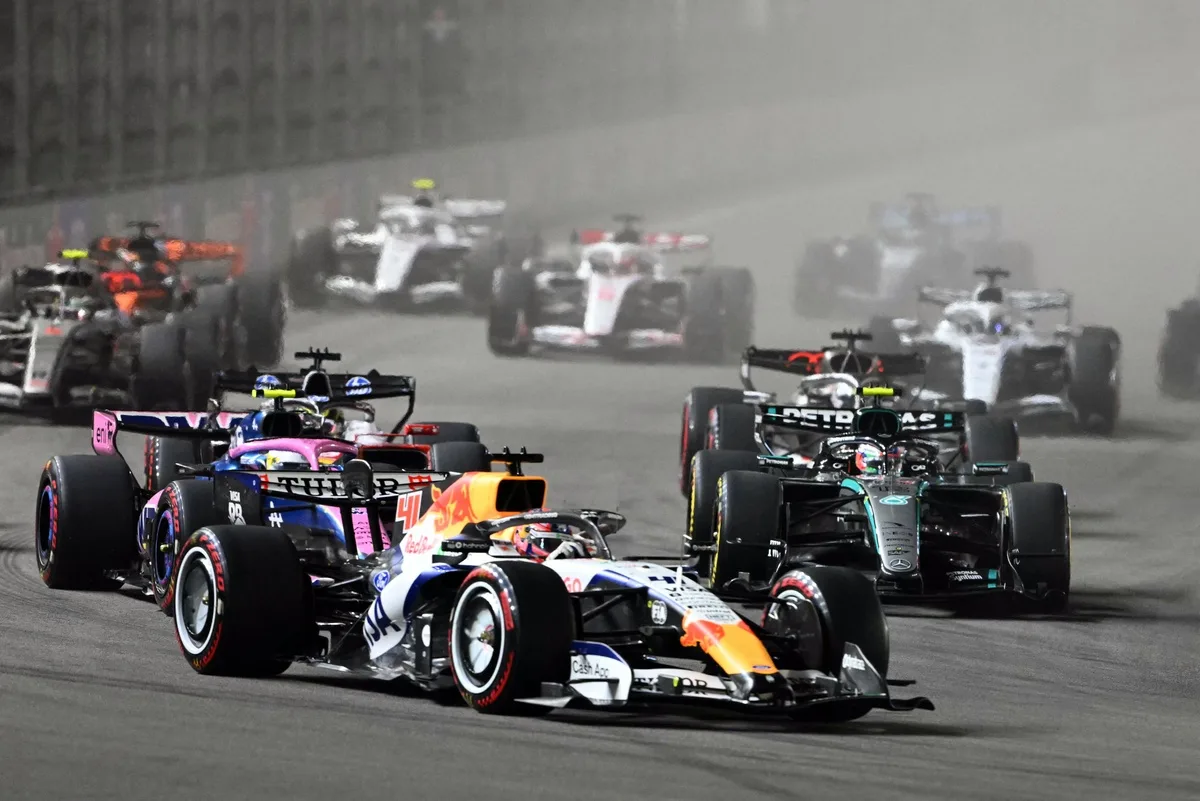
The governing body is also addressing the broader ADUO framework to prevent situations where a manufacturer falls drastically behind before the freeze takes effect. Tombazis admitted that while the body is slightly behind on the ADUO side, continuous alignment with power unit suppliers remains a top priority to maintain a balanced competitive landscape.
These technical shifts will heavily impact top operations like Red Bull Racing and McLaren as they plan long-term resource allocation. Read our in-depth analysis on upcoming F1 regulations and paddock updates right here.

Read Also
Simak analisis lengkap Laurent Mekies mengenai peran vital Max Verstappen dan kebangkitan Red Bull Racing di F1. Baca selengkapnya di sini!

Simak analisis lengkap mengapa restrukturisasi perusahaan selama 50 tahun menyeret Williams dalam pelanggaran batas biaya F1. Baca selengkapnya di sini!
Simak alasan taktis McLaren menahan komponen lantai baru pada latihan GP Qatar demi keamanan anggaran. Baca analisis mendalam di sini.
 Continue with Google
Discussion (0)
Join the Discussion!
Sign in easily to start commenting, replying, and interacting with other readers.
Latest Comments
No comments yet. Be the first!