








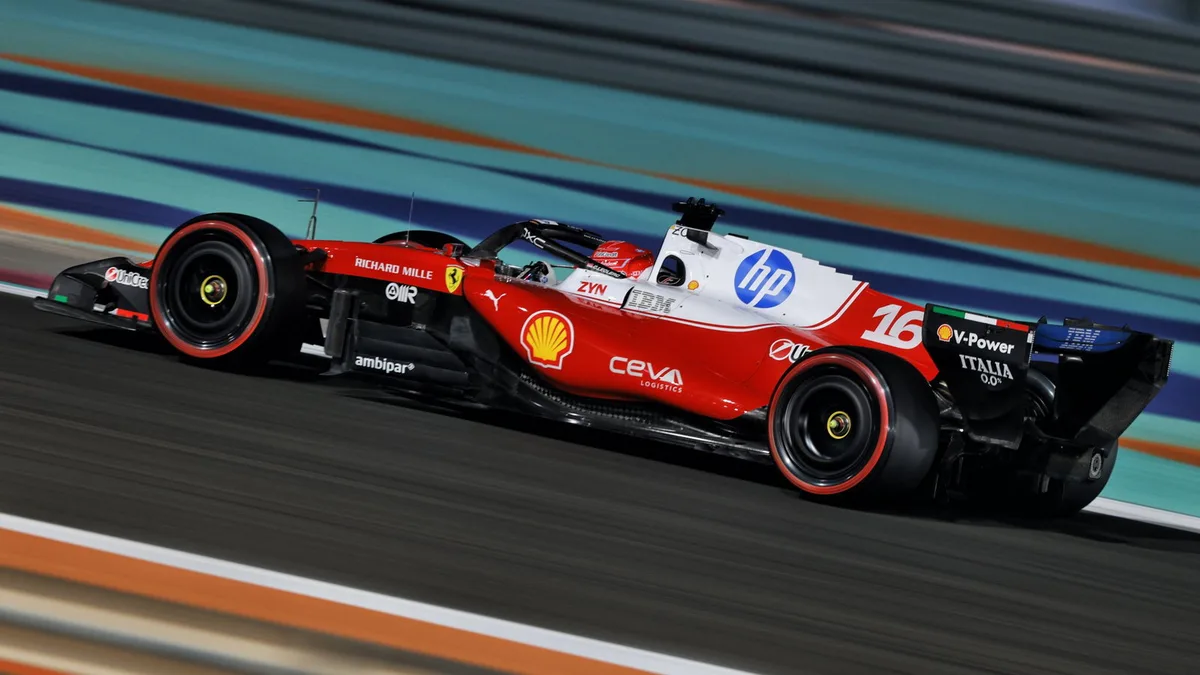
The Federation Internationale de l'Automobile is set to introduce an engine development freeze midway through the 2028 Formula 1 season as the championship prepares for the highly anticipated return of V8 power units in 2030.
FIA single-seater director Nikolas Tombazis has confirmed that performance development of the current generation of V6 hybrid power units will be frozen starting from the 13th round of the 2028 campaign. However, manufacturers will still be permitted to introduce necessary upgrades specifically addressing reliability concerns.
Strict restrictions will also govern the development of the proposed 2.1-litre turbocharged V8 power units ahead of their official introduction. Manufacturers will be prohibited from conducting single-cylinder dyno testing until October 1, 2027, while full assembly testing of complete V8 power units will remain forbidden until July 1, 2028. Crucially, new power unit manufacturers are exempt from these strict limitations, allowing General Motors to commence preparations earlier than established rivals.
The decision to implement an engine freeze has inevitably raised questions regarding the future of the Additional Development and Upgrade Opportunities mechanism. Tombazis admitted that discussions surrounding the framework took a back seat while the governing body focused heavily on establishing foundational rules for the upcoming power unit generation.
"We've been concentrating on the PU framework and, frankly speaking, we are a bit late on the ADUO side," Tombazis stated. "We need to consider this whole topic in relation to our intention and what we've discussed with the PU manufacturers, so to freeze the current generation of engines from a certain point onwards. That will be mid-2028. What we want to avoid for cost reasons is that they have two parallel programs."
Alongside limiting expenditure during the regulatory transition, the governing body aims to prevent manufacturers from securing an unfair competitive advantage in their preparations for 2030. Tombazis emphasized the vital importance of ensuring struggling teams receive sufficient opportunity to bridge performance gaps before development concludes.
Read Also
Banding Audi atas penalti Yuki Tsunoda resmi ditolak FIA. Simak analisis mendalam, dampak klasemen, dan detail putusan hukumnya di sini.
Kimi Antonelli jadi yang tercepat di FP2 Qatar yang diwarnai bendera merah dan masalah teknis. Baca analisis mendalam di sini.
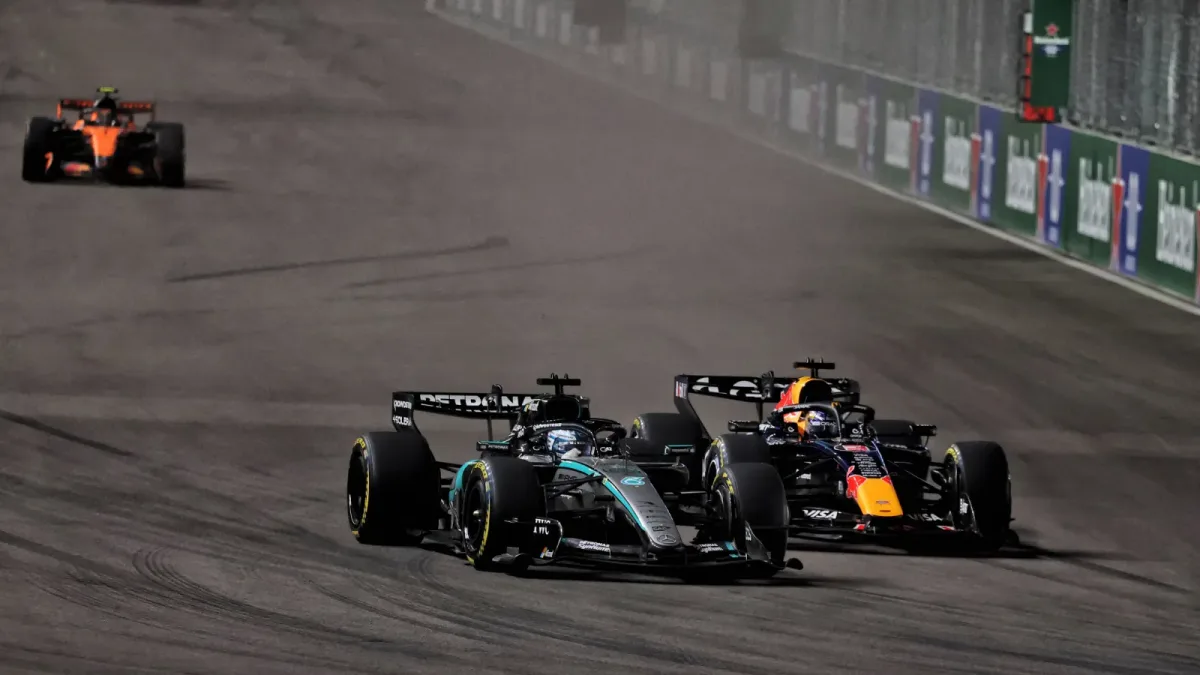
George Russell kembali menyindir Max Verstappen dengan membandingkannya pada Lewis Hamilton. Simak analisis lengkap perang urat syaraf paddock di sini.
 Continue with Google
Discussion (0)
Join the Discussion!
Sign in easily to start commenting, replying, and interacting with other readers.
Latest Comments
No comments yet. Be the first!