






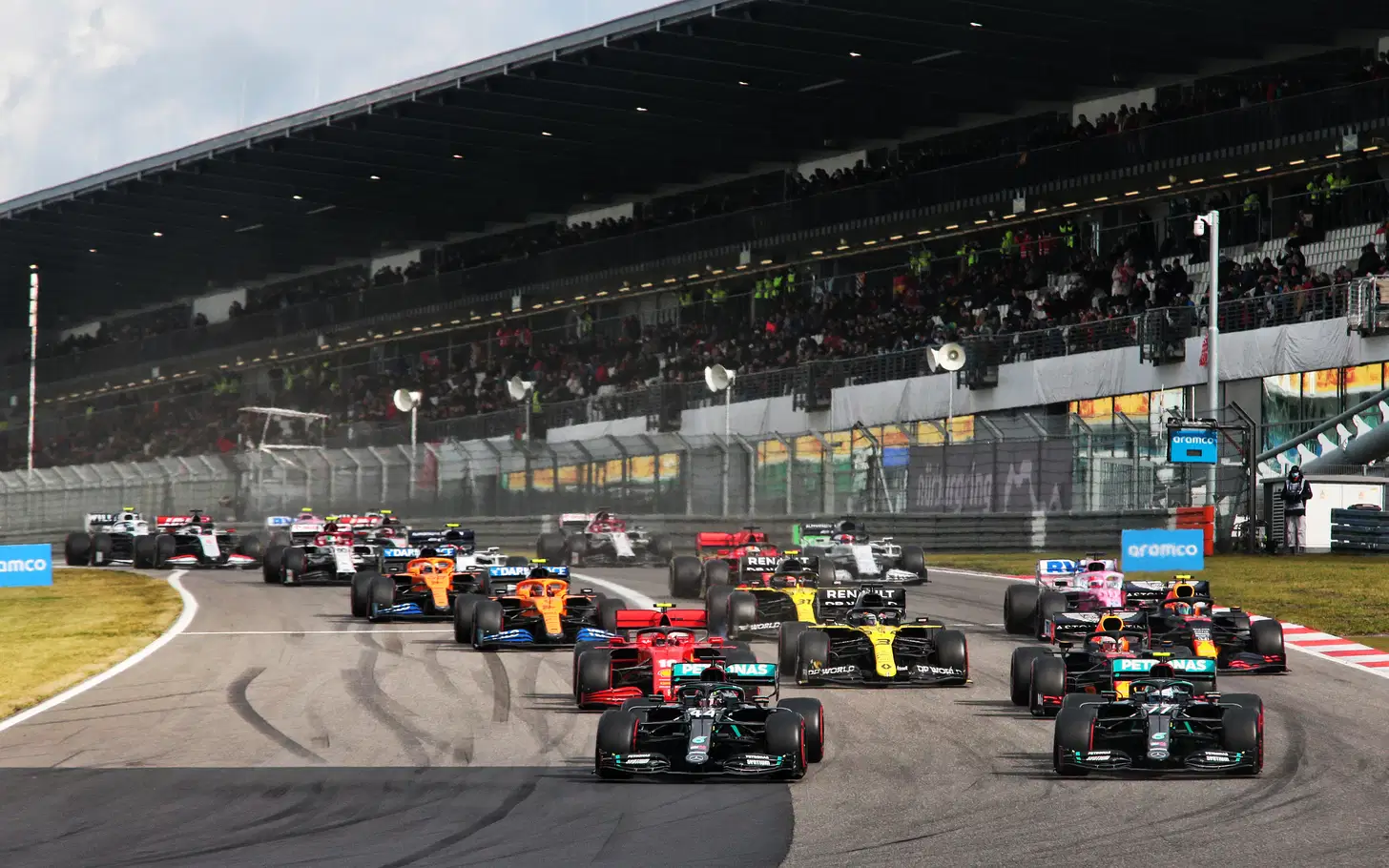

Formula 1, Sportrik Media - Formula 1 is set to return to the Nurburgring in mid-April 2026 for a two-day tyre test led by Pirelli, involving Mercedes and McLaren.
The test forms part of Pirelli’s ongoing in-season development programme, designed to gather real-world data to guide future tyre construction and compound evolution. These sessions are critical in refining performance characteristics under varying circuit conditions, particularly as Formula 1 continues to evolve under complex technical regulations.
A defining feature of Pirelli’s testing structure is that participating teams operate without knowledge of the specific compounds being evaluated. Pirelli dictates the full run plan, including stint lengths and tyre usage, effectively “renting” the teams for controlled data acquisition. This approach ensures consistent and unbiased feedback across different car platforms.
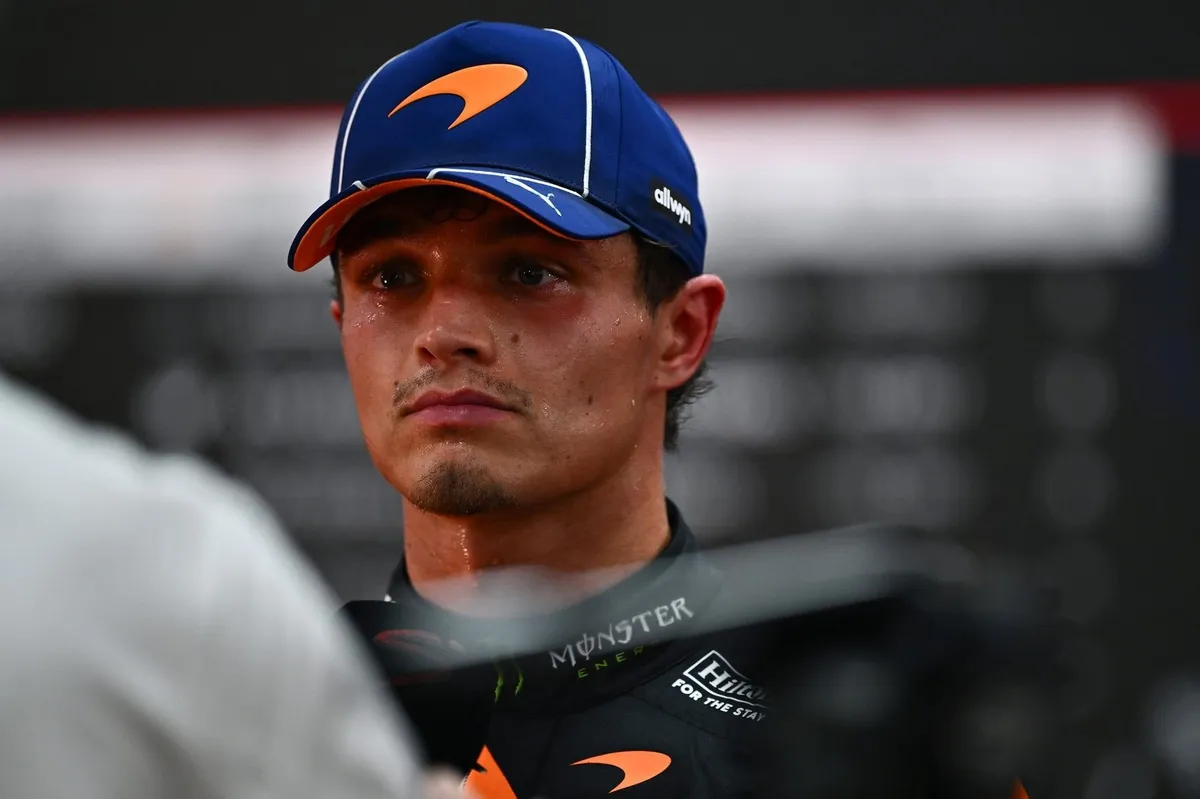
According to available information, Mercedes will field its regular race drivers George Russell and Kimi Antonelli, while McLaren will deploy its standard line-up of Lando Norris and Oscar Piastri. The use of full-time race drivers highlights the importance of extracting representative performance data under realistic driving conditions.
The test is scheduled to run across April 14–15, marking Formula 1’s first on-track activity at the Nurburgring since the one-off 2020 Eifel Grand Prix. That event was added to the calendar as part of a revised schedule during the COVID-19 pandemic, making this return notable from both a technical and historical perspective.
Historically, the Nurburgring shared hosting duties for the German Grand Prix with Hockenheim between 2009 and 2013, alternating on an annual basis. From 2014 onwards, Hockenheim became the sole venue, hosting races until 2019. The upcoming test therefore represents a rare modern-era return of Formula 1 machinery to the circuit.
In parallel, Ferrari is also scheduled to conduct a separate Pirelli test programme at Fiorano, focusing specifically on wet-weather tyre development. This session replaces previously planned running in Bahrain, which was cancelled due to disruptions linked to the ongoing geopolitical situation involving Iran.
Wet tyre development remains a critical area within Formula 1, particularly in improving grip consistency, water dispersion, and driver visibility in adverse conditions. Data collected from Fiorano is expected to contribute directly to future safety and performance enhancements.
Collectively, these testing activities underline the strategic importance of tyre development in modern Formula 1. With increasing demands placed on tyre durability, adaptability, and performance across a diverse global calendar, Pirelli’s structured testing programme remains central to maintaining competitive balance.
As the 2026 season progresses, insights gathered from both the Nurburgring and Fiorano tests are expected to influence tyre specifications in upcoming races, while also shaping longer-term development aligned with future regulatory cycles.
Read Also
Lando Norris akui kesalahannya tabrak Oscar Piastri di GP Singapura 2026. Simak analisis lengkap dan permintaan maaf sang juara dunia di sini.

Toto Wolff terkejut Kimi Antonelli bisa lewati Lewis Hamilton di F1 GP Singapura 2026. Baca analisis mendalam dan update klasemen terbaru di sini.
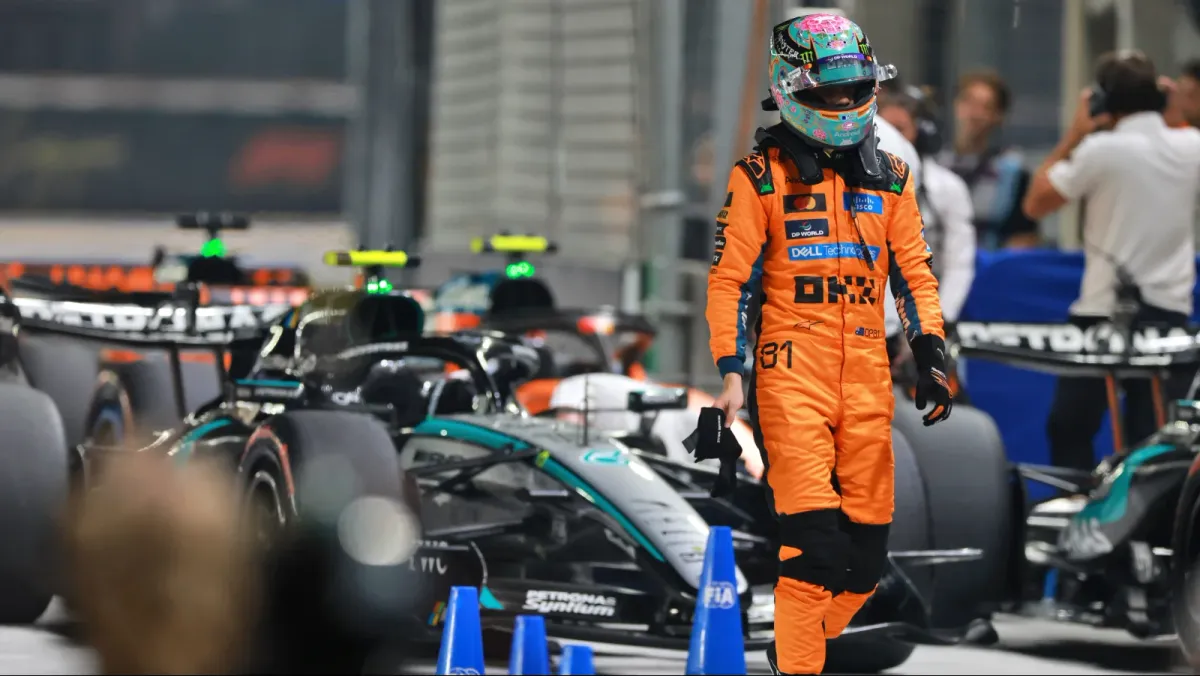
Simak analisis lengkap bagaimana ban bocor menyelamatkan balapan Oscar Piastri di GP Singapura. Baca ulasan mendalam dan update poin konstruktor di sini.
 Continue with Google
Discussion (0)
Join the Discussion!
Sign in easily to start commenting, replying, and interacting with other readers.
Latest Comments
No comments yet. Be the first!