








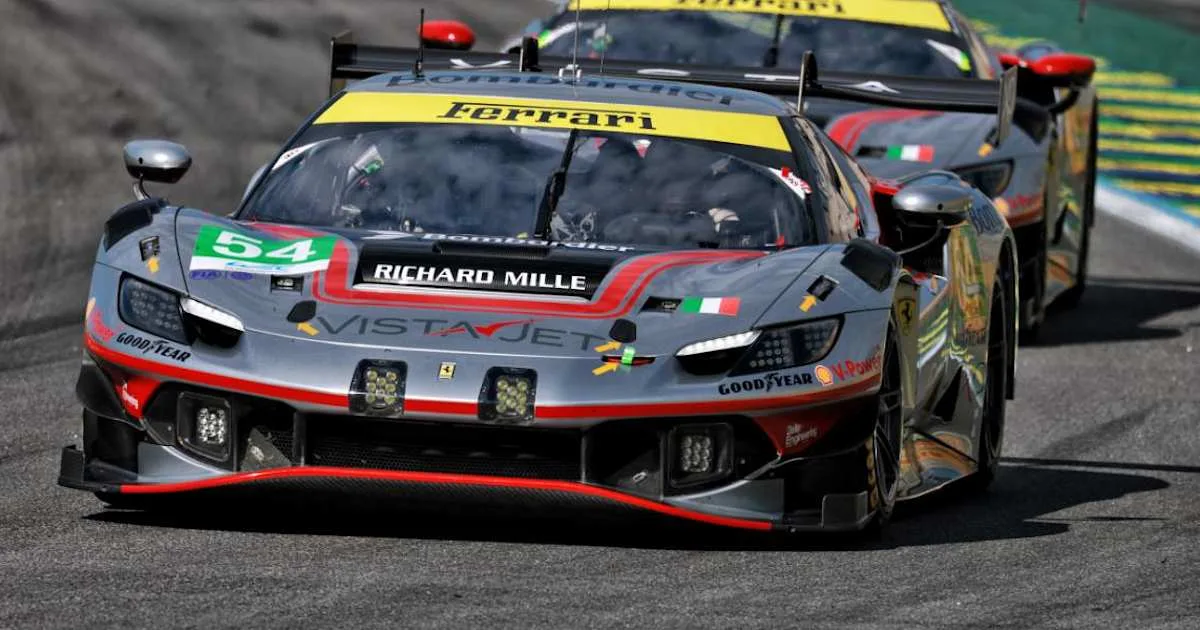
The landscape of endurance racing highlights a stark contrast in competitive dynamics between premier global championships. Davide Rigon recently wrapped up a demanding campaign across different continents, navigating distinct rulebooks and tactical philosophies. While the Hypercar division battles for overall glory, the LMGT3 class features a fierce grid populated by nine major manufacturers including Aston Martin, BMW, Corvette, Ferrari, Ford, Lexus, McLaren, Mercedes-AMG, and Porsche, each fielding a two-car entry.
The season presented a steep learning curve for the crew operating the Ferrari 296 LMGT3 Evo. Competing alongside teammates Francesco Castellacci and Thomas Flohr, the car's lineup fought hard throughout the calendar. Despite securing a season-high fourth place during the round at Fuji Speedway in Japan, the crew encountered several setbacks, including a premature retirement at Le Mans following a racing incident around midnight that halted their momentum.
Reflecting on his campaign in the world championship, the factory driver acknowledged the hurdles faced on track. "I had a difficult season in the FIA WEC," Rigon admitted, looking back at his sports car outings. "Our best result came in Fuji where we got very close to the podium. We missed out by just over a second in a six-hour race. The remaining rounds were truly tough. Our best chance was arguably at Le Mans, but we had to retire around midnight due to a contact with another car. Now, I am looking forward to the upcoming season."
Beyond the global arena, his racing calendar also included outings in the North American endurance scene with the legendary Risi Competizione squad. Driving in the GTD Pro category, he shared driving duties in a similar GT3 machine alongside fellow factory drivers such as Daniel Serra and Alessandro Pier Guidi. The competitive nature across the Atlantic offers a vastly different tactical environment due to regulatory efforts that keep the field tightly bunched.
According to the experienced Italian racer, American sports car racing relies heavily on managing caution periods and crafting intricate pit strategies rather than relying solely on raw pace. "Racing in IMSA is a different kind of challenge because you have three professional drivers teaming up," Rigon explained. "The approach is completely different as well, due to the frequent caution periods. They try to keep all the cars bunched up together for exciting restarts, keeping everyone in contention right until the final hour. Performance matters greatly, but strategy is what truly makes the big difference."
In contrast, the world championship format demands relentless flat-out driving where recovering lost ground is exceptionally difficult due to sporting regulations governing race neutralizations. "In the FIA WEC, it is all about pure performance. You have to show your speed the entire time during the races," Rigon emphasized. "Every single second counts, just like every pit stop. If you make a small mistake, it is hard to bounce back—even at the 24 Hours of Le Mans. Because in WEC, they mostly use Full Course Yellow phases instead of a safety car, making it extremely difficult to recover from a deficit."
Read Also
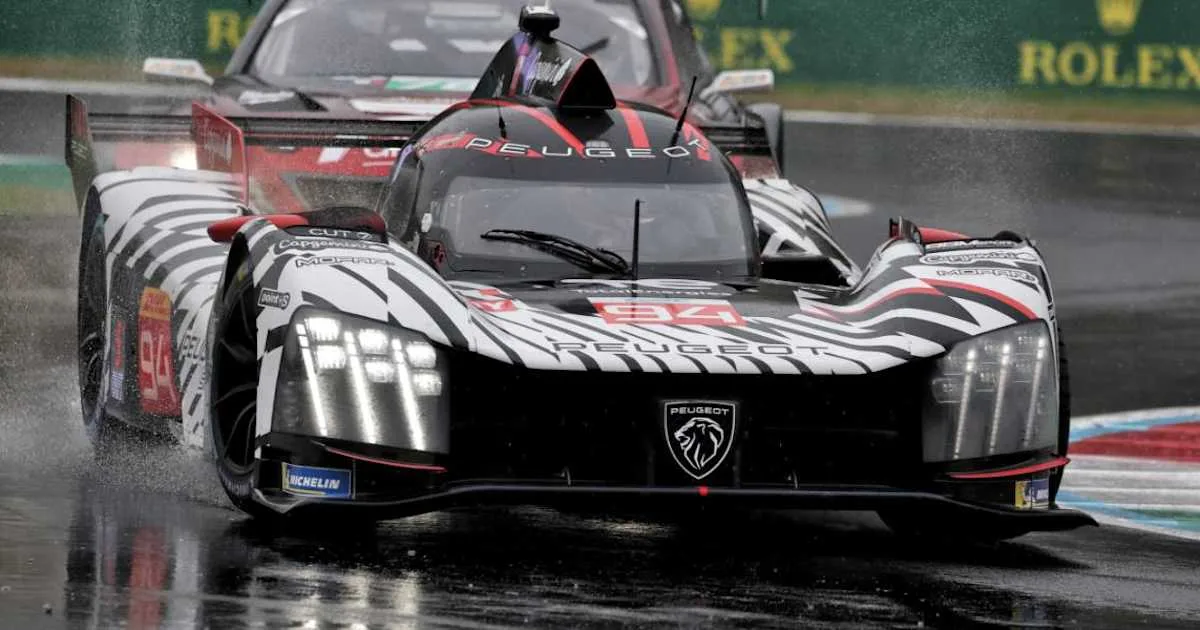
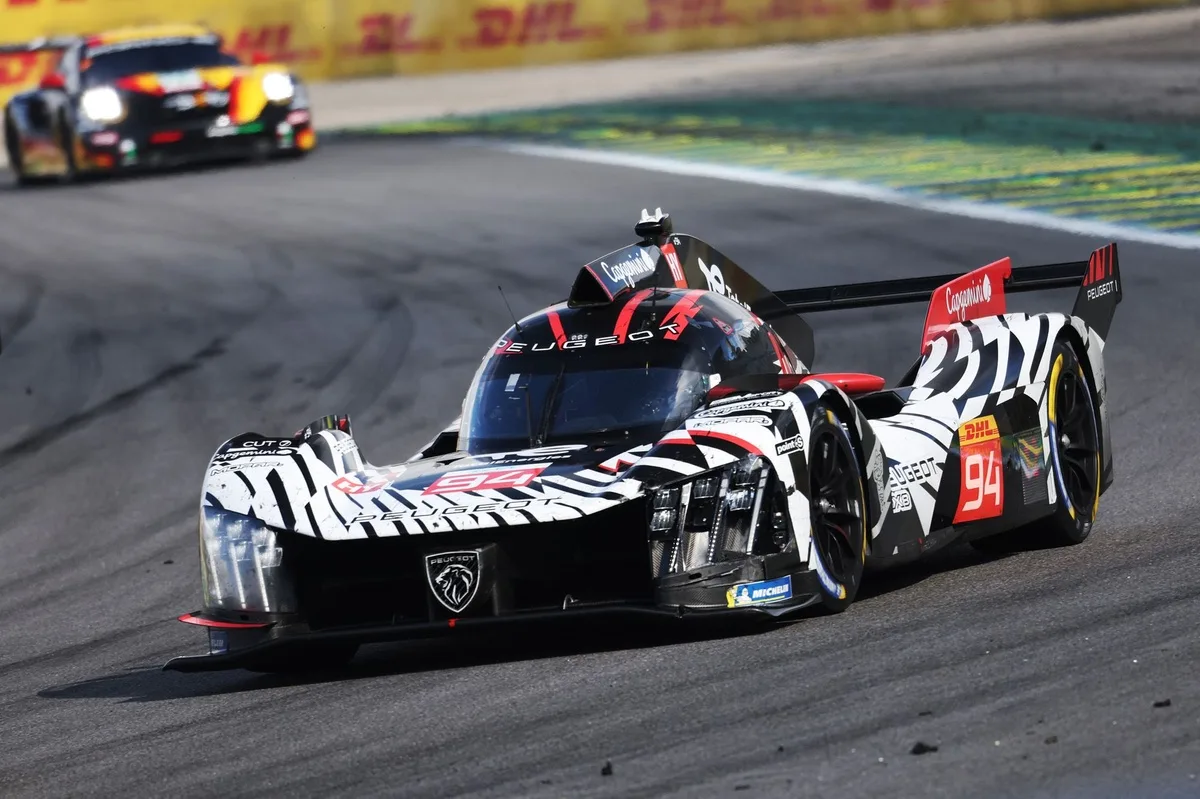
Peugeot resmi hentikan proyek Hypercar di FIA WEC setelah musim 2026. Simak analisis lengkap mengenai dampak bagi grid dan masa depan tim di sini.
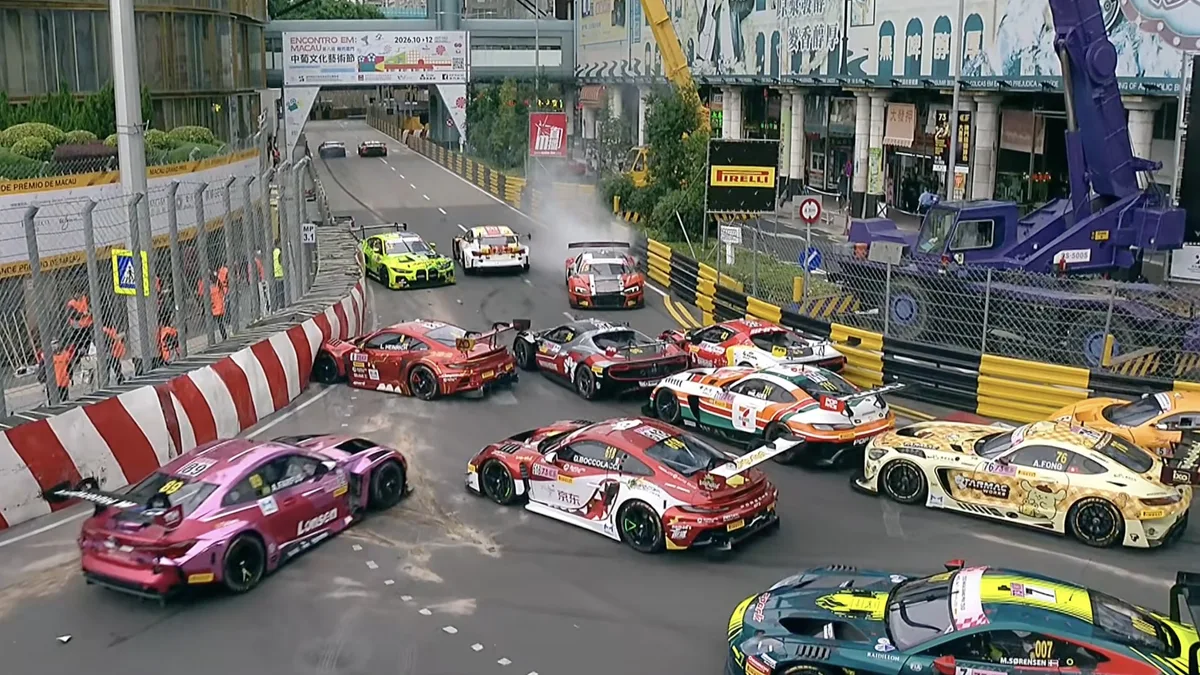
Simak kronologi insiden panas di Tikungan Lisboa Macau yang hancurkan peluang juara Laurin Heinrich. Baca analisis mendalam di sini.
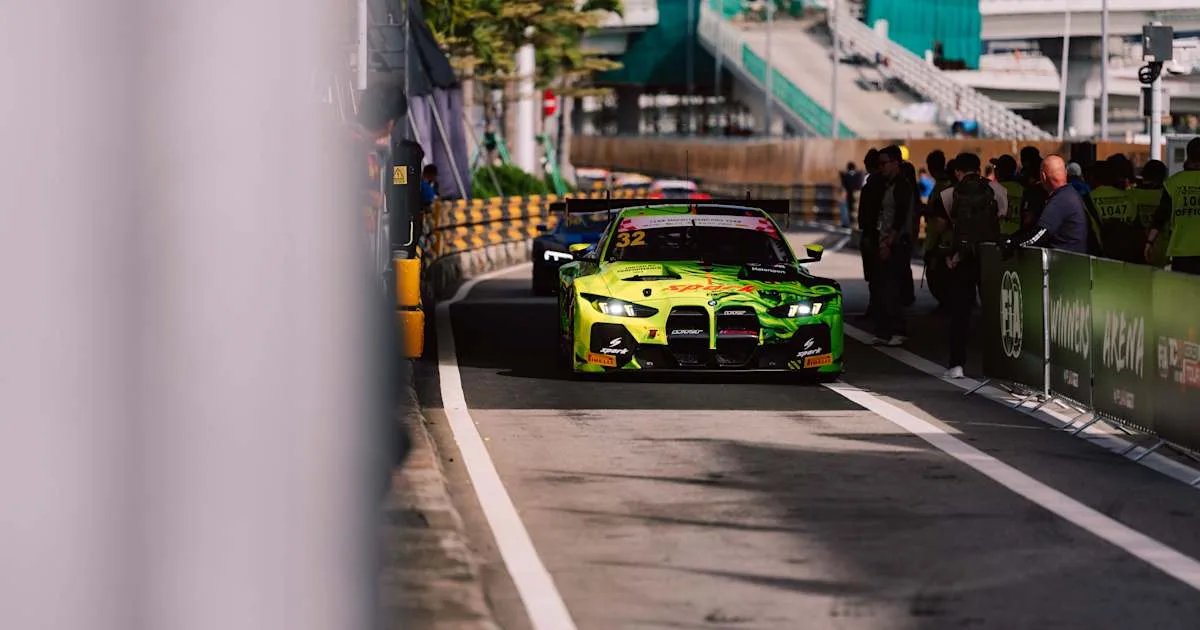
Simak analisis mendalam mengenai tanggapan Raffaele Marciello atas insiden kontroversial yang melibatkan Laurin Heinrich di Makau. Baca selengkapnya di sini!
 Continue with Google
Discussion (0)
Join the Discussion!
Sign in easily to start commenting, replying, and interacting with other readers.
Latest Comments
No comments yet. Be the first!