







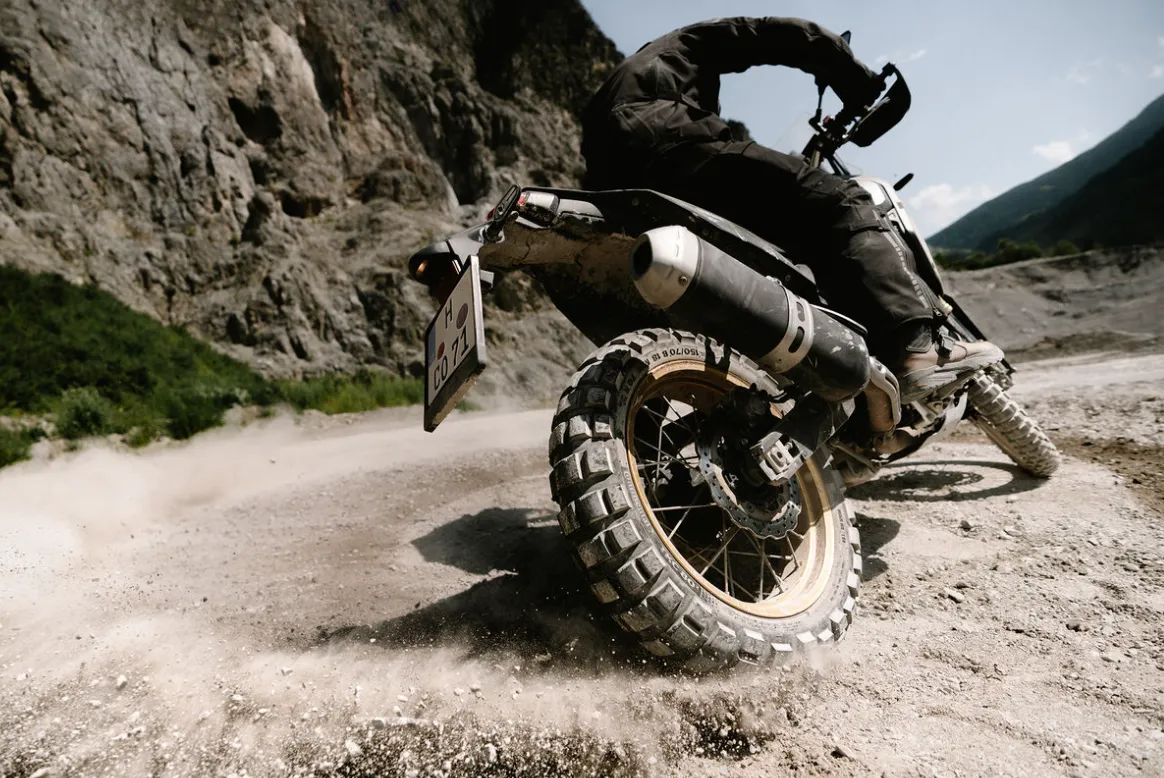

Continental has officially introduced the second generation of its legendary trail tire, the Continental TKC 80². The update brings a new tread design, a 17% increase in contact area in the wear zone, and a revised casing to better tackle the challenge of big adventure bikes: combining highway miles with genuine off-road riding.
The TKC 80 name has been synonymous with the trail segment for decades. Now, Continental refreshes it with the TKC 80², which retains the 50/50 on-road/off-road orientation but introduces significant changes in tread pattern, construction, and compound. The evolution focuses on three key areas: block design, footprint, and build.
The most obvious difference lies in the tread blocks. On the TKC 80², Continental has redesigned the tread so that each row features longer, equal-length edges. The goal is to maintain more consistent interaction with the terrain and improve traction when the surface becomes less compact. The shoulder blocks are also staggered, increasing the number of edges that can bite into the ground, especially on soft surfaces.
Continental also keeps a characteristic that has defined the TKC 80 from the start: an open tread pattern that facilitates the evacuation of material accumulated between the blocks. On dirt trails, this matters more than aesthetics. If the gaps between blocks become clogged with mud or soil, the blocks' ability to find grip diminishes. Continental has specifically worked on this block-to-terrain interaction.
Another significant change is not visible at first glance. Continental states that the TKC 80² increases the net footprint area by 17% in the critical wear zone. The larger contact patch aims to achieve three goals: improved stability at high speeds, increased grip, and more uniform wear. This is particularly relevant for modern adventure bikes, which tend to be heavier, more powerful, and often carry a passenger and luggage.
To support truly mixed use, Continental has developed a new casing construction optimized for damping and stable, comfortable handling. On large-displacement trail bikes, the casing plays a crucial role: it must absorb irregularities, provide consistent response, and handle the loads of a motorcycle that can easily exceed 200 kilograms. This was a key focus in the development of the TKC 80².
Read Also
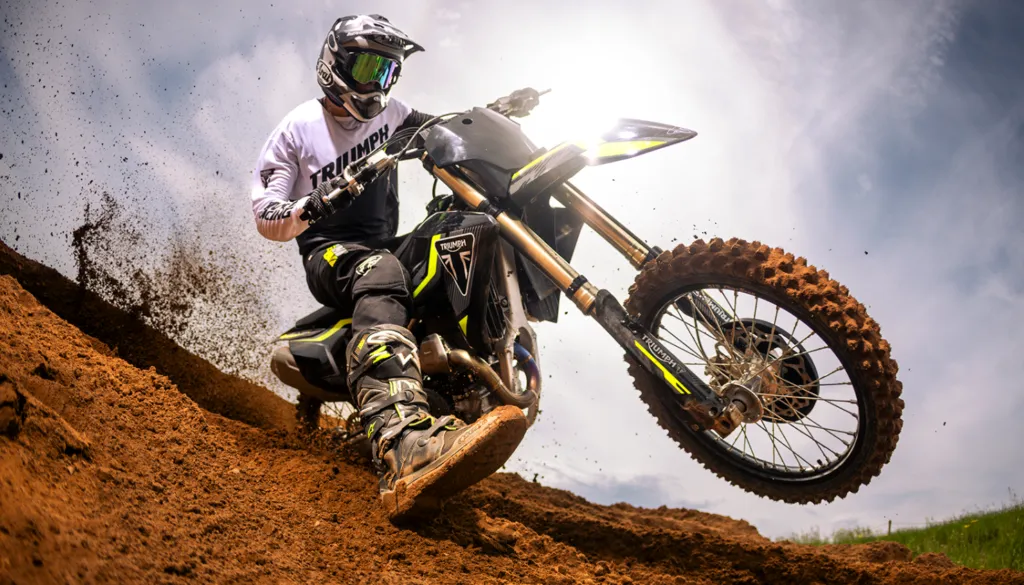
Triumph TF 250-X 2027 hadir dengan kalibrasi mesin baru, suspensi KYB, dan evolusi sasis hasil dominasi juara dunia MX2 untuk ketepatan balap maksimal.
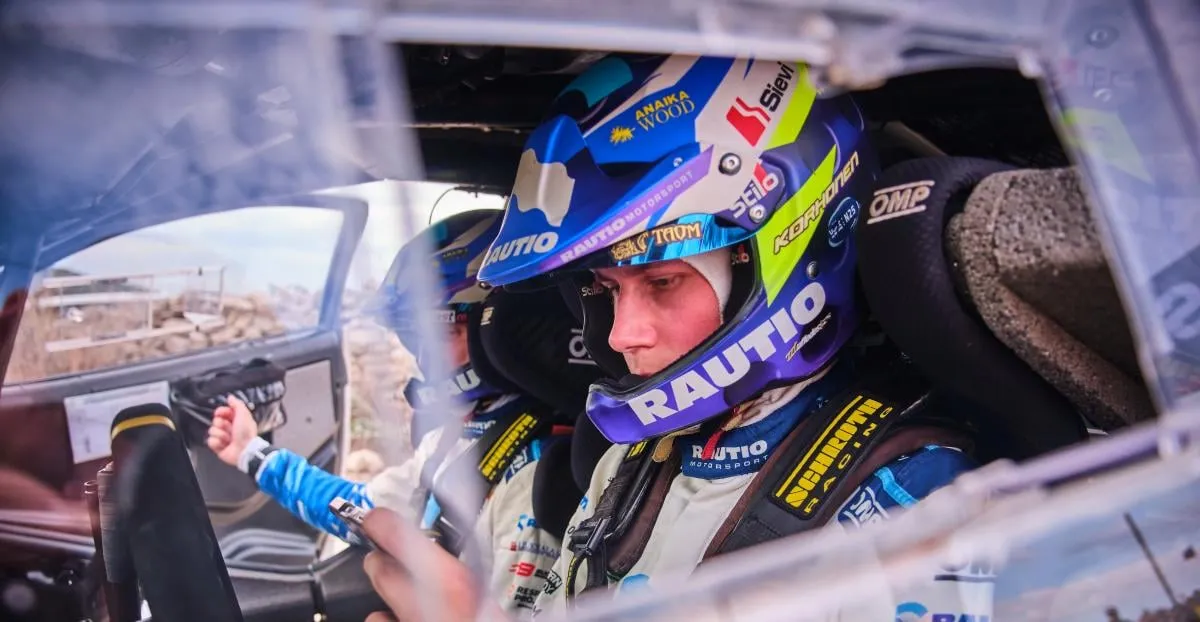
Roope Korhonen sukses mengambil alih pimpinan kelas di reli Sardinia hari Sabtu setelah atasi Gus Greensmith dan temukan ritme kecepatan.
Zero Motorcycles merayakan hari jadi ke-20 dengan meluncurkan SR/F edisi terbatas khusus Eropa yang mengombinasikan serat karbon dan torsi 190 Nm.
 Continue with Google
Discussion (0)
Join the Discussion!
Sign in easily to start commenting, replying, and interacting with other readers.
Latest Comments
No comments yet. Be the first!