








As the sport prepares for future power unit architectures designed to be simpler, lighter, and more cost-effective while utilizing sustainable fuels, technical stakeholders are heavily focused on framing complementary chassis and aerodynamic rules. These regulations aim to ensure that cars can race closely without suffering excessive performance loss when following other machines through high-speed corners.
Recent Grands Prix have provided valuable data on how power unit parameters and overtaking aids interact during wheel-to-wheel battles. Debates surrounding artificial boosts versus natural slipstream effectiveness have highlighted the ongoing challenge of crafting a balanced racing product that relies on driver skill rather than simple straightline speed differentials.
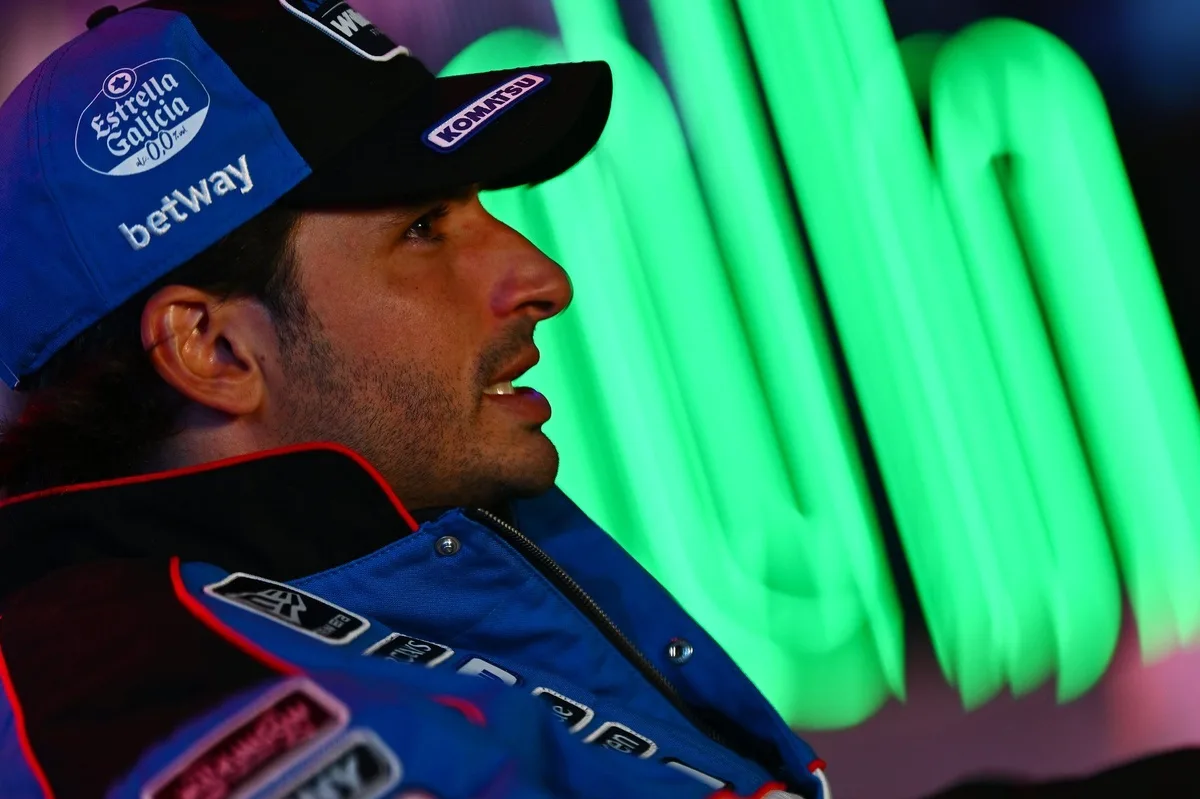
This ongoing debate prompted the experienced Williams driver to put forward a compelling concept for restructuring how overtaking devices function on circuits. Instead of providing an overwhelming speed delta at the end of a long straight, he suggests shifting the assistance phase to the exit of slow-speed corners.
Read Also
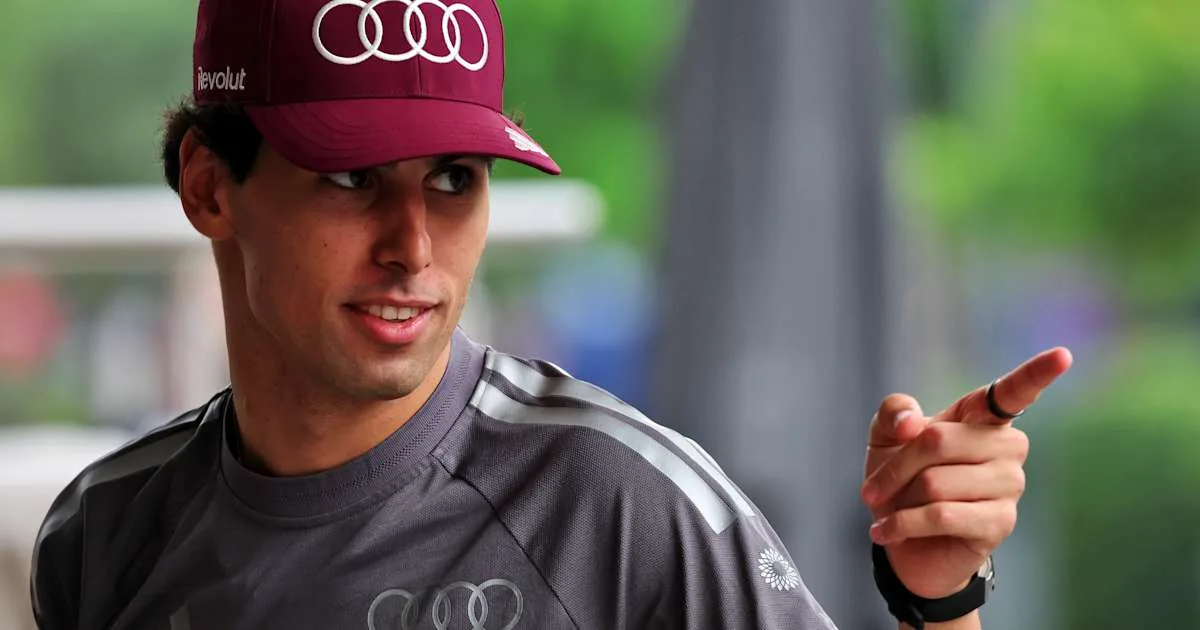
Gabriel Bortoleto Delivers Frank and Humorous Prediction on Potential Crash with Nico Hulkenberg
Gabriel Bortoleto memprediksi potensi insiden dengan Nico Hulkenberg di masa depan. Baca analisis mendalam dinamika rekan setim Audi F1 di sini.
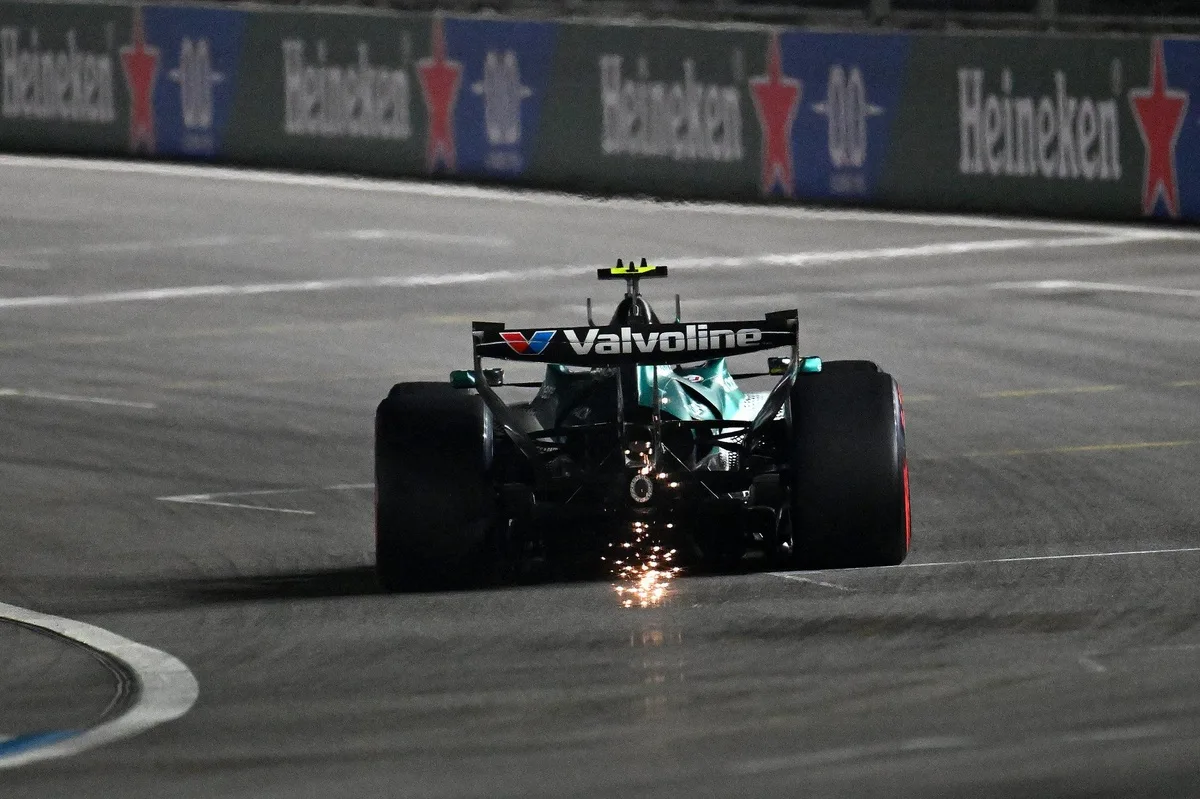
Honda Stumper: No Engine Issues Found Despite Alonso Broken Radio Call
Simak analisis lengkap mengapa Honda tak temukan masalah pada mesin Alonso di Las Vegas. Baca ulasan teknis selengkapnya di sini!
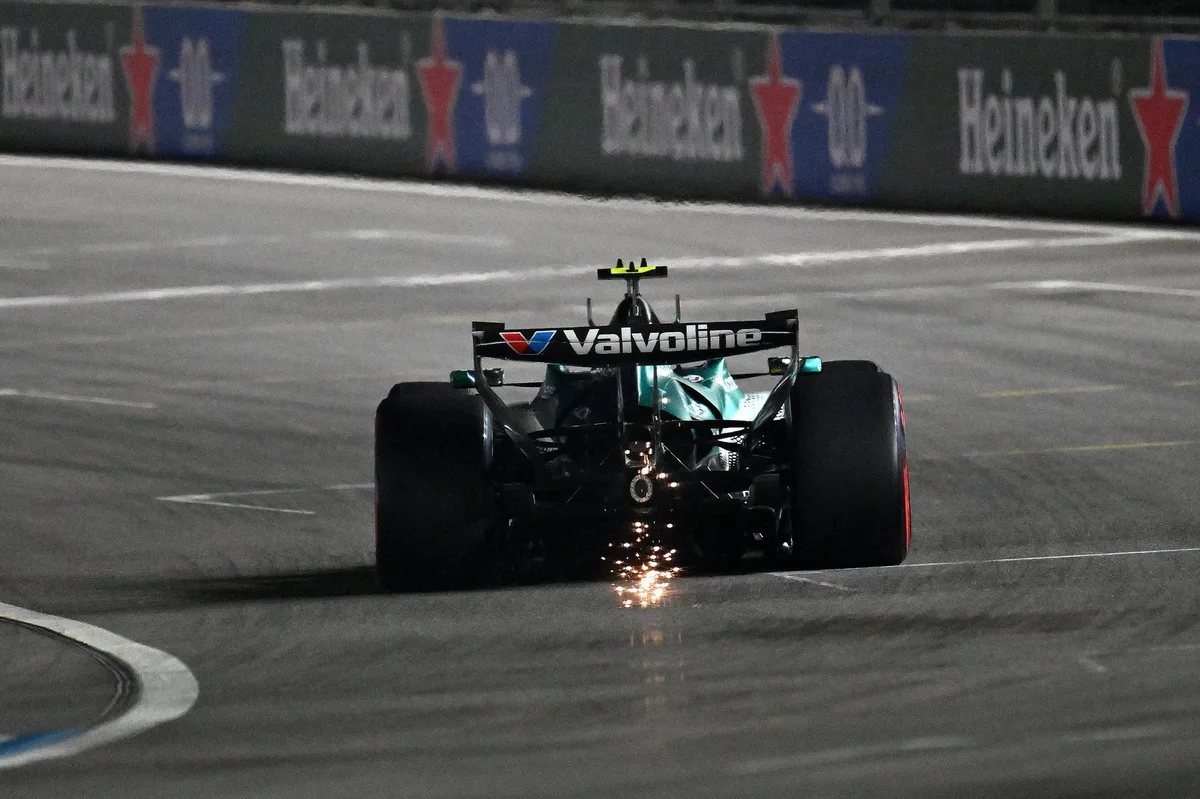
Honda Stunned After Finding No Data Trace for Alonso Broken Engine Claim
Honda tidak temukan masalah dari data mesin Fernando Alonso di Las Vegas. Simak analisis teknis mendalam dan update paddock terbaru di sini.
 Continue with Google
Discussion (0)
Join the Discussion!
Sign in easily to start commenting, replying, and interacting with other readers.
Latest Comments
No comments yet. Be the first!