







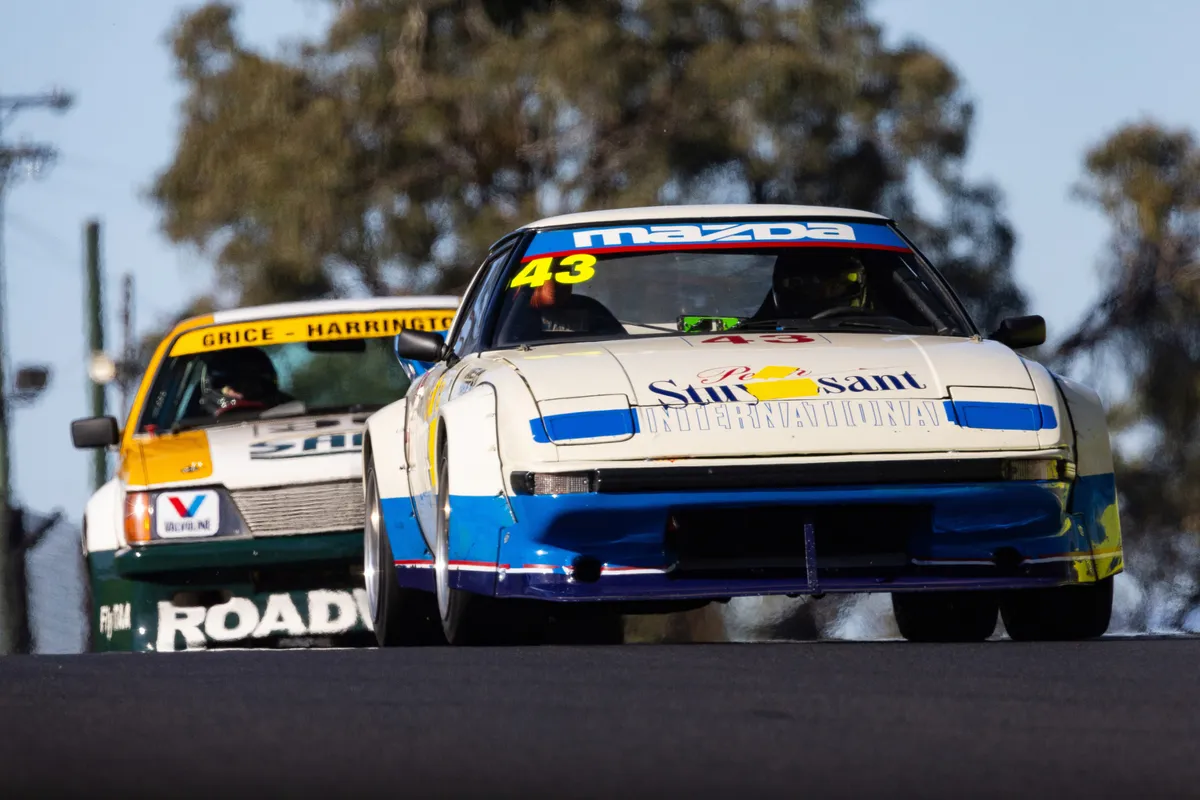

The Australian historic racing community is in uproar. Since Motorsport Australia updated its operations manual on September 8, legendary cars carrying iconic 1980s and 1990s liveries have been forced to cover their tobacco logos. This decision has sparked outrage among Heritage Touring Cars enthusiasts, who see it as an erasure of history.
David Towe, a Heritage Touring Cars competitor, has started a petition. The move has gained widespread support, including from Terry Lawlor, former president and now advisor to the category. Lawlor stressed that they don't fully blame Motorsport Australia. "Motorsport Australia are not the villains here, it's really the broadcasters," he told Speedcafe. "We want to work with Motorsport Australia to try and get the exemptions brought back in."
The rule change is seen as a knee-jerk reaction to an incident at Muscle Car Masters, where several cars were asked to cover logos after event broadcasters raised the issue. Previously, Motorsport Australia allowed cars with tobacco branding if they met certain criteria. Now, there is no leeway. "You can't just erase history. Everywhere around the world, they don't have these crazy rules that you've gotta cover up any of the original livery," Lawlor said. "I understand if it's a new build or a replica, but when they're the original cars I just can't see how you can just erase history like that."
Heritage Touring Cars has more than 100 members, some owning iconic cars bearing tobacco brands like Marlboro, Peter Jackson, John Player Special, Craven Mild, and Winfield. These cars are synonymous with Bathurst legends such as Peter Brock, Glenn Seton, Jim Richards, Allan Grice, and Mark Skaife. For the owners, these liveries are not just stickers; they are an integral part of Australian racing identity and heritage.
Current Heritage Touring Cars chair Chris Stillwell has already contacted Motorsport Australia, writing to CEO Josh Blanksby, president Andrew Fraser, and Historic Motorsport Committee chair Norman Gowers. Lawlor hopes that he, Stillwell, or competition liaison Ed Singleton can meet with Motorsport Australia next week to find a solution. "We're hoping for an orderly resolution and basically bring back the exemptions that were in place. That's our plan, for sure," he explained.
Lawlor also pointed out that the change should have aligned with the 2023 update to the Public Health (Tobacco and Other Products) Act, rather than creating stricter rules. He labeled the September 8 update a "knee-jerk reaction" that went too far. If the exemptions are not reinstated, Lawlor fears competitors will simply refuse to race. "They're really disappointed and obviously if the exemptions weren't brought back it's really going to affect historic motorsport as a whole," he said.
The impact is already being felt. Lawlor mentioned that at the next major meeting at Baskerville next month, five out of 30 cars will have to cover their tobacco liveries. This is a major blow to an event that should celebrate history. Nevertheless, Lawlor remains optimistic after receiving early advice from legal experts. He believes the category and Motorsport Australia can reach a mutually beneficial solution.
For Australian racing fans, these historic cars are living artifacts connecting the glory days of touring cars to the present generation. Covering tobacco logos is like erasing an important chapter in the history of the sport. The Heritage Touring Cars fight is not just about aesthetics; it's about honoring the legacy of the legends who made Australian motorsport known worldwide.
Read Also
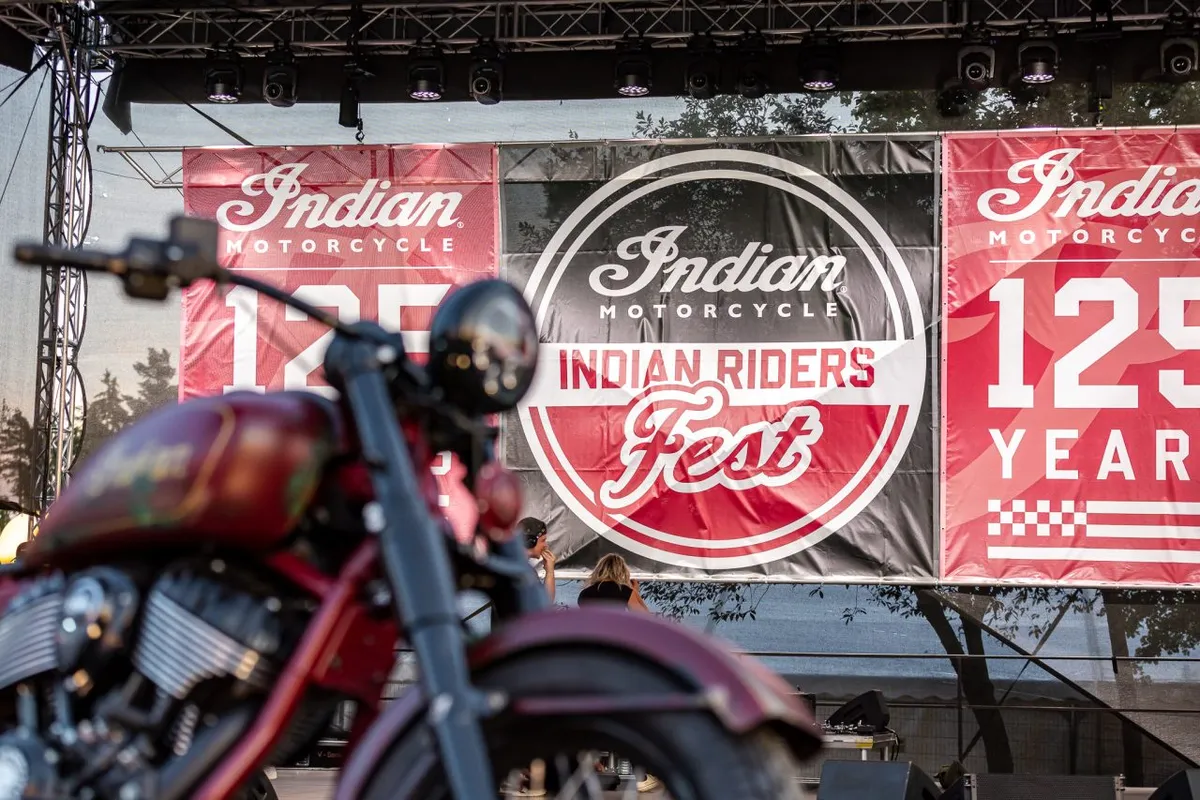
Indian Riders Fest 2027 announced for June 17-20 in Lipno, Czech Republic. New aerodrome, rally route, and the biggest Indian Motorcycle gathering.
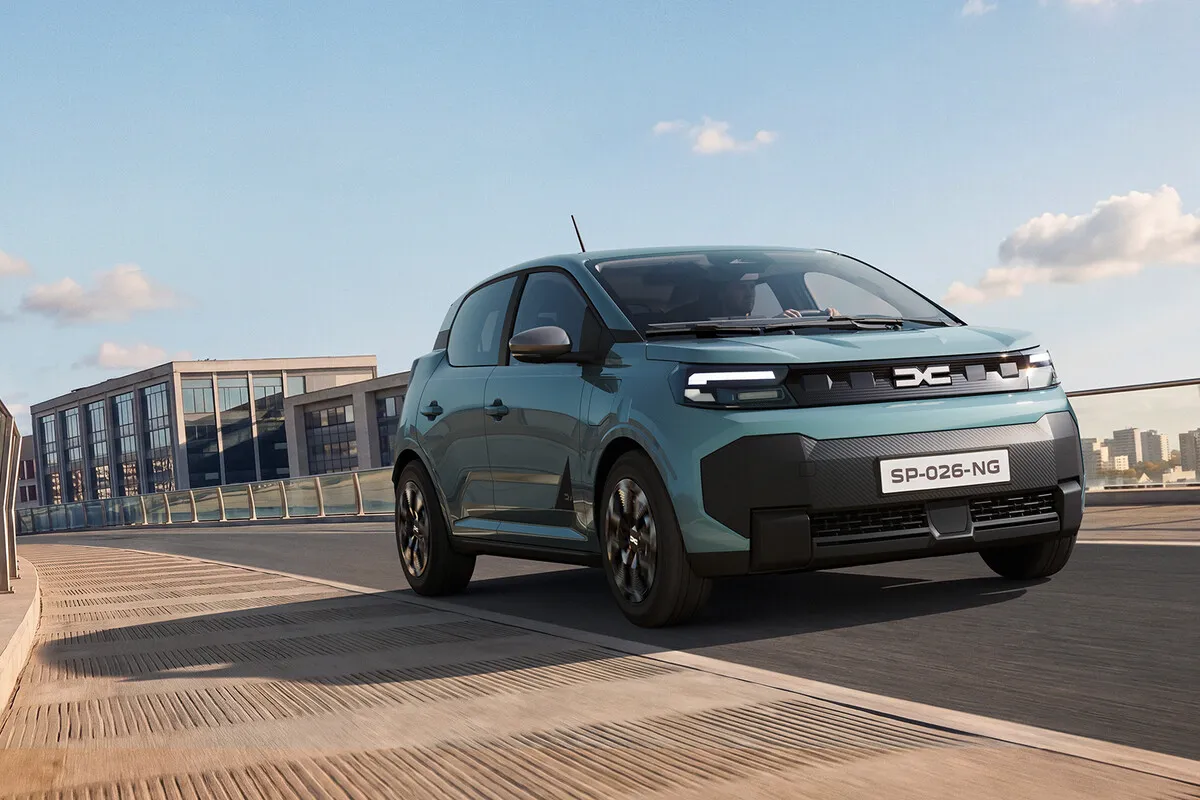
Dacia CEO Katrin Adt urges the EU to relax small car regulations, citing heavy rulebooks that raise prices and shrink Europe's automotive market.
Volvo XC60 and XC90 plug-in hybrids now offer up to 200 km of electric range, more than double previous versions. Discover the details.
 Continue with Google
Discussion (0)
Join the Discussion!
Sign in easily to start commenting, replying, and interacting with other readers.
Latest Comments
No comments yet. Be the first!