







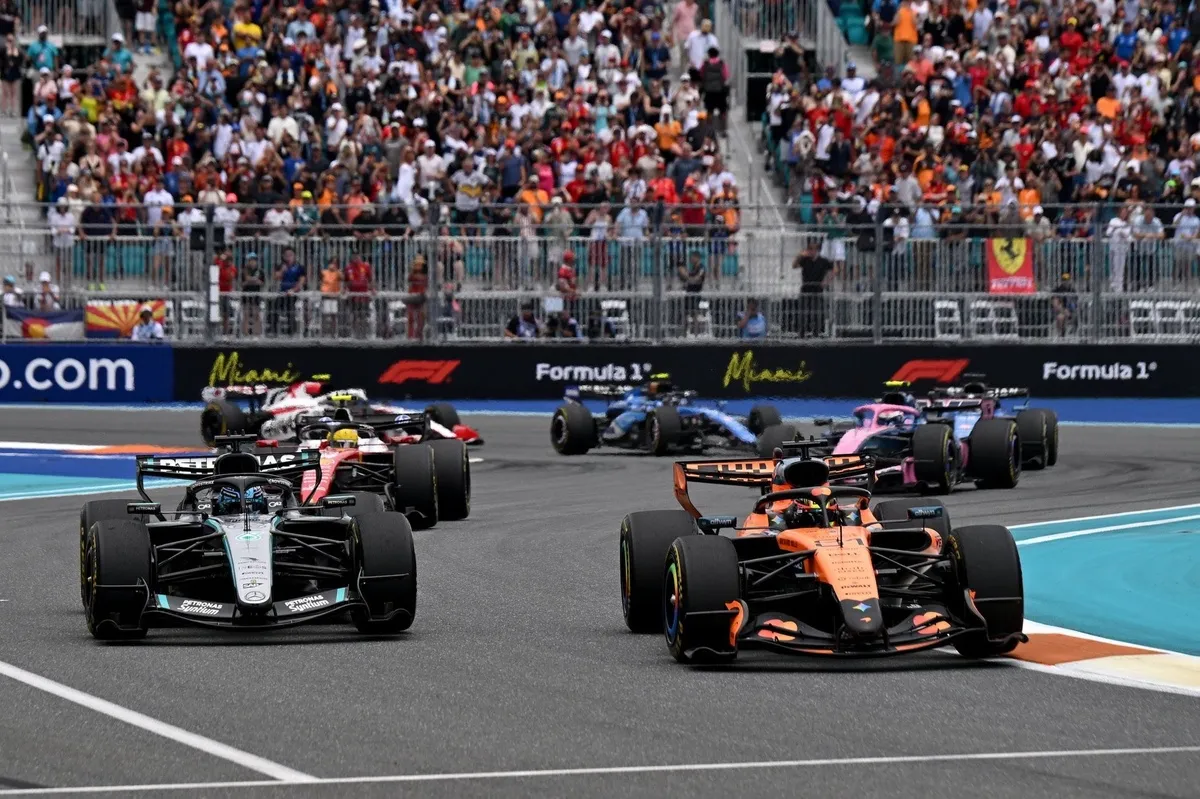

Amid mounting criticism from drivers over the heavy-handed intervention of software in car control, last year's constructors' championship-winning team insists talent still matters. Neil Houldey, McLaren's Technical Director of Engineering, believes the best drivers will continue to rise to the top despite the growing technical complexity.
Complaints have been rumbling since before the season started, intensifying at energy-starved circuits where corner-to-straight ratios and corner types hinder the new-generation cars from recharging their batteries through the lap. A regulation tweak ahead of the Miami Grand Prix reduced some of the criticised 'yo-yo racing', but speed differences caused by power unit self-learning algorithms reacting to track conditions and driving techniques still cause angst.
At Spa, Oscar Piastri described it as a "pretty crap way of going racing". However, the situation won't change soon, even though some argue for banning machine-learning tools entirely, citing F1's sporting regulations, Section B1.9.1: "The driver must drive the car alone and unaided."
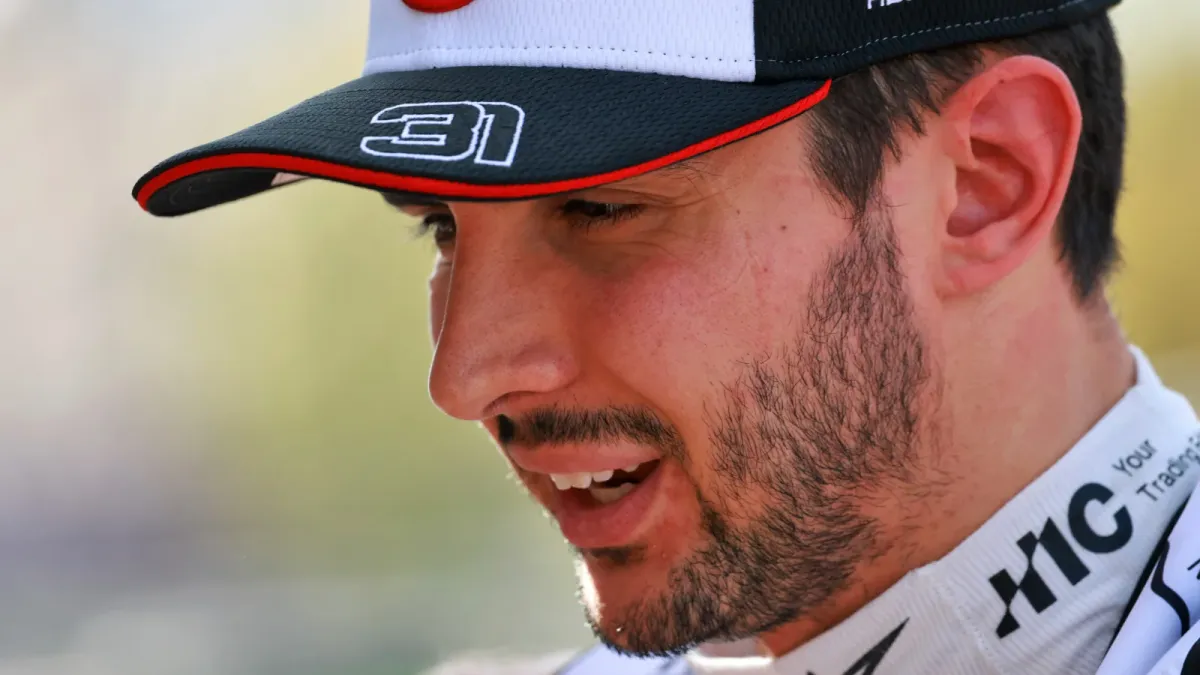
Houldey contends that the best drivers will manage these new challenges. "Actually the drivers who understand what they need to do, the ones who are switched on, the ones who are the best F1 drivers in the world are the ones who are still going to be the fastest," he told Autosport. "It's not all about top speed, it's about the thought processes going on in the background that generate that lap time."
He cited Spa as an example, where Piastri had a slightly different deployment schedule, losing a few tenths but still staying with Lando. "I think those things balance out. You still see the difference between the good drivers and the less good drivers in the overall lap time and then in the race as well," he added.
Fundamentally, the limitation of the current ruleset with its near-50:50 split of electrical deployment to internal combustion power is the amount of energy the car can store. Since the battery must be recharged throughout the lap, software intervention is required for safety and performance. The machine-learning software also helps engineers establish the "optimal lap" through harvesting and deployment combinations.
Houldey emphasises this is a more cerebral game. "It's definitely more of a thinking game," he said. "Drivers have to get their cornering speeds right, but also their energy deployment and throttle position. In the end, the best combination of car, driver, and engineering team does the best job."
Baca Juga
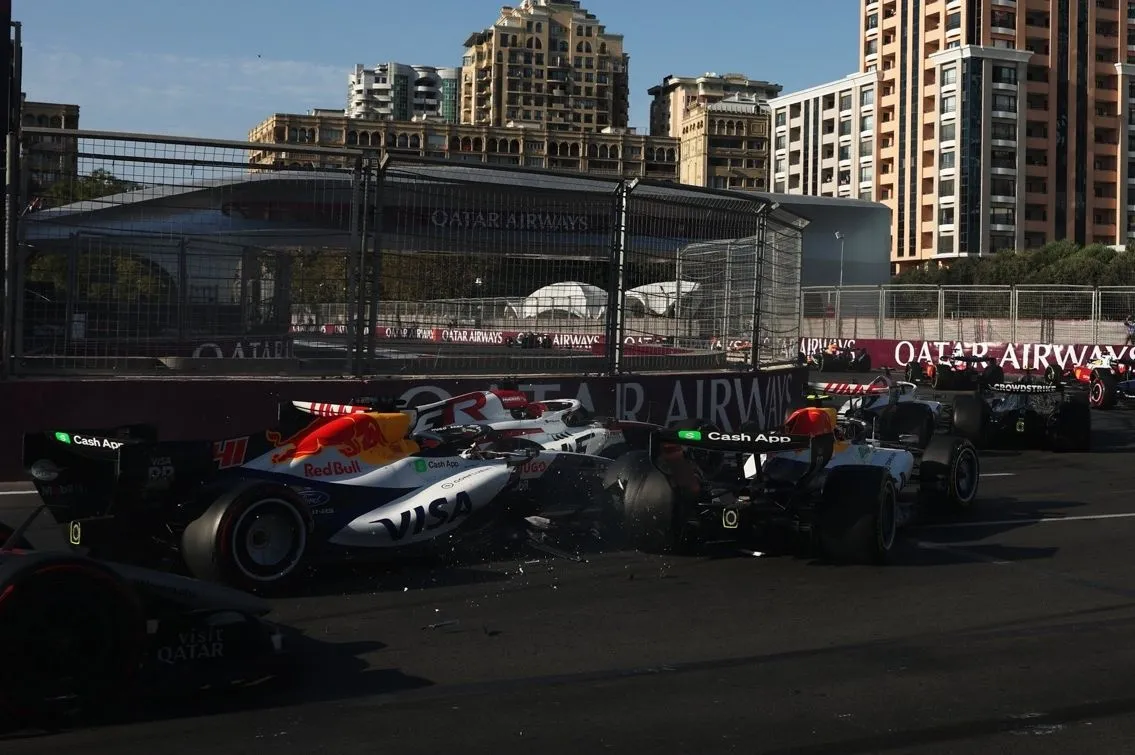
Liam Lawson kecewa steward bebaskan Arvid Lindblad dari sanksi usai insiden yang rusak lantai mobilnya di F1 GP Azerbaijan. Baca reaksi lengkapnya.
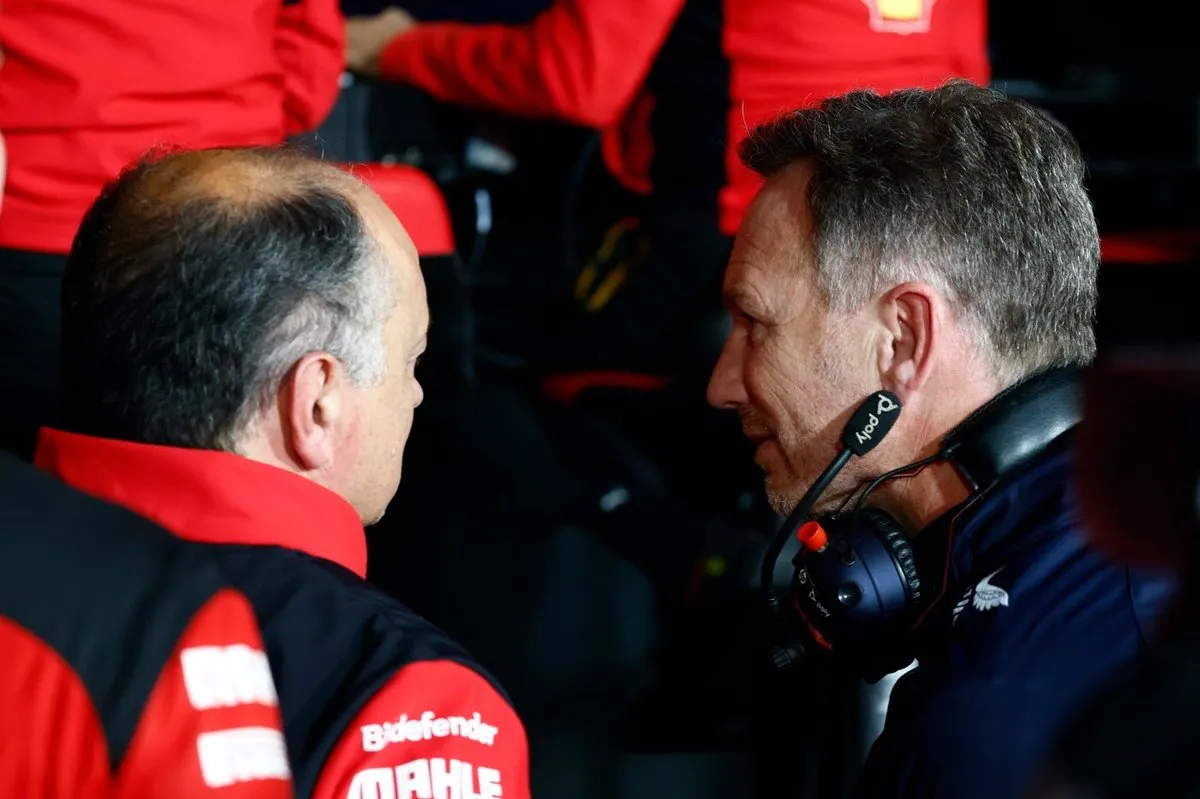
Frederic Vasseur tanggapi rumor masa depannya di Ferrari dengan sindiran tajam: 'Mr Horner sedang mencari pekerjaan'. Spekulasi memanas usai komentar Christian Horner.
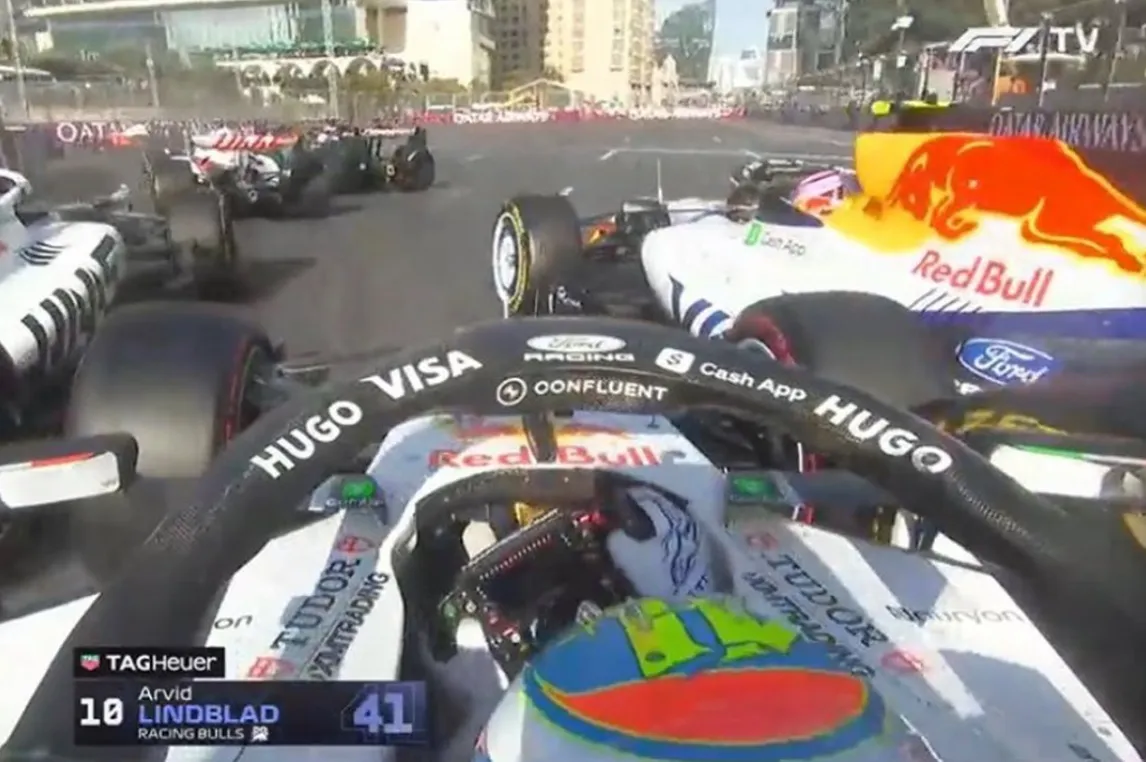
Liam Lawson kesal setelah ditabrak rekan setimnya Arvid Lindblad di F1 Baku. Insiden ini membuat Lawson gagal poin, tapi Racing Bulls tetap untung di klasemen.
 Lanjutkan dengan Google
Diskusi & Komentar (0)
Mari Bergabung dalam Diskusi!
Masuk dengan mudah untuk mulai memberikan komentar, membalas, dan berinteraksi dengan pembaca lainnya.
Komentar Terbaru
Belum ada komentar. Jadilah yang pertama!