







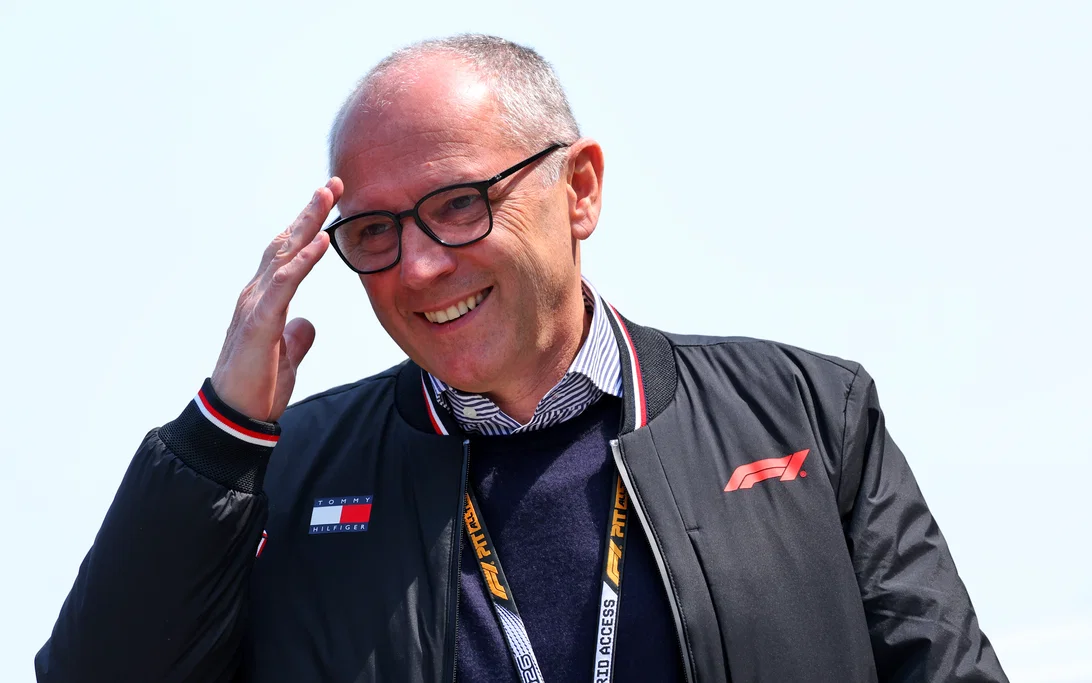

Stefano Domenicali has voiced strong support for a future return of V8 engines to Formula 1, as criticism surrounding the direction of the 2026 power unit regulations continues to intensify. The F1 CEO believes a combination of V8 engines, sustainable fuels, and lighter cars could restore the category’s traditional racing identity.
The proposal was initially raised by FIA president Mohammed Ben Sulayem, who recently stated he would like to see V8 engines reintroduced during the next regulatory cycle following the arrival of the new-generation hybrid rules in 2026. The concept would retain sustainable fuel technology while simplifying engine architecture and reducing production costs compared to the current turbo hybrid systems.
Domenicali confirmed he fully supports the direction suggested by the FIA president, insisting Formula 1 must preserve the emotional and technical characteristics that have historically defined grand prix racing.
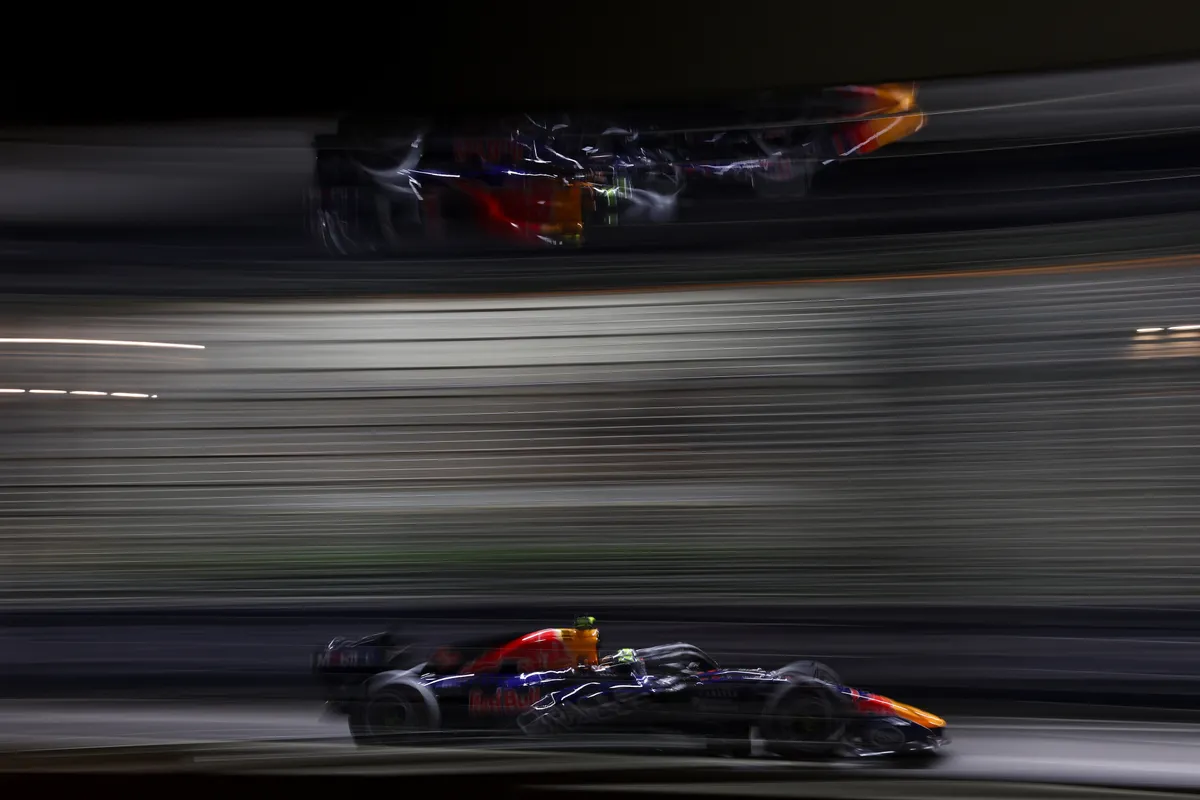
“1,000%, I've always said so,” Domenicali told L’Equipe.
“I fully support the vision of the FIA president. With sustainable fuel, lighter cars, and V8 engines, we rediscover the pure essence of motorsport. That's what I've always loved.”
V8 engines were last used in Formula 1 during the 2013 season before the championship introduced turbo hybrid V6 power units in 2014. Since then, power unit systems have become significantly more complex, particularly in energy recovery and electrical deployment. The 2026 regulations will further increase the role of battery power, a direction that has already generated concern among several drivers and team principals.
Multiple drivers have questioned whether the 2026 package could create overly artificial racing scenarios due to aggressive energy management requirements rather than pure wheel-to-wheel competition. Simulations have indicated some cars may experience major power reduction on long straights when battery deployment is exhausted, particularly at high-speed circuits.
Despite the criticism, Domenicali defended the necessity of the 2026 regulations, arguing the changes were essential to maintain manufacturer involvement in Formula 1 during the automotive industry’s transition toward electrification and sustainability.
“Some people — and I would add very few people — are complaining about the rules,” Domenicali said.
“I'm simply stating a fact. We mustn't forget that these changes were necessary; otherwise, the manufacturers would no longer have supplied engines to the teams. That was their wish. And since we didn't want to go fully electric, a compromise was found to attract new manufacturers.”
The 2026 regulations have already played a major role in attracting new manufacturers to Formula 1, including Audi and expanded factory-backed powertrain projects from several global brands. However, the renewed V8 discussion highlights Formula 1’s ongoing challenge of balancing modern automotive relevance with the traditional racing characteristics still valued by drivers, teams, and fans ahead of the 2026 rules introduction.
Baca Juga
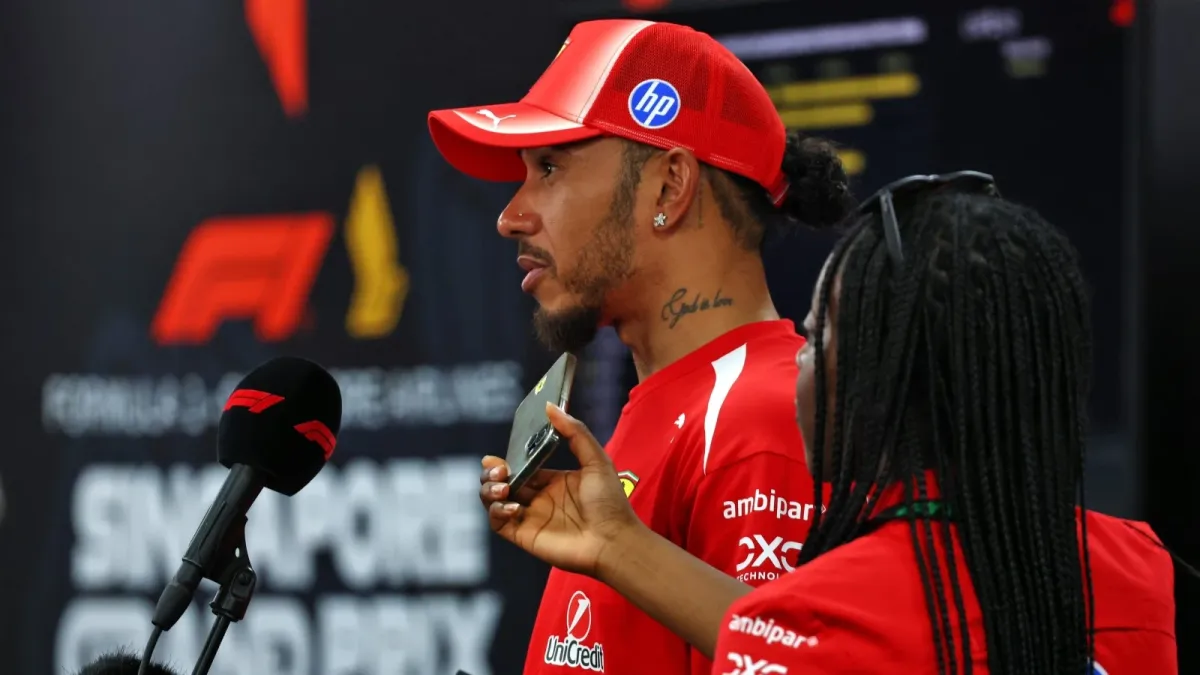
Lewis Hamilton akui blunder strategi di kualifikasi Sprint GP Singapura setelah gagal menjinakkan ban lunak dan harus puas start dari posisi keenam.
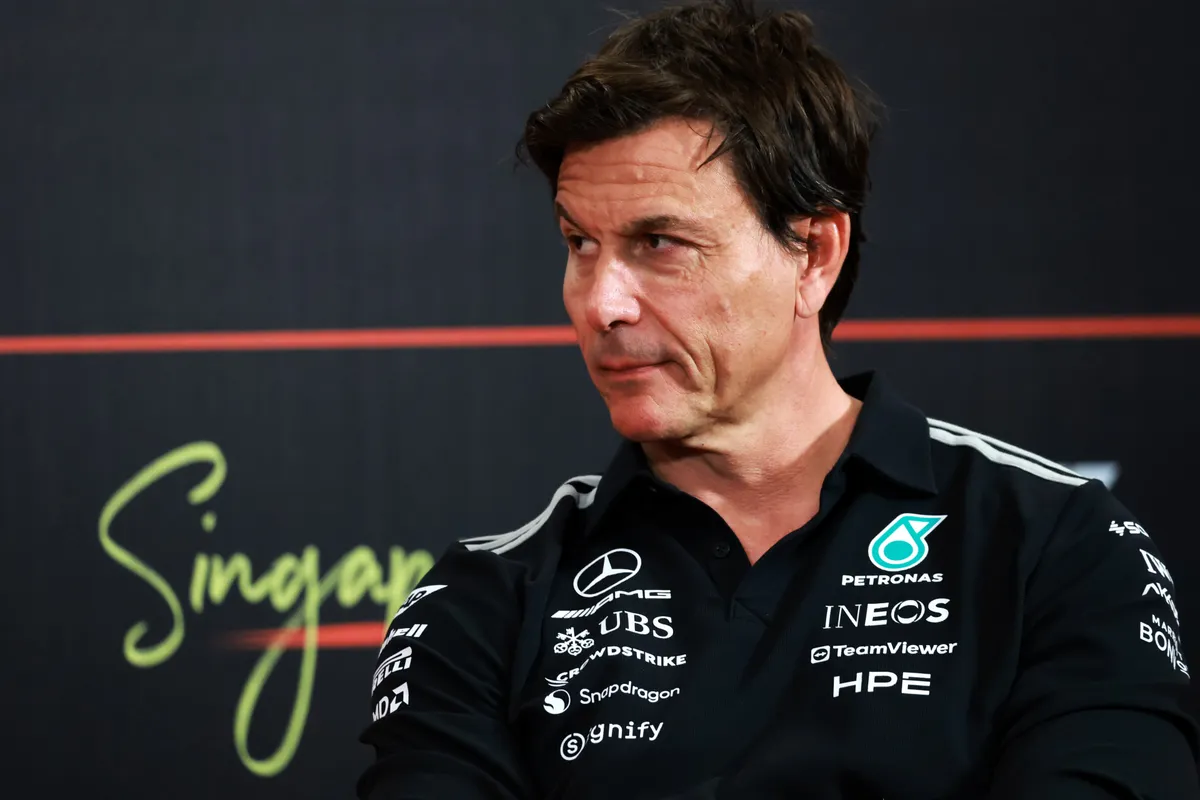
Toto Wolff sebut kritikus favoritisme Mercedes bodoh dan sarankan tonton Teletubbies di tengah isu perlakuan beda pada George Russell.

Racing Bulls segera tentukan susunan pembalap F1 2027 dalam beberapa minggu ke depan di tengah persaingan ketat tiga kandidat.
 Lanjutkan dengan Google
Diskusi & Komentar (0)
Mari Bergabung dalam Diskusi!
Masuk dengan mudah untuk mulai memberikan komentar, membalas, dan berinteraksi dengan pembaca lainnya.
Komentar Terbaru
Belum ada komentar. Jadilah yang pertama!