







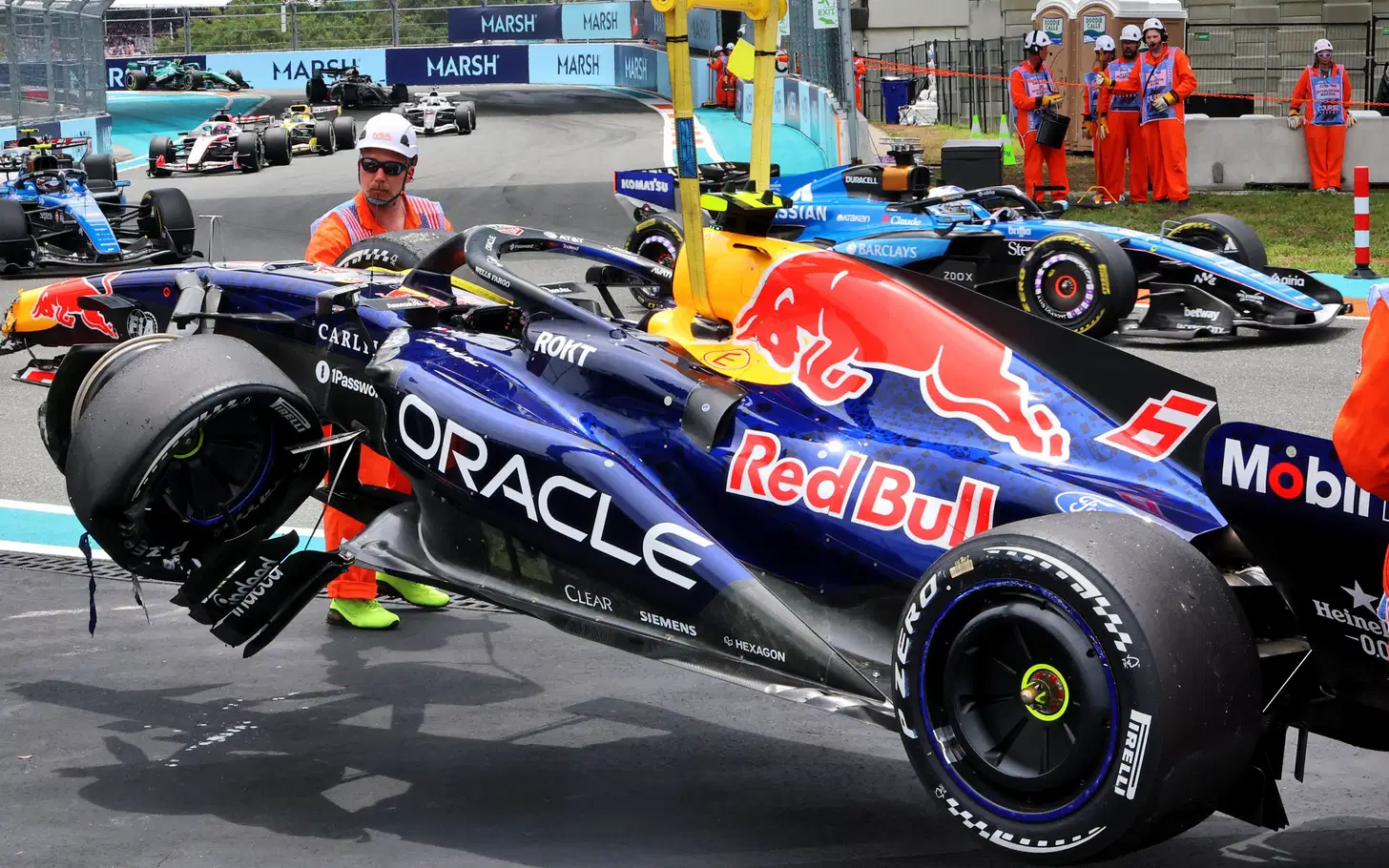

Isack Hadjar is beginning to face serious pressure during the 2026 Formula 1 season after his Miami Grand Prix crash triggered concerns about a potential long-term decline in performance within the Red Bull Racing environment.
Former Formula 1 driver Karun Chandhok believes the Miami incident could mark the beginning of a negative “spiral” similar to the struggles experienced by several previous team-mates of Max Verstappen.
Hadjar endured a difficult weekend from the opening sessions at the Miami International Autodrome. Both Sprint qualifying and grand prix qualifying saw the French driver fall significantly behind Verstappen, in contrast to the competitive pace he had shown during several of the opening rounds.
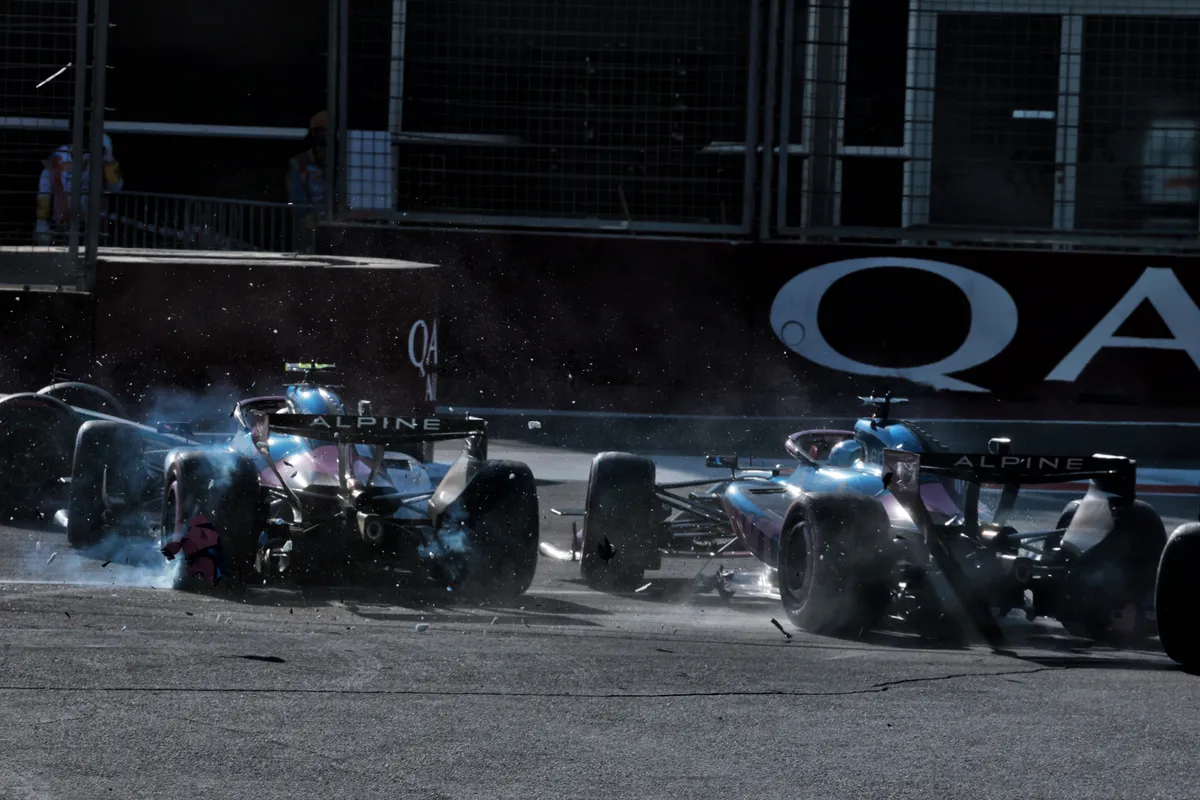
According to Chandhok, Red Bull’s latest upgrade package may actually have widened the performance gap once again between Verstappen and his team-mate.
“As soon as the car performance improved and started chasing pole positions again, the eight-to-nine-tenths gap returned,” Chandhok explained.
From a technical perspective, the RB22’s increased performance is believed to have made the car’s operating window even more extreme and sensitive to driving style. Over recent seasons, that characteristic has consistently suited Verstappen’s aggressive approach while proving far more difficult for other drivers to adapt to.
The issue became especially visible in Miami, where Hadjar struggled with braking consistency and rapid direction changes throughout the weekend. The pressure intensified as Red Bull moved back toward the front of the field against rivals such as Mercedes and McLaren.
Hadjar’s difficult weekend peaked on lap six of the grand prix when he clipped the inside wall at Turn 15. The impact damaged the steering column before the car crashed heavily into the outside barrier, forcing his retirement from the race.
“He actually needed mileage to rebuild his confidence,” Chandhok added.
Chandhok fears the incident could trigger a deeper mental and performance decline if Hadjar is unable to quickly rediscover his rhythm. In recent years, several Verstappen team-mates have struggled to survive the intense internal pressure created by Red Bull’s highly competitive environment.
Beyond the technical difficulties of the car itself, the psychological challenge remains significant given Verstappen’s continued ability to maximise the RB22 under identical conditions. Historically, that direct comparison has often become the critical breaking point for Red Bull’s second drivers.
Nevertheless, the 2026 season is still in its early stages and Hadjar remains highly rated after showing strong pace during the opening rounds. Red Bull is also expected to continue supporting its young driver as he adapts to the characteristics of the latest upgrades.
With Red Bull’s competitive expectations rising again and the gap to Verstappen beginning to expand once more, the next phase of races may now prove decisive in determining whether Hadjar can recover or whether he is beginning to enter the same difficult cycle experienced by several previous second drivers at the Milton Keynes-based team.
Baca Juga
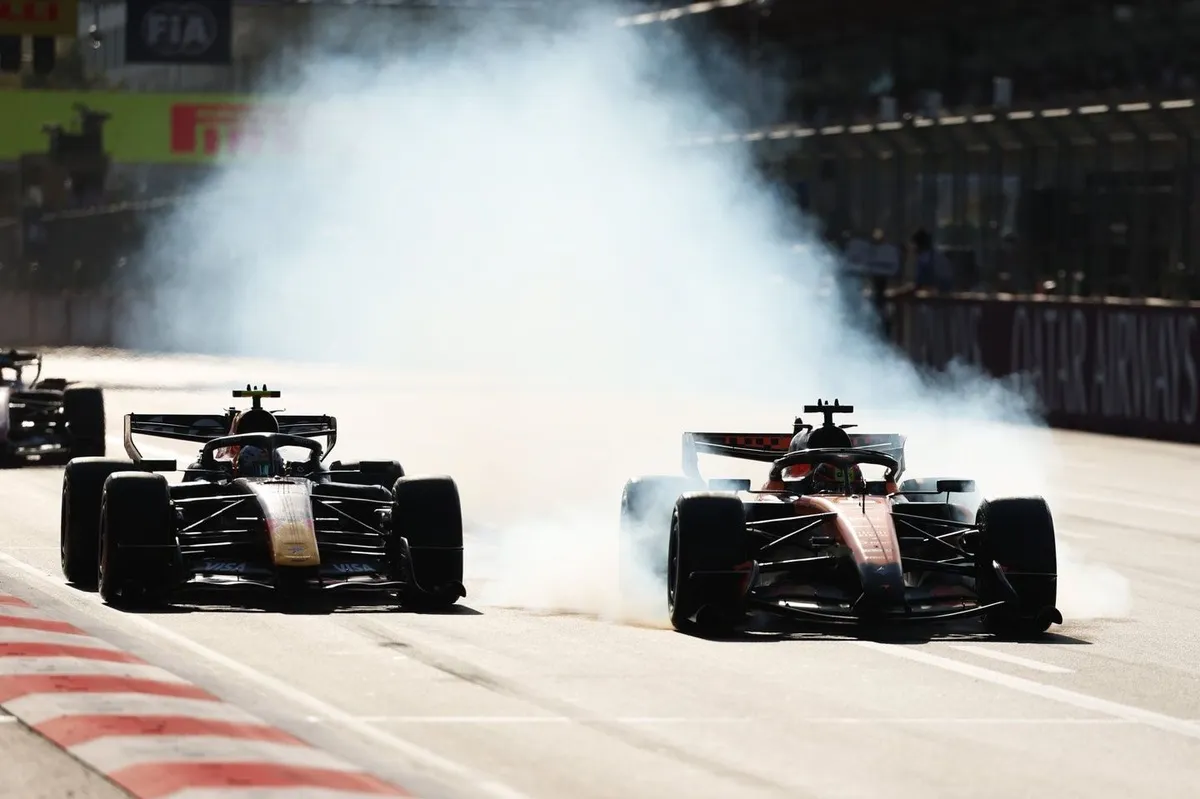
Oscar Piastri menyebut kesalahan rem di GP Azerbaijan 2026 sebagai hal 'aneh' setelah kehilangan podium. Simak analisis dan komentarnya.
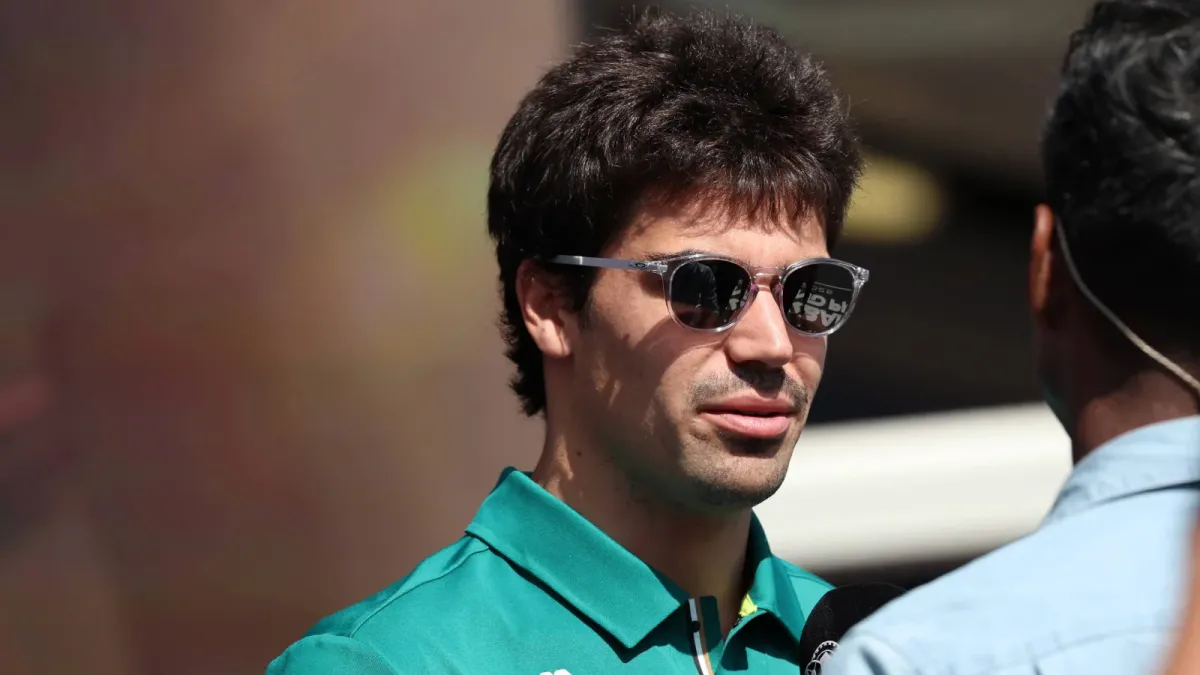
Lance Stroll terlibat adu mulut dengan marshal usai gagal finis di F1 Azerbaijan GP. Simak kronologi dan dampaknya bagi Aston Martin.

Ferrari gagal podium lima kali beruntun setelah GP Azerbaijan 2026. Christian Horner dikabarkan menunggu panggilan Maranello. Simak analisis lengkapnya.
 Lanjutkan dengan Google
Diskusi & Komentar (0)
Mari Bergabung dalam Diskusi!
Masuk dengan mudah untuk mulai memberikan komentar, membalas, dan berinteraksi dengan pembaca lainnya.
Komentar Terbaru
Belum ada komentar. Jadilah yang pertama!