








The dual-leadership structure within Red Bull Racing, long praised as a ruthless yet highly effective system, has come under intense scrutiny as the primary reason behind a series of major scouting misses. The former team principal has opened up about how internal corporate dynamics prevented the Milton Keynes squad from securing the services of several future championship contenders.
Speaking candidly on the High Performance podcast, the veteran boss distanced himself from the organization's inability to lock down generational talents like Lando Norris, George Russell, and Oscar Piastri during their formative junior categories years.
The revelations highlighted a surprising lack of jurisdiction within the top management tier, exposing a fractured pipeline where the team boss had virtually no executive power over the junior roster development program despite managing the senior operation on race weekends.
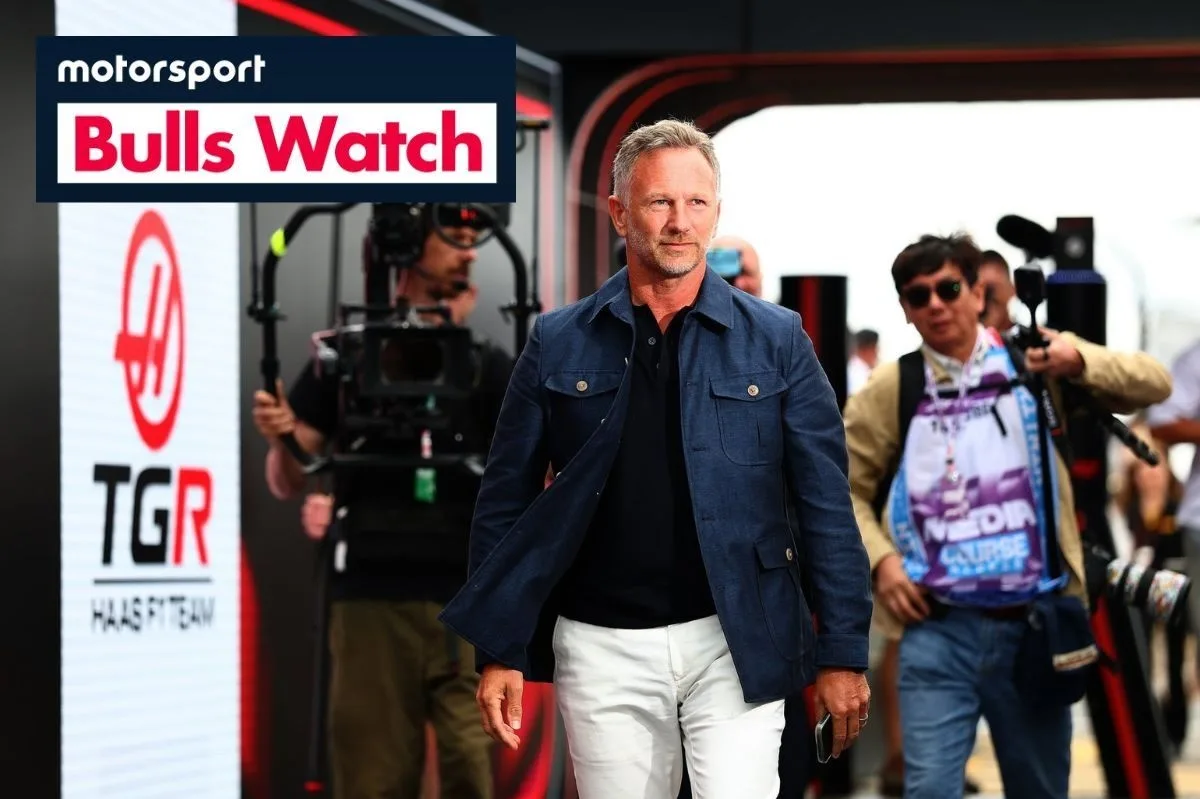
Remarkably, the fathers of these young talents were actively paying out of pocket to utilize the factory professional simulator facilities. Telemetry data quickly alerted simulator engineers that these independent simulator customers were displaying raw pace vastly superior to the heavily funded junior drivers officially contracted to the program at the time.
Despite holding the ultimate leadership title, the team principal was forced into the awkward position of an internal messenger, bringing compelling telemetry reports to motorsport advisor Helmut Marko, who held absolute veto power over all junior driver contracts and pipeline decisions.
Because the scouting hierarchy repeatedly rejected these outside recommendations, rival constructors stepped in to sign the prodigious teenagers, ultimately transforming them into the elite race winners that now dominate the modern Formula 1 grid.
Baca Juga
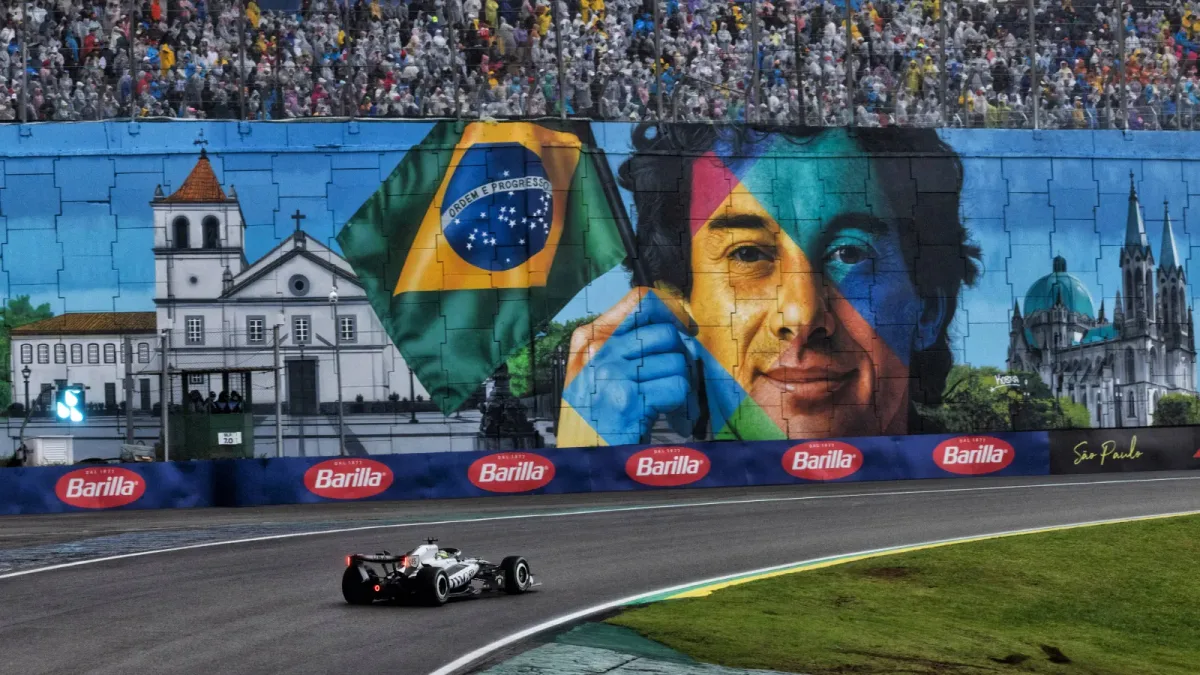
Eks bos Liberty Media sebut F1 berpeluang dijual swasta setelah raup valuasi fantastis. Simak analisis bisnis mendalam di sini.
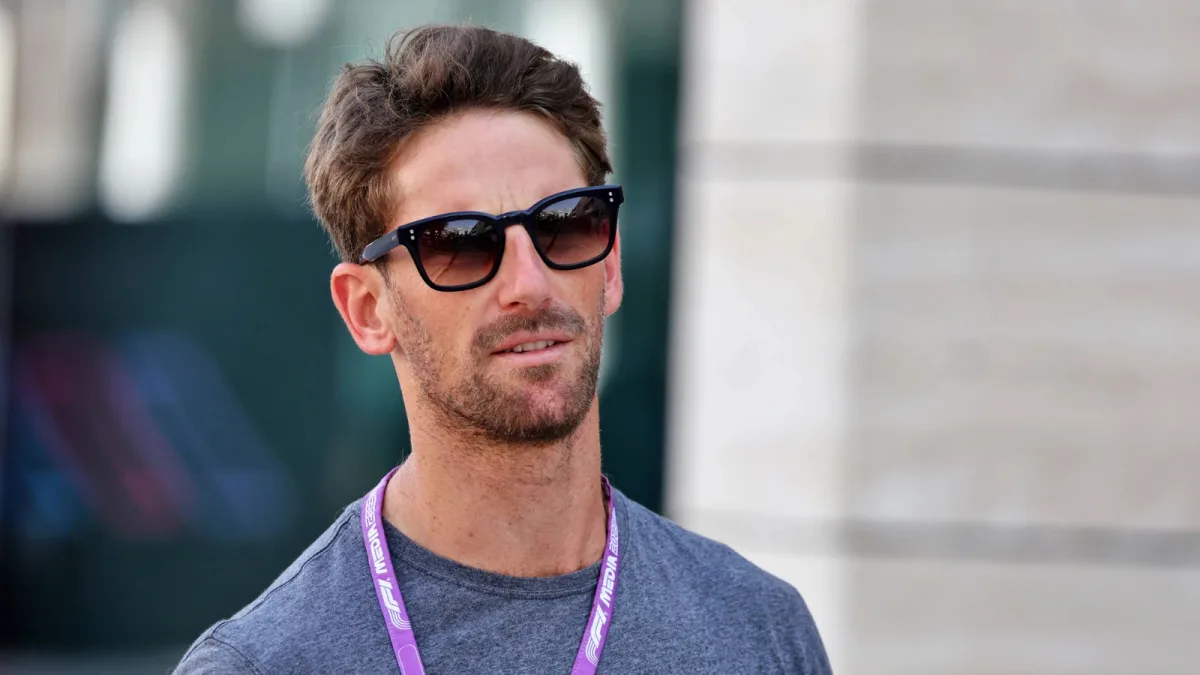
Romain Grosjean akhiri karier di balap kursi tunggal dan beralih ke endurance racing. Simak analisis lengkap dan alasan kepindahannya di sini!
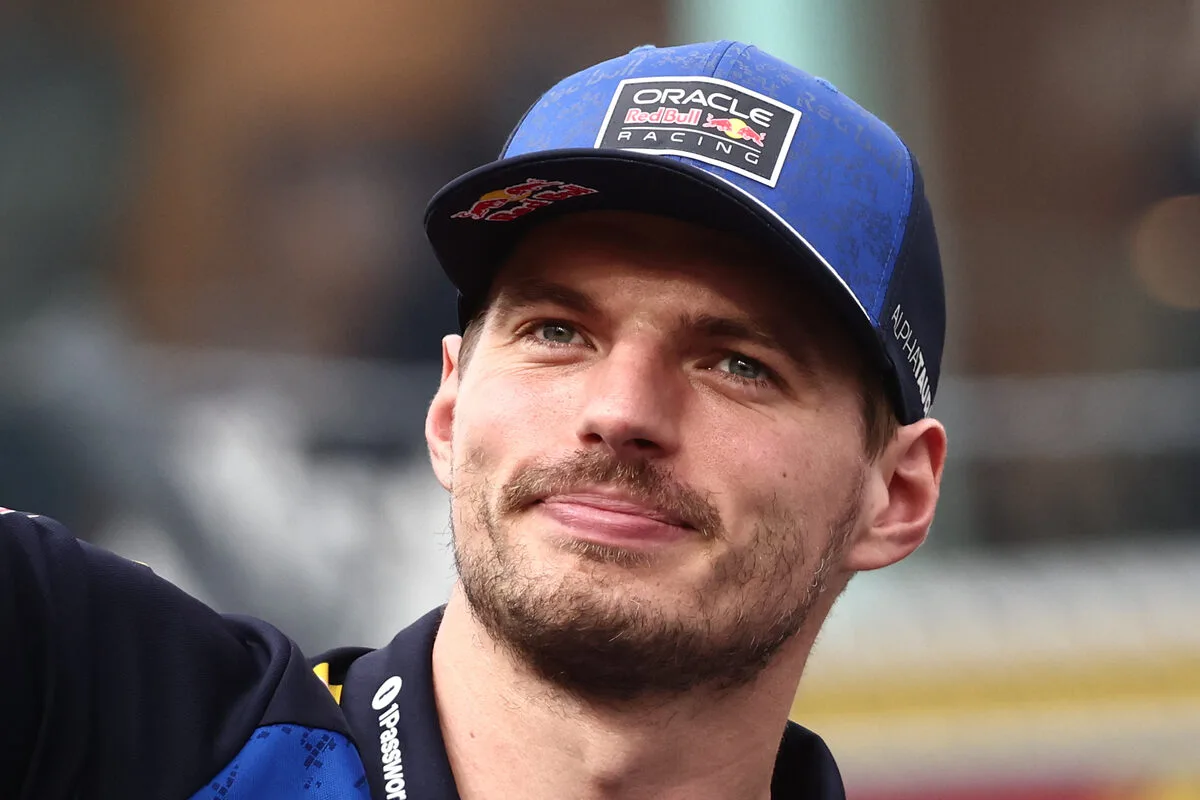
Max Verstappen akui lebih gugup menonton balapan GT dibanding saat membalap di F1. Simak analisis mendalam tentang pandangan jujur sang juara dunia di sini.
 Lanjutkan dengan Google
Diskusi & Komentar (0)
Mari Bergabung dalam Diskusi!
Masuk dengan mudah untuk mulai memberikan komentar, membalas, dan berinteraksi dengan pembaca lainnya.
Komentar Terbaru
Belum ada komentar. Jadilah yang pertama!