







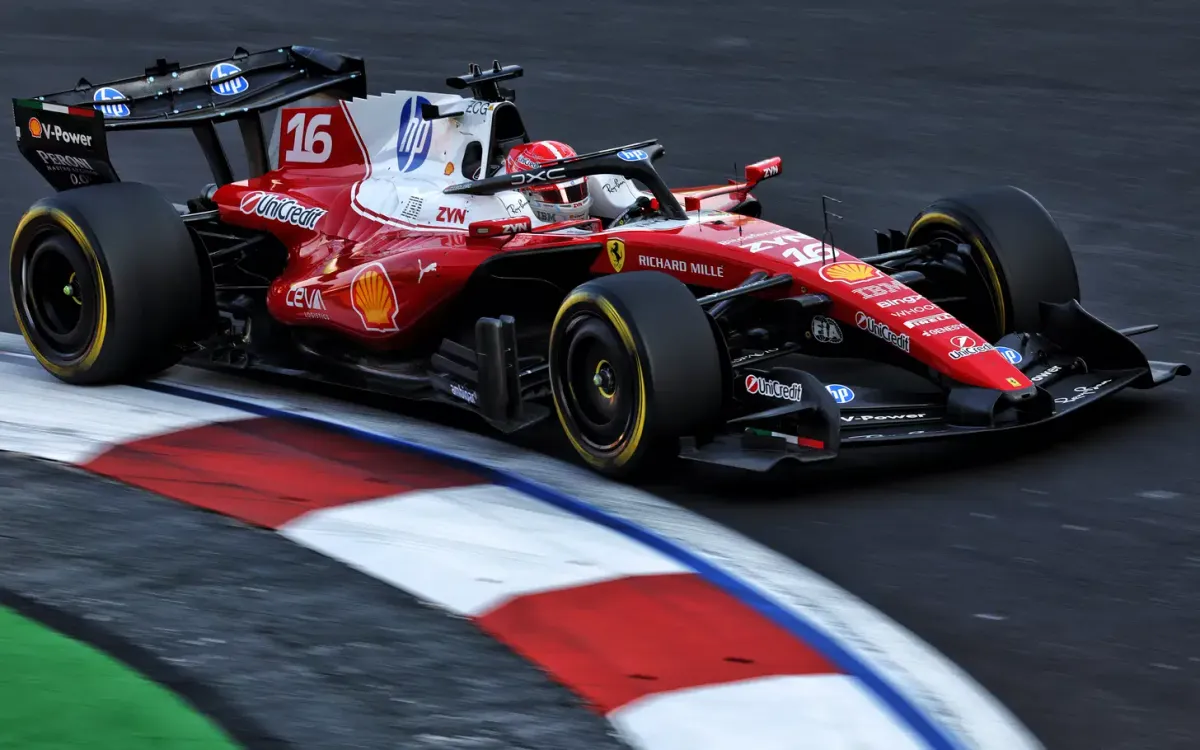

The Formula 1 weekend in Mexico City began on an exceptionally strong note for Ferrari, with Charles Leclerc comfortably topping both opening practice sessions at the Autodromo Hermanos Rodriguez. The apparent ease with which the SF-26 handled the top positions came as a surprise to many, though observers were quick to point out that power units across the pit lane were operated quite conservatively throughout Friday's running. This cautious approach was primarily driven by the teams' necessity to assess heat exchange levels and the immense stress placed on components like the turbocharger in the high-altitude environment.
According to paddock sources, a significant detail for this weekend involves how power unit operation differs substantially due to lower air density effects. Ferrari successfully established specific operating modes that optimize both internal combustion and electrical management parameters. Furthermore, this advanced level of calibration only became achievable following the introduction of the ADUO 2 specification back in September. The primary benefit of this latest upgrade does not manifest as raw peak power, but rather as enhanced engine consistency that seamlessly supports complex energy recovery and deployment strategies.
This technical evolution has reportedly allowed the SF-26 to remain competitive across circuits with vastly divergent layouts, even those traditionally challenging for the Maranello power unit. However, ahead of the decisive qualifying and Grand Prix sessions, team engineers emphasize the need to treat early pace with caution. Power unit modes are expected to scale up significantly in aggressiveness for a single flying lap, which could potentially expose hidden deficits within the Italian power unit architecture.
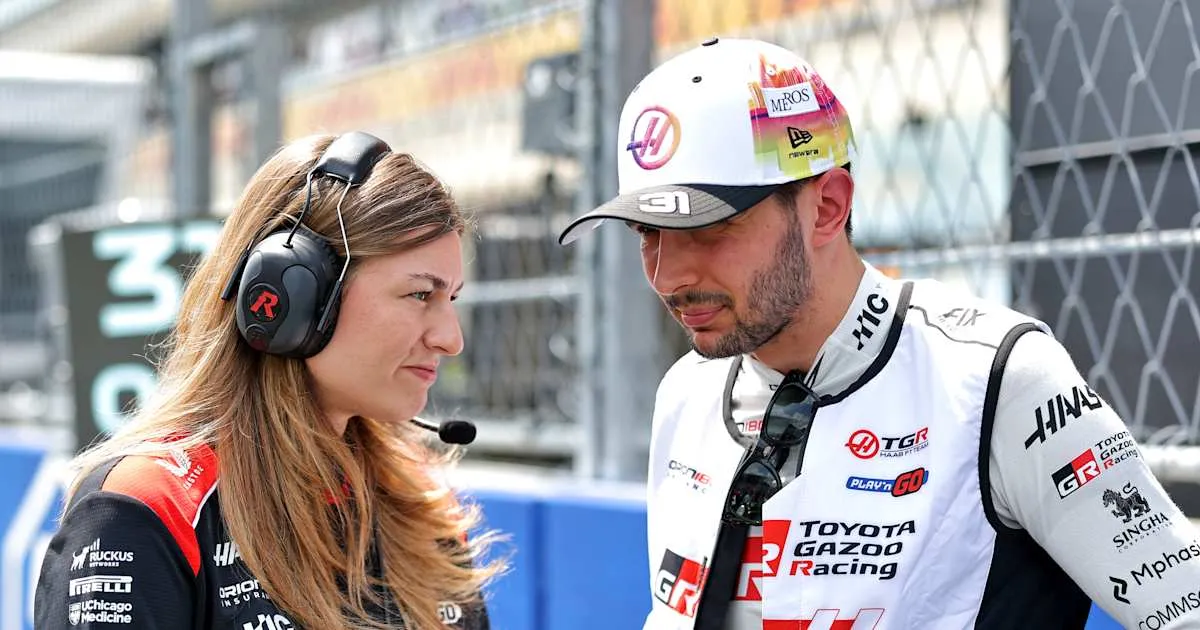
Despite these lingering variables, both long-run race simulations and qualifying simulations provided a highly useful baseline for evaluating overall vehicle dynamics and tyre preservation. The SF-26 demonstrated a well-balanced operational approach paired with a soft dynamic setup prioritizing mechanical grip and traction. This configuration has successfully mitigated thermal degradation—a notoriously difficult hurdle given the low aerodynamic downforce characteristics of the venue.
Ultimately, while Friday's timesheets demand a measured outlook, the overall picture confirms that the car and its upgraded power unit reside firmly within their ideal performance window. For an extreme operational environment like Mexico City, Lewis Hamilton and his teammate's squad have established a robust foundation heading into the most critical part of the weekend.
Baca Juga
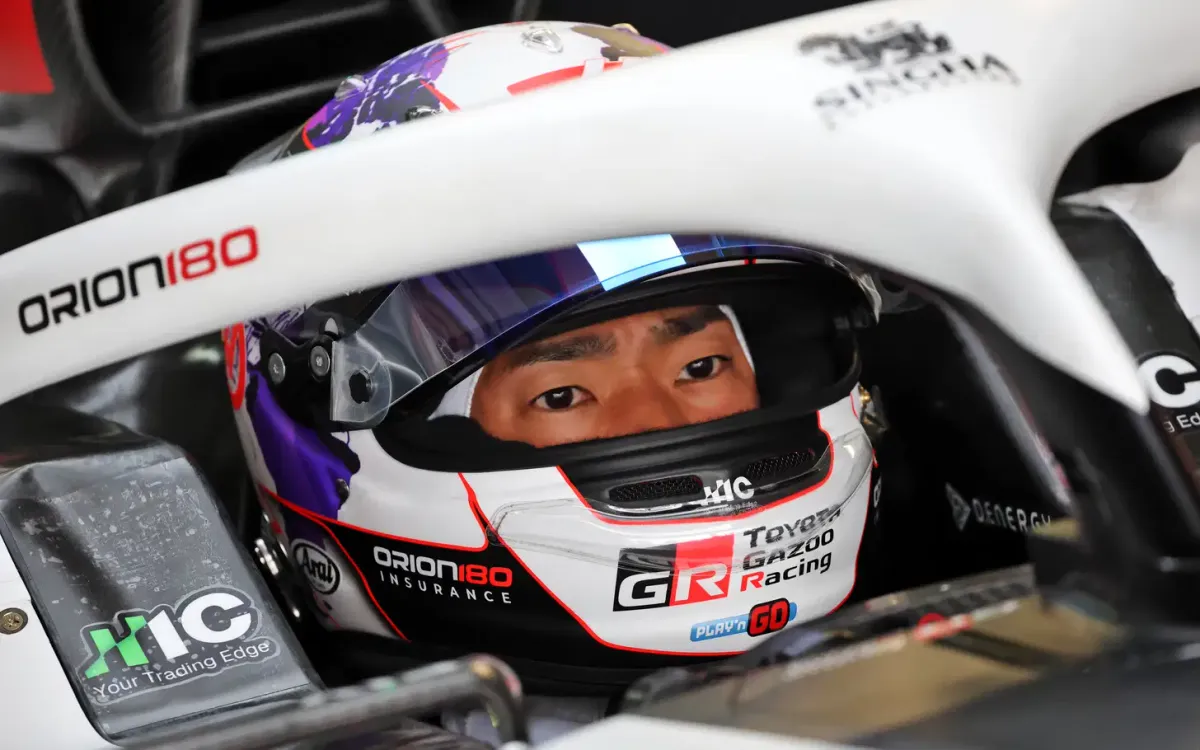
Simak analisis lengkap mengenai debut F1 Ryo Hirakawa yang menggantikan Esteban Ocon di Haas untuk sisa GP Meksiko. Baca ulasan mendalam di sini.
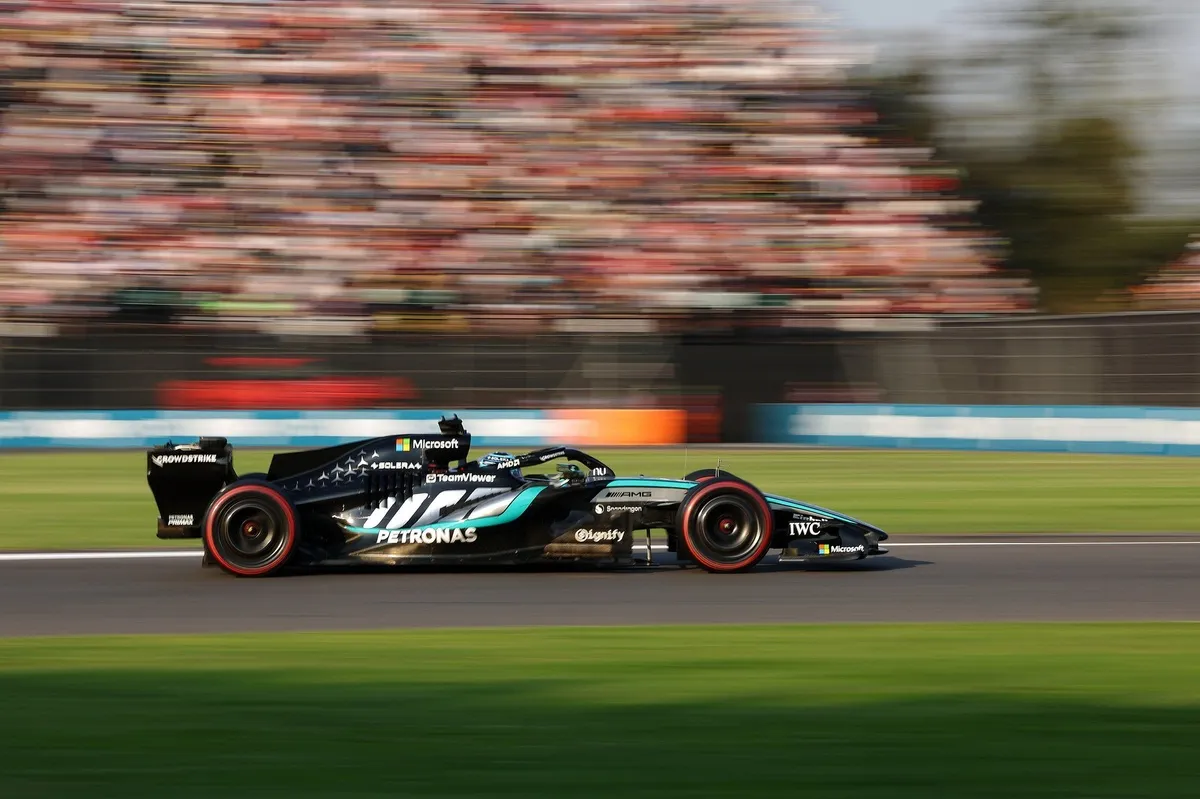
George Russell akui mobil Mercedes masih kesulitan menemukan setup optimal di GP Meksiko. Baca analisis mendalam dan update lengkap di sini.
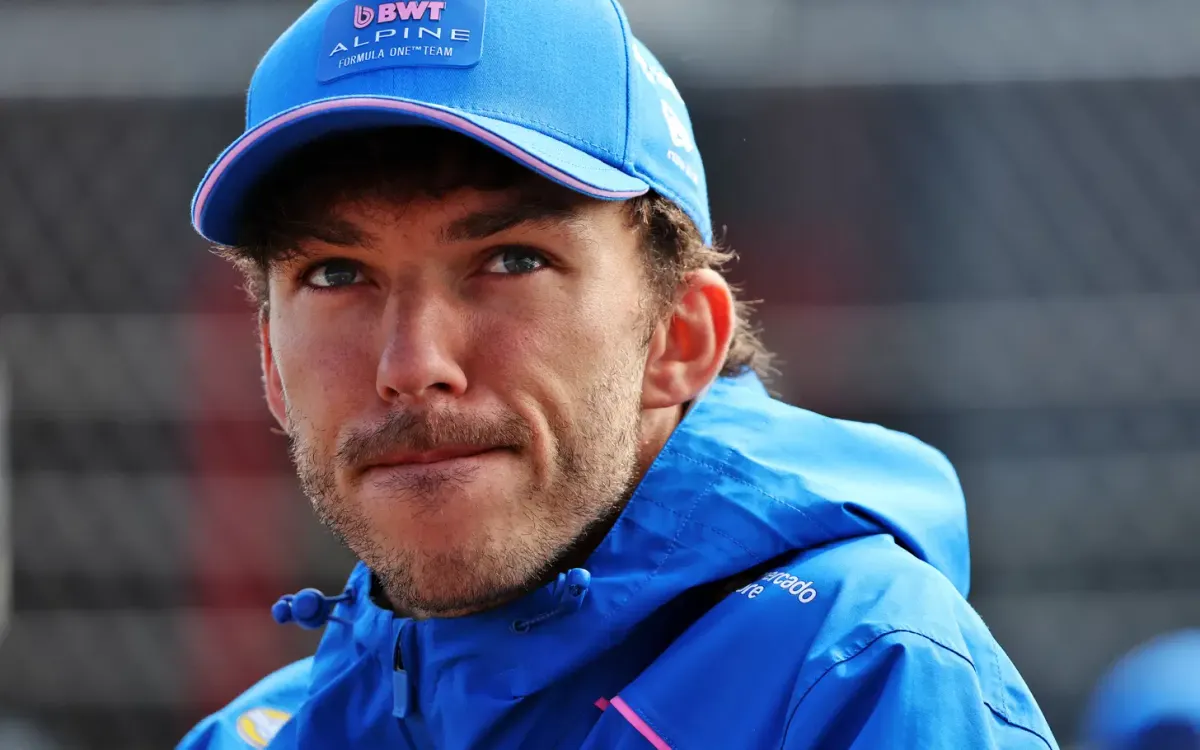
Pierre Gasly akui kejar posisi lima konstruktor F1 adalah tugas berat bagi Alpine. Simak analisis lengkap dan update poin terbaru di sini.
 Lanjutkan dengan Google
Diskusi & Komentar (0)
Mari Bergabung dalam Diskusi!
Masuk dengan mudah untuk mulai memberikan komentar, membalas, dan berinteraksi dengan pembaca lainnya.
Komentar Terbaru
Belum ada komentar. Jadilah yang pertama!