







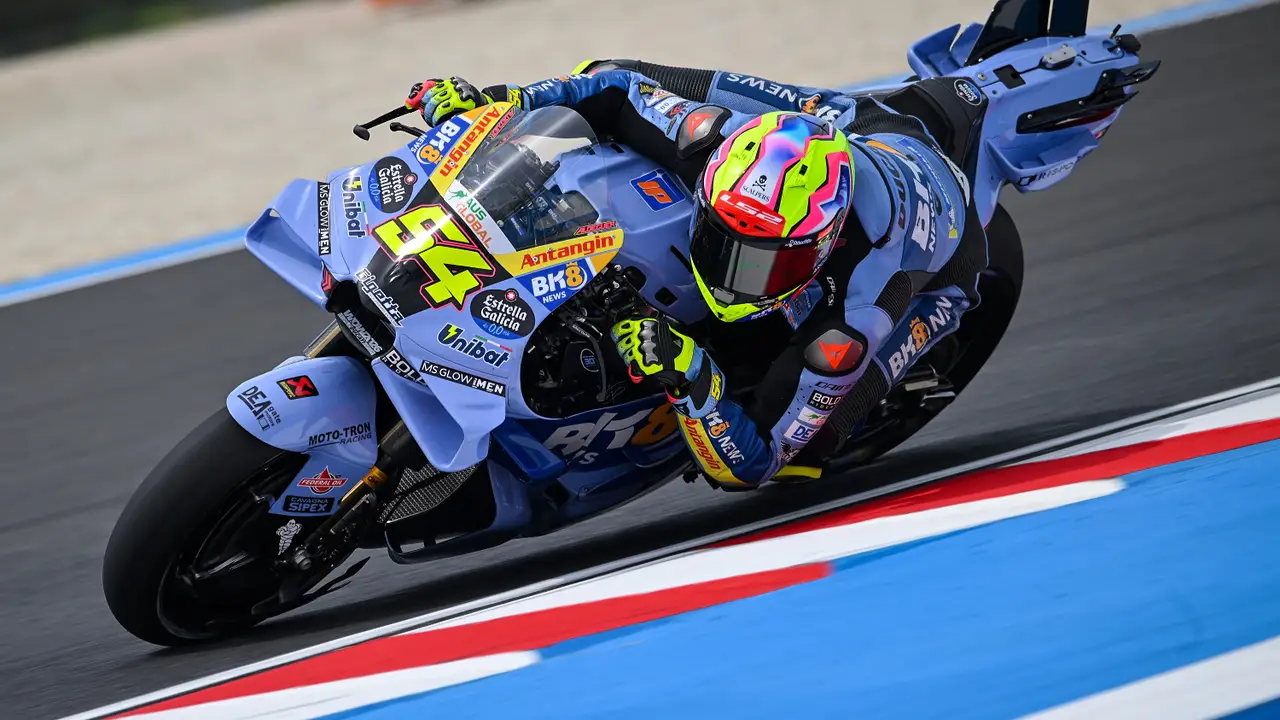

The structural constraints of the Balaton Park Circuit, characterized by its narrow, twisting layout and a single-line racing trajectory, generated highly asymmetric mechanical friction across the midfield parameters. According to real-time telemetry and the short-format race tracking loop from Saturday afternoon, execution was dictated less by raw engine performance and more by thermal management efficiency and deceleration precision. The most distinct operational contrast was recorded by rookie asset Fermin Aldeguer, who failed to convert a front-row starting slot after becoming structurally trapped behind a rival chassis.
Aldeguer, who was equipped this weekend with the latest factory specification Ducati GP26 chassis package, suffered an immediate launch deficit off the line that demoted him from the leading pack. This tactical setback forced him directly into the turbulent dirty air behind Marco Bezzecchi’s Aprilia, which functioned as a highly effective rolling roadblock. Even though tracking metrics verified that Aldeguer possessed far superior pure velocity—logging a blistering 1m 38.1s sector loop that outpaced the race leader—the circuit’s narrow dimensions severely restricted clean passing maneuvers.
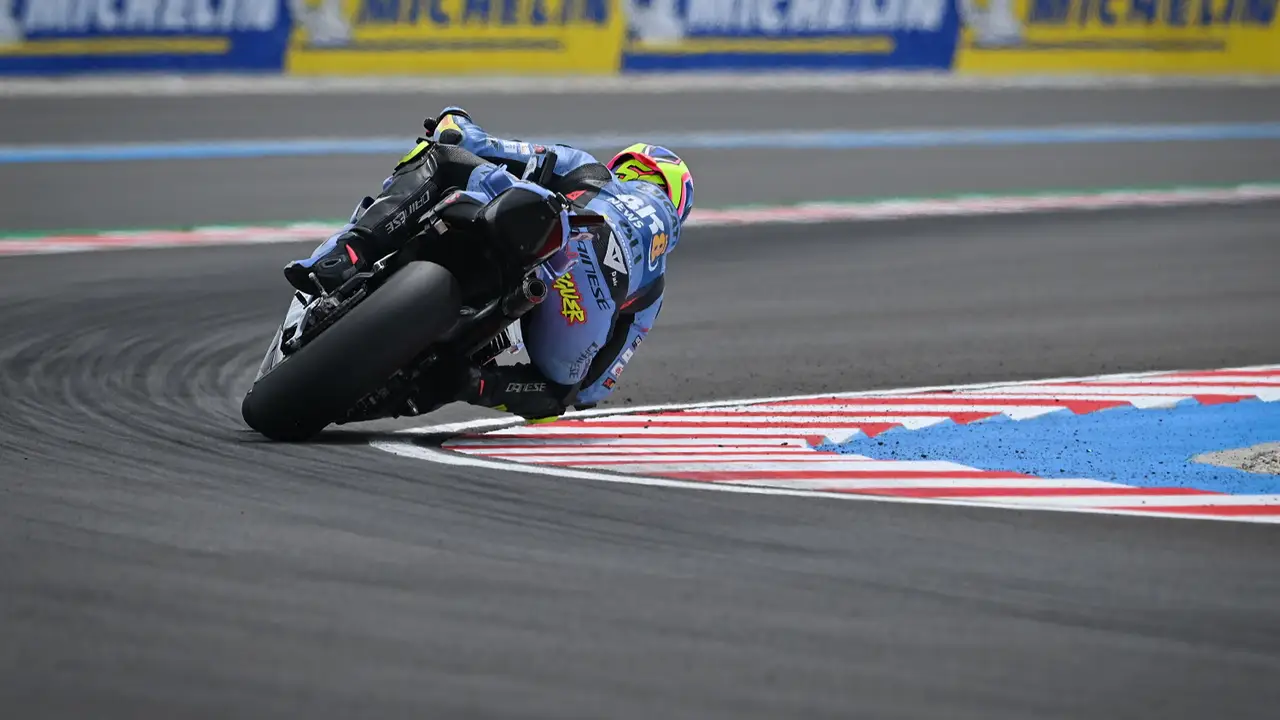
Front Tyre Thermal Saturation and Aldeguer's Extreme Save
Drafting within the localized heat signature of Bezzecchi’s exhaust over multiple consecutive laps triggered an acute increase in the core temperature and inflation pressure parameters of Aldeguer’s front tire. This thermal limitation reached a critical threshold on lap four through the high-speed transition profiles of turns 9 and 10. A terminal loss of front-end mechanical traction forced the Spanish newcomer to execute an extreme knee-and-elbow save to prevent a catastrophic low-side accident.
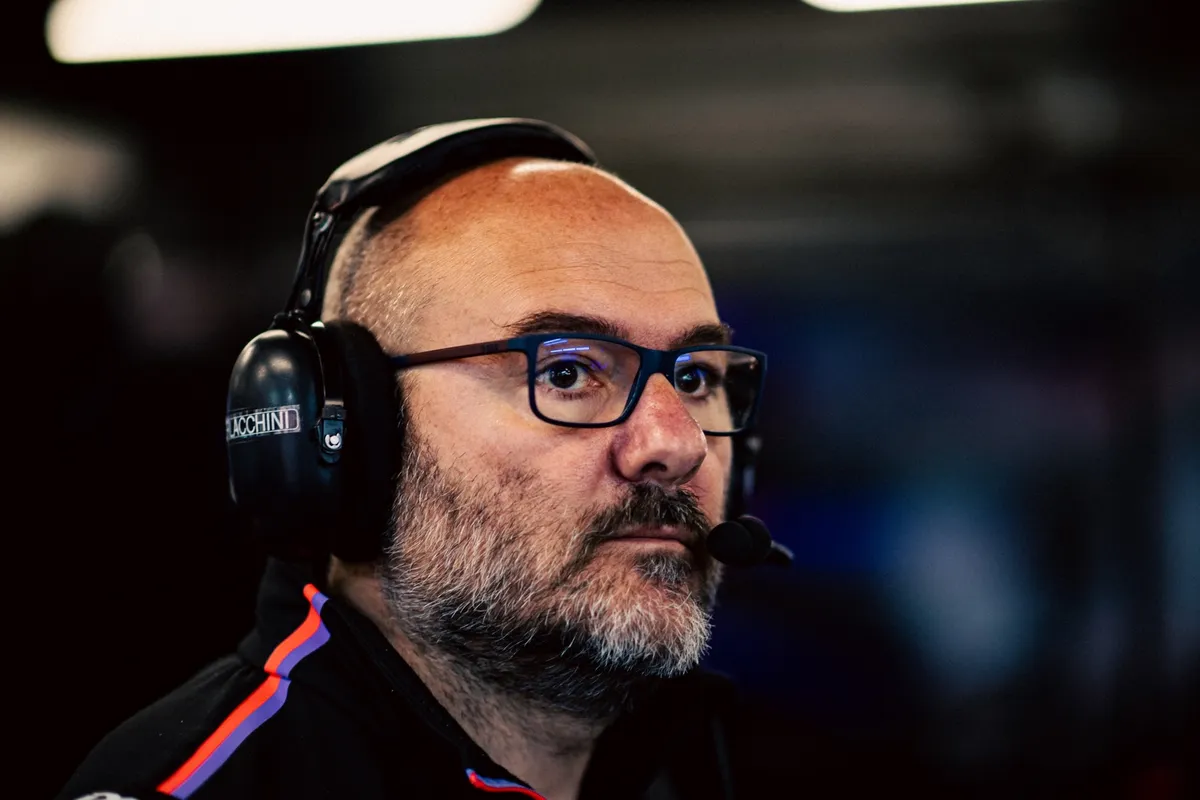
Consequently, Aldeguer's immediate momentum was completely halted, dropping his position to fifth as Raul Fernandez capitalized on the structural error. This track demotion represents a severe blow to his championship tracking trajectory, given that his baseline race pace was theoretically sufficient to challenge Pedro Acosta for the runner-up position. The resulting psychological frustration induced a secondary braking error at turn five, causing Aldeguer to temporarily overrun his markers and surrender vital time deltas to his pursuers.
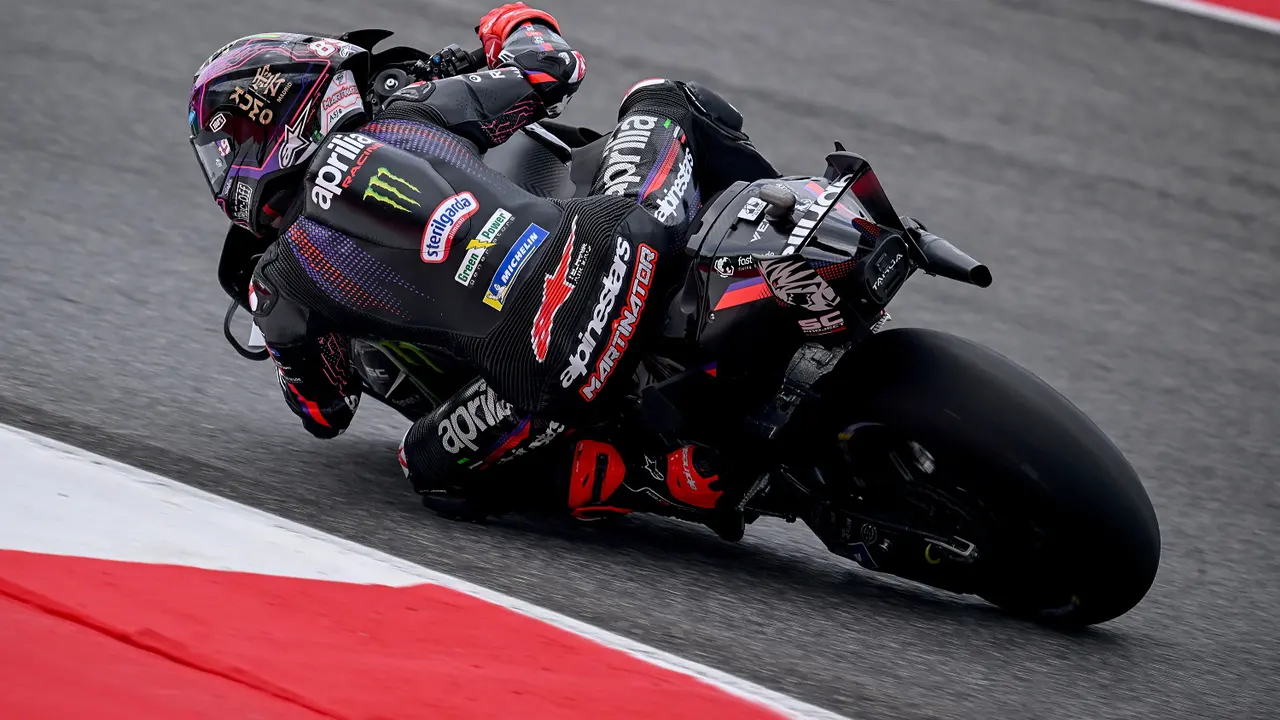
Runoff Regulatory Infringements and Jorge Martin's Time Delta Dispute
On the opposite end of the classification database, severe regulatory tension impacted Jorge Martin during an offensive tracking maneuver against Honda rookie entry Diogo Moreira. Martin suffered an immediate stability loss across his front fork assembly when attacking the heavy deceleration threshold of the chicane, forcing his package off-track and straight through the asphalt runoff sector. According to FIM sporting codex frameworks, any rider claiming an off-track shortcut advantage is legally bound to sacrifice a minimum of one full second on that localized sector loop.
Although on-board footage verified that Martin checked his left-hand mirror to confirm he had permitted Moreira to re-establish track position, the FIM Stewards Panel monitored a micro-deviation indicating Martin did not sufficiently reduce throttle application to meet the mandatory one-second loss margin. While escaping an immediate post-race time penalty, the tracking anomaly forces his engineering staff to execute a complete recalculation of internal engine brake maps ahead of Sunday's main 26-lap Grand Prix distance. Front-end deceleration accuracy across this stop-and-go infrastructure remains the solitary authentic variable to secure a victory.
Baca Juga
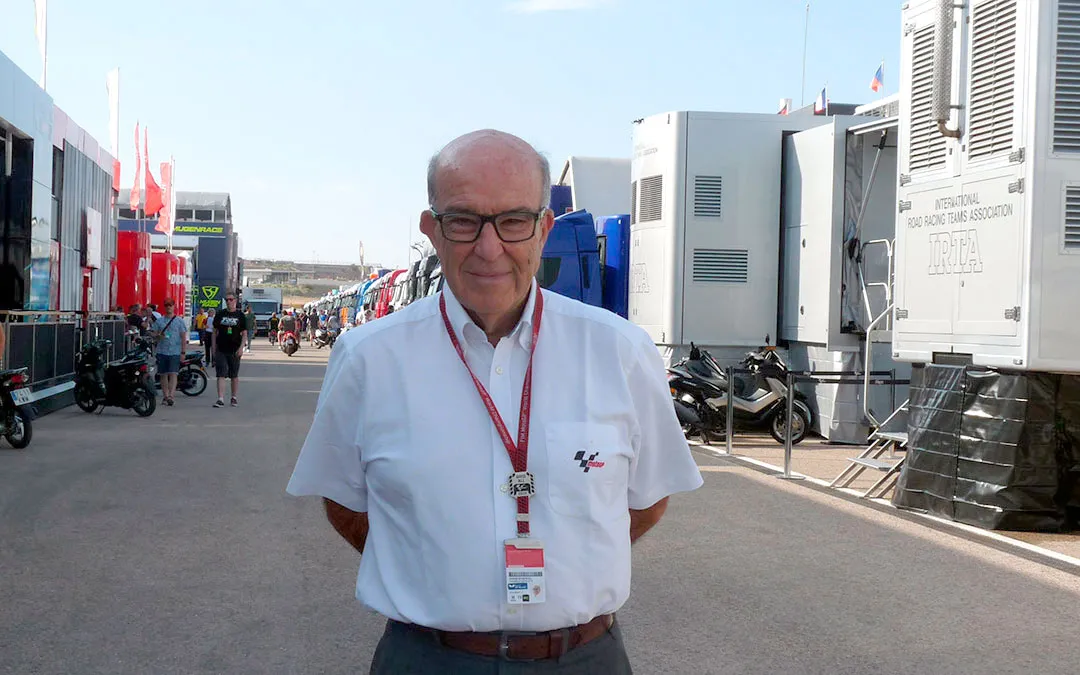
Carmelo Ezpeleta buka suara soal MotoGP 850cc: impresi awal positif. Simak analisis lengkap soal MotorLand, persaingan, dan Liberty Media.
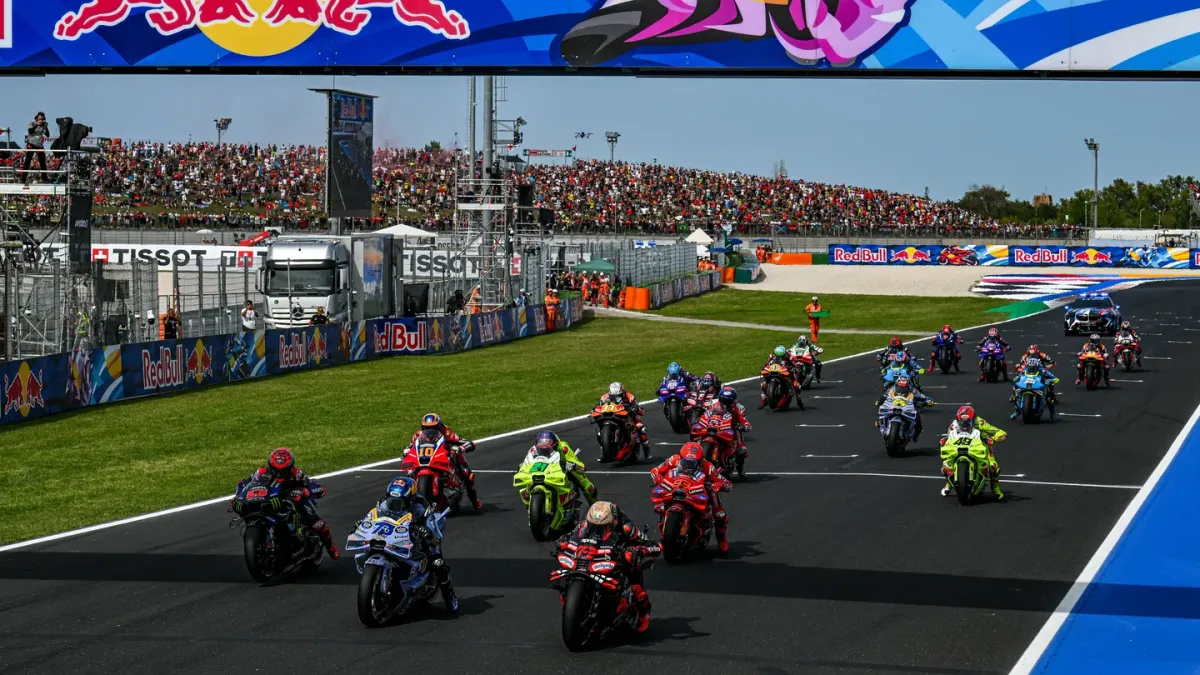
MotoGP Misano 2025: Jorge Martin terancam, Marc Marquez siap menyerang. Simak jadwal siaran langsung dan prediksi GP San Marino di Sportrik.
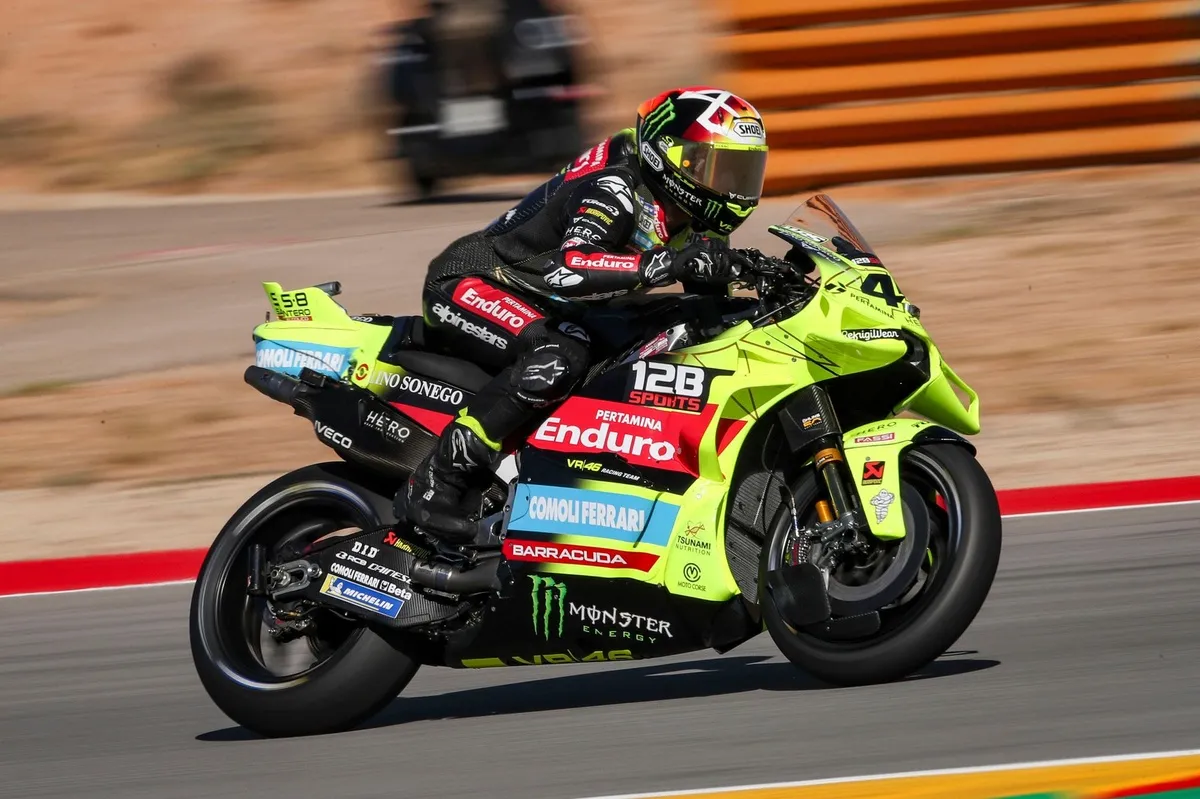
Fabio Di Giannantonio yakin temukan solusi masalah MotoGP di Misano. Peluang besar untuk bangkit di GP San Marino. Simak analisisnya!
 Lanjutkan dengan Google
Diskusi & Komentar (0)
Mari Bergabung dalam Diskusi!
Masuk dengan mudah untuk mulai memberikan komentar, membalas, dan berinteraksi dengan pembaca lainnya.
Komentar Terbaru
Belum ada komentar. Jadilah yang pertama!