







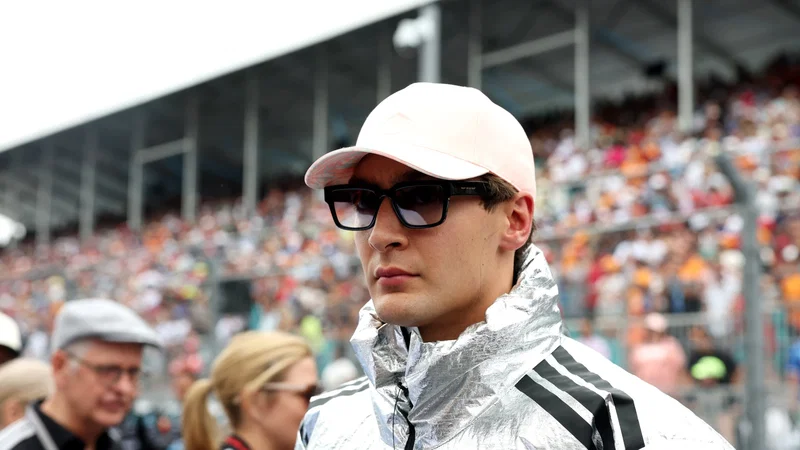

George Russell currently finds himself in a precarious position as his teammate, Andrea Kimi Antonelli, continues to extend his lead in the Formula 1 2026 World Championship. Russell, who entered the season as the definitive title favorite, now trails the young Italian by 20 points after suffering three consecutive defeats in the first four races of the campaign. This unexpected shift in momentum has sparked significant debate regarding the internal hierarchy at the Silver Arrows.
The performance disparity was starkly highlighted during the Miami Grand Prix, where Antonelli secured a historic third consecutive victory, following dominant displays in China and Japan. Russell finished in fourth place, a substantial 43 seconds behind his teammate. This gap underscores a significant difference in the efficiency of extracting maximum lap time from the Mercedes chassis, particularly regarding long-run pace and tire management under race conditions, where Antonelli has shown a superior ability to maintain peak grip throughout the stint.
From a technical standpoint, Antonelli demonstrated remarkable maturity while managing a malfunction with the paddle shift system. The issue caused inconsistent downshifts, which typically unsettles the car's balance and increases the risk of rear-axle instability upon entry to corners. However, the synergy and calm communication between Antonelli and his race engineer, Bono, allowed the driver to mitigate the mechanical anomaly without compromising his pace. This ability to handle technical irregularities while maintaining a championship-winning pace showcases an elite level of adaptation that has left Russell trailing.
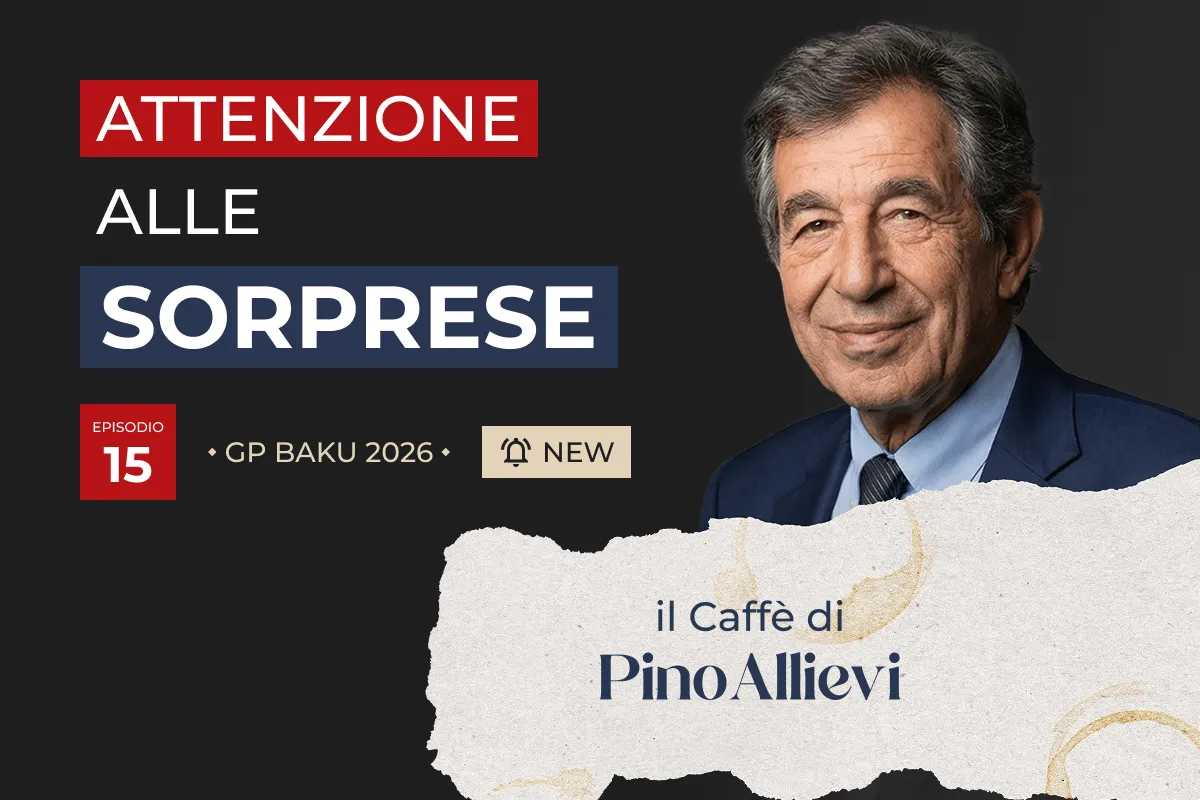
The internal dynamics at Mercedes are undergoing a significant shift. Former F1 driver David Coulthard observes that Antonelli has "come of age" far sooner than expected. This development places Russell in an "uncomfortable" dynamic, as the team's performance expectation is shifting toward the rookie as the de facto lead driver. In the high-pressure environment of a top-tier F1 team, the perception of who "leads" the garage can have a profound psychological impact, often creating a burden for the more experienced driver to prove their worth once again.
The pressure on Russell is further exacerbated by the rapid improvements seen at McLaren, Ferrari, and Red Bull. While Mercedes is perceived to have the most competitive car in the current field, Russell's failure to lead the internal battle leaves the team vulnerable to these rival constructors. History indicates that when a team is divided by a performance gap between teammates, the overall championship probability diminishes as the focus shifts from external rivals to internal competition.
Analytically, Russell is facing a "younger version of himself"—a driver possessing complete freedom and an absence of the external baggage that often accompanies seasoned F1 stars. This mental fluidity, combined with Antonelli's technical stability, forces Russell to urgently address his dip in form. The contrast in their current trajectories suggests that while Russell possesses the quality and experience, he is currently unable to match the sheer audacity and precision of Antonelli's driving style on a race weekend.
To recover his standing, Russell must prioritize the optimization of his vehicle setup and tire degradation profiles. With a 20-point deficit, the margin for error has virtually vanished. The upcoming races will be a critical test of Russell's resilience and technical adaptability. If he cannot close the gap to Antonelli, he risks not only losing the title race but also eroding his authority as the senior driver within the Mercedes garage over the long term.
Ultimately, the 2026 season is shaping up to be a battle of psychological endurance as much as technical prowess. The expectation is now that Russell must take ownership of the team's performance once more. However, with Antonelli demonstrating such a high level of consistency and technical mastery, the path back to leadership for Russell requires more than just speed—it requires a fundamental shift in how he manages the pressure of being the hunted rather than the hunter.
Baca Juga
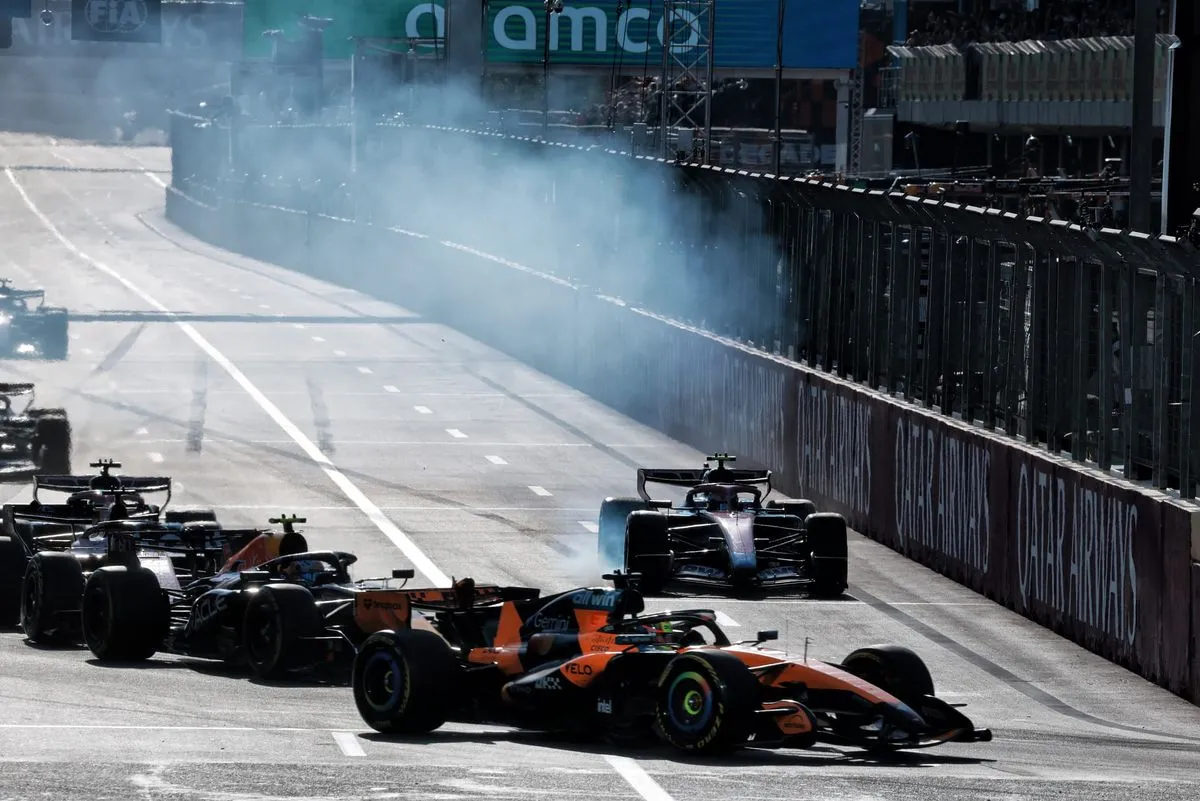
Insiden Franco Colapinto di GP Azerbaijan 2026 menyoroti titik buta sistem poin penalti F1. Tanpa poin penalti, apakah hukuman grid sudah cukup?
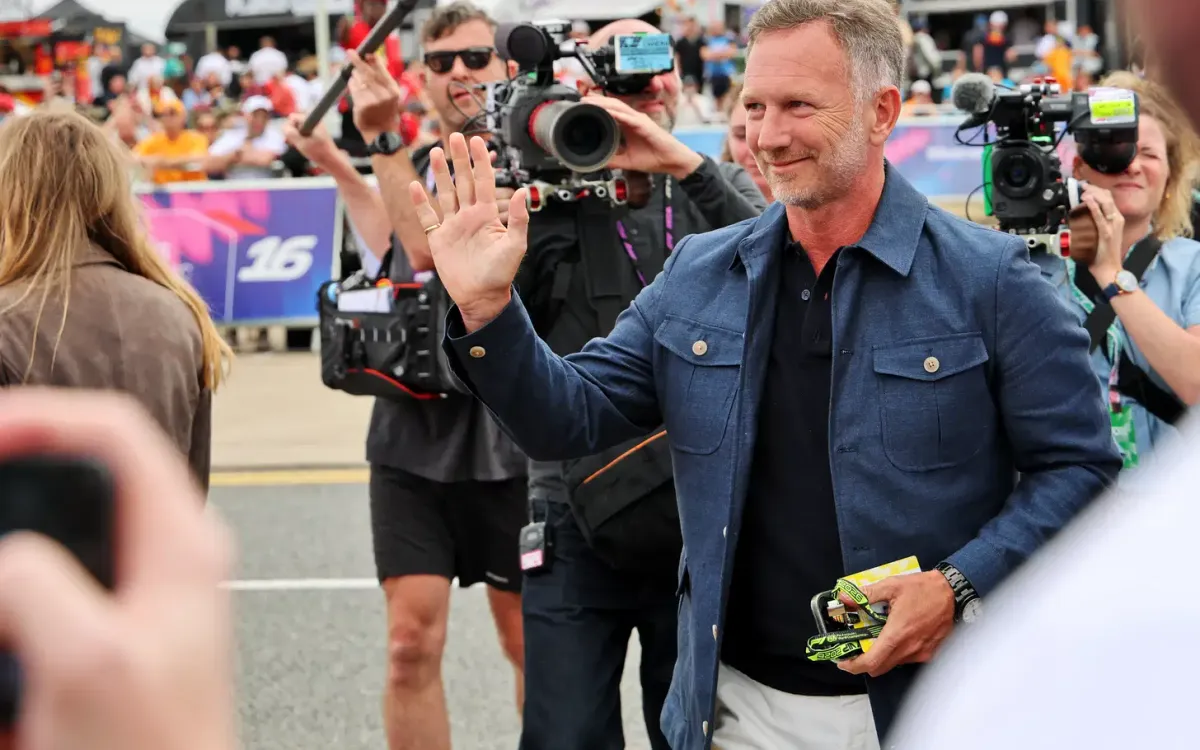
Christian Horner blak-blakan soal kepergiannya dari Red Bull. Ia sebut tim telah kehilangan 'vibe' dan identitas sejak ditinggalkan. Simak pernyataan lengkapnya.
Klasemen F1 2026: Kimi Antonelli memimpin dengan 302 poin, disusul George Russell dan Lewis Hamilton. Simak update lengkapnya di sini.
 Lanjutkan dengan Google
Diskusi & Komentar (0)
Mari Bergabung dalam Diskusi!
Masuk dengan mudah untuk mulai memberikan komentar, membalas, dan berinteraksi dengan pembaca lainnya.
Komentar Terbaru
Belum ada komentar. Jadilah yang pertama!