








Andrea Kimi Antonelli's victory at the Spanish Grand Prix was not just about luck. The virtual safety car (VSC) that appeared right after Lance Stroll retired did change the race, but behind it was a huge role played by the driver and the Mercedes team.
Until Stroll's incident, Lando Norris seemed unstoppable. But when the VSC was deployed, Norris had already passed the pit entry and couldn't dive in. Antonelli, behind him, reacted immediately. He slowed down significantly, even more than required. The goal was clear: to give his team room to call him in at the right moment.
Telemetry data shows Antonelli was 29 km/h slower through Turn 19 than on the previous lap. In the braking zone for Turn 20, he was 24 km/h slower. Compare that to Max Verstappen, six seconds behind him: under the same yellow flag conditions, Verstappen was 15 km/h faster through Turn 19 and 18 km/h faster on the brakes. Antonelli truly exploited every second to create an opportunity.
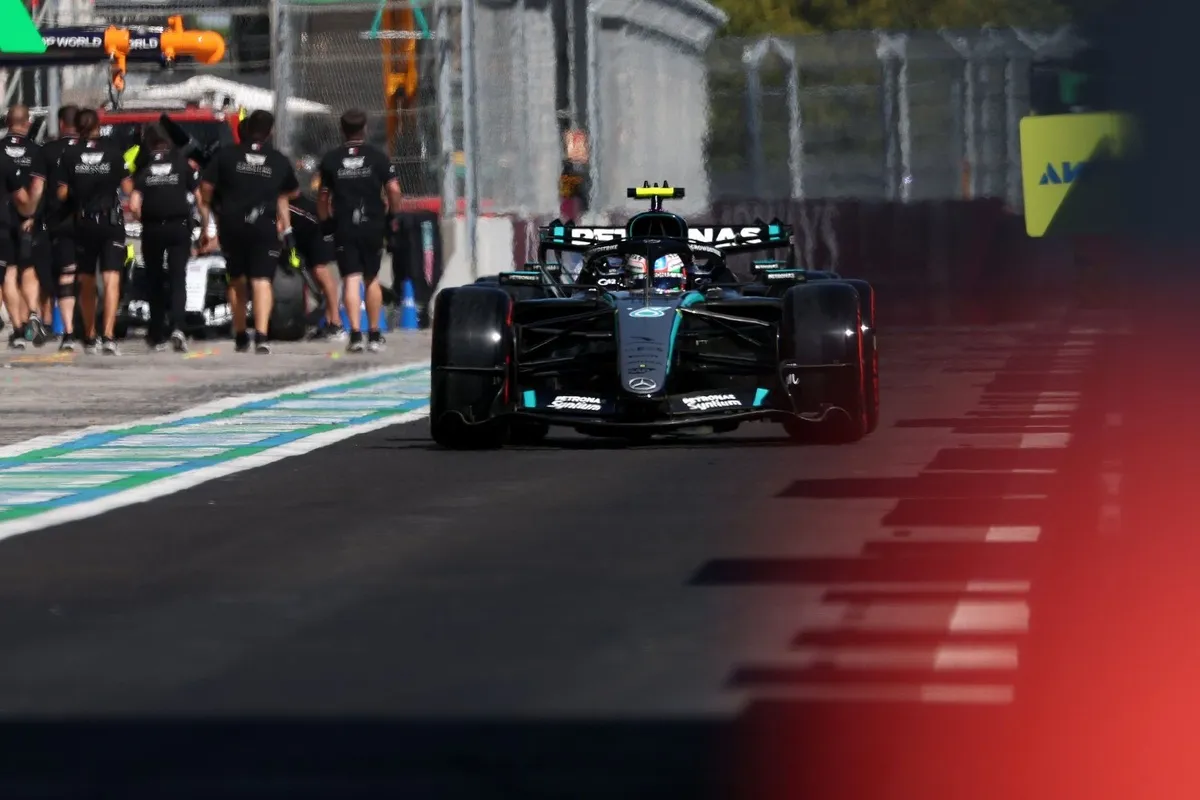
The Mercedes team was also proactive. The pit wall had anticipated a possible VSC, so when the race was neutralised, they reacted instantly. Race engineer Peter Bonnington alerted Antonelli just as the yellow flag came out. This collaboration allowed Antonelli to pit at the last second, change tyres, and rejoin just behind Charles Leclerc, who had yet to stop.
"In my case, the timing was perfect: Bono warned me," said Antonelli. "I lifted immediately because I knew it could be our chance. The team was ready too."
Luck played its part, but the flawless execution by Antonelli and Mercedes made that luck count. This win was not just about speed, but also about race intelligence. In Madrid, Antonelli proved he is not only fast but also mature in making crucial decisions.
Baca Juga
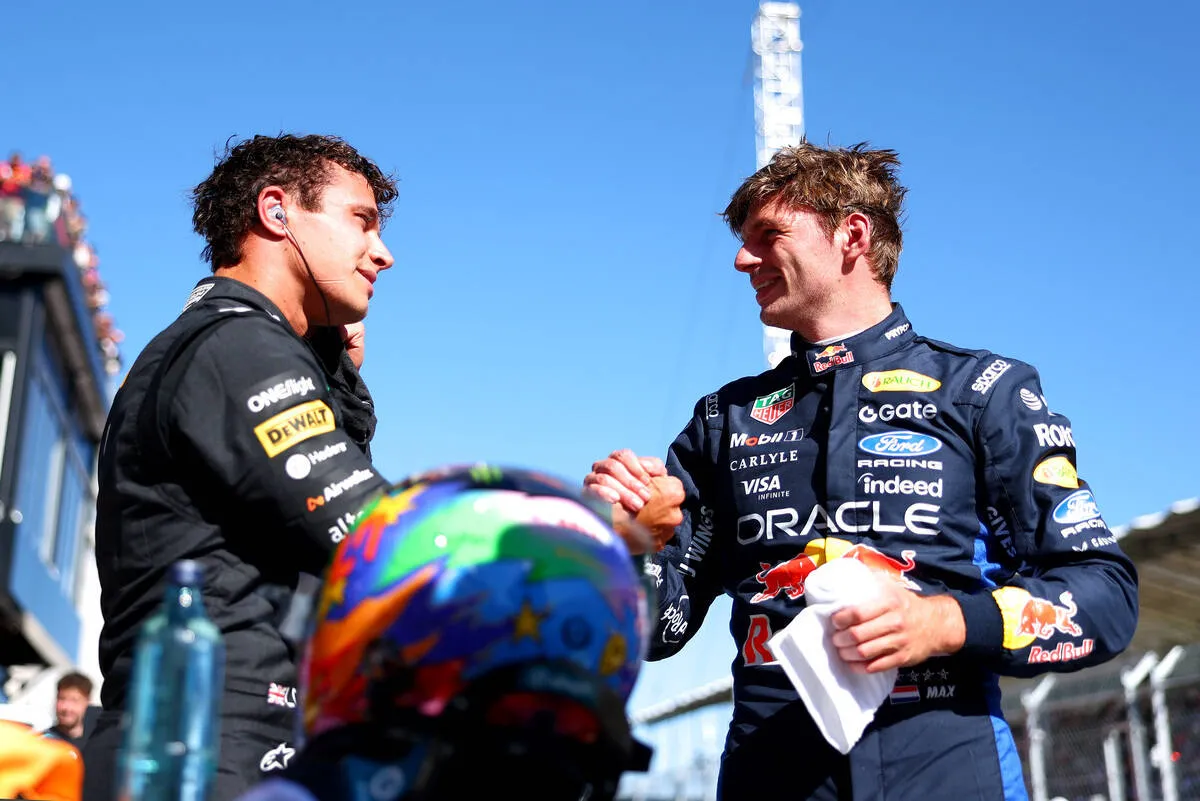
Kalender F1 2027 tak bentrok dengan Le Mans, Nurburgring, dan Spa. Verstappen dan Norris berpeluang ikut balap ketahanan tanpa ganggu jadwal F1.
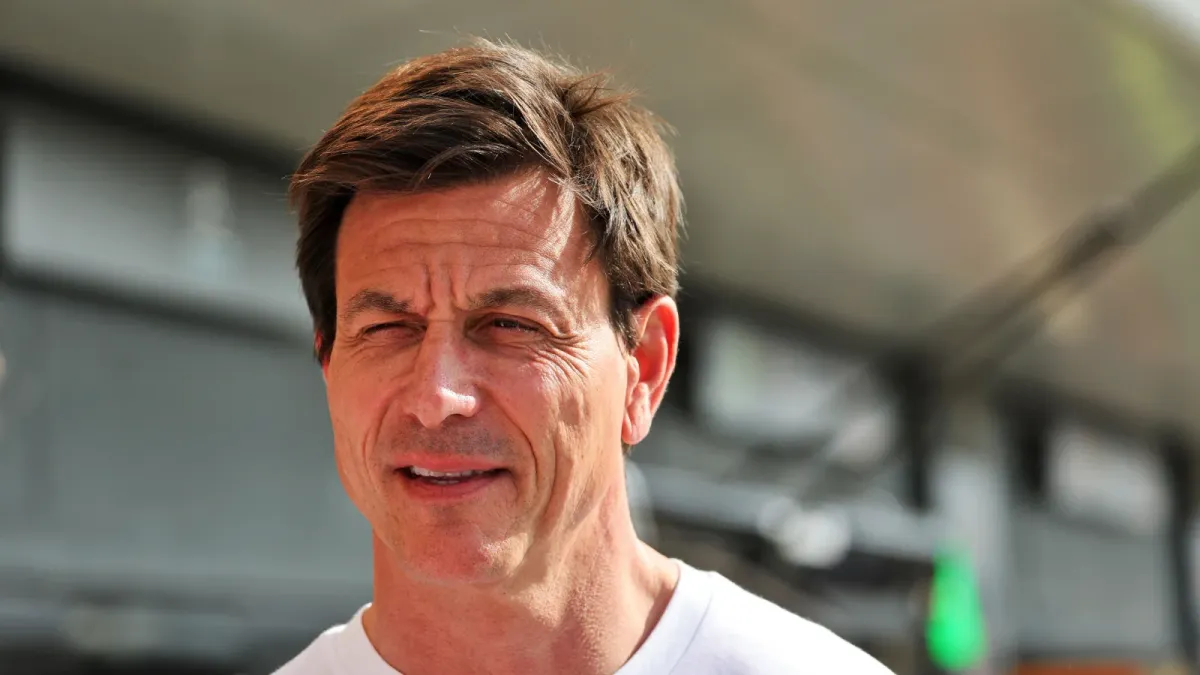
Toto Wolff dukung penyesuaian ADUO untuk Honda setelah FIA dan Fernando Alonso berdiskusi soal performa Aston Martin di F1. Simak analisis lengkapnya.
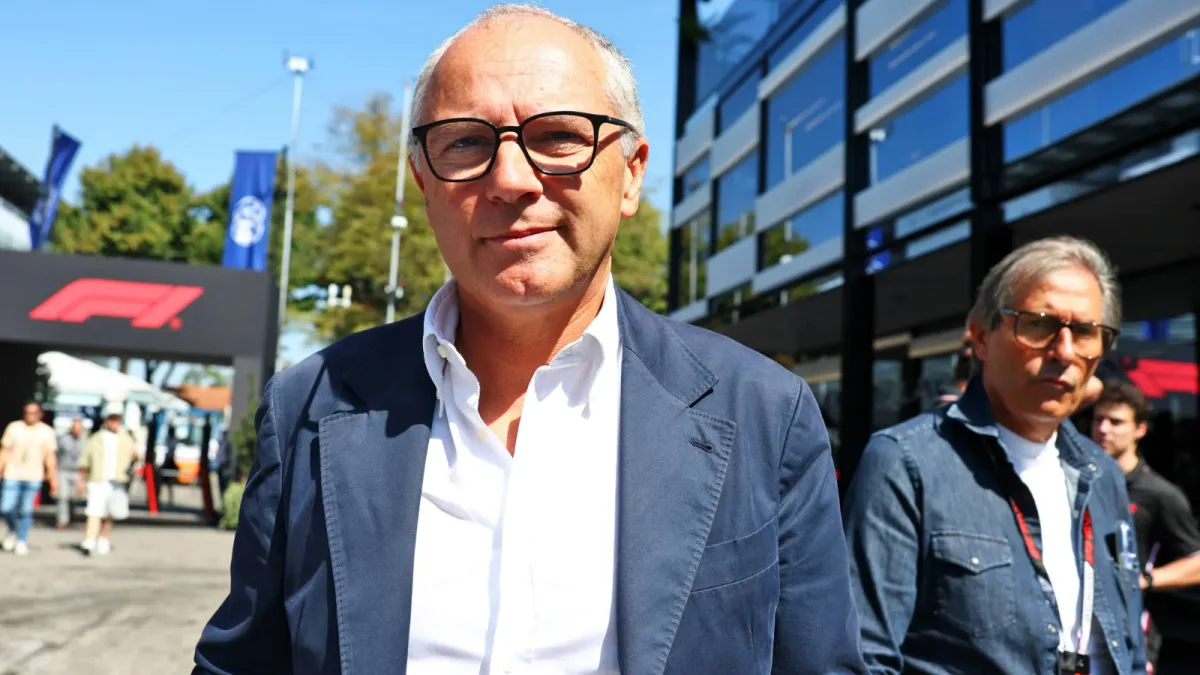
CEO F1 Stefano Domenicali mengungkap alasan di balik kalender 2027 yang radikal dengan 10 sprint race dan kembalinya Portimao serta Istanbul Park.
 Lanjutkan dengan Google
Diskusi & Komentar (0)
Mari Bergabung dalam Diskusi!
Masuk dengan mudah untuk mulai memberikan komentar, membalas, dan berinteraksi dengan pembaca lainnya.
Komentar Terbaru
Belum ada komentar. Jadilah yang pertama!