








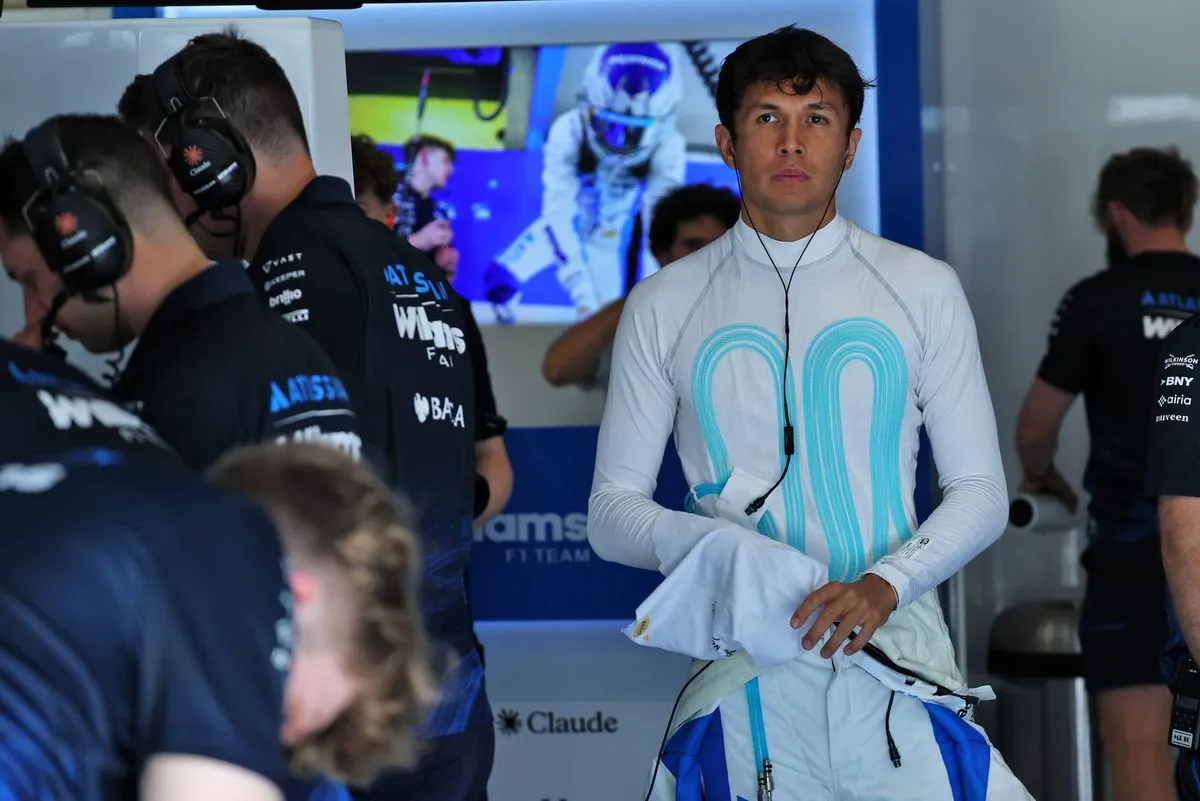
Alex Albon believes Formula 1 drivers must be more vocal about modern track design following recent criticism regarding the layouts of several newer venues on the world championship calendar.
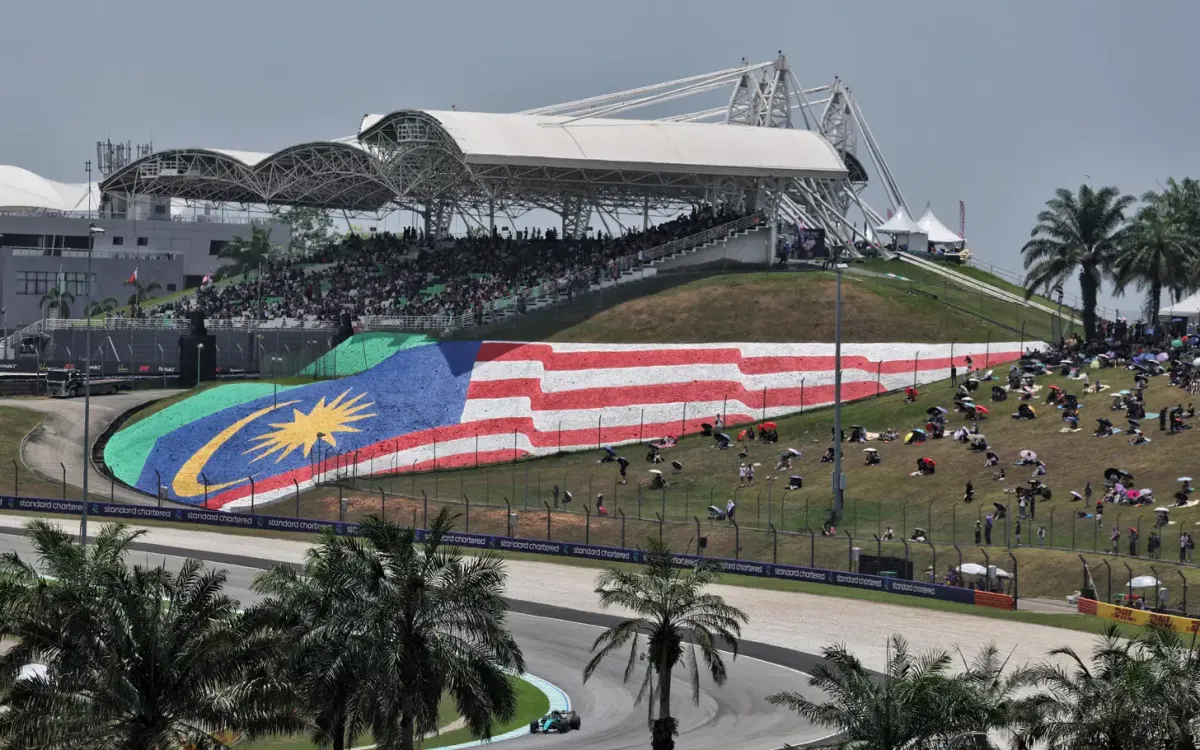
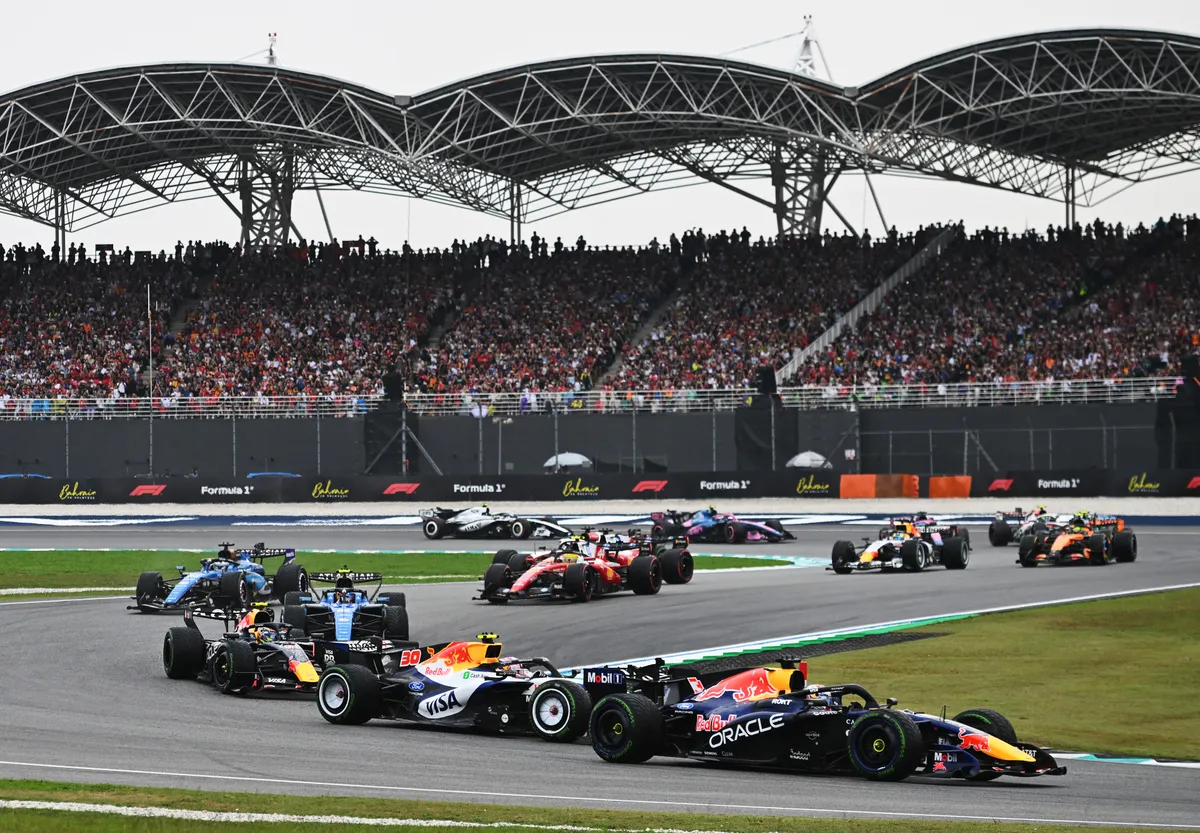
The criticism intensified following the return of Sepang to the Formula 1 calendar in 2026 as a one-off replacement event, which immediately reminded drivers of the exceptional architectural quality of classic circuits designed with genuine character and elevation changes.
Recent track layouts such as Madrid, which has taken over Spanish Grand Prix hosting duties, were widely panned for their lack of overtaking opportunities and a series of 90-degree corners that restrict racing lines and reduce passing attempts.
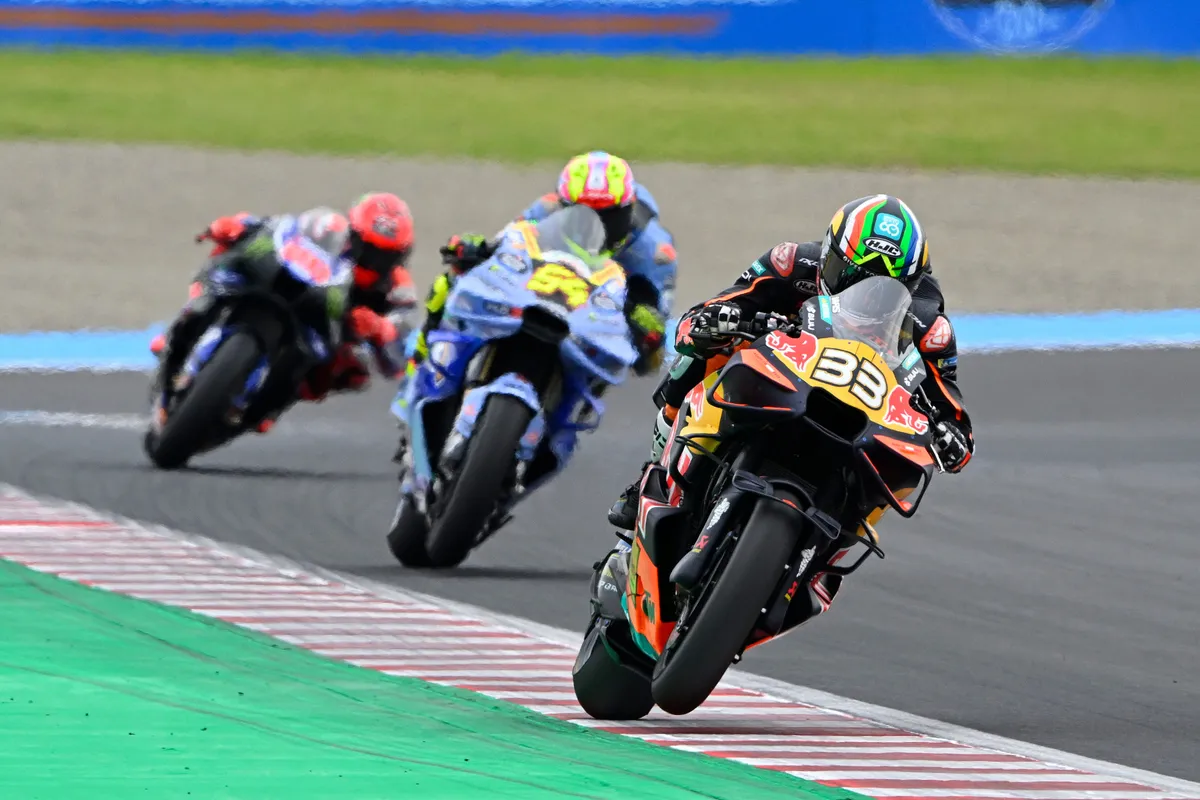
A number of venues recently added to the calendar also lack elevation and camber variations, with tracks like Jeddah or Lusail in Qatar being largely flat and featuring only a single optimal racing line.
In contrast, Sepang—which initially debuted in 1999—is widely regarded as one of Hermann Tilke's finest grand prix circuit designs, successfully avoiding the 'Tilkedrome' moniker due to its unique layout and proper engineering.
Given the diverse corner profiles and multiple racing lines possible at Sepang, Williams driver Alex Albon insists that Grand Prix drivers need to take a stronger stance on circuit architecture demands.
I don't think drivers have much say in it, but at least for now, it is nice to go to a track which is not a street circuit and does not have 90-degree corners, Alex Albon told media.
There's character, there is camber, there is elevation and unique corners, and it has been well-designed where there are pockets of clear air you can use, he added.
While acknowledging that Sepang has not predominantly been a fantastic overtaking track, high tyre degradation consistently promotes competitive racing battles on Sunday.
There are even little things like the track limits; you don't really talk about them around tracks like this because the kerbs have been profiled in a way that they've just been done well, the driver explained.
You don't use more track than you need to, and I think drivers, especially when they come back from Madrid, must be a bit more vocal about these kinds of things about doing a better job in modern track design.
Sepang was made 30 years ago in 1999, and around that time, they seemed to be able to get a good understanding of what makes a good racetrack, Alex Albon concluded.
Baca Juga
George Russell ungkap alasan Mercedes absen gunakan rompi pendingin F1 karena batasan anggaran cost cap dan desak tindakan tegas FIA.
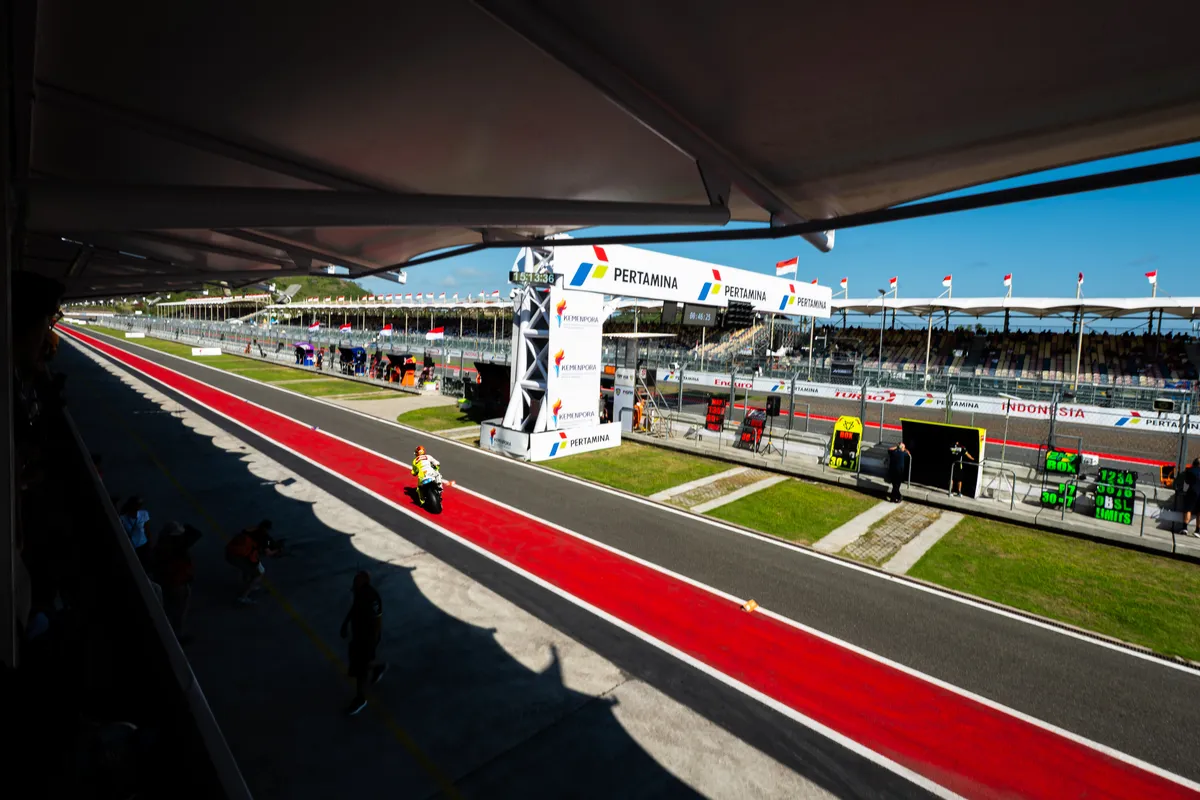
Simak fakta menarik jelang MotoGP Mandalika 2026, mulai dari ambisi Marc Marquez memutus rekor buruk hingga kembalinya Toprak Razgatlioglu.
Prinsipal Red Bull Laurent Mekies ungkap faktor di balik kenaikan performa F1 selain upgrade mobil jelang GP Singapura.
 Lanjutkan dengan Google
Diskusi & Komentar (0)
Mari Bergabung dalam Diskusi!
Masuk dengan mudah untuk mulai memberikan komentar, membalas, dan berinteraksi dengan pembaca lainnya.
Komentar Terbaru
Belum ada komentar. Jadilah yang pertama!