








Digital transformation and technological innovation have become crucial pillars for global manufacturers as they shape the future of mobility. Speaking at the Wave conference at Ogr in Turin, Stellantis CEO Antonio Filosa emphasized that artificial intelligence will serve as the primary engine of change within the automotive sector. According to him, the future of the industry will be much more centered on consumer desires, striving to ensure that the relationship between car brands and their customers becomes increasingly direct and personal amid the digital era.
The rapid developments in this sector are closely tied to how automotive companies adapt to modern demands that require exceptionally high efficiency. As reported by FormulaPassion, Antonio Filosa explained that the brand component still holds a highly significant role in the future of cars, especially since their group can rely on numerous iconic marques. Nevertheless, customer experience remains the most crucial element, defined as the continuous ability to respond to the precise needs of vehicle users out on the road.
The strategic focus of the multinational automotive group is also firmly fixed on cutting-edge technologies that are currently expanding on a global scale. Two main areas receiving intense attention are autonomous driving and the ongoing development of advanced in-vehicle computer architectures. Over the past twenty years, automakers have poured massive investments into new technologies to ensure that the sector consistently keeps pace with rapid technological advancements.
The integration of artificial intelligence within corporate operations is widely believed to drastically boost efficiency and significantly shorten the development timelines for entirely new vehicle models. At present, the company operates on strict 24-month production cycles for its products. The deployment of smart technologies has proven effective in streamlining the corporate structure, making it leaner, highly efficient, and better equipped to handle a fiercely competitive global market.
Although the exact shape of the transformation across the company and the broader automotive industry over the next twenty years remains full of potential, the core trajectory is unmistakable. The integration of intelligent systems into vehicles is guaranteed to thoroughly reshape the global manufacturing landscape. With a sharp focus on software innovation and modern vehicle architecture, worldwide automotive competition has officially entered a new era driven entirely by advanced technology.
Baca Juga
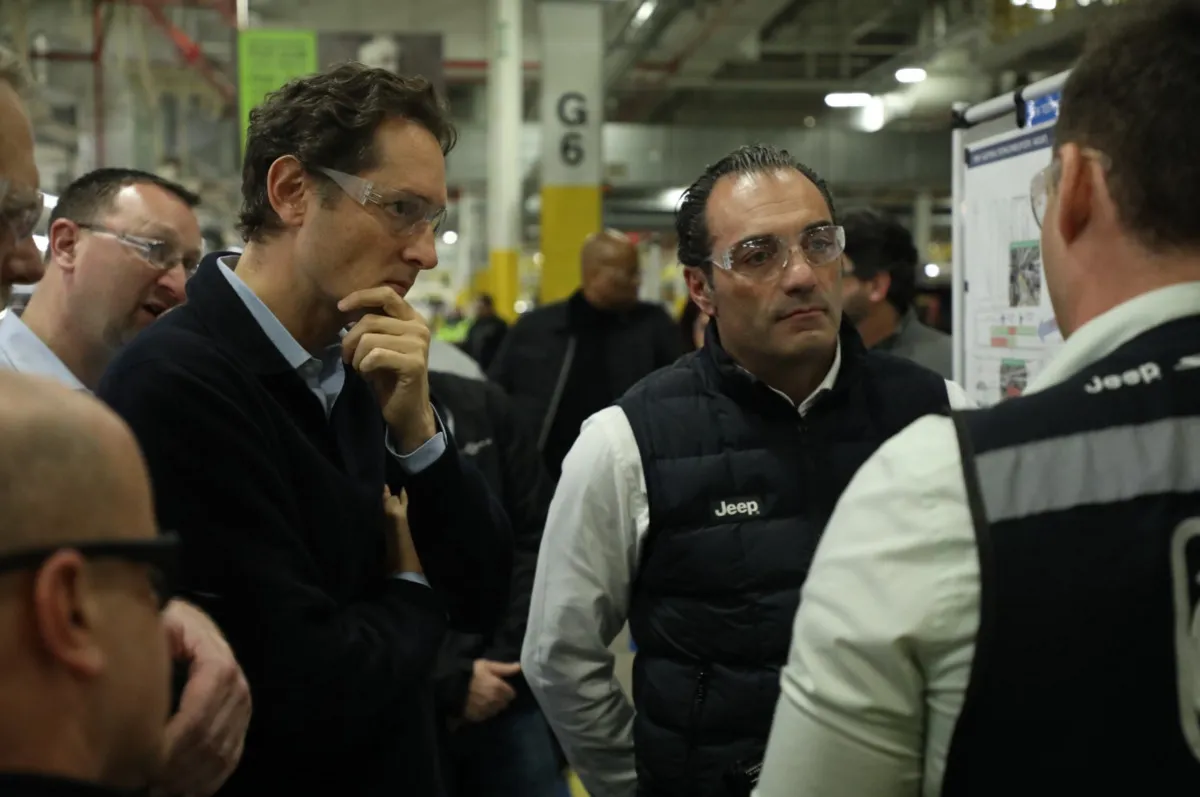
CEO Stellantis Antonio Filosa sebut AI jadi motor utama perubahan industri otomotif masa depan, fokus pada kemudi otonom dan pengalaman pelanggan.

Tragedi di 550 Challenge Mallorca, seorang pengemudi Jerman tewas dan co-driver luka serius setelah kecelakaan mobil Porsche di Spanyol.
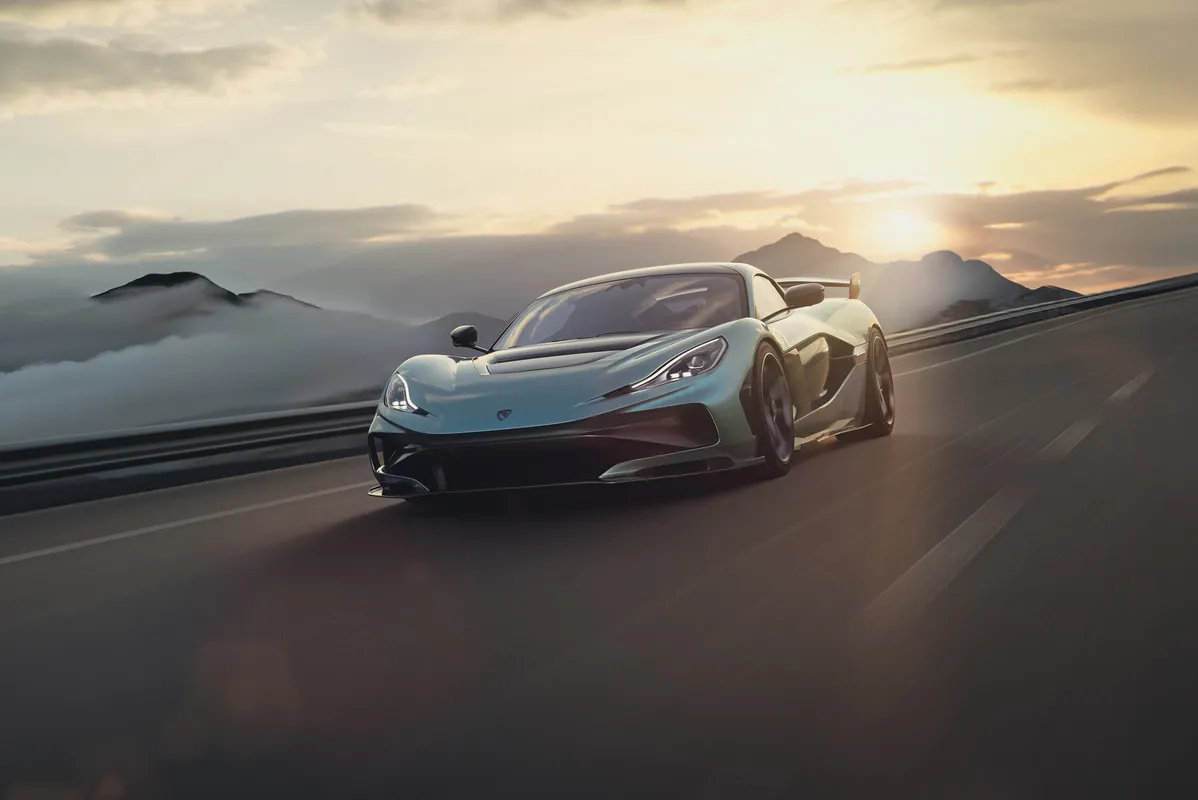
Mate Rimac ungkap strategi hadapi mobil China dengan meniru industri jam tangan Swiss demi fokus pada ceruk pasar mobil mewah Eropa.
 Lanjutkan dengan Google
Diskusi & Komentar (0)
Mari Bergabung dalam Diskusi!
Masuk dengan mudah untuk mulai memberikan komentar, membalas, dan berinteraksi dengan pembaca lainnya.
Komentar Terbaru
Belum ada komentar. Jadilah yang pertama!