








The WRC Commission has finalized a major overhaul of its testing regulations, specifically tailored to support the introduction of the new 2027 homologation cycle. This strategic move aims to provide a fast track for incoming manufacturers and young talents to bridge the performance gap in the highly competitive Rally1 category.
The updated rules distinguish between 'Elite' and 'Non-Elite' drivers. Elite drivers, defined as those who have started at least six rounds as a Priority 1 driver or achieved a top-three finish in the championship standings, are now capped at one test day per event, totaling 10 days annually. Non-Elite drivers are granted a more generous allowance of 20 days per year to accelerate their technical understanding of the cars.
The Commission stated, "The Commission approved revised testing provisions to support the introduction and development of the new generation of Rally1 cars from 2027, while providing additional testing opportunities for drivers developing their experience at the highest level of the championship."
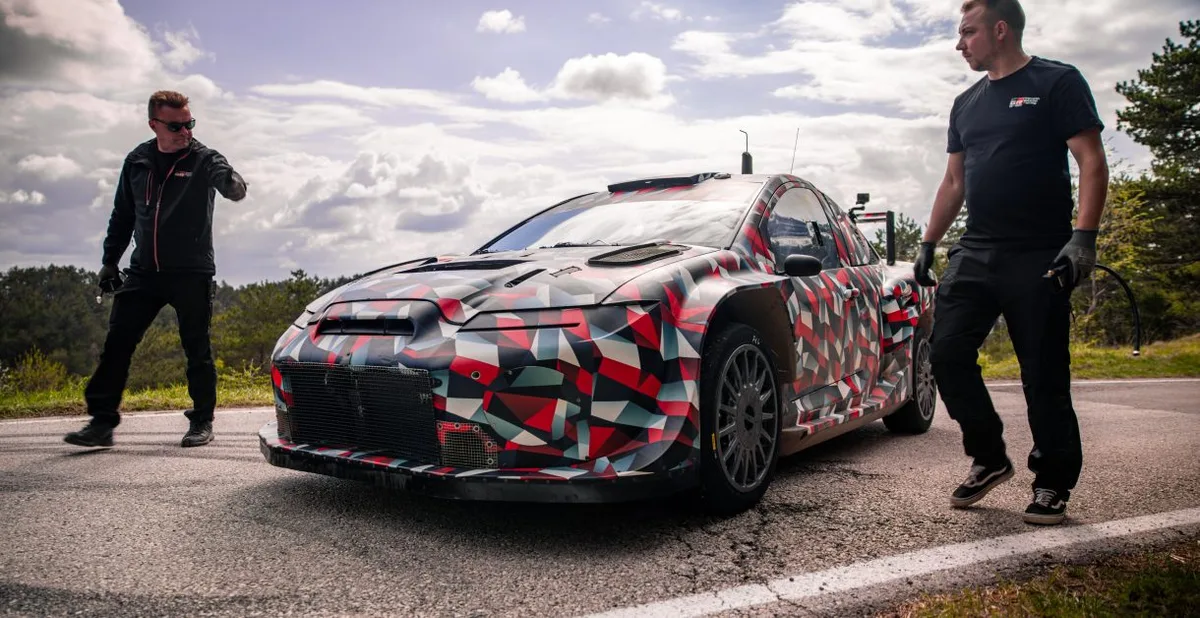
For manufacturers currently undergoing homologation, the new framework provides 15 development days annually for the first two years of the car's lifecycle, which will subsequently be reduced to 10 days from the third year onward. This structured approach is essential for teams to refine their aero-efficiency and chassis balance before heading to challenging events like Rally Sweden.
According to DirtFish, these provisions are designed to create an appropriate framework for the development of new machinery while maintaining strict limits on testing activity and associated costs, ensuring the long-term sustainability of the sport.
Baca Juga
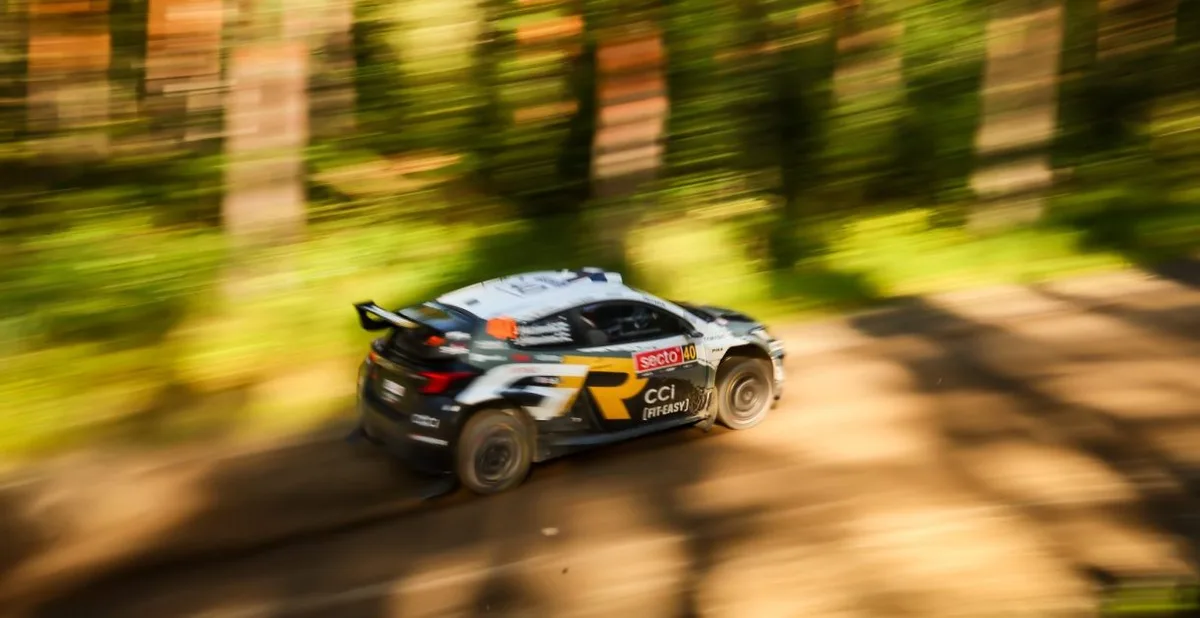
Simak analisis lengkap Jari-Matti Latvala mengenai performa mobil Rally1 versus Rally2 di kejuaraan WRC. Baca ulasan mendalam di sini.
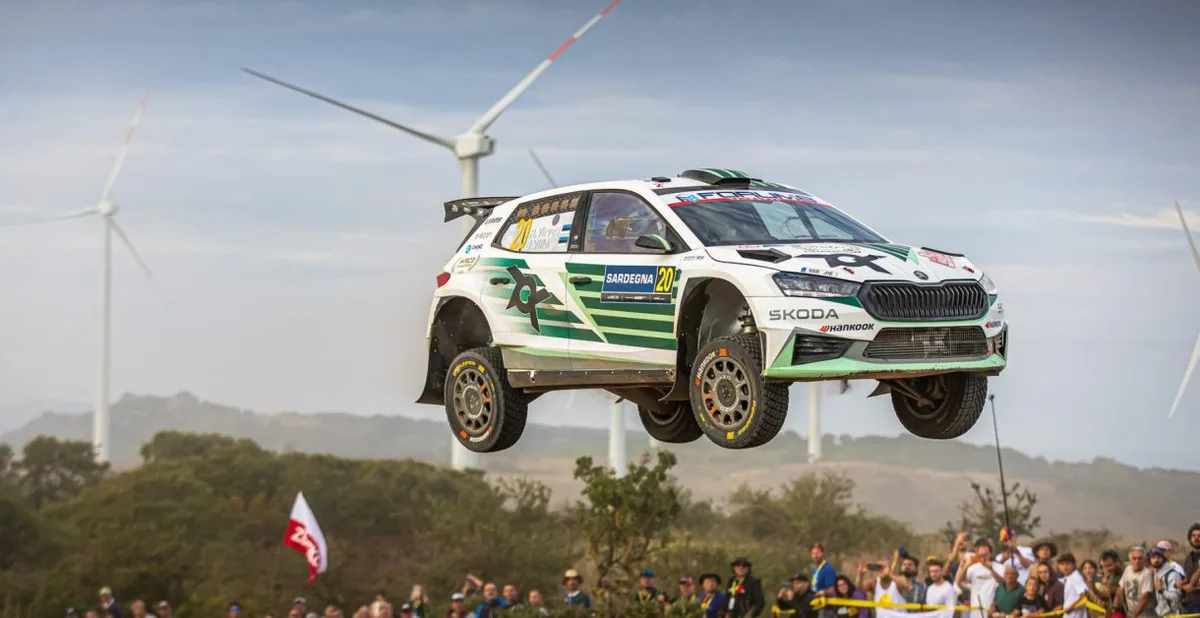
FIA resmi memperkenalkan klasifikasi WRC1 untuk kasta tertinggi reli dunia mulai 2027. Simak analisis lengkap perubahan aturan dan dampak poin di sini.
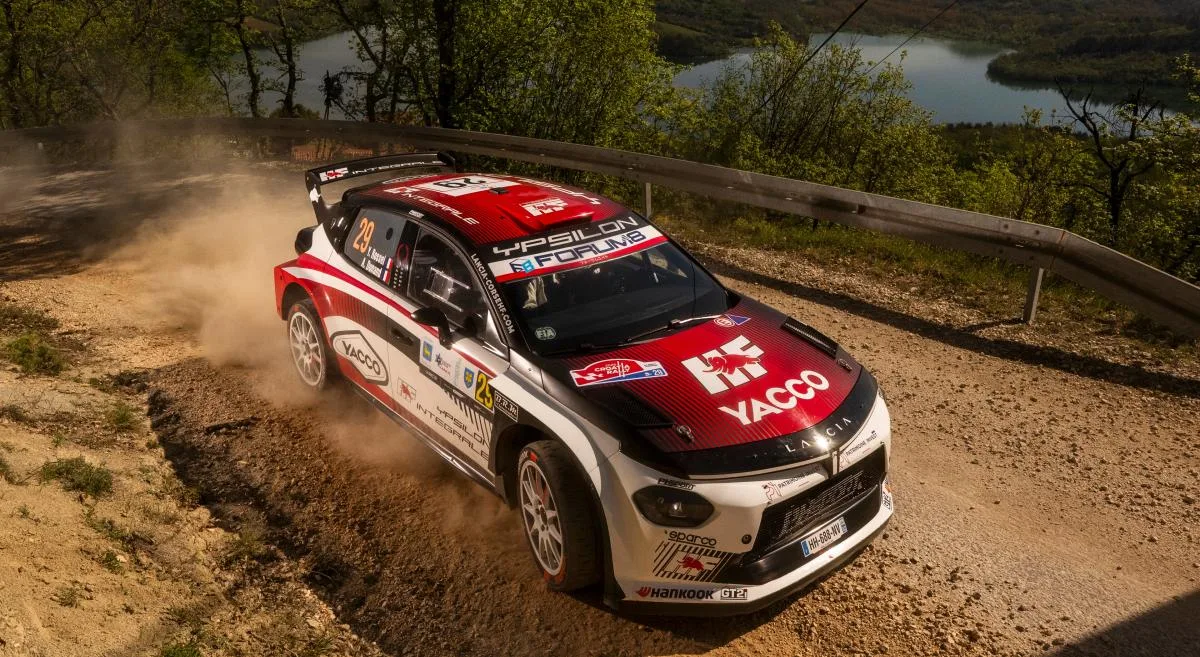
Lancia mulai menguji paket WRC Kit pada Ypsilon Rally2 demi ambisi kelas utama. Simak analisis mendalam mengenai masa depan tim dan pembalap di sini.
 Lanjutkan dengan Google
Diskusi & Komentar (0)
Mari Bergabung dalam Diskusi!
Masuk dengan mudah untuk mulai memberikan komentar, membalas, dan berinteraksi dengan pembaca lainnya.
Komentar Terbaru
Belum ada komentar. Jadilah yang pertama!