








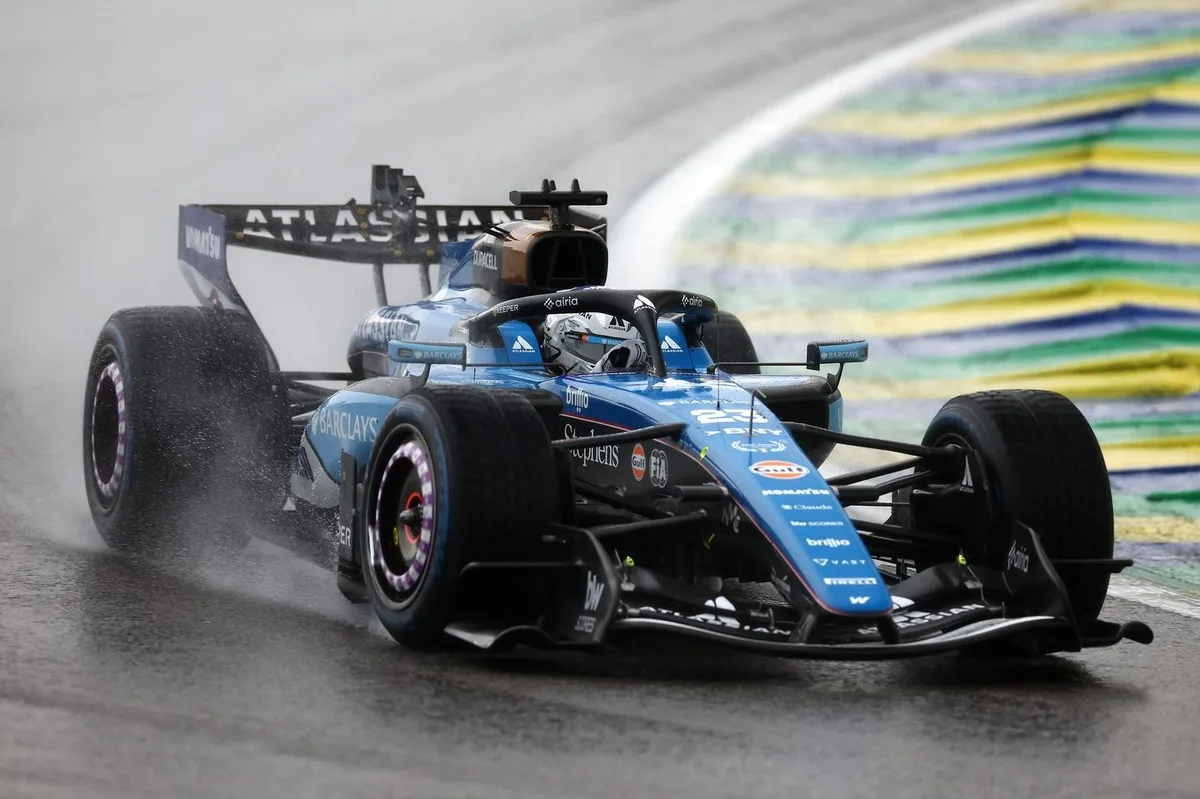
Formula 1 competition constantly demands massive sacrifices, a reality currently faced by the Williams squad amid a demanding racing calendar. Team principal James Vowles has candidly confessed to making one of the most brutal and counterintuitive decisions of his career by halting all aerodynamic upgrades to redirect resources toward the following year's campaign. This controversial shift came after the Grove-based outfit struggled with the massive workload required to build an entirely new challenger, which ultimately arrived late, overweight, and aerodynamically underdeveloped.
These structural hurdles forced Alexander Albon and his garage crew to fight an uphill battle on track with a package that lacked fundamental performance. Although the team poured significant resources into shedding chassis weight with updates introduced earlier in Baku, accumulating just 12 points so far forced management into a protective stance. A major portion of the remaining cost cap resources has now been ringfenced to optimize next season's car project, sacrificing immediate track performance for long-term gains.
This strategic pivot directly halted the production of new parts despite promising development metrics yielded in the wind tunnel. "We've purposely not spent money, we had more aero locked away in the wind tunnel that we have not brought to the track, really saving the cost cap dollars for next year," Vowles explained during the race weekend. "It's horribly painful. I can't tell you how painful it was to sit in the meeting and make those decisions, because it's just not the way you think. You want every millisecond on track."

The strict financial approach has also resulted in tight spare parts inventory, with the team pushing components to their maximum mileage limits to avoid spending money on soon-to-be obsolete elements. This forward-looking strategy even transformed recent Friday practice sessions into dedicated test runs—such as data-gathering exercises witnessed during race weekends in Austin and Mexico—sacrificing immediate setup work to fast-track future development.
Such a pragmatic outlook highlights that team leadership recognizes points will only materialize if fortune favors them in the remaining rounds. Consequently, heavy investments in future architecture remain the most logical path forward. Read our in-depth analysis on paddock dynamics and technical updates right here on Sportrik.
Baca Juga
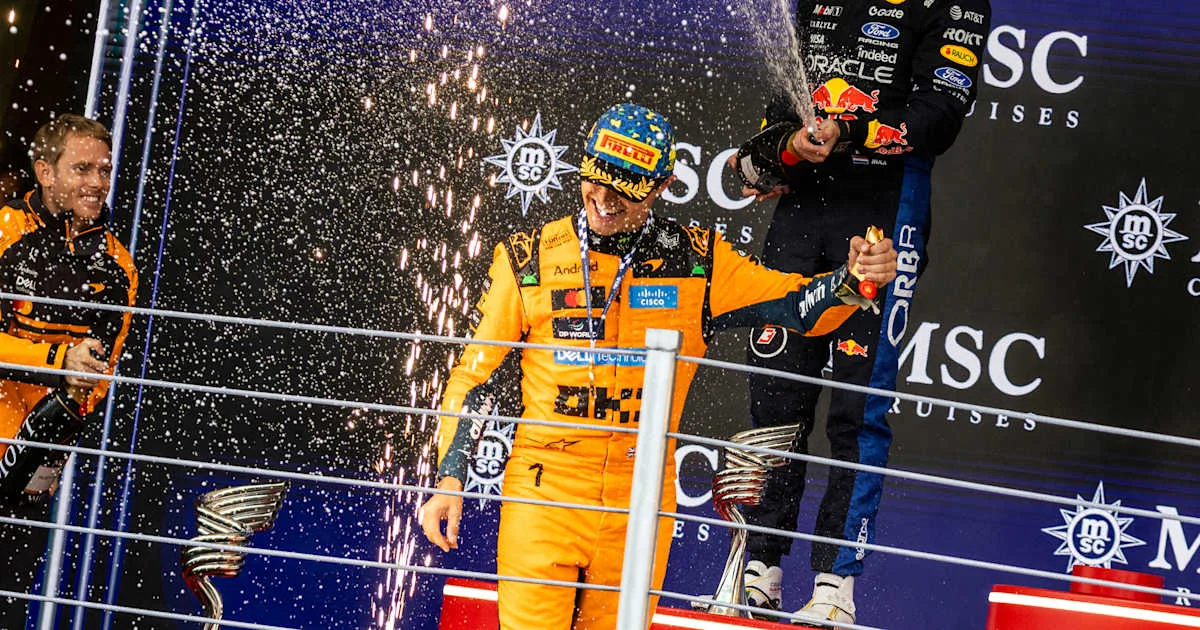
Simak perjalanan karier gemilang Lando Norris bersama McLaren dari debut hingga perayaan ulang tahun ke-27. Baca analisis lengkapnya di sini.
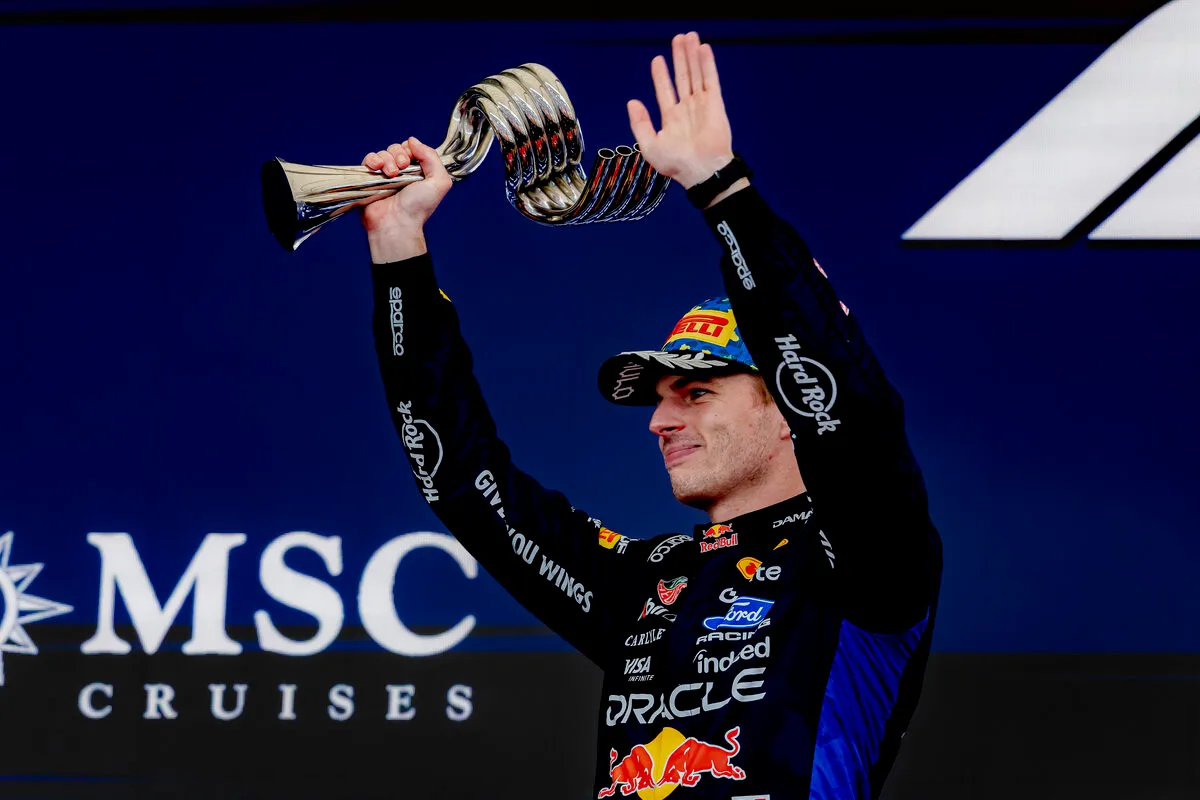
Simak analisis rekor luar biasa Max Verstappen yang sukses meraih podium Formula 1 dari 18 posisi start berbeda. Baca selengkapnya di sini!
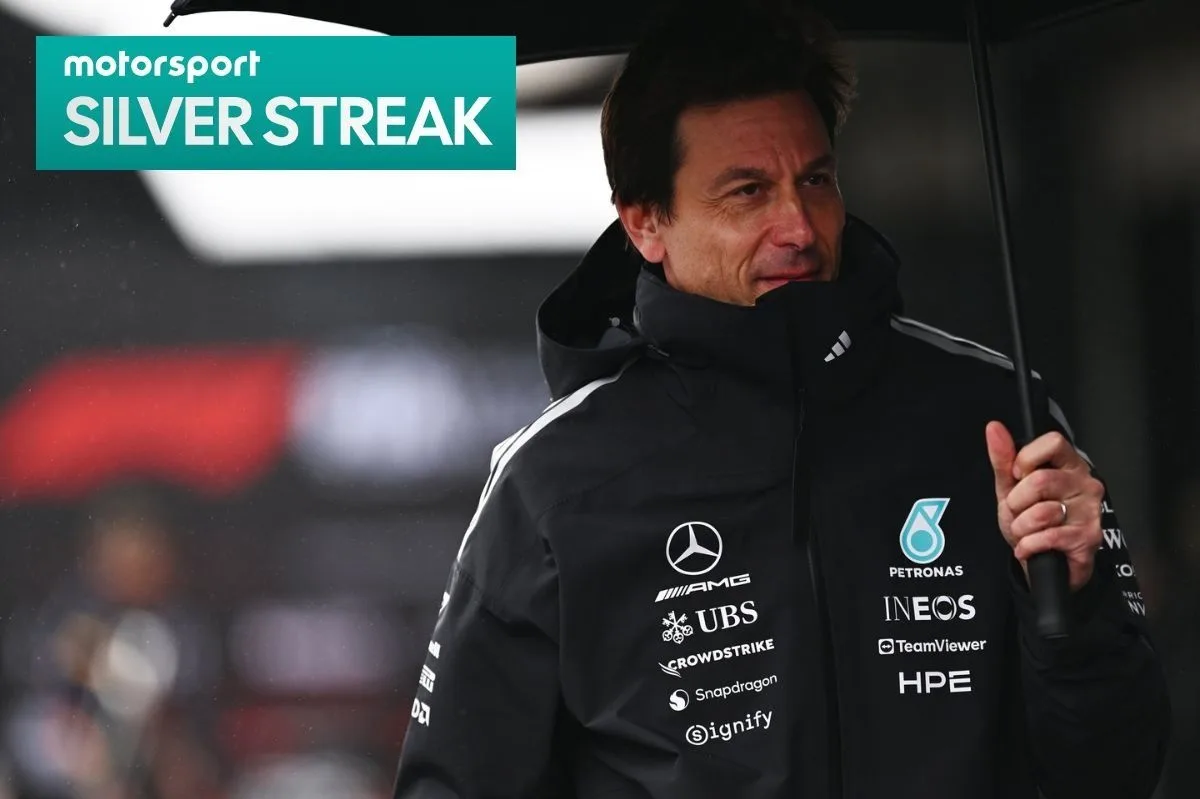
Simak kisah di balik layar ketika Toto Wolff sempat mengajukan pengunduran diri dari Mercedes. Baca analisis lengkap dinamika internal tim F1 di sini.
 Lanjutkan dengan Google
Diskusi & Komentar (0)
Mari Bergabung dalam Diskusi!
Masuk dengan mudah untuk mulai memberikan komentar, membalas, dan berinteraksi dengan pembaca lainnya.
Komentar Terbaru
Belum ada komentar. Jadilah yang pertama!