









The strategic decision taken by Ferrari during the wet-weather start at the recent Brazilian Grand Prix has come under intense scrutiny within the paddock. The Maranello-based team attempted a bold technical gamble by significantly increasing the tire pressures on their intermediate tires, a move specifically applied to Lewis Hamilton's car. While the intention to gain superior grip during the opening stages was clear, the decision ultimately backfired on their long-term performance at the Autodromo Jose Carlos Pace.
In the early moments of the race, Hamilton indeed executed a masterful start. The seven-time world champion surged forward with high precision, demonstrating his class amidst the challenging circuit conditions. However, this advantage was short-lived. As the race progressed, the excessively high tire pressures triggered a drastic performance drop-off, causing the driver to rapidly lose ground in the running order throughout the event.
This strategic failure has sparked debate among engineers regarding the effectiveness of tire simulations in extreme weather conditions. As reported by FormulaPassion, Ferrari's approach to optimizing tire temperatures through higher pressures compromised the car's aerodynamic balance. Consequently, instead of achieving maximum traction, the car lost stability once the track began to dry slightly or when the tires suffered from thermal degradation faster than the team had initially predicted.
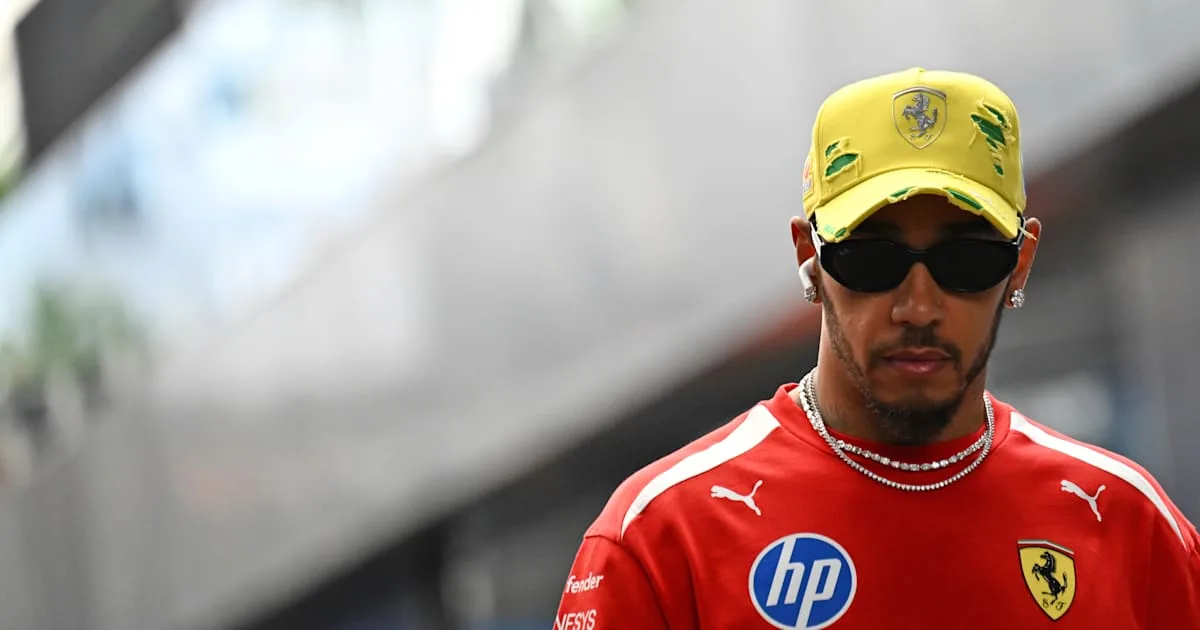
This situation underscores the razor-thin margin between tactical brilliance and fatal error in Formula 1. Hamilton, who recently joined the team, now faces the reality that adapting to Ferrari's technical philosophy requires deeper synchronization, particularly regarding emergency decision-making during the heat of a race. This dynamic serves as a valuable lesson for the team to be more cautious when calculating tire pressure variables in the future.
Overall, the gamble at Interlagos serves as a reminder that at the highest level of motorsport, there is no room for uncalculated speculation. Ferrari must now evaluate their strategic decision-making procedures to ensure such mistakes do not recur in the remaining races of the season. The primary focus now shifts to improving data management to ensure that every call made on the pit wall is based on more precise calculations that the drivers can rely on.
Baca Juga

Simak analisis mendalam Liam Lawson mengenai keharmonisan tim dan strategi sukses Racing Bulls di F1 musim ini. Baca selengkapnya di sini!

Simak laporan lengkap kunjungan Lewis Hamilton ke perbatasan Rafah untuk menyuarakan krisis kemanusiaan di Gaza. Baca analisis mendalam di sini.
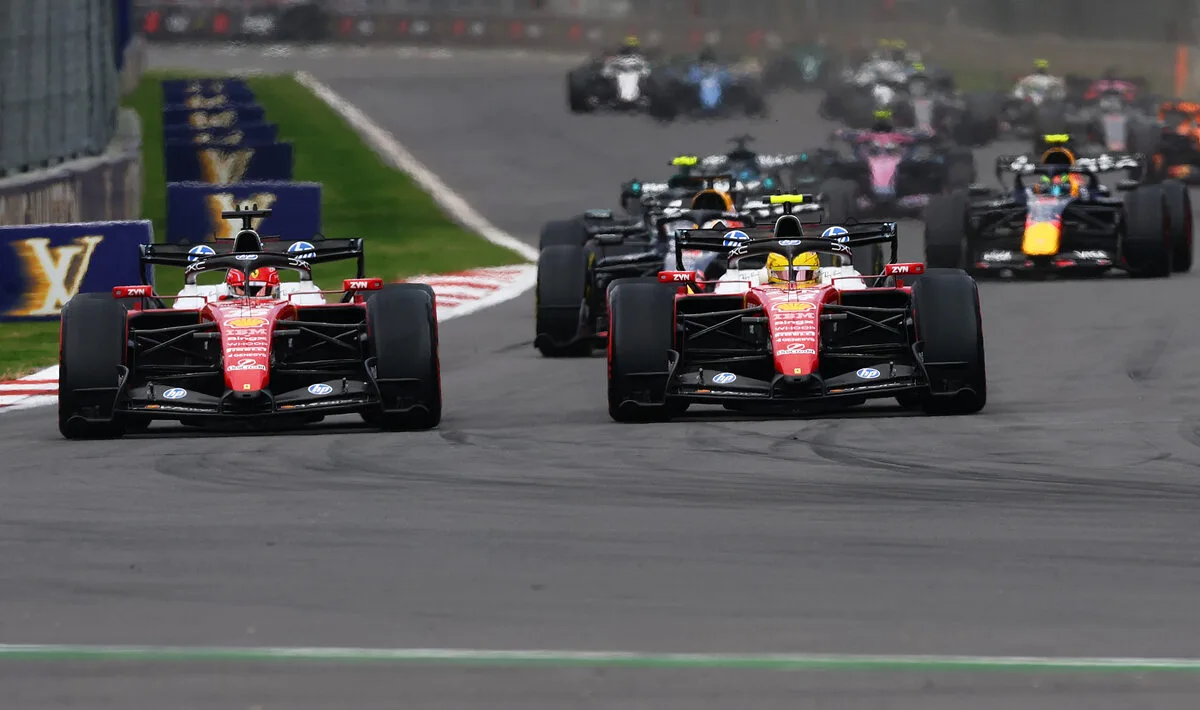
Peter Windsor mengkritik tajam konflik internal Ferrari antara Leclerc dan Hamilton. Simak analisis mendalam mengenai dinamika rivalitas mereka di sini.
 Lanjutkan dengan Google
Diskusi & Komentar (0)
Mari Bergabung dalam Diskusi!
Masuk dengan mudah untuk mulai memberikan komentar, membalas, dan berinteraksi dengan pembaca lainnya.
Komentar Terbaru
Belum ada komentar. Jadilah yang pertama!