








The Las Vegas Grand Prix recently etched itself into the record books with a staggering 352 overtakes and 35 lead changes. These numbers have sparked intense debate across the paddock regarding whether this spectacle was a byproduct of artificial 'yo-yo' racing or a genuine display of competitive mastery. Unlike the early season rounds where energy management dictated the flow, the dynamics at the Las Vegas street circuit were primarily driven by the raw physics of a highly influential slipstream effect.
Max Verstappen, who emerged victorious, offered a satirical take on the proceedings, likening the race to a gaming experience. "I remember winning one like this when I was playing Mario Kart," he remarked to the media afterward. However, labeling the Las Vegas event as mere 'yo-yo' racing is a mischaracterization; the intensity of the battles more closely mirrored the classic, slipstream-heavy racing seen at circuits like Monza in the early 1970s.
In the 'yo-yo' racing that has often drawn criticism this year, position swaps frequently occurred solely due to energy offsets between cars. A driver saving battery on one section would surge past a rival, only to be re-passed on the subsequent straight. This created an illusion of close racing, yet lacked the depth of genuine wheel-to-wheel combat. Conversely, the Las Vegas incident was the consequence of circuit characteristics that maximized the aerodynamic benefits of trailing in a slipstream.
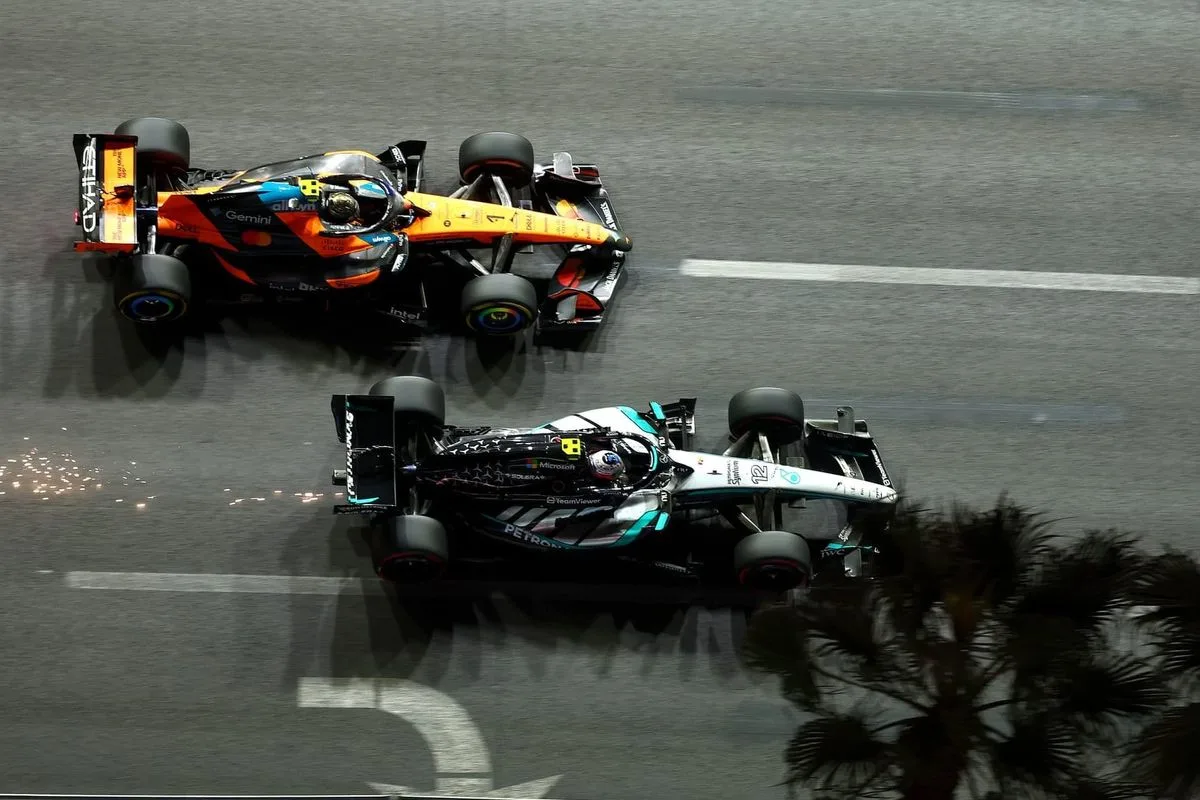
The physics of the Las Vegas track allowed the car behind to gain a significant straight-line advantage, as it did not have to punch a hole through the air. When cars are in such close proximity, overtakes become a natural outcome of aerodynamic physics rather than a manipulation of energy deployment. Audi racing director Allan McNish maintains that this phenomenon is not a gimmick, but a fundamental aspect of racing that has been understood and celebrated since the sport's golden eras.
This outcome provides a vital lesson for Formula 1 regarding how circuit geometry can organically dictate race quality. While many remain skeptical of high-volume statistics, Las Vegas demonstrated that, under the right conditions, cars can engage in intense combat without relying heavily on complex energy management strategies. It remains a form of racing that demands immense mental fortitude and composure as drivers navigate high-speed traffic.
Baca Juga
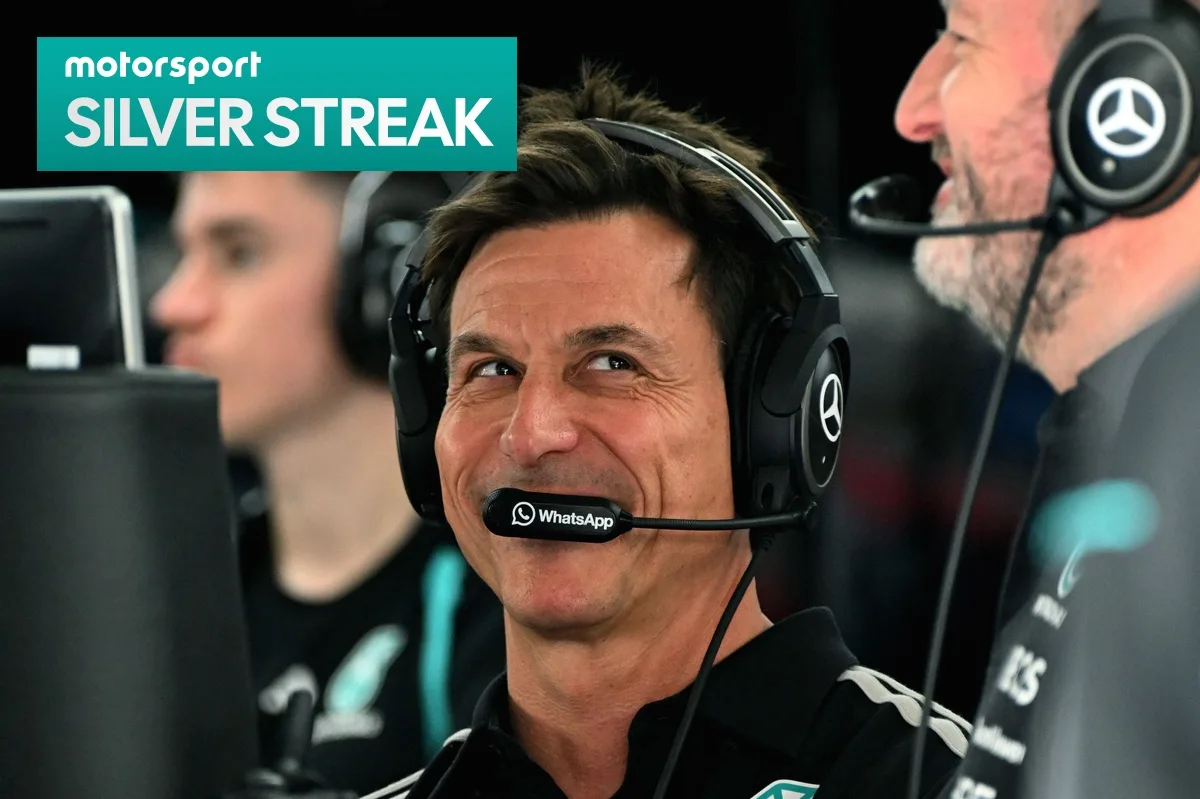
Simak analisis Toto Wolff mengenai keseruan Las Vegas GP 2026 yang disebutnya sebagai perpaduan unik antara F1, Indy 500, dan NASCAR. Baca selengkapnya di sini.
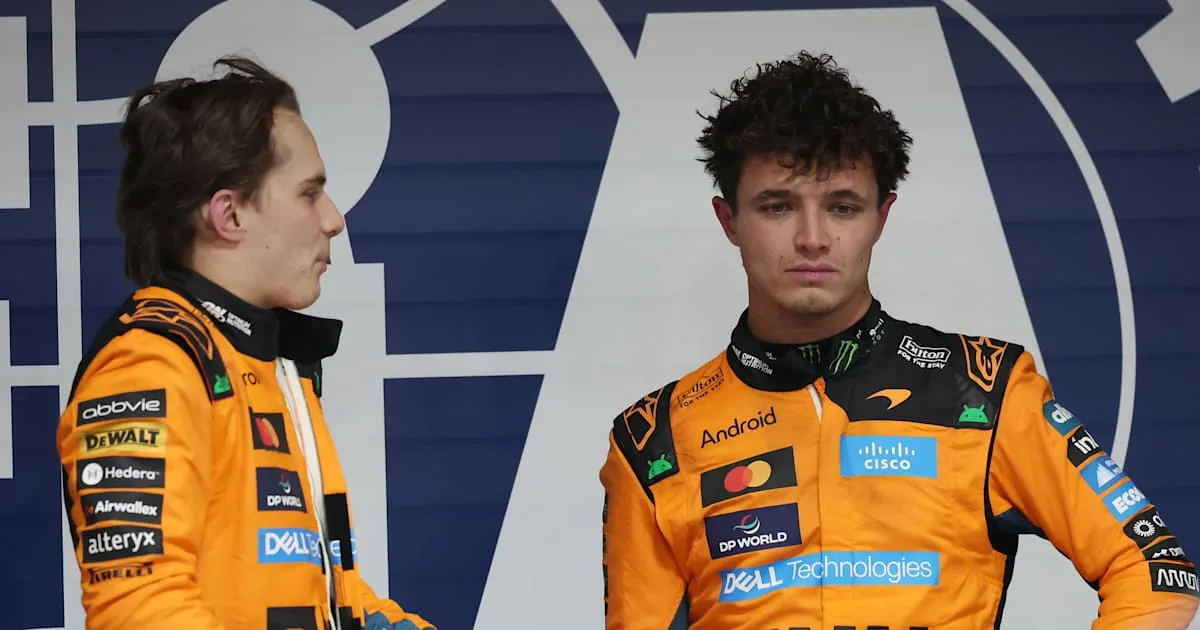
Simak strategi Andrea Stella dalam mengelola rivalitas Lando Norris dan Oscar Piastri di McLaren. Baca analisis mendalam mengenai dinamika tim di sini.
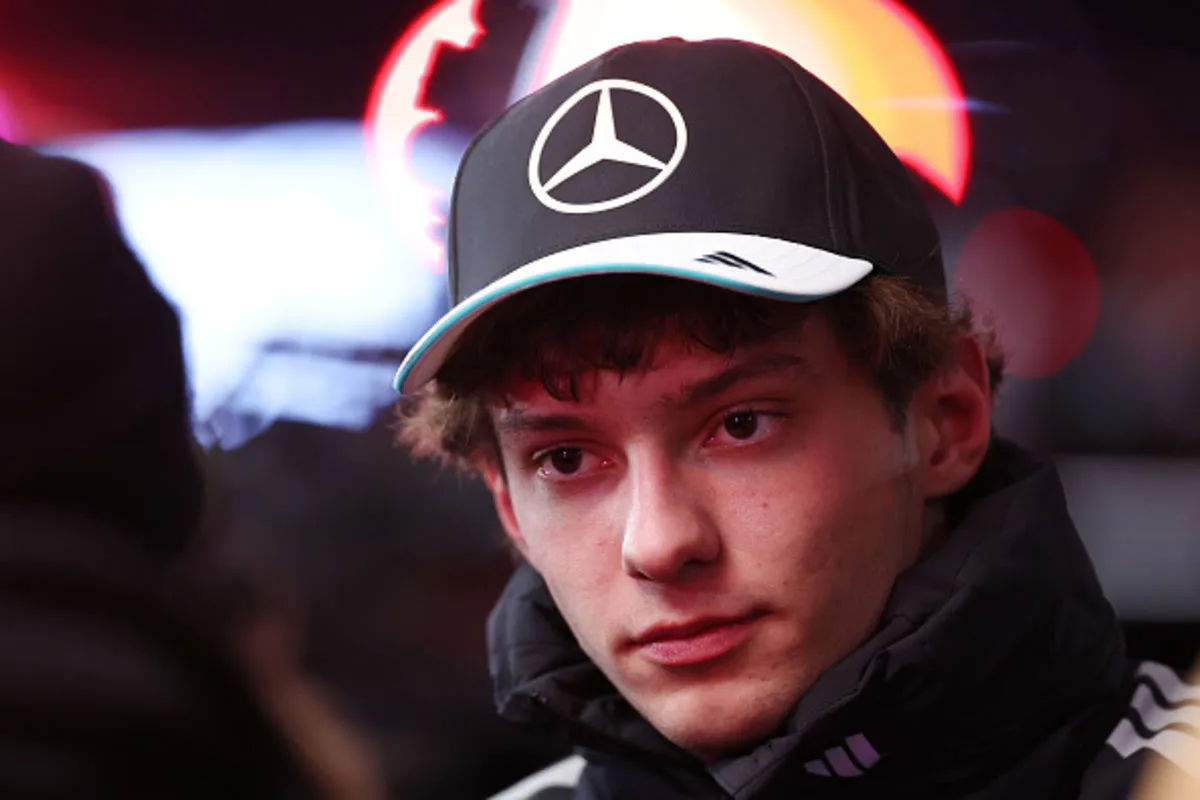
Kimi Antonelli kecewa berat kehilangan kemenangan di Las Vegas akibat masalah baterai. Simak ulasan lengkap dan analisis jalannya balapan di sini.
 Lanjutkan dengan Google
Diskusi & Komentar (0)
Mari Bergabung dalam Diskusi!
Masuk dengan mudah untuk mulai memberikan komentar, membalas, dan berinteraksi dengan pembaca lainnya.
Komentar Terbaru
Belum ada komentar. Jadilah yang pertama!