







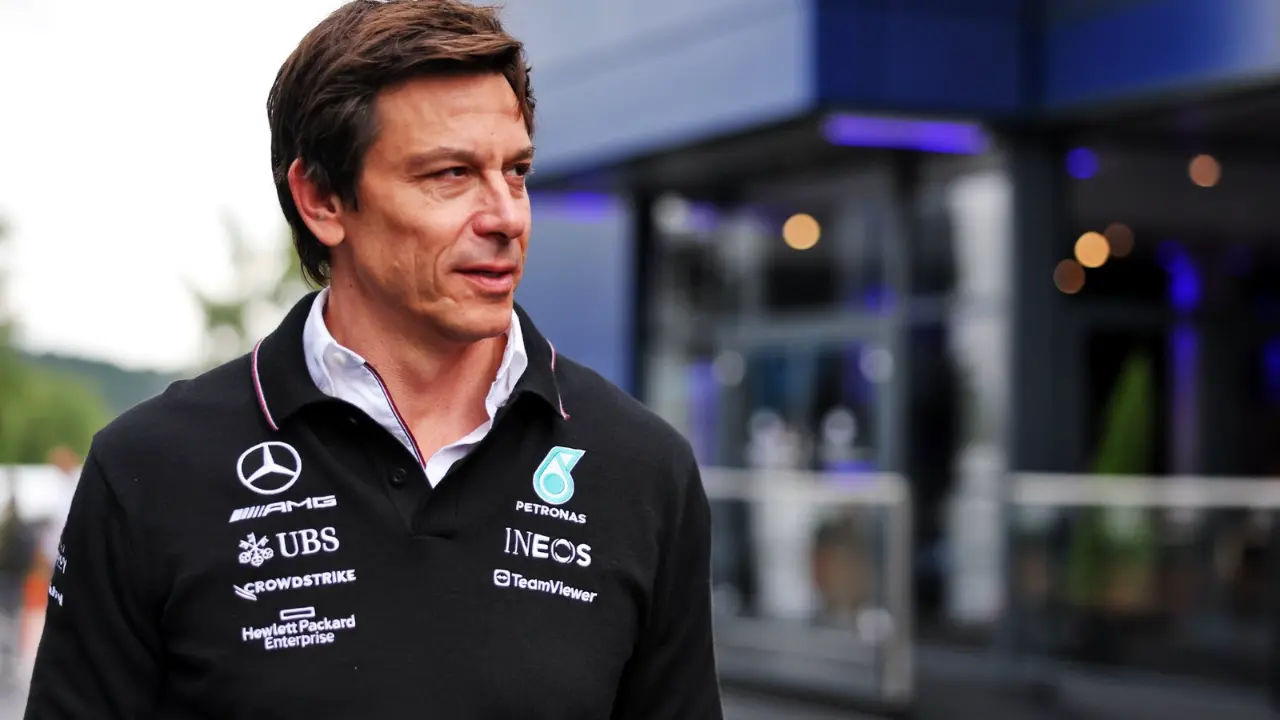

Formula 1, Sportrik Media - Toto Wolff has raised significant concerns over the safety implications of Formula 1’s 2026 power unit regulations following the incident involving Oliver Bearman at the Japanese Grand Prix.
The new engine formula, which operates on a 50/50 split between electrical energy and internal combustion, has introduced a new dynamic to performance management. While it has created strategic variation, it has also led to substantial speed differentials between cars depending on energy deployment and harvesting phases.
This was clearly illustrated at Suzuka, where Bearman, driving for Haas, approached Franco Colapinto at Spoon Curve with an estimated speed difference of around 50 km/h. Forced to take evasive action, Bearman ran onto the grass, crossed the track, and impacted the barriers with a force measured at 50G.
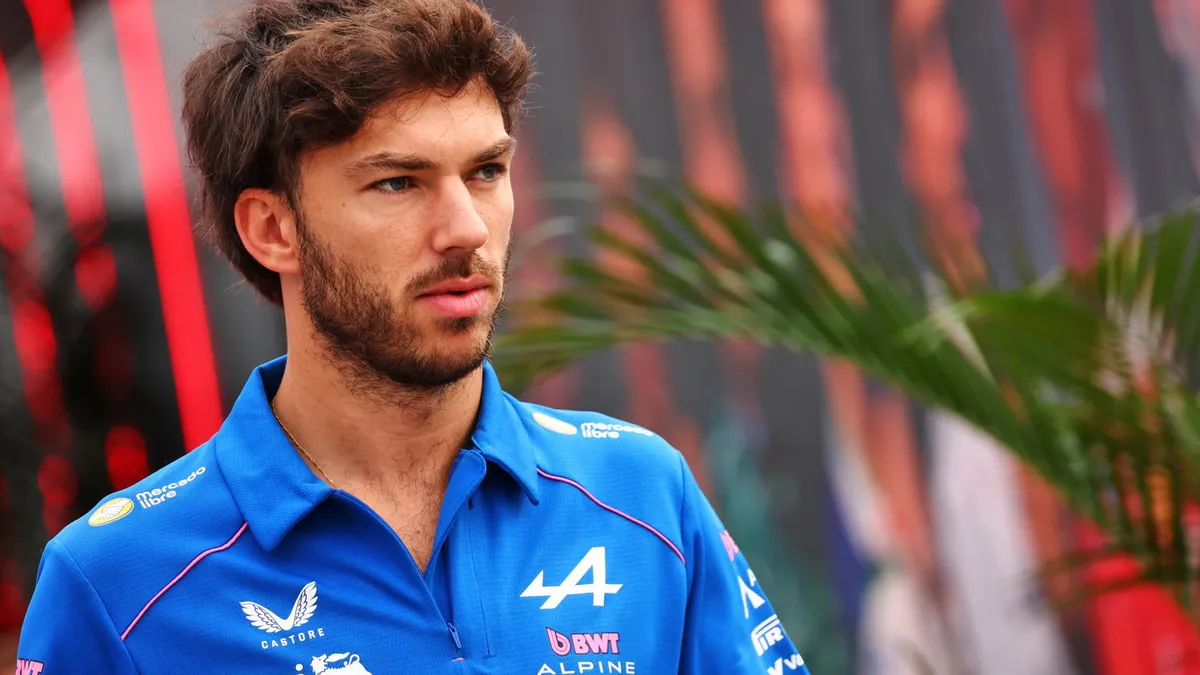
Although the British driver escaped with only minor injuries, the incident has prompted immediate attention from the FIA and teams, with detailed analysis expected to follow.
“That’s something we clearly need to look at. The regulations are still in a very immature state,” Wolff said.
He emphasized that both the governing body and teams must carefully evaluate the circumstances surrounding the crash to prevent similar situations in the future.
However, Wolff stressed that extreme closing speeds are not the only concern. Drivers have also reported unpredictable behaviour from the power units when making even minor throttle adjustments.
At Suzuka, several drivers highlighted that small lifts off the throttle could trigger inconsistent and difficult-to-manage responses from the engine, affecting car stability.
“This is something we need to work on, to make it less sensitive. The tiniest lift can create an unpredictable situation,” Wolff explained.
While acknowledging that some variability may stem from how drivers manage energy deployment throughout a lap, Wolff maintained that the system itself requires refinement to reduce unpredictability.
“If you deploy a lot of energy early in the lap, you shouldn’t be surprised to run out later. But there is clearly an aspect we need to optimise to reduce this unpredictability,” he added.
The situation underlines the early-stage nature of the 2026 power unit regulations, where teams are still adapting to complex energy management systems. It also reinforces broader concerns within the paddock about balancing technological innovation with driver safety.
With discussions scheduled between teams and the FIA, potential adjustments to the regulations and system behaviour could become a priority in the coming weeks. As Formula 1 continues to evolve, ensuring that performance gains do not compromise safety will remain central to the championship’s technical direction heading into the next rounds of the 2026 season.
Baca Juga
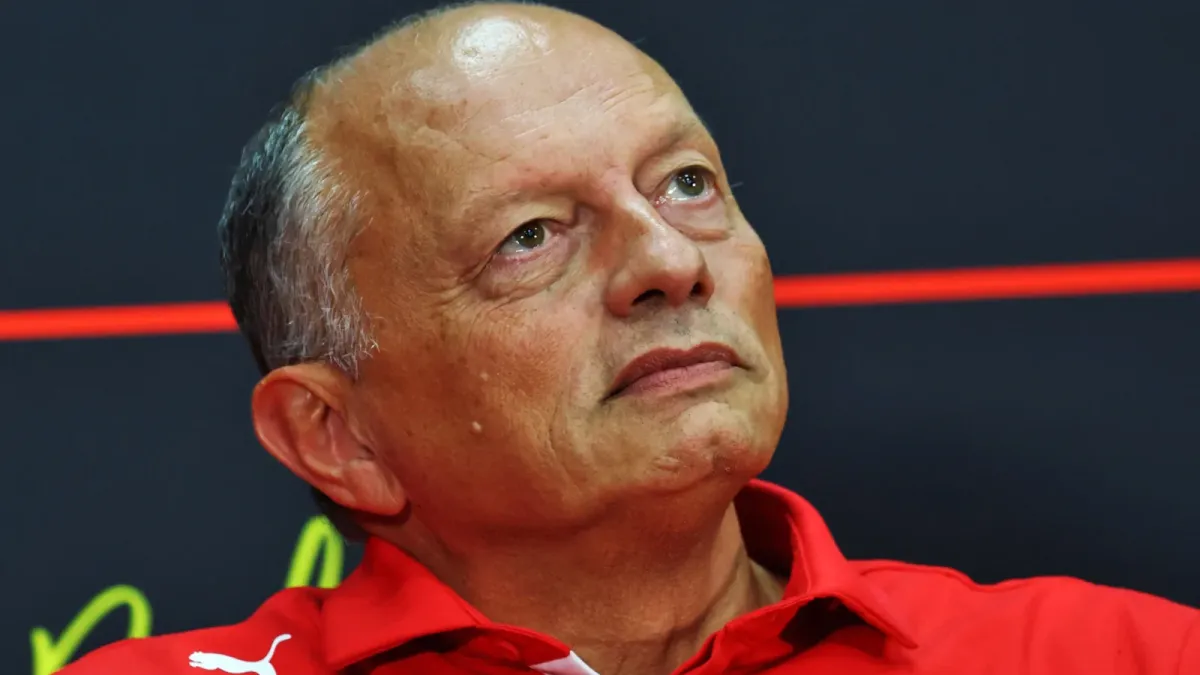
Fred Vasseur akui penyesalan atas blunder pemilihan ban kering Ferrari yang hambat peluang Lewis Hamilton menang di Sepang.
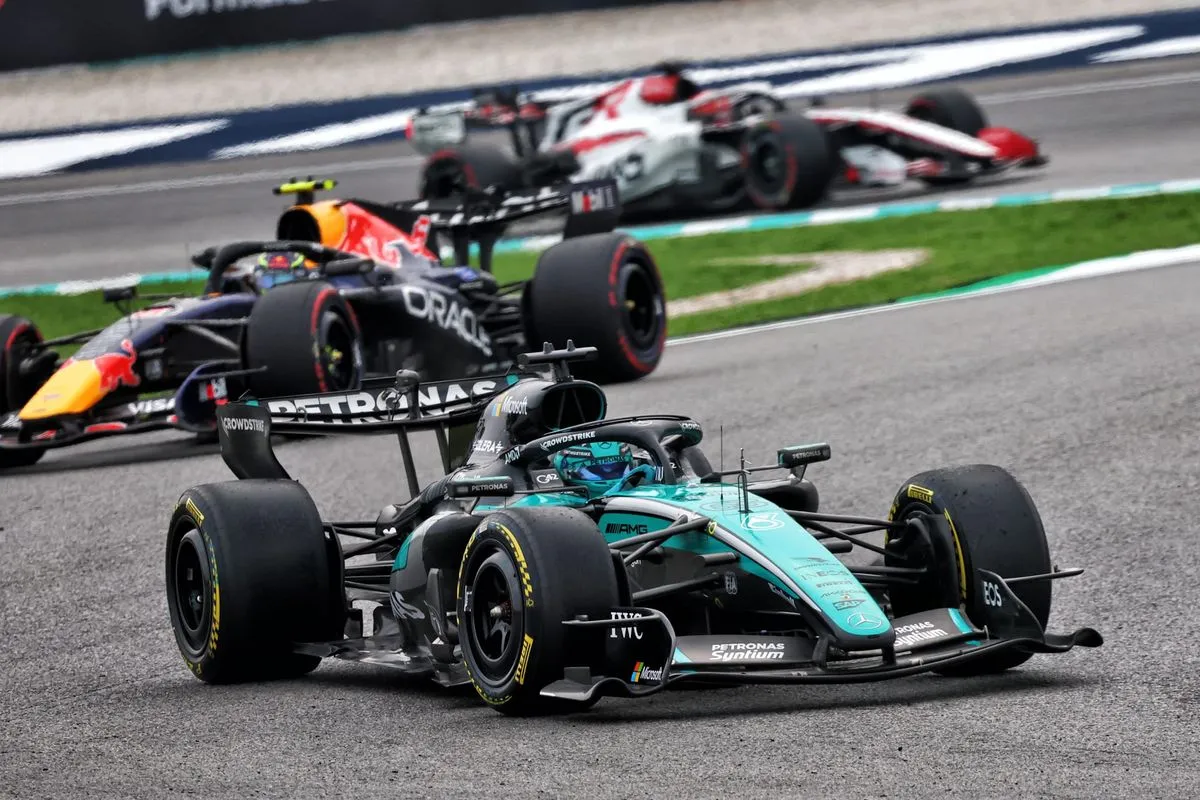
George Russell terancam penalti grid ganda Formula 1 setelah gagal finis di GP Malaysia akibat masalah mesin Mercedes yang krusial.
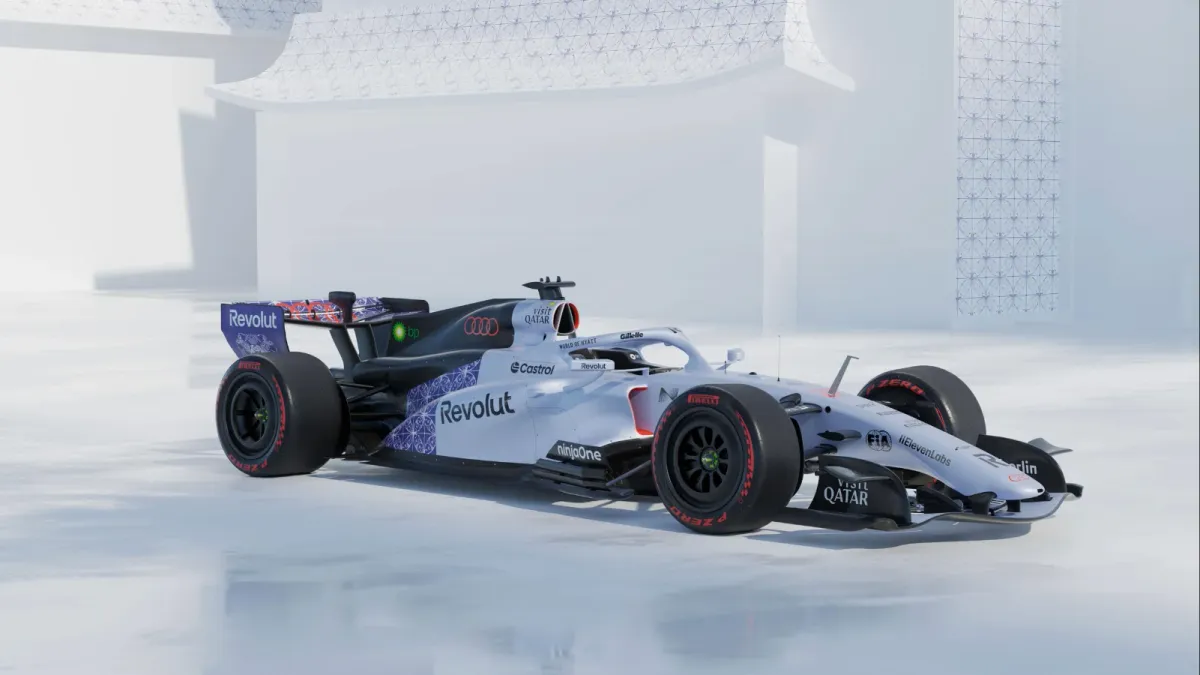
Audi pamerkan livery spesial bertema Pola Peranakan untuk F1 GP Singapura di Marina Bay dengan warna titanium dan kilauan biru yang memukau.
 Lanjutkan dengan Google
Diskusi & Komentar (0)
Mari Bergabung dalam Diskusi!
Masuk dengan mudah untuk mulai memberikan komentar, membalas, dan berinteraksi dengan pembaca lainnya.
Komentar Terbaru
Belum ada komentar. Jadilah yang pertama!