








Lance Stroll has finally broken his silence on the performance deficit that has plagued Aston Martin, revealing that the Honda power unit is costing the team around two seconds per lap compared to the competitive benchmark in Formula 1. This marks the first time a driver has quantified the gap that has long been whispered about in the paddock.
Speaking ahead of the Malaysian Grand Prix, Stroll emphasised that the power shortfall is a fundamental weakness that cannot be masked by chassis improvements. “We're missing two seconds in engines, so it's difficult,” he said. He added that tracks like Baku and Monza, with their long straights, will be particularly painful due to the power-sensitive nature of those circuits.
Despite the grim assessment, Stroll remains optimistic about the car's development direction. “The car is going to get a lot better. We have a plan, a good direction. We know what we have to do to put downforce on the car,” he explained. However, he admitted that uncertainty over Honda's 2027 engine performance is a major question mark that the team cannot yet answer.

Criticism of Honda has been simmering all season. Adrian Newey, brought in as technical director, made controversial remarks at the Australian Grand Prix that implicitly blamed the power unit supplier. Since then, Newey has avoided the microphone, and tensions between the team and Honda have been palpable. Now Stroll has reopened the debate with concrete numbers.
Honda, for its part, has not been idle. The Japanese manufacturer has already utilised the second ADUO (Additional Development and Upgrade Opportunities) window after its ICE was measured more than 4% down on the Red Bull-Ford benchmark. Initially planning just one upgrade this season, Honda changed course and introduced a new turbocharger to address turbo lag issues that both drivers had been experiencing.
Nevertheless, harvesting and deploying the full permitted quantities of electrical energy remain problematic, affecting driveability and consistency. The upgrades have not fully resolved the fundamental issues, particularly in energy efficiency, which is crucial in the current regulations.
With the season still ongoing, Aston Martin finds itself at a crossroads. On one hand, they have an aerodynamic package that continues to evolve under Newey's guidance. On the other, the Honda power unit's limitations cap the car's potential. Stroll and Fernando Alonso must remain patient before they can challenge at the front.
The decision of both drivers to stay until 2027 signals long-term commitment but also a significant gamble. If Honda cannot close the two-second gap, Aston Martin risks falling further behind the top teams. Next season will be the true test for this ambitious project.
Baca Juga
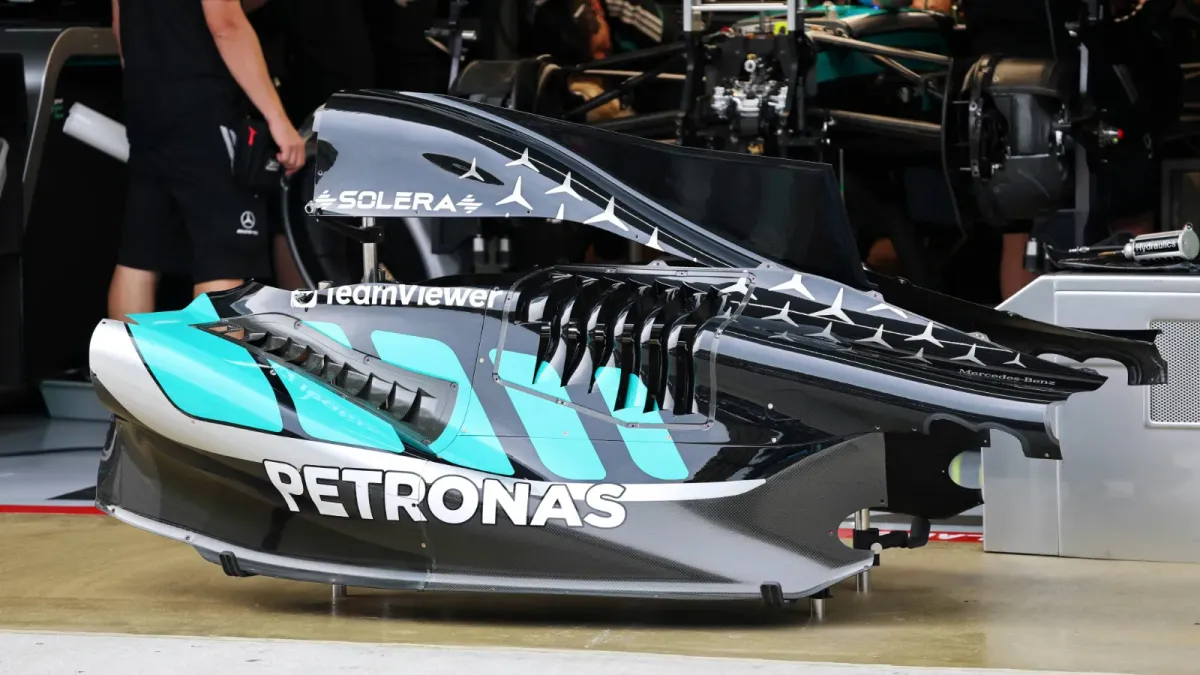
Mercedes perkenalkan upgrade radikal W17 di GP Bahrain 2026 di Sepang. Fokus pada sidepod dan lantai untuk atasi kelemahan tikungan lambat. Downforce naik 4%.
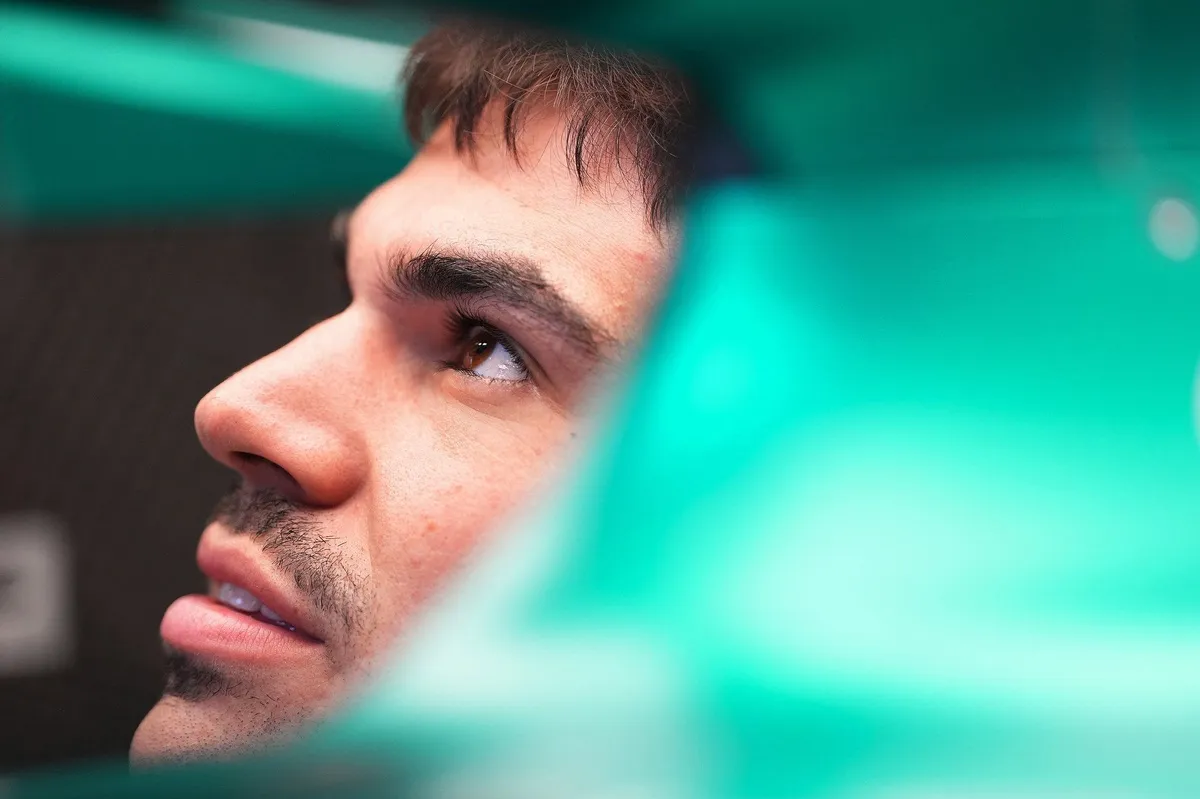
Lance Stroll ungkap power unit Honda bikin Aston Martin lambat 2 detik per lap di F1. Simak analisis dan dampaknya bagi masa depan tim.

Max Verstappen akan debut di GT World Challenge Europe di Portimao, menantang Valentino Rossi. Simak jadwal, tim, dan persiapannya.
 Lanjutkan dengan Google
Diskusi & Komentar (0)
Mari Bergabung dalam Diskusi!
Masuk dengan mudah untuk mulai memberikan komentar, membalas, dan berinteraksi dengan pembaca lainnya.
Komentar Terbaru
Belum ada komentar. Jadilah yang pertama!