








Last winter presented a brutal challenge for WorldSBK contenders as relentless rain washed out nearly all pre-season track action. However, a stark contrast unfolded at the sunny Jerez circuit in southern Spain, where riders enjoyed crisp 17-degree conditions for the second major private test following the conclusion of the racing season.
Beyond the introduction of the brand-new balance regulations merging fuel flow parameters with maximum rev limits, alongside the shift to Michelin tires, a major overhaul of testing allocations has taken center stage within the paddock.
WorldSBK Executive Director Gregorio Lavilla launched a sharp critique regarding the glaring contradiction between teams constantly whining about escalating operational expenditures and their relentless appetite for track time.
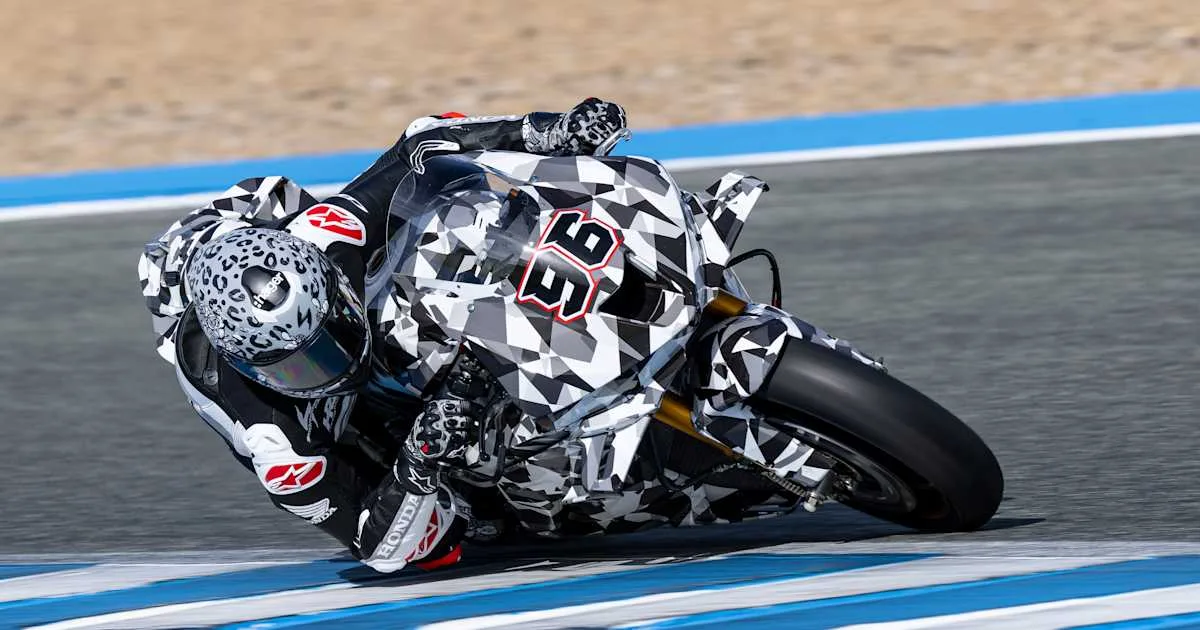
"In other major championships, they have four or six test days," Lavilla told SPEEDWEEK, drawing direct comparisons. "We previously had twelve, plus the days where riders train on production bikes that closely mirror a Superbike. The riders train endlessly. You cannot complain about costs on one hand and test like crazy on the other."
Adding fuel to the fire, struggling manufacturers granted technical concessions receive extra testing allowances, while all major brands maintain separate test squads to varying degrees. The scheduled reduction from twelve to ten test days for the upcoming campaign—leaving eight strictly for private sessions—aims to curb unnecessary spending.
Attention now shifts to the upcoming running at Valencia, where fans will witness the highly anticipated debut of heavyweight recruits transitioning into the production-based series.
Baca Juga
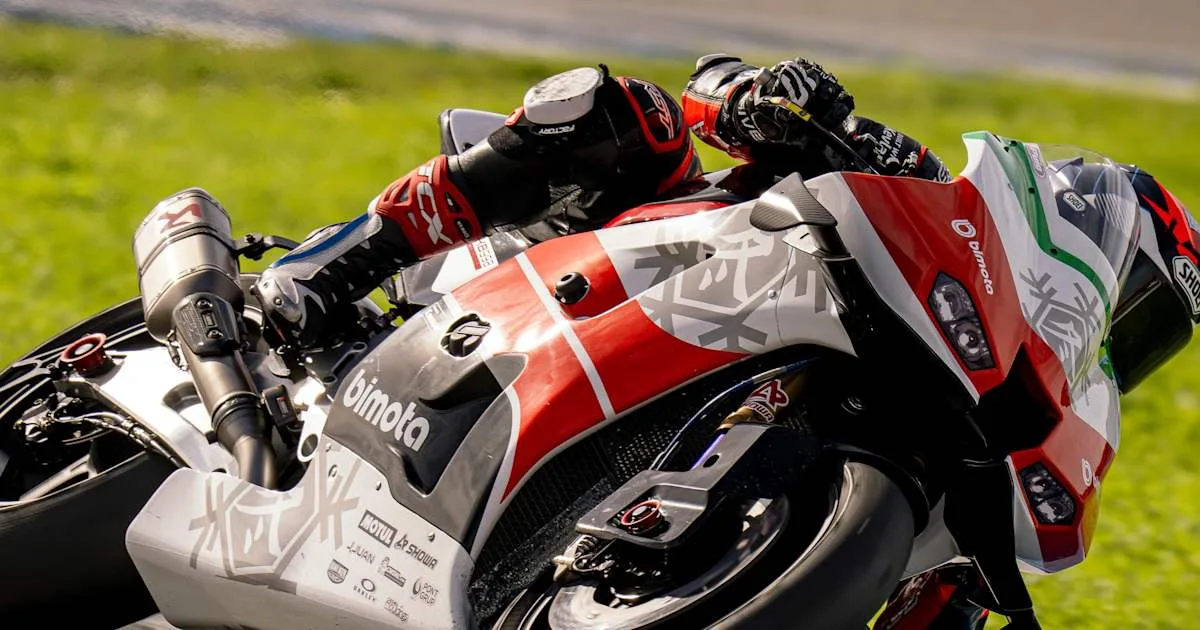
Alex Lowes memuncaki uji coba WorldSBK di Jerez bersama Bimota. Simak analisis performa tim dan perkembangan teknis terbaru di sini selengkapnya.
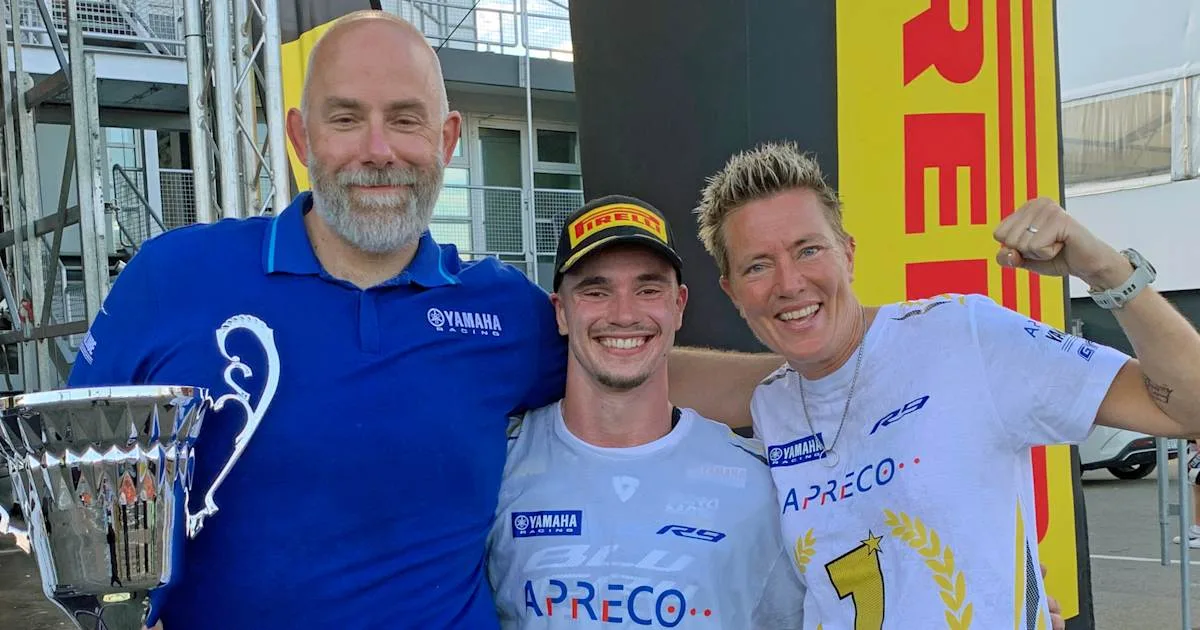
Simak strategi rahasia Yamaha di IDM Supersport, perjalanan gelar Dirk Geiger, dan persiapan menuju WorldSBK. Baca analisis mendalam di sini.
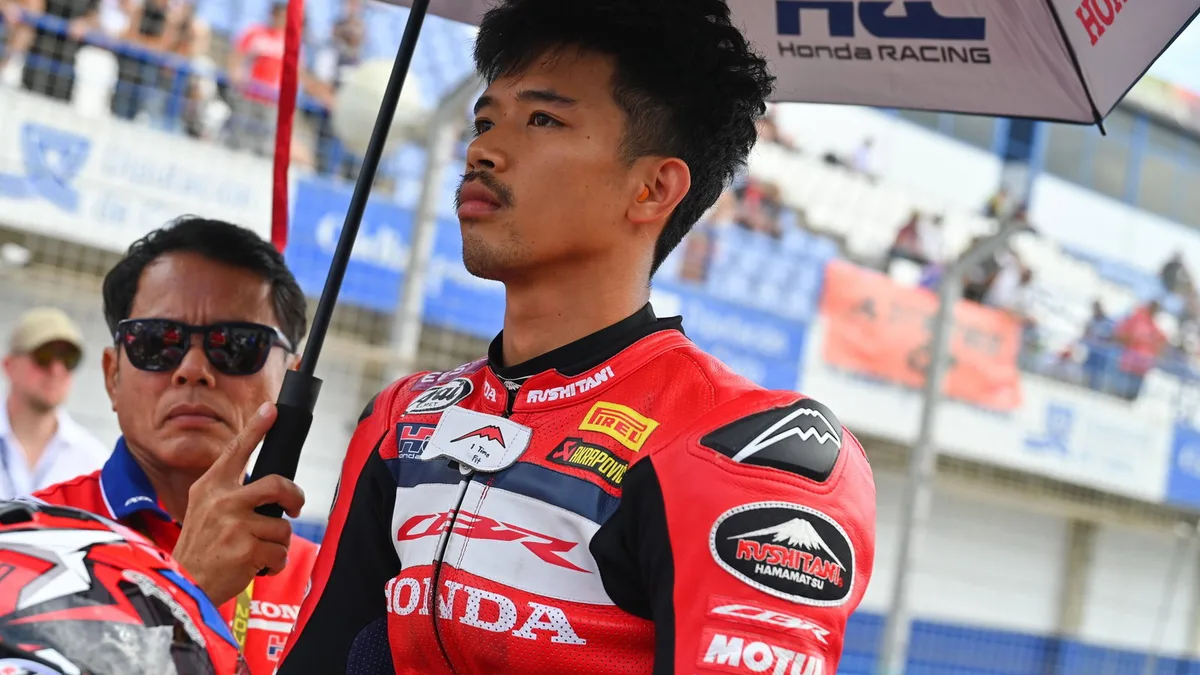
Somkiat Chantra absen di tes WorldSBK Jerez karena operasi pergelangan tangan. Simak perkembangan terbaru tim Honda HRC dan aksi Jake Dixon di sini.
 Lanjutkan dengan Google
Diskusi & Komentar (0)
Mari Bergabung dalam Diskusi!
Masuk dengan mudah untuk mulai memberikan komentar, membalas, dan berinteraksi dengan pembaca lainnya.
Komentar Terbaru
Belum ada komentar. Jadilah yang pertama!