






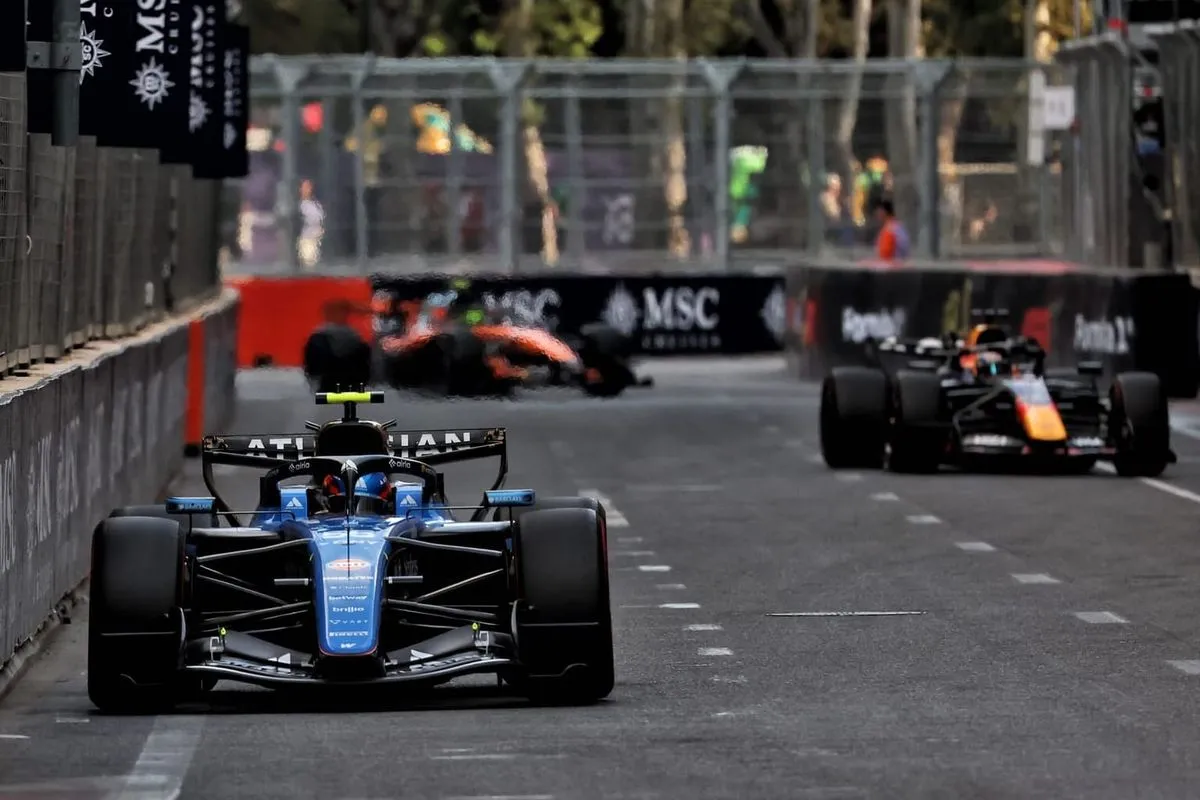

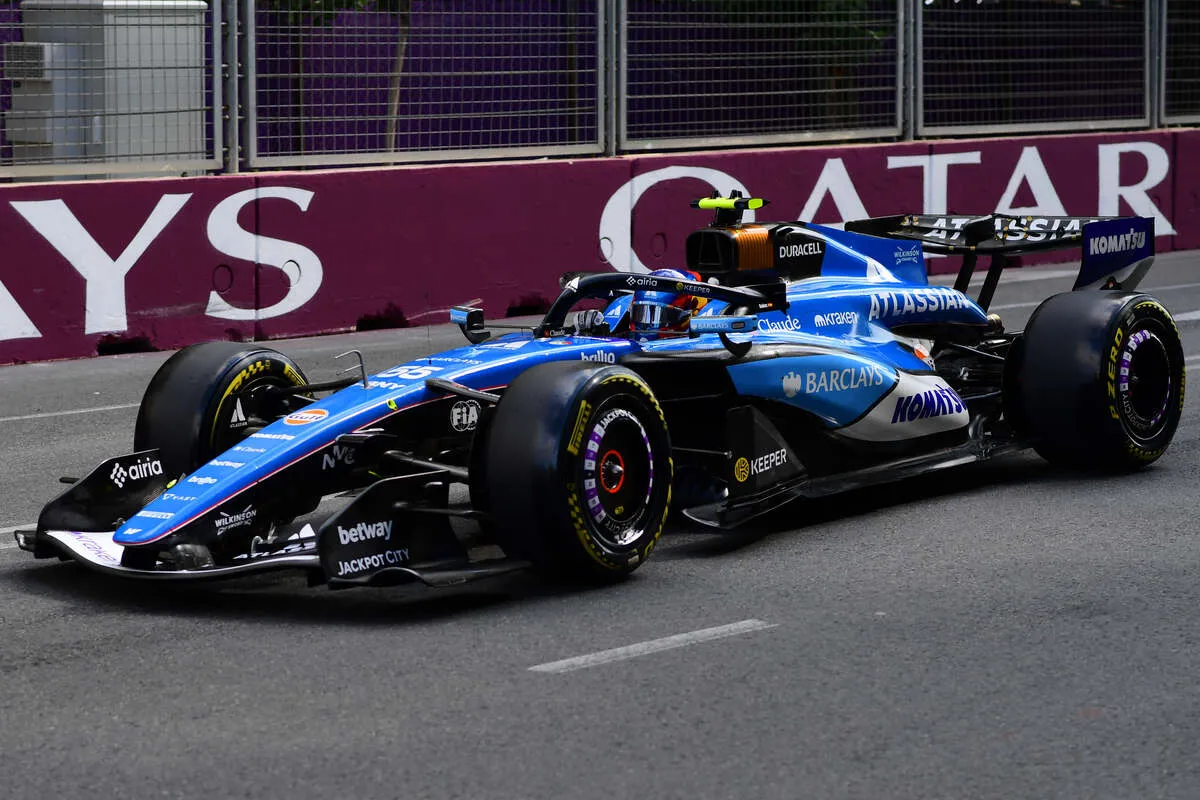
Carlos Sainz endured a bitter pill at the Azerbaijan Grand Prix. The Williams driver was hit with a five-place grid penalty for ignoring yellow flags during qualifying. The sanction robs Williams of what would have been their best grid position of the season, surpassing Alex Albon's 11th place in Monaco.
Remarkably, the incident occurred on the same day Sainz was already investigated and found guilty of a separate yellow-flag breach. On that occasion, he escaped with a reprimand due to mitigating circumstances. He had failed to slow sufficiently through Turn 4, but stewards deemed the short window between the yellow flag being shown and Sainz entering the marshalling sector as sufficient mitigation.
The situation differed in Q3. Stewards noted that Sainz received advanced warning from his team about a yellow flag at Turn 3 but failed to heed it adequately. Team radio crackled: “yellow ahead, yellow ahead, [Lando] Norris, just do a lift, do a lift, and complete the lap,” followed by an apparent “clear-clear” moments later. This communication seemingly led Sainz to believe the yellow flag was no longer relevant.
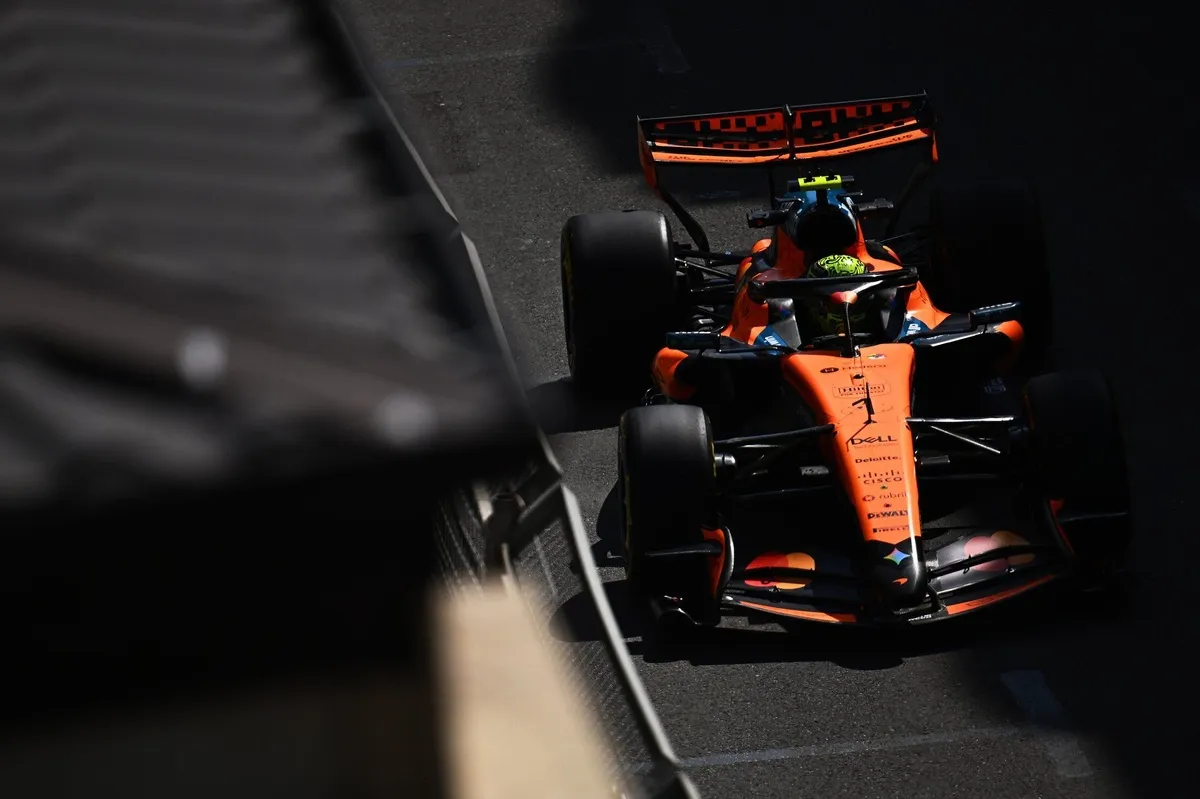
In his defence, Sainz argued he intended to demonstrate a global reduction in speed across the yellow area. He considered it unnecessary to slow on the straight and planned to respond when approaching and exiting Turn 3. “I considered this to be a 'global lift' covering the consecutive yellow sectors,” he said. He added that Norris's car was no longer in the runoff area, so he expected the yellow flags to be withdrawn.
However, the stewards rejected that interpretation. They emphasised that where consecutive marshalling sectors are under yellow-flag conditions, a driver must show a significant reaction to reduce speed in each individual sector. A reduction in a subsequent sector cannot retrospectively satisfy the requirement for the preceding one. Furthermore, compliance does not depend on the driver's own assessment of whether the hazard remains.
While Norris had indeed vacated the runoff area, the FIA stewards maintain that drivers must not self-assess the validity of a yellow flag. They found the lack of any meaningful reduction in speed in the relevant marshalling sector sufficient grounds for the penalty. This is a heavy blow for Williams, who are fighting to improve their form in the 2026 season.
With this penalty, Sainz will start the race from a much lower position, and Williams lose the chance to place both cars in advantageous grid slots. It also serves as a warning to other teams about the importance of clear radio communication and strict adherence to yellow-flag protocols.

Baca Juga
Carlos Sainz dan Sergio Perez dijatuhi penalti grid di GP Baku. Sainz turun 5 posisi, Perez 3 posisi. Simak dampaknya bagi balapan.
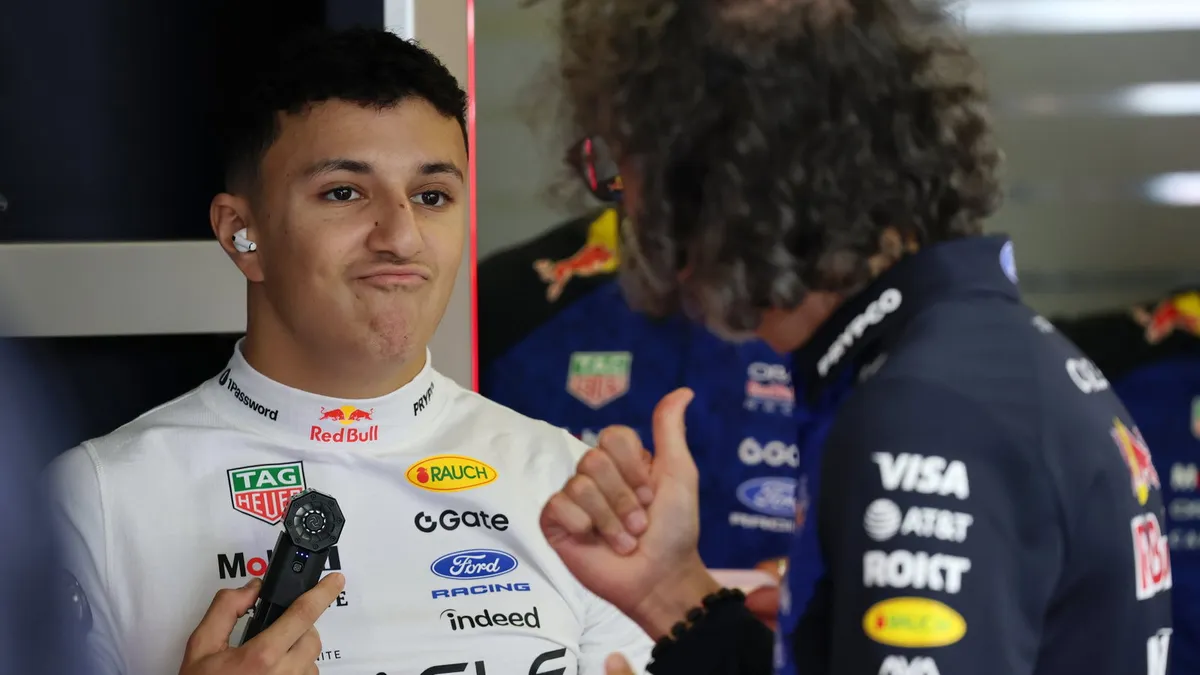
Isack Hadjar yakin bisa start kedua di kualifikasi F1 Azerbaijan 2026 jika tidak absen. Ia finis keempat, ungguli Verstappen, dan waspadai start Red Bull.
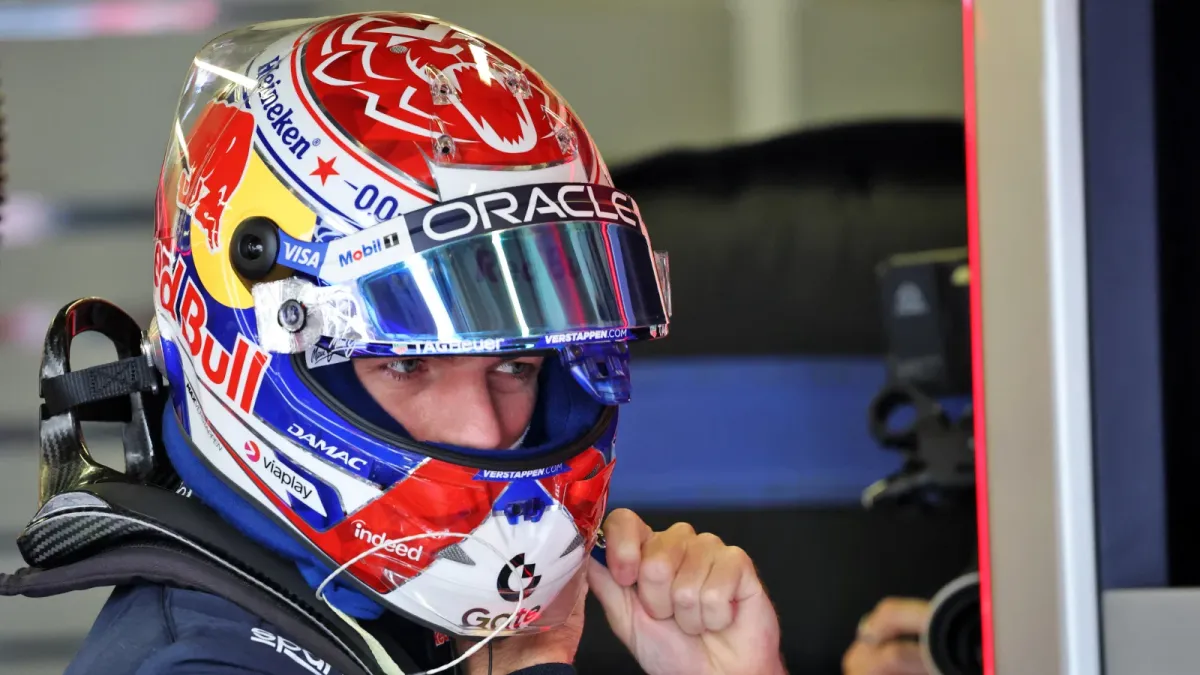
Max Verstappen frustrasi dengan masalah mesin Red Bull di kualifikasi F1 Baku, harus start kedelapan. Simak penyebab dan dampaknya bagi balapan.
 Lanjutkan dengan Google
Diskusi & Komentar (0)
Mari Bergabung dalam Diskusi!
Masuk dengan mudah untuk mulai memberikan komentar, membalas, dan berinteraksi dengan pembaca lainnya.
Komentar Terbaru
Belum ada komentar. Jadilah yang pertama!