








When standing before a heavily restored vintage automobile, a familiar sense of awkwardness often arises. The paintwork gleams too brightly, the chrome details are overly precise, and every single body gap is unnervingly immaculate. It looks as though it has just rolled out of a modern industrial daydream rather than a historical roadway. Yet, the classic car stands there, demanding to be recognized as an antique, even though its antiquity has been systematically stripped away.
As renowned artist Tullio Pericoli once noted regarding human faces, erasing wrinkles is entirely equivalent to erasing a life lived. The exact same principle applies to sheet metal. A scratch or imperfection on a coachwork is never merely a defect; it represents a hard-fought kilometer, a poorly negotiated corner, a torrential downpour, or a hurried parking spot beneath a leafy tree. It is simply time leaving behind its visiting card for observers to appreciate.
The obsessive drive to bring everything back to a factory-fresh condition stems from a deeply human aversion to aging. Automobiles, which were inherently born to move, experience elements, and undergo natural wear, end up immobilized in a fabricated youth. Modern components, paints that refuse to yellow, and assemblies that eliminate all natural creaks conspire to create an illusion. Ironically, because this illusion is pushed to extremes, it ultimately highlights the very artificiality it attempts to conceal.

The core issue is that these are far from ordinary objects. They are rolling pieces of heritage that have traversed epochs, geopolitical borders, fortunes, and hardships. They have witnessed different pairs of hands gripping the steering wheel, distinct fuel aromas, and various garage silences. All of that rich history remains quietly etched within the physical imperfections of the machine. Once erased, it is gone forever, unrecoverable by any archive.
While some argue that conservative preservation serves as an acceptable compromise, aggressive restoration aiming for absolute novelty acts as a complete substitution. Memory is traded for performance, patina for superficial splendor, and rich storytelling for a sterile technical datasheet. In the end, enthusiasts are left with a stunning yet orphaned object that can certainly be admired, but can no longer tell the tale of where it has truly been.
Baca Juga
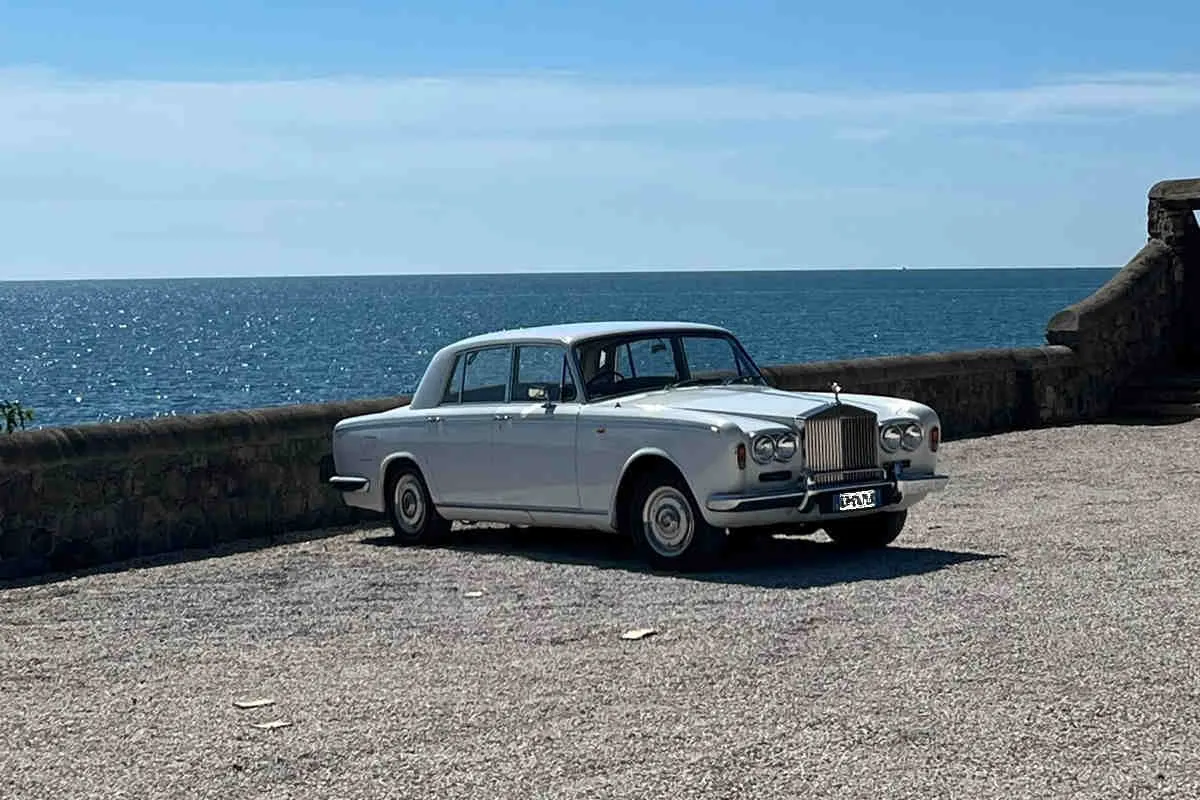
Menyoroti dilema restorasi total mobil klasik yang justru menghilangkan nilai sejarah, memori, dan keotentikan perjalanan kendaraan di masa lalu.

Drivalia memperkenalkan formula sewa jangka panjang Be Free Easy dari CA Auto Bank untuk akses kendaraan baru dengan cicilan dan pengiriman cepat.
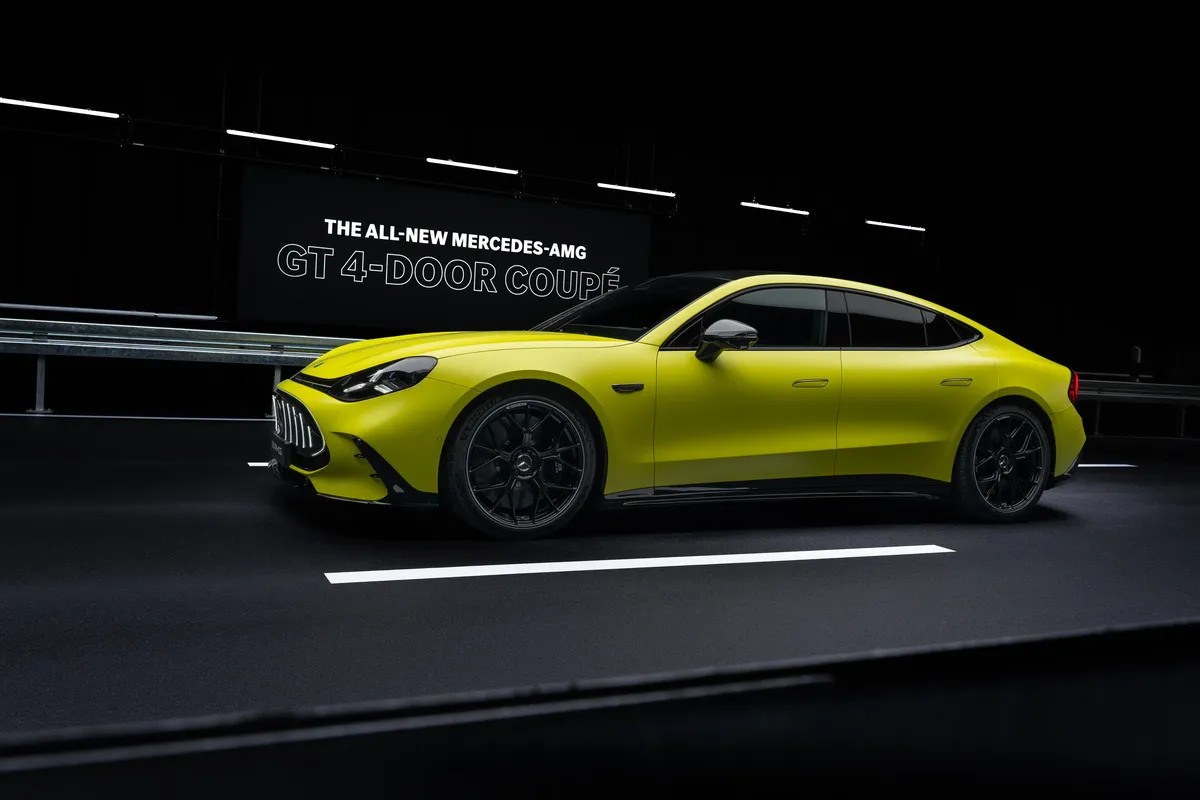
Mercedes-Benz siap tampil di pameran Paris 2026 dengan membawa lima debut utama termasuk GLA baru, AMG CLA 45, GLE, AMG GT Coupe 4, dan VLE elektrik.
 Lanjutkan dengan Google
Diskusi & Komentar (0)
Mari Bergabung dalam Diskusi!
Masuk dengan mudah untuk mulai memberikan komentar, membalas, dan berinteraksi dengan pembaca lainnya.
Komentar Terbaru
Belum ada komentar. Jadilah yang pertama!