








Pirelli is developing tyres with higher degradation levels for the 2027 Formula 1 season, a move that could significantly alter race strategies and reduce the frequency of one-stop races. Simone Berra, Pirelli's Chief Engineer, revealed that the company has been working to create tyres that not only offer speed but also present a greater challenge to teams and drivers.
During the 2026 season, many races have been dominated by one-stop strategies. Nine of the 15 grands prix held so far this year were won by drivers who made only a single pit stop. This trend is largely attributed to the design of the 2026 tyres, which were developed based on team simulations and predictions about the new-generation cars. However, simulation data varied by up to 30% between teams, equating to a four-second difference in lap time, forcing Pirelli to create tyres that could cope with a wide spectrum of conditions.
Unlike the 2026 tyres, which were tested using basic 'mule' cars, the 2027 tyres have been tested with actual 2026 cars and power units. The most recent test took place at Imola after the Spanish GP, where Ferrari (Lewis Hamilton, Charles Leclerc, and Antonio Giovinazzi) and Racing Bulls (Liam Lawson and Arvid Lindblad) completed a total of 400 laps. This provided Pirelli with a clearer picture for development.
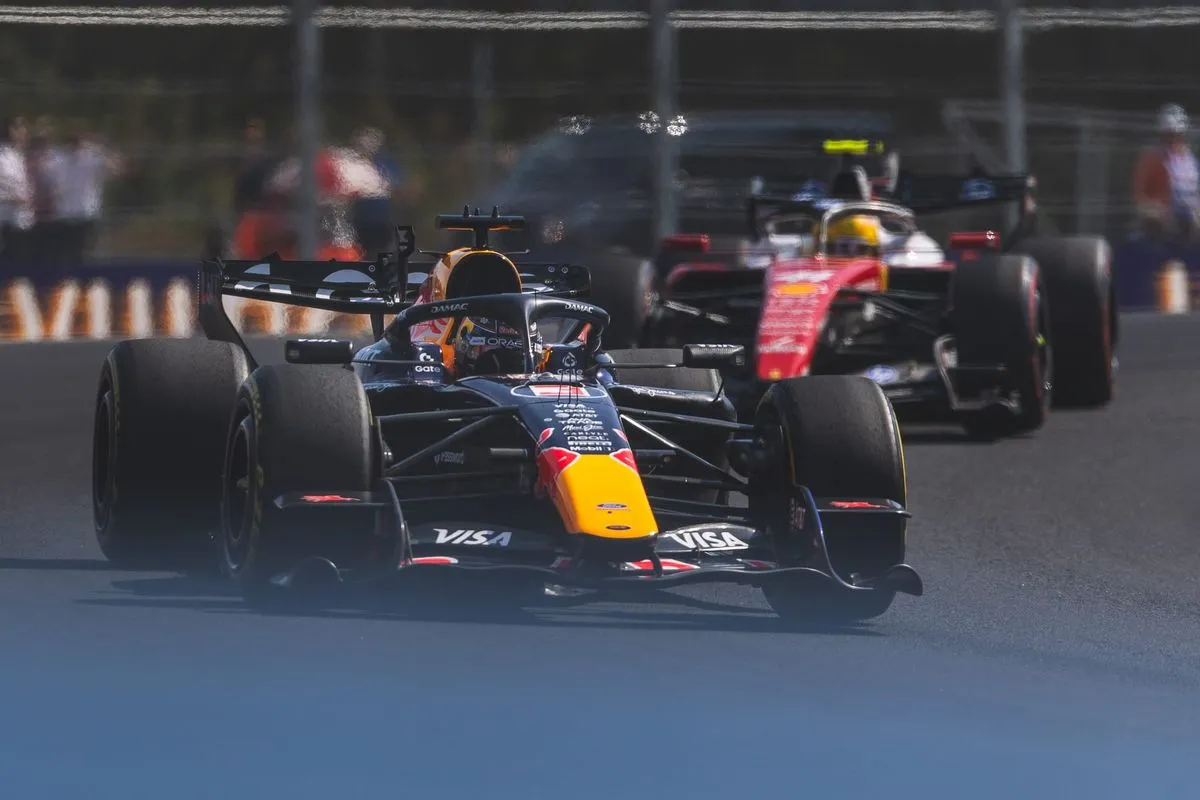
Berra explained that the primary target is no longer about car balance or stability, but rather generating higher degradation. "We worked on the structure to generate more degradation. We checked different solutions to generate more degradation on the front and other solutions on the rear axle," he said. While he declined to elaborate on the technical details, Berra emphasized that the core idea is to increase the level of decay because degradation has been too low. This approach involves modifying the tyre structure to generate more heat and thermal degradation.
Pirelli's initiative has received full support from Formula 1, which aims to see tighter competition and more varied strategies. With tyres that degrade more easily, teams must plan their pit stops more carefully, and races could become more unpredictable. This aligns with F1's efforts to enhance the quality of the show and reduce the monotony of one-stop strategies.
The next test for the 2027 tyres is scheduled to take place at Magny-Cours, France, in mid-October. The circuit features an artificial watering system that can simulate wet conditions, allowing Pirelli to test the tyres in various weather scenarios. Additionally, Pirelli still needs to define the compound range for next season, which will be a separate topic of discussion.
With tyres that degrade more easily, drivers like Lando Norris, who won the Hungarian GP with three pit stops, may increasingly face races that demand careful tyre management. This change could be a breath of fresh air for teams that excel in strategy, but also a challenge for those relying on pure speed. The 2027 season is predicted to be one of the most intriguing in terms of race tactics.
Baca Juga
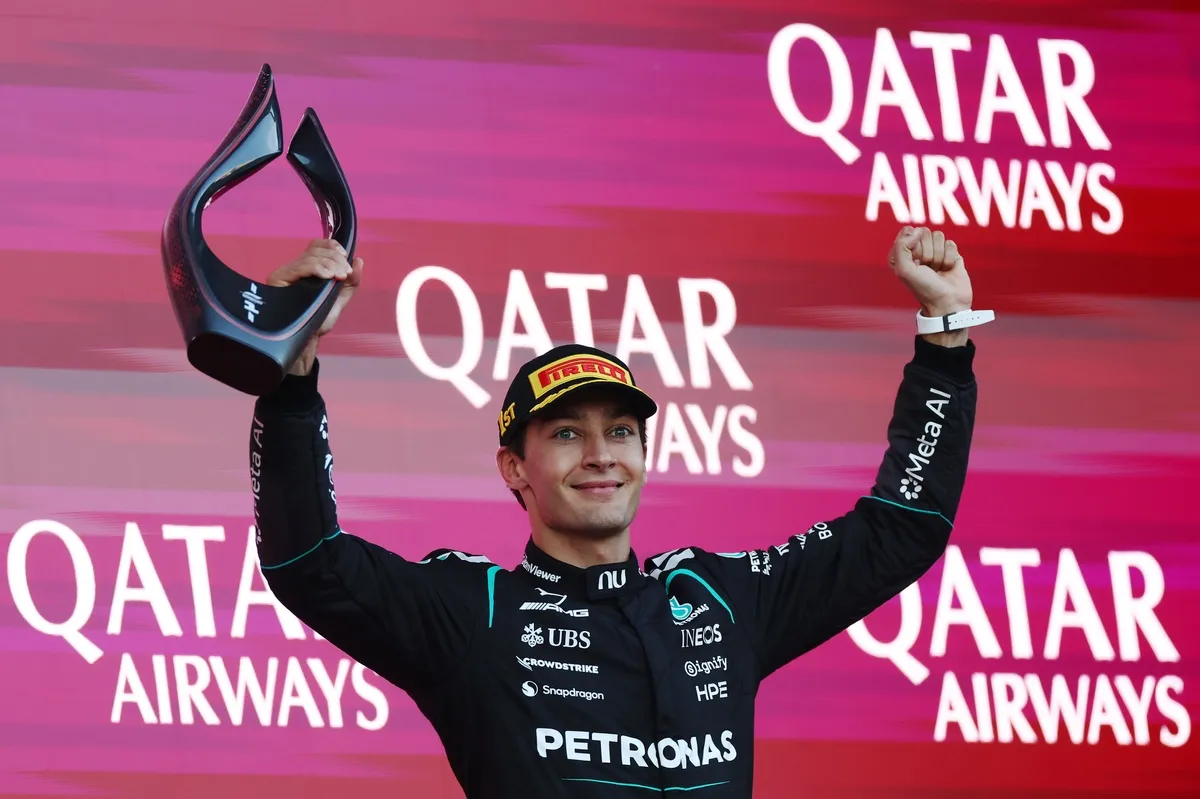
George Russell memenangkan F1 Azerbaijan 2026 dan memangkas defisit dari Antonelli menjadi 66 poin. Apakah performa apiknya terlambat untuk merebut gelar?
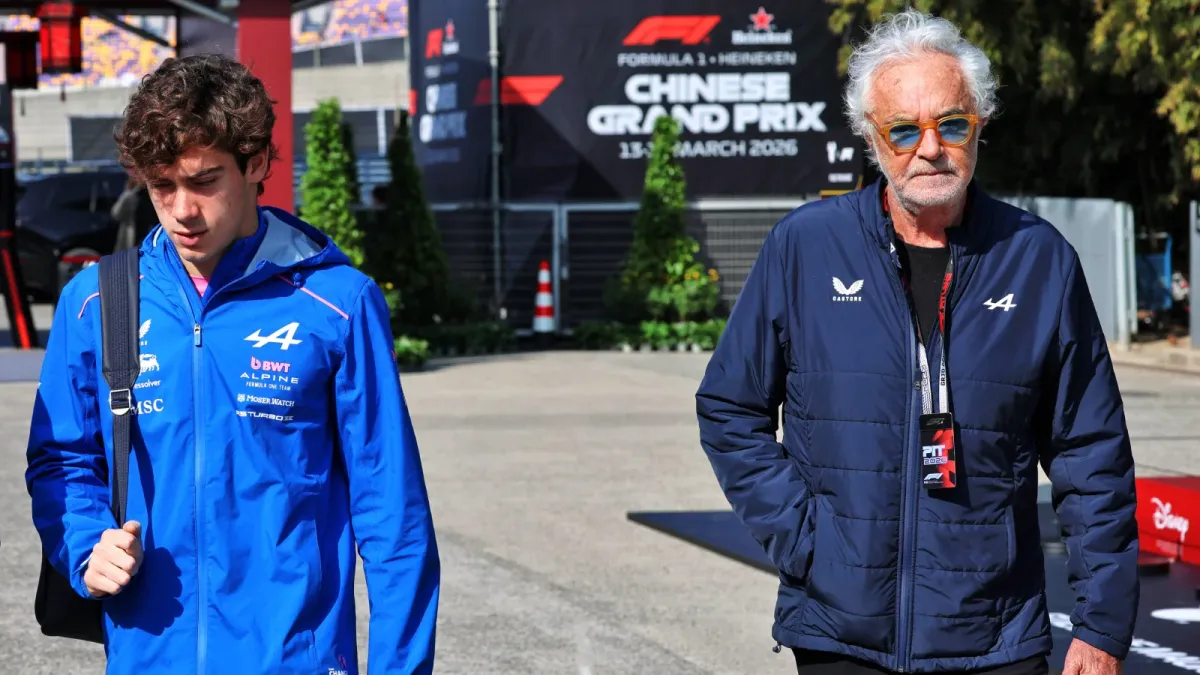
Flavio Briatore beri penilaian tajam usai insiden Franco Colapinto di F1 Azerbaijan. Apakah Colapinto akan tetap balapan di Malaysia?
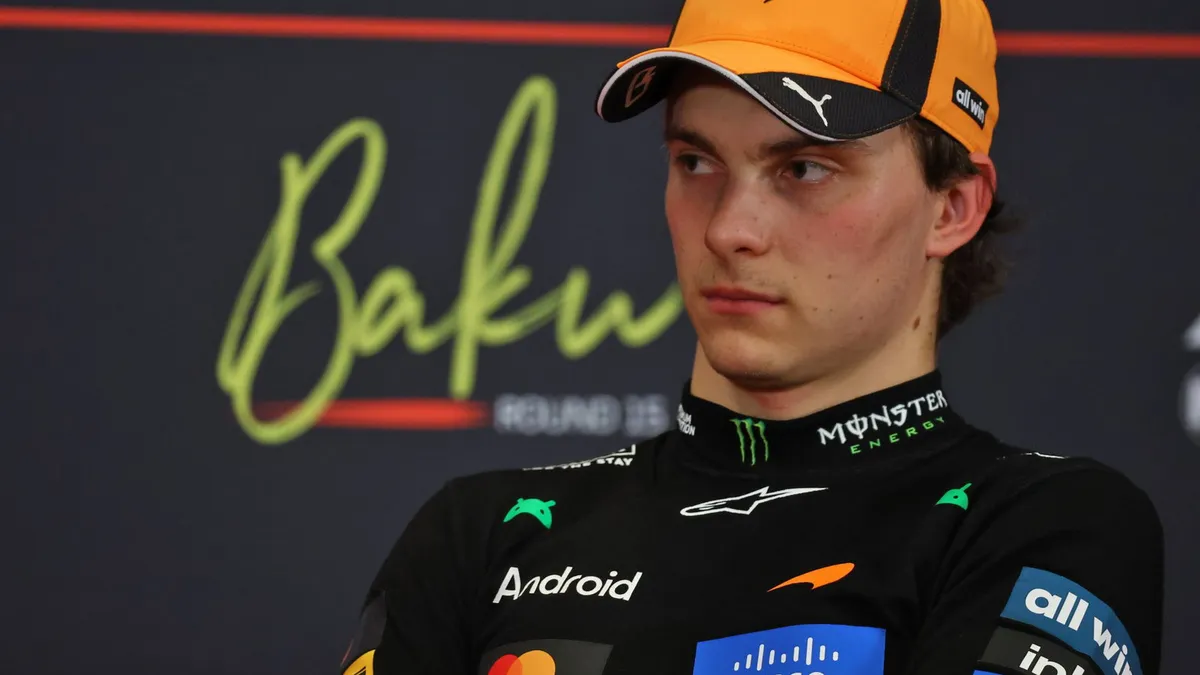
Oscar Piastri dikecam Jacques Villeneuve karena kesalahan rookie di Tikungan 1 GP Azerbaijan. Insiden lock-up buatnya finis di luar poin. Baca selengkapnya!
 Lanjutkan dengan Google
Diskusi & Komentar (0)
Mari Bergabung dalam Diskusi!
Masuk dengan mudah untuk mulai memberikan komentar, membalas, dan berinteraksi dengan pembaca lainnya.
Komentar Terbaru
Belum ada komentar. Jadilah yang pertama!