








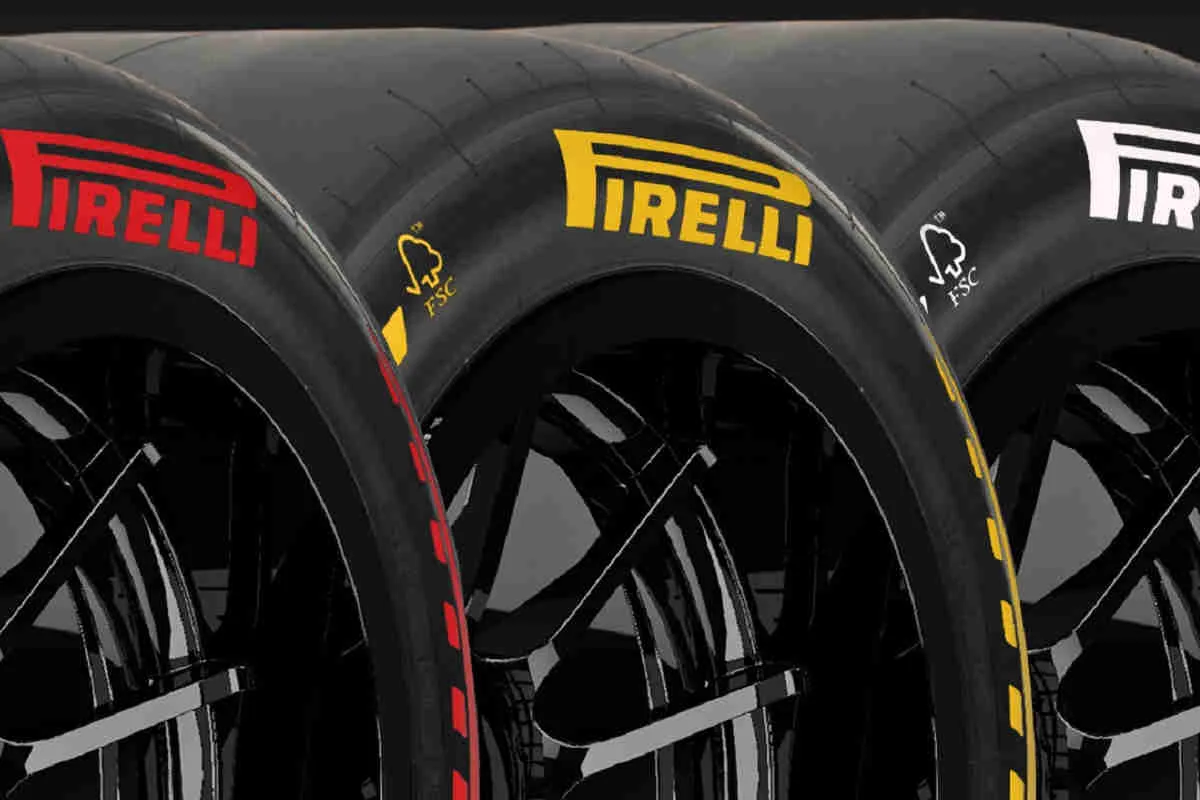
Ahead of the dramatic final stretch of the 2026 World Championship, official tire supplier Pirelli has officially announced the rubber compound allocations for the final three rounds of the season. In a move that maintains complete continuity with the previous year, the Milan-based manufacturer decided to stick with the exact same selection that proved successful in handling the contrasting track layouts of the season finale.
For the glamorous night races in Nevada and the season-closer, Formula 1 cars will run on the softest trio in the catalog, utilizing C3 as hard, C4 as medium, and C5 as soft. This choice is vital since low ambient temperatures on the street circuit require a compound that can quickly reach its optimal operating window, while Yas Marina similarly benefits from maximum mechanical grip during acceleration phases out of slow corners.
Conversely, a much more conservative approach has been reserved for the grueling challenge at Lusail International Circuit. For the upcoming Qatar Grand Prix, Pirelli will supply the hardest available trio featuring C1, C2, and C3. This decision is entirely deliberate because the circuit layout places immense stress on the front tires due to continuous high-speed sweeping corners, making structural integrity paramount to prevent severe thermal degradation.
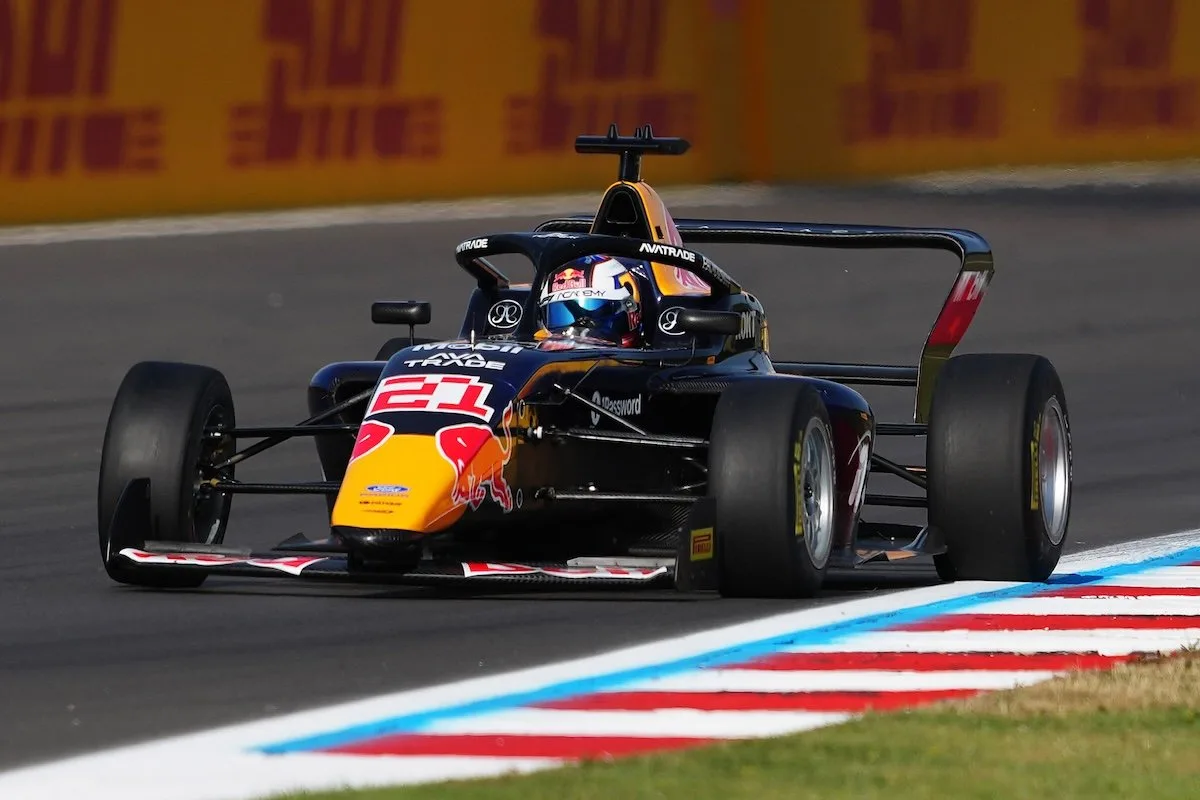
Looking at the broader seasonal picture, the softest compound trio has been deployed in over half of the championship rounds, seeing action in 13 out of 23 race weekends. Meanwhile, the conservative selection heading to Lusail marks only the third time this year such a hard trio has been chosen, following similar deployments earlier in the season at the Japanese Grand Prix in Suzuka and the British Grand Prix at Silverstone.
Aside from framing the competitive strategy for the upcoming grands prix, the final stop in Abu Dhabi will also see the tire supplier spearhead dedicated post-season testing sessions focused on young drivers. Engineers across the paddock will rely heavily on these compound parameters to refine their telemetry models and race simulations without encountering unexpected wear anomalies.
Baca Juga
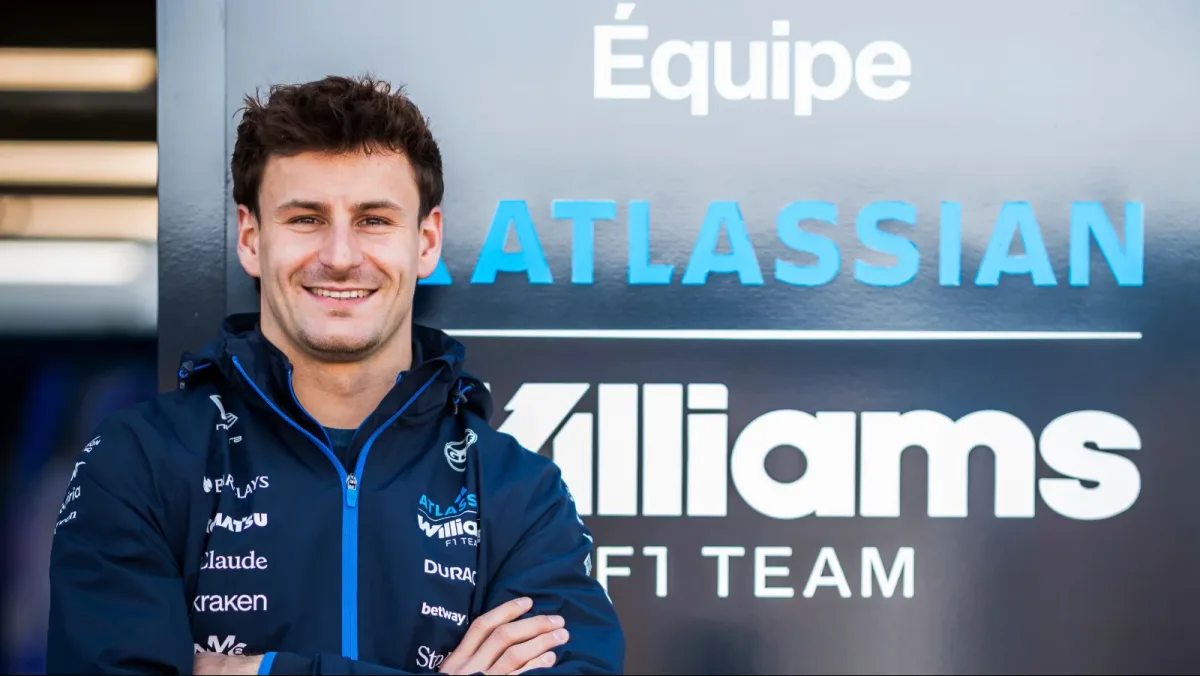
Victor Martins resmi jadi pembalap cadangan Williams untuk GP Las Vegas. Baca analisis mendalam dan update persiapan tim di sini.
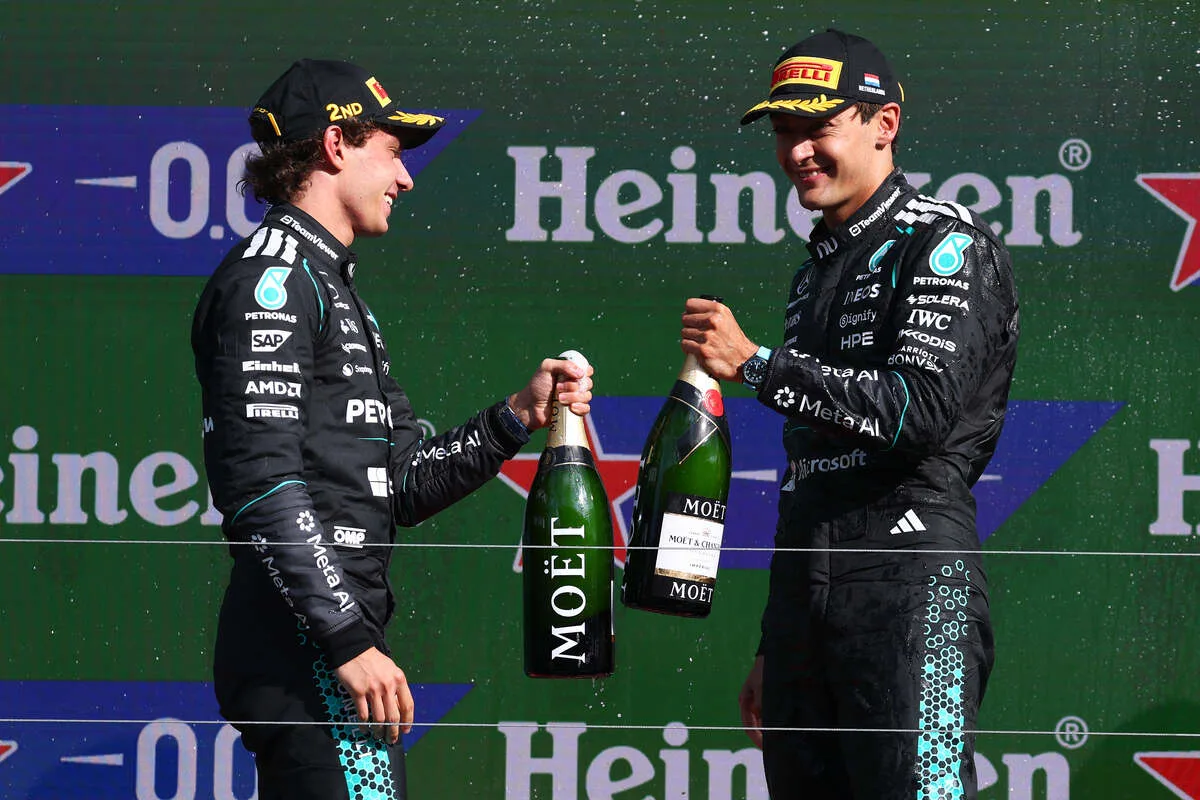
Mercedes berencana gunakan Kimi Antonelli untuk bantu George Russell amankan posisi runner-up F1 . Simak analisis strategi tim Mercedes di sini.
Simak jadwal sidang banding FIA terkait protes Audi atas hasil poin Yuki Tsunoda di GP Italia Monza. Baca analisis mendalam selengkapnya di sini!
 Lanjutkan dengan Google
Diskusi & Komentar (0)
Mari Bergabung dalam Diskusi!
Masuk dengan mudah untuk mulai memberikan komentar, membalas, dan berinteraksi dengan pembaca lainnya.
Komentar Terbaru
Belum ada komentar. Jadilah yang pertama!