







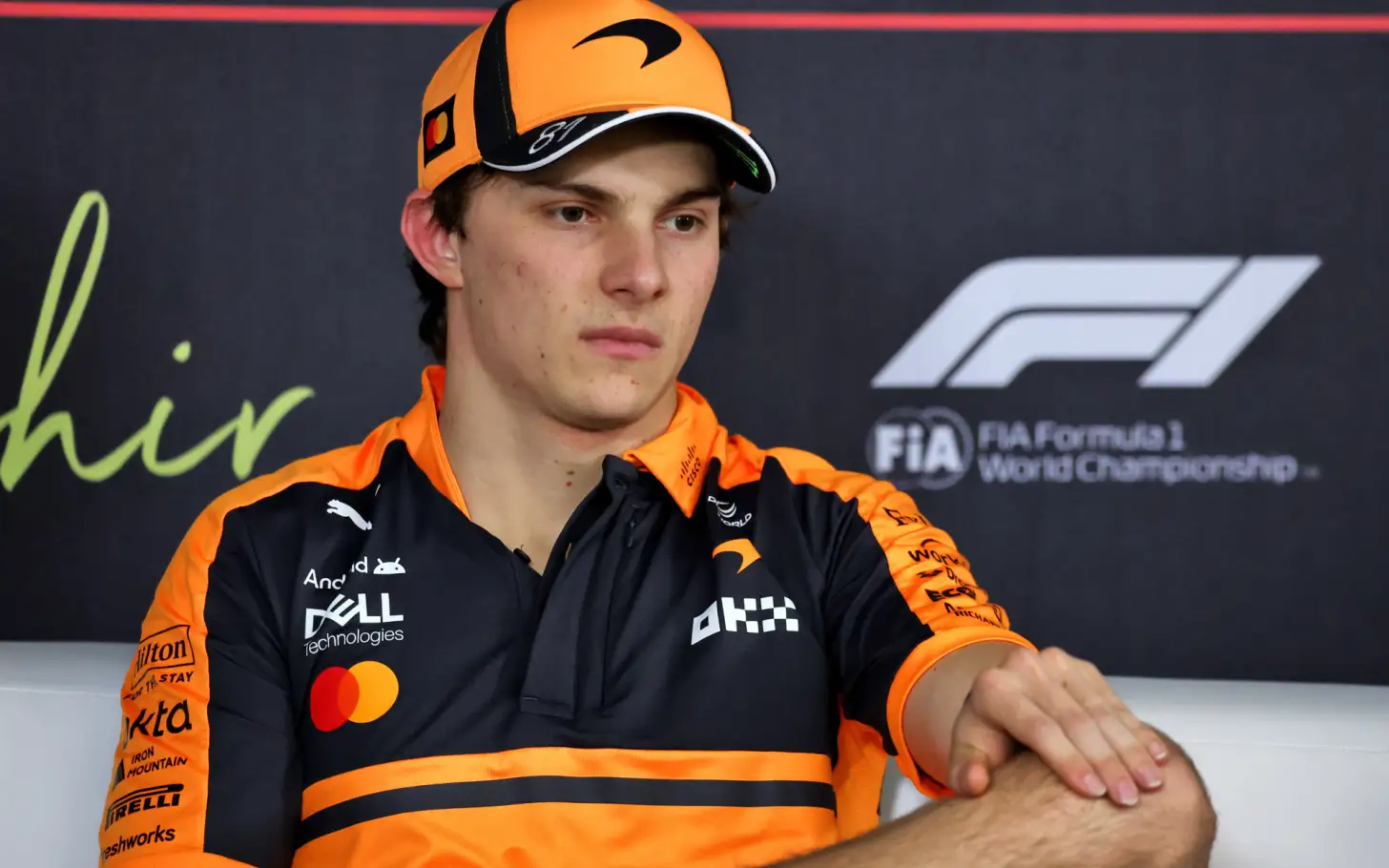

Formula 1, Sportrik Media - Oscar Piastri believes Formula 1 drivers will face “abnormalities” at several grands prix in 2026 due to the increased demands of energy harvesting under the new power unit regulations.
The 2026 power units introduce a 50-50 split between the internal combustion engine and the upgraded electrical systems, fundamentally changing race management. The heavier reliance on battery deployment requires significantly more harvesting compared to 2025, raising concerns during pre-season testing about the extent of lift-and-coast required to avoid running on ICE power alone. Teams such as McLaren and their rivals are continuing to refine deployment maps ahead of the season opener.
According to Piastri, circuits with heavy braking zones — such as Bahrain or Canada’s Circuit Gilles Villeneuve — will naturally allow better recovery. However, tracks featuring long straights and limited heavy braking, including Melbourne’s Albert Park and Jeddah Corniche, are likely to expose the biggest challenges.
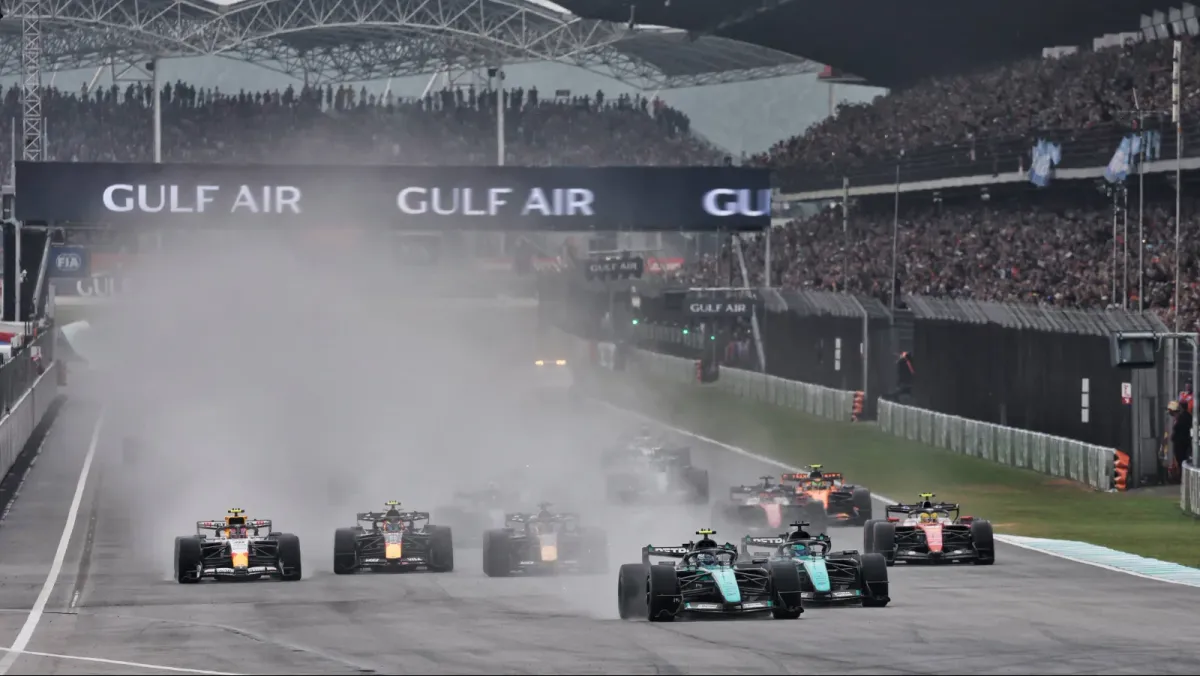
“From the simulator running I've done, it's very different, and I think at certain tracks, we're going to be much more harvest-limited than we are [in Bahrain for testing],” Piastri explained.
“Depending on where you set your optimality, you won't have too much super clipping or lift and coasting, whereas in Melbourne, if you didn't do any, you'd be running out of energy pretty quickly.”
The Australian driver highlighted Jeddah as another example where multiple straights connected by high-speed corners make harvesting particularly difficult. In such layouts, braking opportunities are limited, intensifying strategic complexity.
“It just depends on the layout of the circuit. Jeddah is another one where you have a few straights linked together by fast corners, where it is going to be very difficult to harvest; that's where most kinds of abnormality are going to come.”
Energy deployment variability has already been identified as a key competitive factor by drivers including George Russell and reigning world champion Max Verstappen, while team principals such as Andrea Stella have underlined the increased workload drivers face under the new framework.
Piastri added that although many parameters are pre-configured before drivers enter the cockpit, adjustments can still be made during sessions, albeit in a different manner compared to previous eras.
“There are going to be some big differences, but you can change things around a lot.”
“[In testing], we've seen people in Turn 12, and you can definitely make that a corner if you want to, but at the moment, it is all kind of set before you get in the car.”
“You can change it on the fly, but it is a bit different because you're not just managing on the throttle.”
With the new energy balance redefining race execution, Piastri expects Melbourne to present a markedly different scenario compared to pre-season testing conditions in Bahrain.
“Melbourne is going to look quite different, and I think it will be a challenge for us all.”
As Formula 1 enters its new technical era, energy harvesting efficiency, deployment timing, and circuit-specific optimisation are poised to shape competitive outcomes as much as outright aerodynamic performance.
Baca Juga
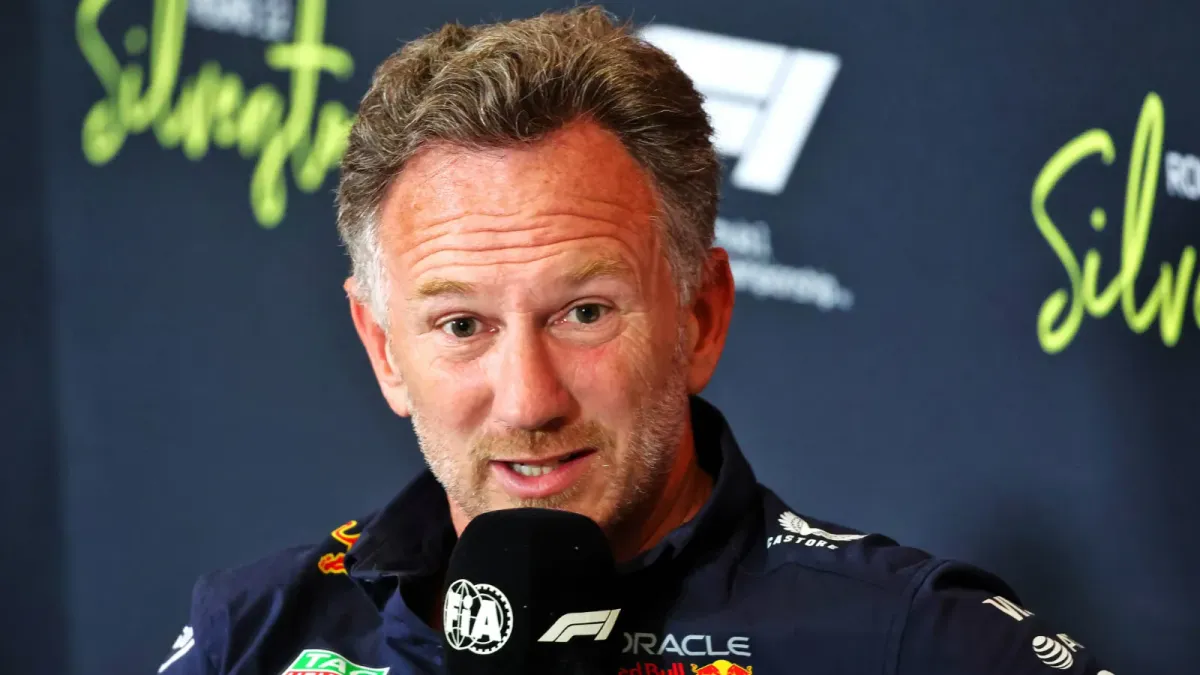
Christian Horner terima pesangon fantastis lebih dari £100 juta dari Red Bull Racing usai pemecatannya tahun lalu. Simak rincian finansial lengkapnya.
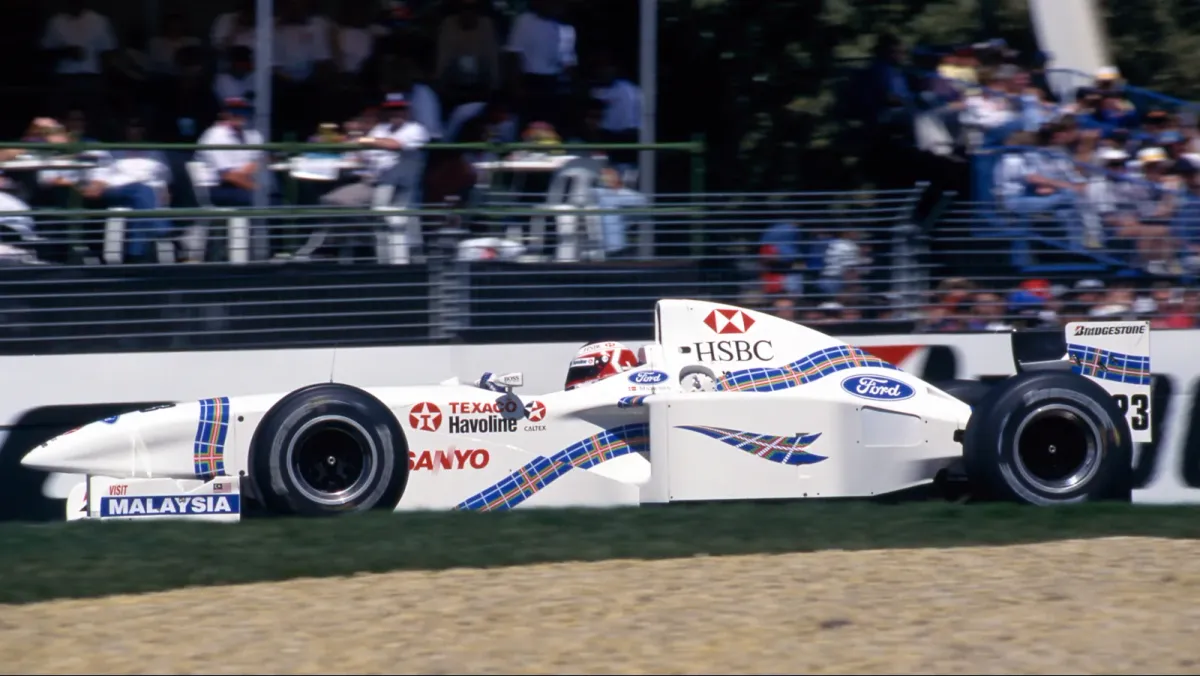
Mengulas kembali sejarah pendirian tim Stewart Grand Prix di Formula 1 oleh legenda balap Sir Jackie Stewart bersama putranya, Paul Stewart.
Kekacauan layanan bus antar-jemput di Sepang International Circuit cederai kembalinya Formula 1, penonton harus antre berjam-jam.
 Lanjutkan dengan Google
Diskusi & Komentar (0)
Mari Bergabung dalam Diskusi!
Masuk dengan mudah untuk mulai memberikan komentar, membalas, dan berinteraksi dengan pembaca lainnya.
Komentar Terbaru
Belum ada komentar. Jadilah yang pertama!