








Former Formula 1 world champion Nico Rosberg has revealed the specific area where racing icon Michael Schumacher struggled during his high-profile F1 comeback with Mercedes between 2010 and 2012. While the seven-time world champion retained his raw ultimate pace, Rosberg noted that instantaneous adaptability to rapidly changing track conditions proved to be his former teammate's primary shortcoming in his final stint.
Speaking on the High Performance Podcast, Rosberg explained that elite racing drivers require an exceptional speed of adaptation to adjust to evolving grip levels and decreasing fuel loads on every single lap. Conditions on track are never static. According to Rosberg, this micro-adaptation was the sole area where Schumacher showed signs of decline compared to his peak years of utter dominance with Ferrari.
Rosberg highlighted Schumacher's infamous collision with Bruno Senna at the Circuit de Barcelona-Catalunya as the prime example of this challenge. F1 had recently introduced the Drag Reduction System (DRS), which added approximately 15 km/h in top speed on straightaways. Having spent his career without such overtaking aids, Schumacher struggled to recalibrate his muscle memory when approaching braking zones with the system engaged.
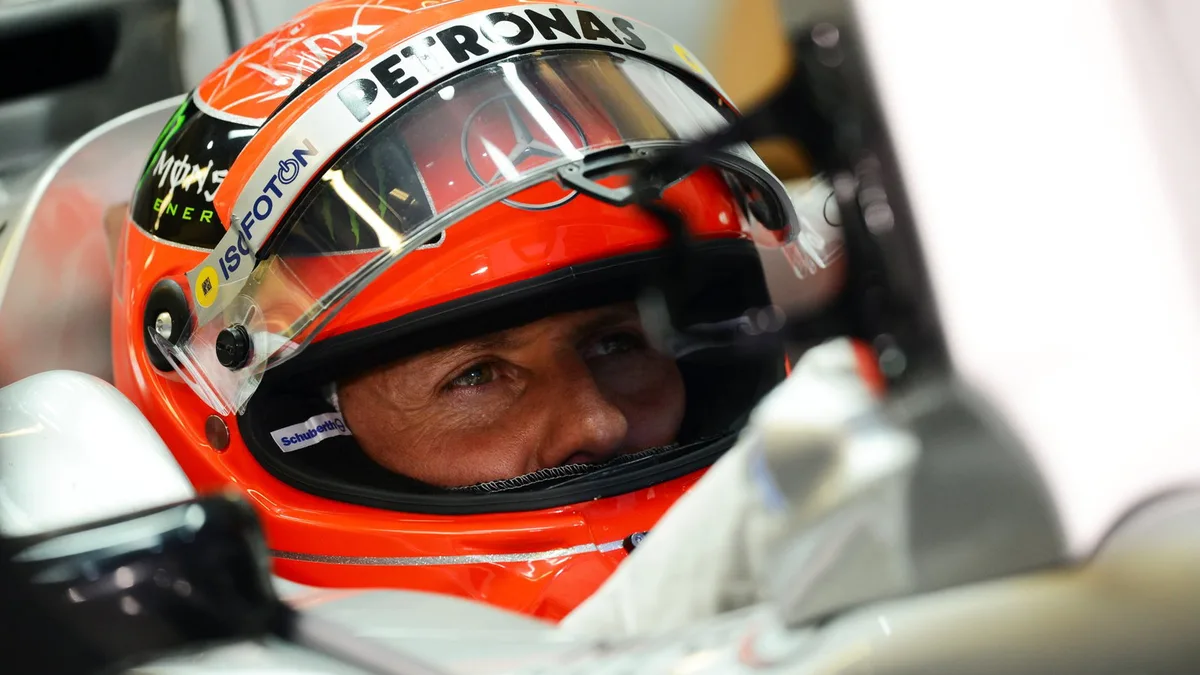
"He is doing the race, getting to that corner always the same, and then suddenly he comes up to Bruno Senna, hits the DRS, and his brain failed to remind him that this is a new situation," Rosberg recalled. "He was going to reach the braking zone with 15 kilometres more speed, but he braked in the exact same spot. As a result, he took out Bruno Senna and suffered a massive crash. That was the only little thing he was worse at compared to his peak."
The fallout from that miscalculation in Barcelona proved exceptionally costly for Schumacher. Stewards handed the German driver a five-place grid penalty for the subsequent round at the Monaco GP. Crucially, Schumacher went on to set the fastest time in qualifying at Monte Carlo to claim what would have been pole position, only to be demoted to sixth on the starting grid due to the penalty incurred in Spain.
Across his three-season stint with Mercedes before retiring permanently at the end of 2012, Schumacher managed just a single podium finish. While those statistics appeared underwhelming for a seven-time champion, Rosberg's insights offer a fascinating technical explanation of how modern aerodynamic aids and evolving vehicle dynamics posed a unique challenge during his legendary comeback.
Baca Juga
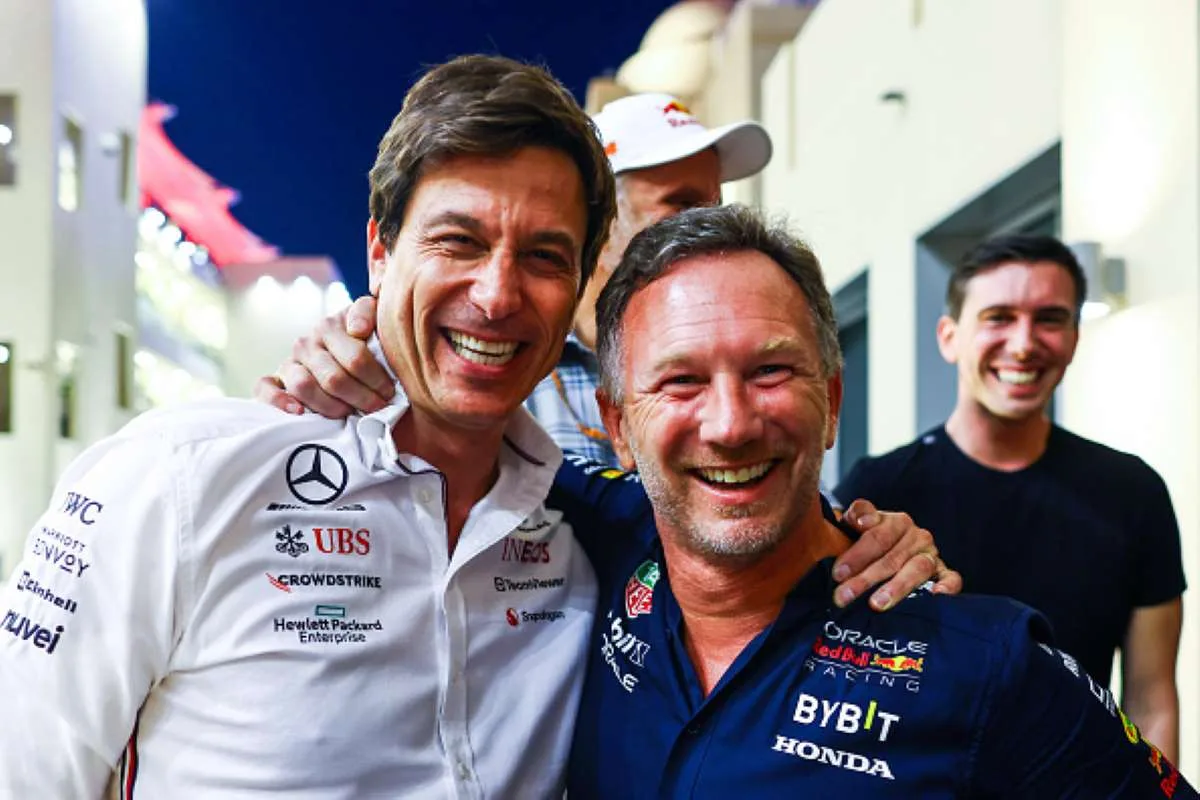
Toto Wolff ungkap isi pesan ucapan selamat dari Christian Horner usai gelar juara dunia F1. Simak analisis mendalam di sini.

Simak desain trofi neon ikonik Las Vegas GP untuk seri ke-21 F1 . Baca analisis mendalam mengenai persiapan balapan terakhir di Amerika Serikat di sini.
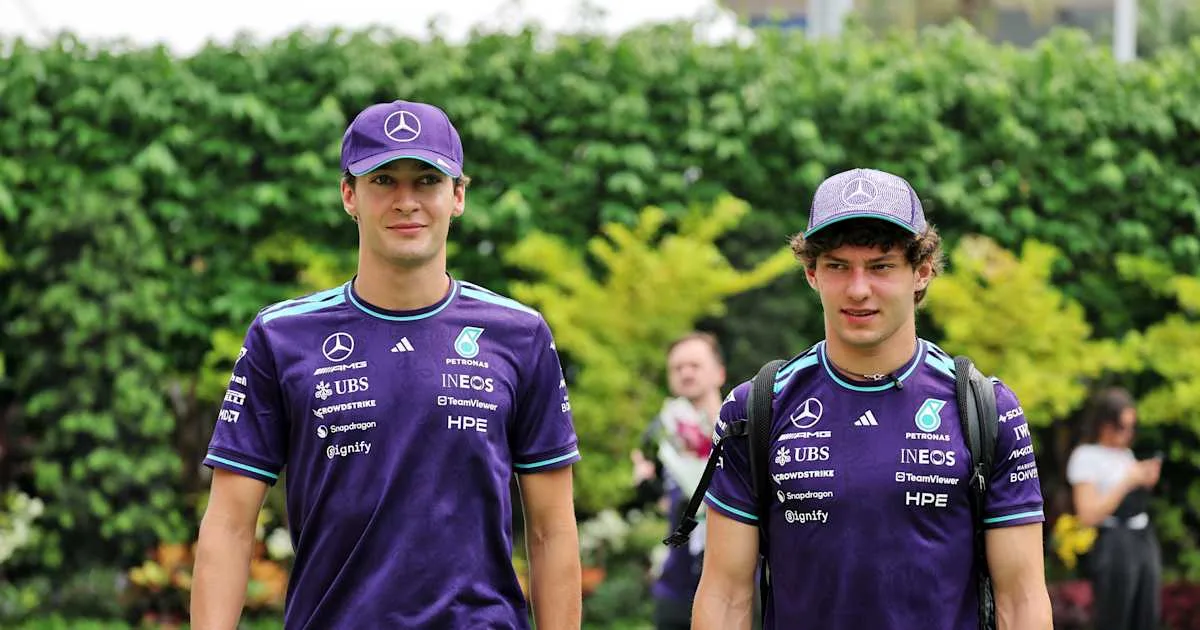
Simak analisis ketat perebutan posisi runner-up F1 dan peluang team order Mercedes di sisa musim. Baca analisis mendalam di sini!
 Lanjutkan dengan Google
Diskusi & Komentar (0)
Mari Bergabung dalam Diskusi!
Masuk dengan mudah untuk mulai memberikan komentar, membalas, dan berinteraksi dengan pembaca lainnya.
Komentar Terbaru
Belum ada komentar. Jadilah yang pertama!