








Motorcyclists in Spain are bracing for new regulations that will change the way they ride. Starting October 1, 2026, the General Traffic Regulations approved through Royal Decree 518/2026 come into effect, bringing a series of obligations that directly impact riders. The Directorate-General for Traffic (DGT) along with the Spanish Federation of Municipalities and Provinces (FEMP) announced the details in a forum attended by representatives of motorcyclist associations, cyclists, pedestrians, and personal mobility vehicle (PMV) users.
The most striking change is undoubtedly about gear. For the first time, the use of approved protective gloves becomes mandatory on interurban roads. Meanwhile, closed footwear is required on all types of roads. The aim is to strengthen rider safety and reduce the consequences of injuries in the event of an accident. However, the glove requirement is still pending the entry into force of a ministerial order that will establish its technical specifications. Until then, currently used protective gloves will remain valid.
For many riders, this change feels like a breath of fresh air. After all, there's also good news: motorcycles are now allowed to use the right shoulder in certain congestion situations. Of course, this permission only applies to signposted sections and with a specific speed limit. This policy is one of the long-standing demands of the motorcycling community that has finally been accommodated in the new regulation. Additionally, the regulation provides for the establishment of an emergency lane and new indications to facilitate the passage of emergency and maintenance vehicles on motorways and dual carriageways during bad weather, especially snow.
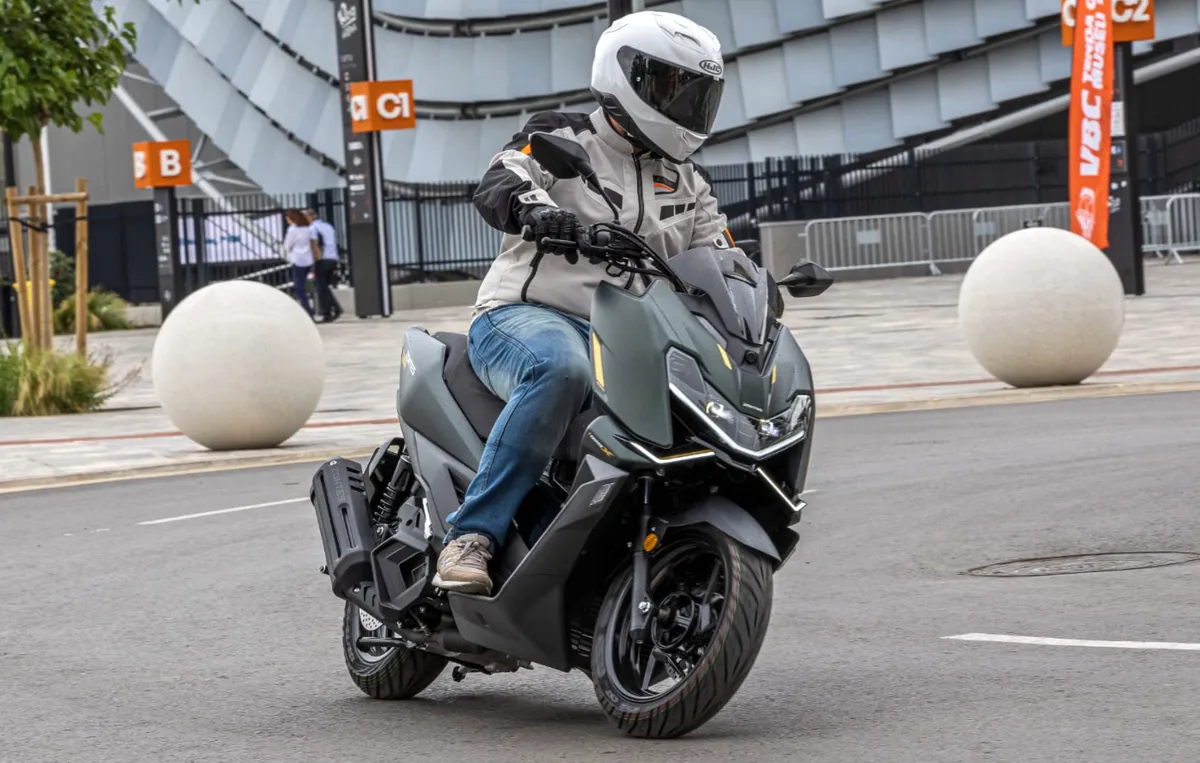
The reform also introduces a new legal definition: "vulnerable road user". This category includes pedestrians, cyclists, motorcyclists, and PMV users, as well as children, the elderly, and people with disabilities. For the first time, the regulation has a specific title dedicated to traffic in urban areas. This step underscores the government's commitment to protecting the most at-risk groups on the road.
Although this rule applies in Spain, its impact could set a precedent for other countries, including Indonesia. The motorcycling community there might learn from this policy, especially regarding the use of the shoulder, which has long been a subject of debate. With clear rules and proper signage, safety potential can increase without compromising traffic flow.
What's clear is that starting in October, motorcyclists in Spain will have to get used to additional gear. Gloves and closed shoes are no longer optional but mandatory. Those who frequently travel on interurban roads should prepare to invest a little in approved gloves. Meanwhile, the shoulder rule could be a solution during severe congestion, provided riders remain vigilant and adhere to speed limits.
This change is part of a broader effort to create a safer road ecosystem for everyone. The DGT and FEMP hope this regulation can reduce accident rates involving vulnerable users. With clear definitions and consistent enforcement, a more disciplined riding culture is expected to emerge. For motorcyclists, it's time to adapt and be part of the solution, not the problem.
Baca Juga
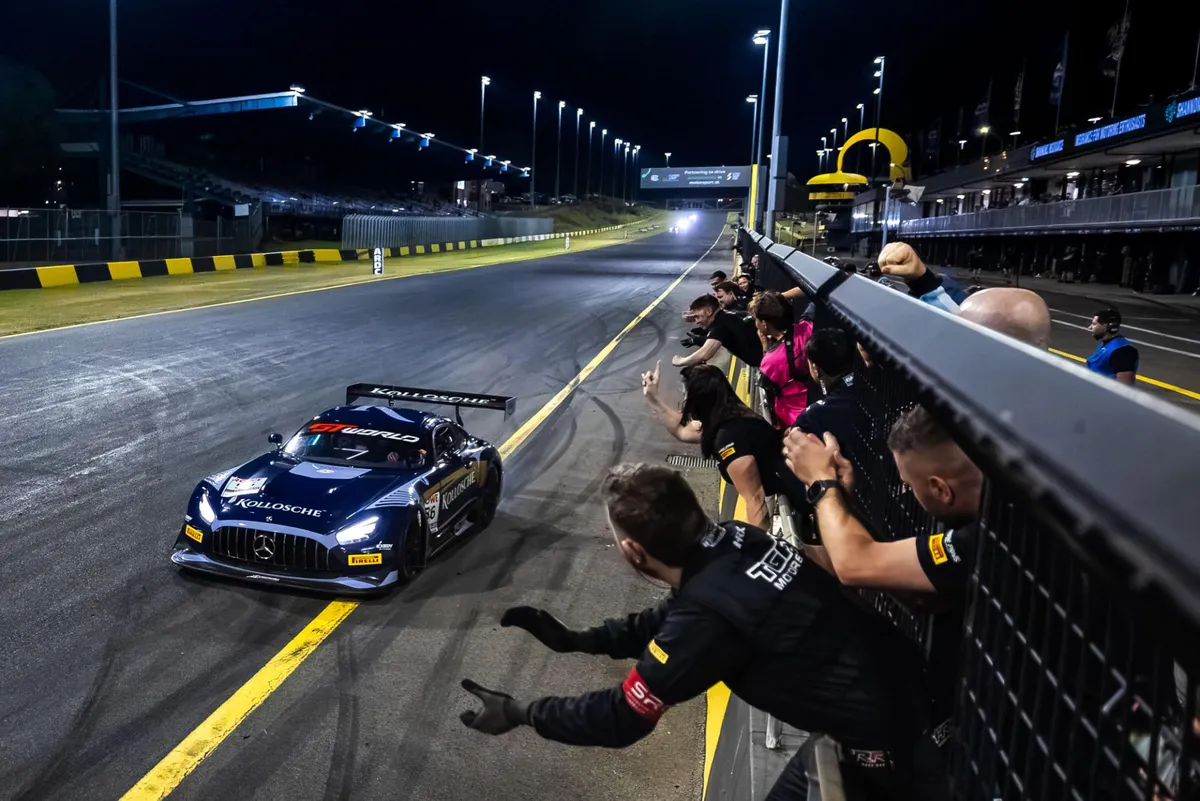
Targett raih kemenangan perdana di GT World Challenge Australia Sydney, kalahkan Jayden Ojeda. Kemenangan ini jadi modal menuju Spa 24 bersama Team Motopark.

HDT dan Peter Brock akan bangkit kembali di Bathurst 1000. Simak rencana Kenny Habul dan acara Lap 162 yang memperingati 20 tahun kepergian Brock.

Colby Anspach, manajer mesin Shell V-Power Racing Team, berbagi kisah di balik presisi komponen Supercars. Sentuhan manusia yang menentukan performa di lintasan.
 Lanjutkan dengan Google
Diskusi & Komentar (0)
Mari Bergabung dalam Diskusi!
Masuk dengan mudah untuk mulai memberikan komentar, membalas, dan berinteraksi dengan pembaca lainnya.
Komentar Terbaru
Belum ada komentar. Jadilah yang pertama!