







The transformation of Formula 1 under modern leadership highlights how the prestigious motorsport championship adapts to the constant tug-of-war between hardcore purists and casual new fans. When chief executive Stefano Domenicali reflects on the evolution of the sport, comparisons are often drawn to how major entertainment spectacles are built from the ground up to capture global attention without erasing foundational history.
On one front, massive expansion brings in a fresh wave of spectators drawn in by pop-culture phenomena, while on the other, die-hard enthusiasts continue to demand deep technical regulations, engine complexities, and pure racing action on the track. The core challenge for the sport's management is successfully catering to these two contrasting demographics with every single commercial and regulatory decision made.
During exclusive paddock discussions, leadership figures frequently find themselves balancing conversations between future power unit innovations and strict financial cost cap limits alongside team principals like Christian Horner. The conscious push toward an entertainment-driven brand has undeniably skyrocketed global popularity, shifting how families and younger demographics perceive top-tier motorsport.
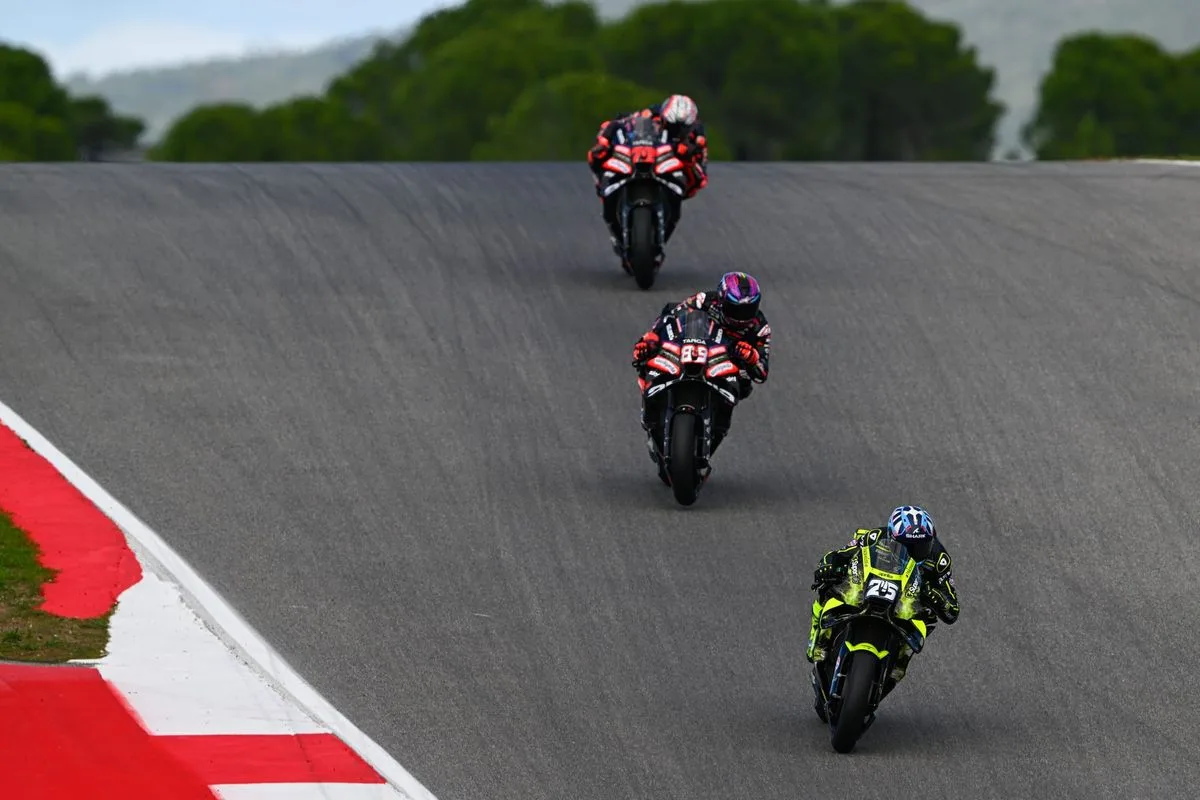
Nevertheless, on-track sporting integrity remains the ultimate heartbeat of the championship. Engineers, media analysts, and team strategists closely monitor every regulatory shift to ensure that competitive racing standards are never compromised by the glamorous spectacle surrounding modern grand prix weekend events.
Maintaining harmony between historical racing values and modern entertainment demands careful calibration, ensuring that both lifelong followers and newcomers feel valued as the global motorsport landscape continues its rapid evolution.
Baca Juga
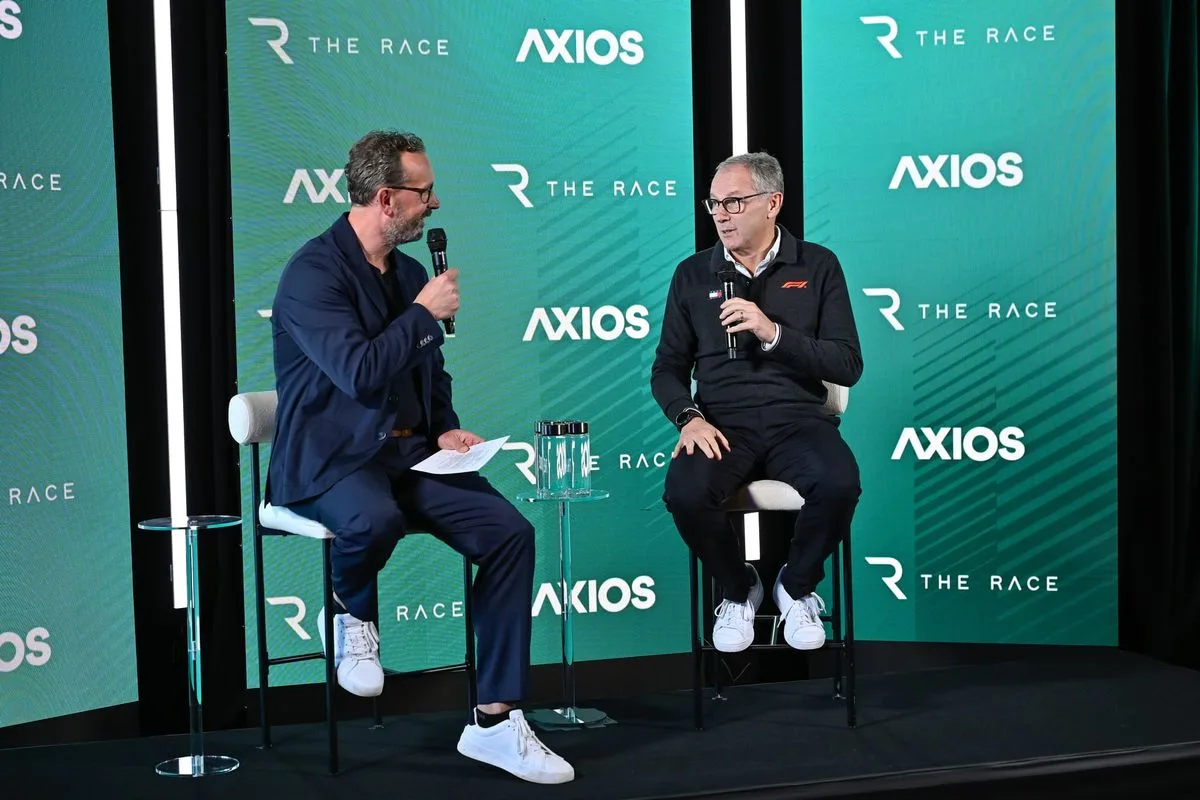
Simak analisis mendalam mengenai strategi Formula 1 menyeimbangkan fans tradisional dan penonton baru hiburan modern. Baca selengkapnya di sini!
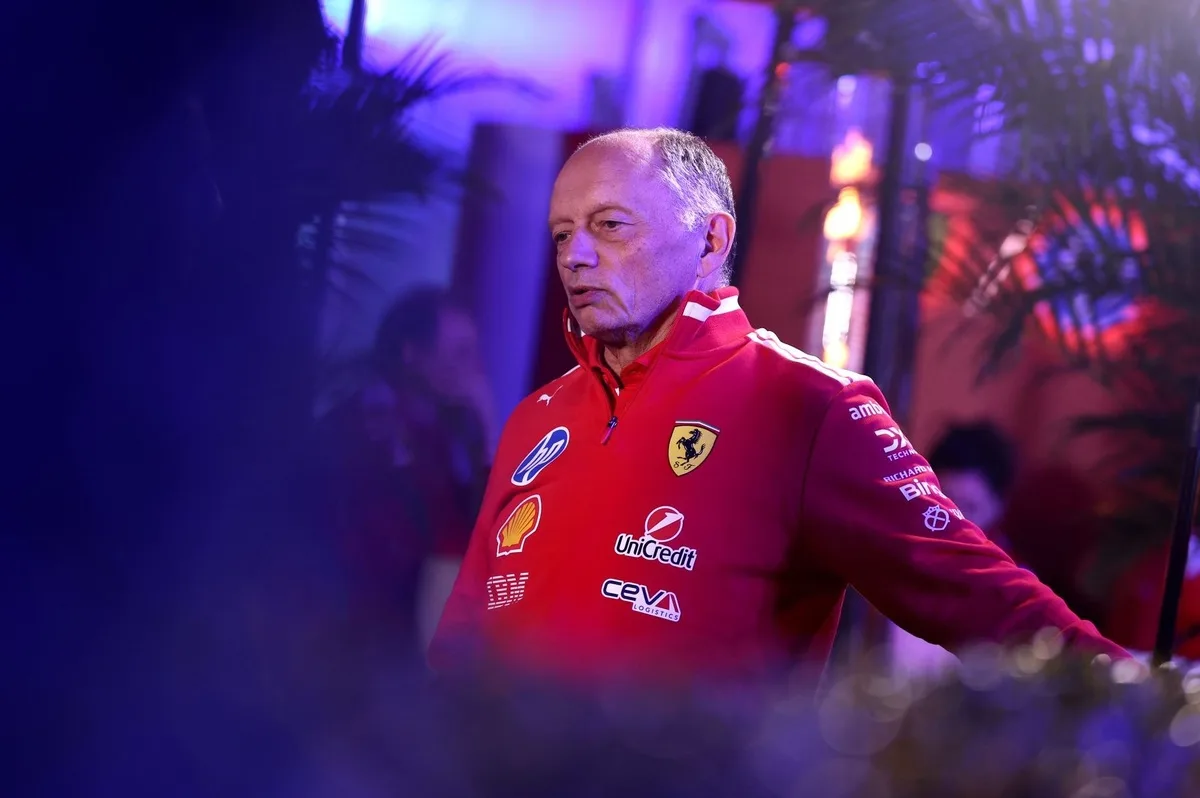
Frederic Vasseur sebut aturan tertulis tak berguna redam konflik Lewis Hamilton dan Charles Leclerc. Baca analisis mendalam di sini.
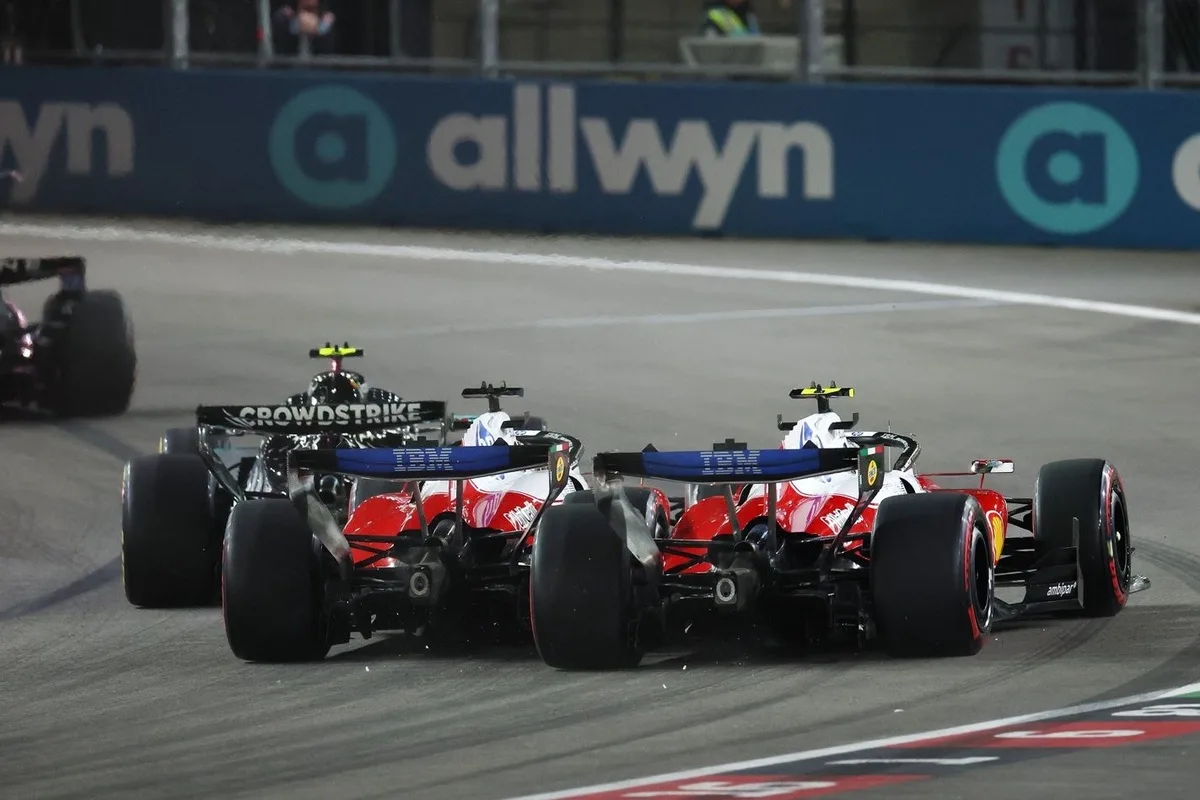
Frederic Vasseur tegaskan manajemen Hamilton dan Leclerc di Ferrari butuh rasa hormat, bukan aturan tertulis. Baca analisis mendalam di sini.
 Lanjutkan dengan Google
Diskusi & Komentar (0)
Mari Bergabung dalam Diskusi!
Masuk dengan mudah untuk mulai memberikan komentar, membalas, dan berinteraksi dengan pembaca lainnya.
Komentar Terbaru
Belum ada komentar. Jadilah yang pertama!