






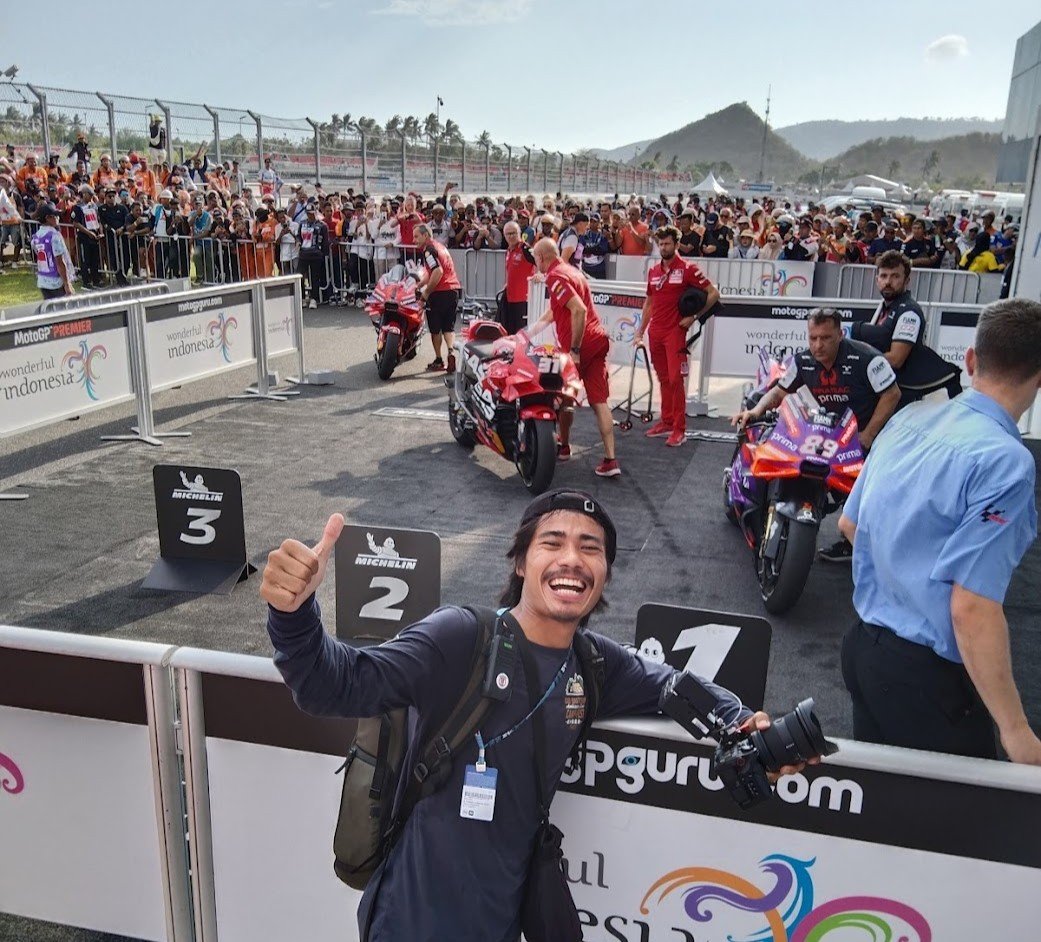

Michelin has brought its harder-construction rear tyre to the Japanese MotoGP, but its viability as a genuine option has been downplayed by riders. The tyre is designed for circuits where excessive heat build-up in the rear is a concern due to frequent hard accelerations. Tracks like Buriram, Mandalika, Spielberg, and Goiania have used this harder-construction tyre this year. However, Motegi, with its famously stop-start layout, is not typically one of them.
Motegi has a new surface this year that should provide more grip, so Michelin has erred on the side of caution with an expanded tyre allocation for the Japanese GP. The harder-construction rear tyre is included, but only in the hard compound, as a third option at the rear added specifically for this weekend. The soft and medium compounds both use Michelin's standard construction.
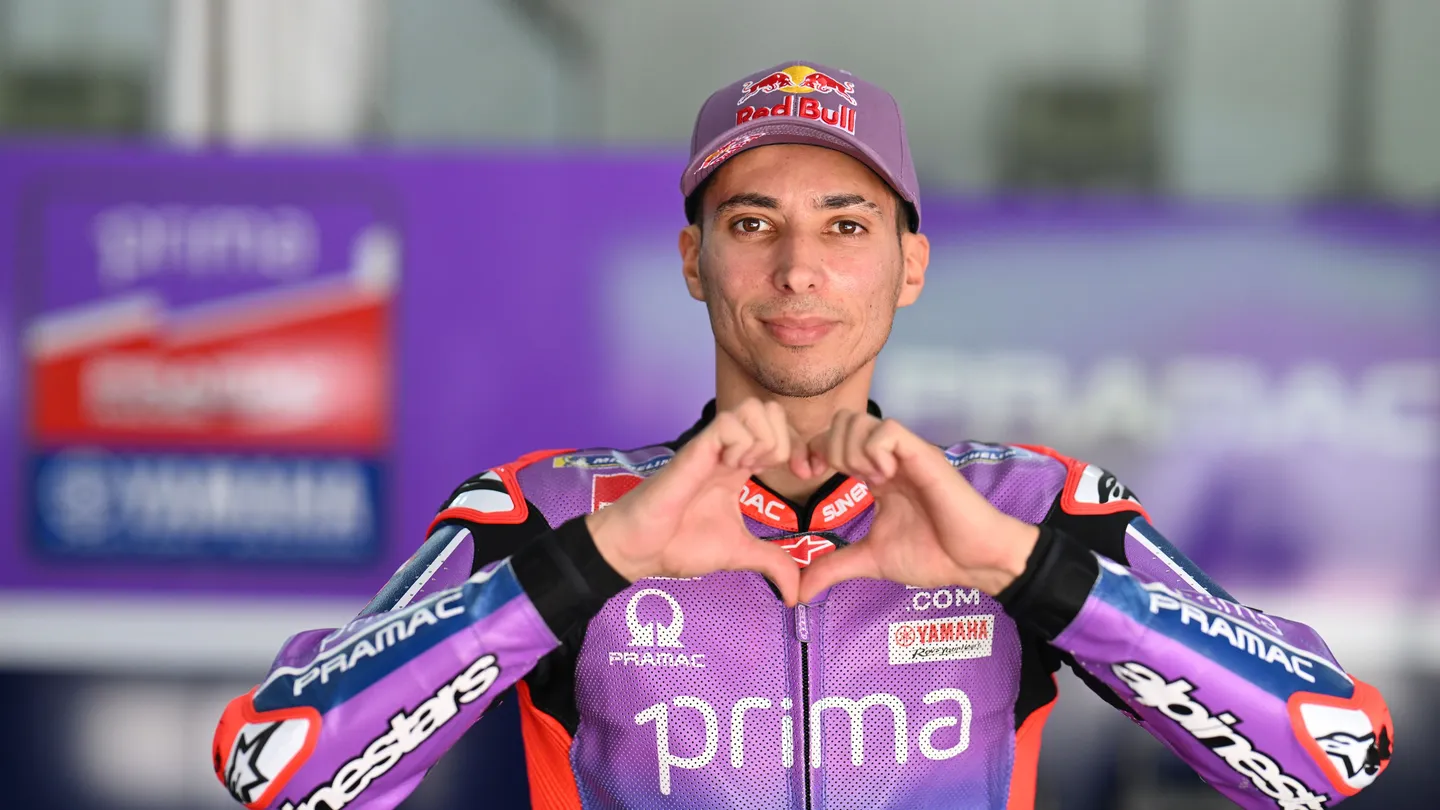
For some riders, such as Yamaha's Jack Miller, the idea of using the hard tyre this weekend is not worth considering. "It's not an option," the Pramac Yamaha rider said, recalling a poor weekend in Spielberg two weeks ago. "If we're using that tyre, I'd pack up and go home. I mean, being sarcastic, but at the same time, I'm not. I'll see what we can do this weekend."
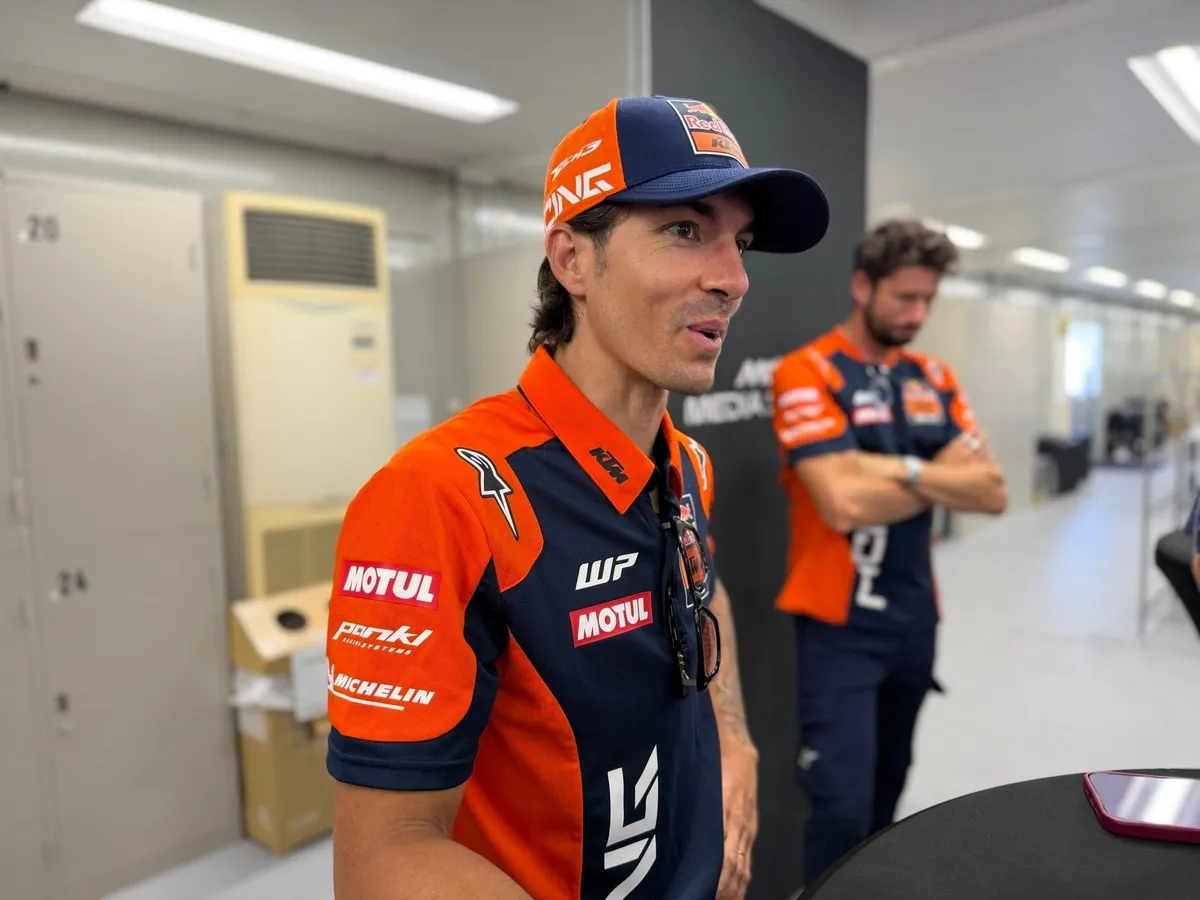
Meanwhile, Honda HRC's Luca Marini emphasised how important track grip is for the performance of the RC213V. At Misano, he was able to be in the top 10 from the start of the weekend, but in Austria – with the harder-construction tyre – he was only 14th in the race after missing out on Q2. For him, like Miller, the hard tyre will be a last resort at Motegi. "If we have a softer tyre, we use always a softer tyre, the one with more grip," he said. "But, if there is a high degradation on the tyres, we keep it in consideration. But usually when we have the standard casing, we prefer always the standard casing."
Michelin's decision to bring the harder-construction tyre to Motegi seems to stem from concerns about overheating, but riders are sceptical of its benefits. With a new, grippier surface, the standard tyre might be sufficient. If the hard tyre is not competitive, riders will likely avoid it, as seen in Spielberg and Austria.
The impact on race strategy could be significant. If the hard tyre is not used, the expanded allocation may not help much. Teams will have to rely on the standard tyre, which could mean higher degradation if track temperatures rise. However, with Motegi's stop-start nature, tyre management will be key.
So far, no rider has indicated that the hard tyre will be a primary choice. In fact, Miller and Marini explicitly stated their preference for softer tyres. This could be a note for Michelin to re-evaluate the use of harder-construction tyres at circuits with similar characteristics.
Regardless, the Motegi weekend will be a test for Michelin and the teams in managing tyres. If track conditions change, the hard tyre could become a saviour. But for now, riders seem to have a clear preference.
Baca Juga
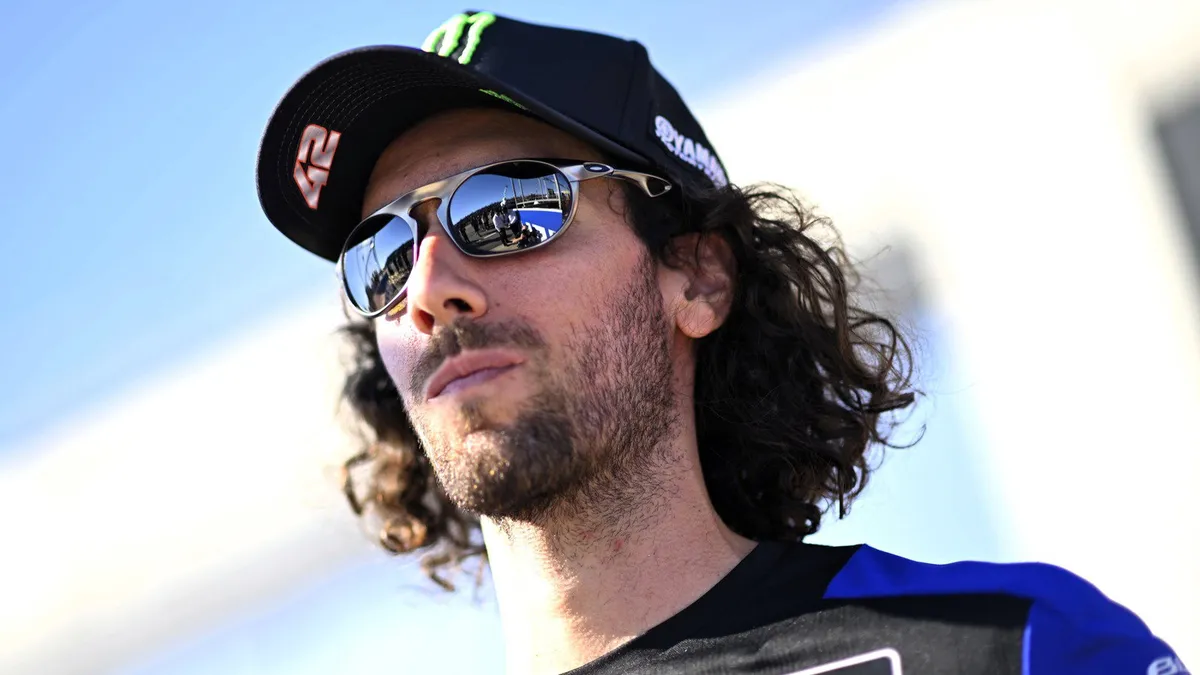
Alex Rins pensiun akhir musim tapi buka peluang comeback MotoGP 2027. Ia kecewa Yamaha tak beri kesempatan uji motor 850cc di Red Bull Ring.
Joe Achilles menilai perubahan regulasi MotoGP 2027 dapat menghadirkan balapan lebih rapat dan membuka peluang Toprak Razgatlioglu kembali bersaing
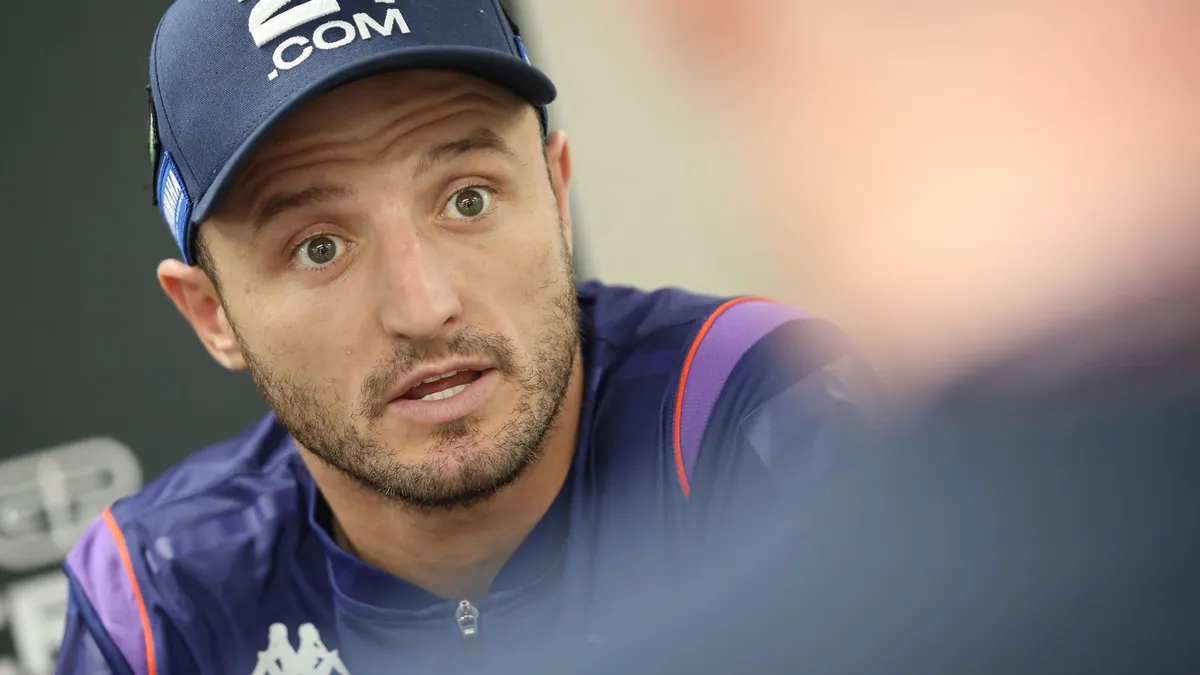
Pembalap MotoGP meragukan ban konstruksi keras Michelin di Motegi. Jack Miller dan Luca Marini lebih memilih ban standar dengan cengkeraman lebih baik.
 Lanjutkan dengan Google
Diskusi & Komentar (0)
Mari Bergabung dalam Diskusi!
Masuk dengan mudah untuk mulai memberikan komentar, membalas, dan berinteraksi dengan pembaca lainnya.
Komentar Terbaru
Belum ada komentar. Jadilah yang pertama!