







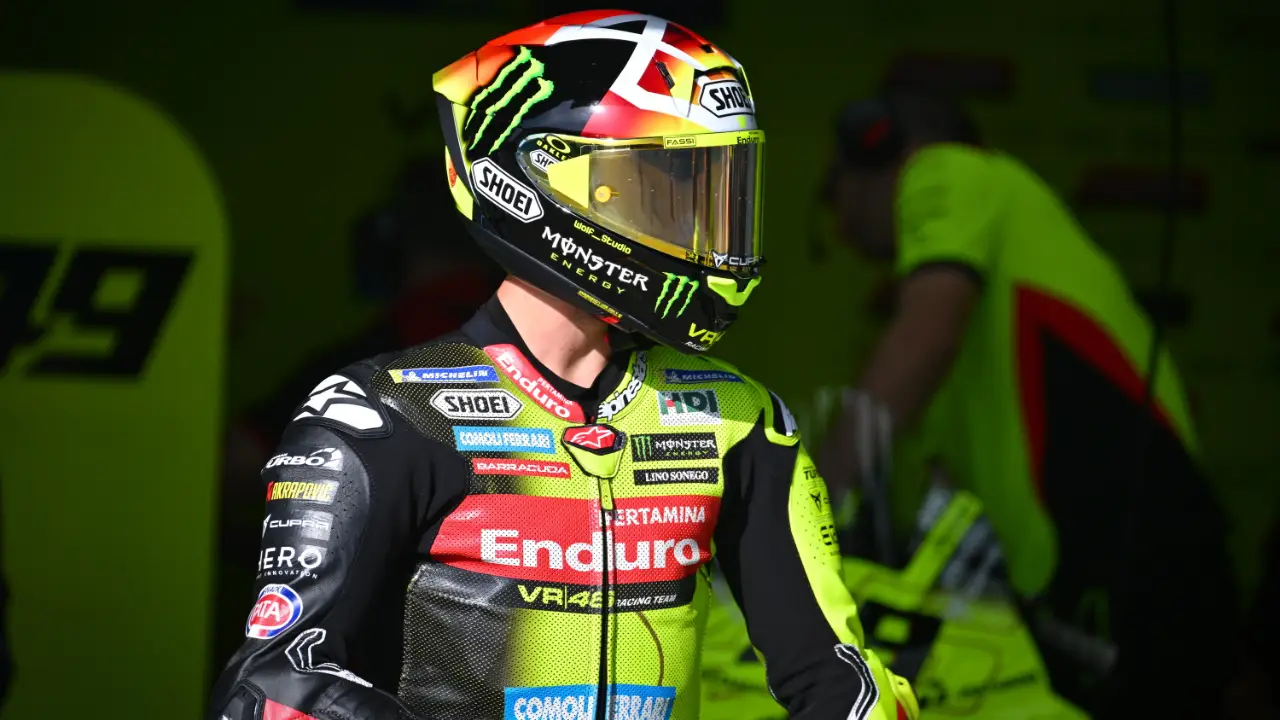

Fabio Quartararo reported a significant step forward in MotoGP’s in-helmet radio system following its latest test at Jerez, although he stressed that audio clarity remains a critical limitation. The communication system is being developed primarily as a safety tool, enabling Race Direction to transmit messages directly to riders during sessions.
The Yamaha rider confirmed that the updated version represents clear progress compared to earlier iterations, particularly in terms of hardware integration. However, the system still struggles to deliver consistently clear audio under racing conditions, where high engine noise and aerodynamic turbulence create a challenging acoustic environment.
Earlier versions relied on bone conduction technology, transmitting sound through vibrations against the rider’s skull rather than via the ear canal. This approach proved suboptimal in MotoGP’s high-noise context. Johann Zarco previously criticised the concept, suggesting that a system closer to Formula 1-style in-ear communication would offer better performance.
At the Jerez test, the latest configuration introduced an in-ear solution, positioning the audio device directly inside the ear. From a technical standpoint, this change is aimed at improving sound isolation and signal clarity, reducing interference from external noise sources. Quartararo indicated that, while still in an early testing phase, the revised system delivered a more positive user experience.
From a regulatory perspective, MotoGP—through Carlos Ezpeleta—has outlined plans to integrate the radio system with GPS-based triggers. The objective is to provide riders with situational warnings, such as yellow flags, rain, or low-grip surfaces, before entering specific track sectors. This integration would enhance rider awareness and reaction time in safety-critical scenarios.
The development aligns with broader technical changes planned for the 2027 regulations, where safety systems and digital infrastructure will play a more prominent role alongside engine capacity reductions. A more advanced GPS network and refined one-way communication are expected to form the foundation of this evolution.
Looking ahead, MotoGP is also considering the introduction of two-way communication between riders and teams, similar to Formula 1. However, such a step remains contingent on team approval and further technological maturity. For now, the priority remains on improving audio clarity and ensuring system reliability before deploying it in competitive race environments in upcoming rounds.
Baca Juga
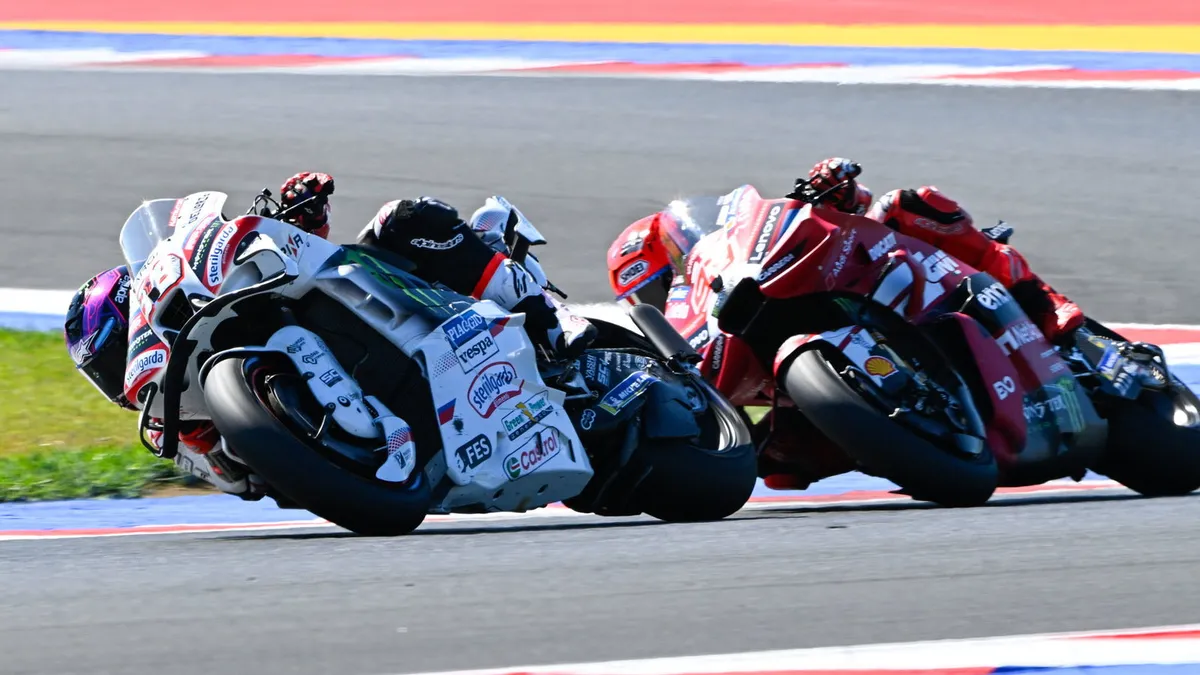
Aprilia RS-GP terbaik di MotoGP 2026, tetapi kelemahan konsistensi pembalap terekspos di Misano, memberi Marquez keuntungan dalam perebutan gelar.
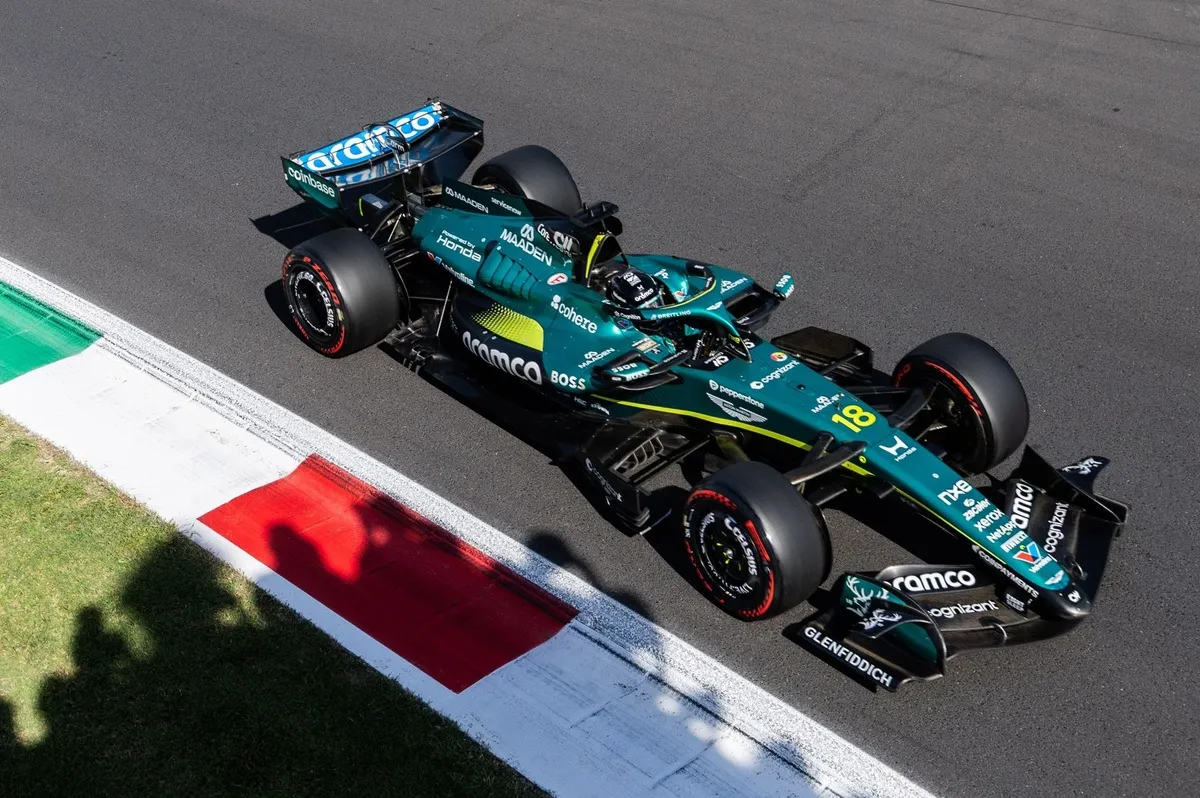
Honda ganti bos mesin F1 jelang musim 2027. Langkah ini diambil untuk mempercepat pengembangan power unit Aston Martin yang tertinggal di era regulasi baru.
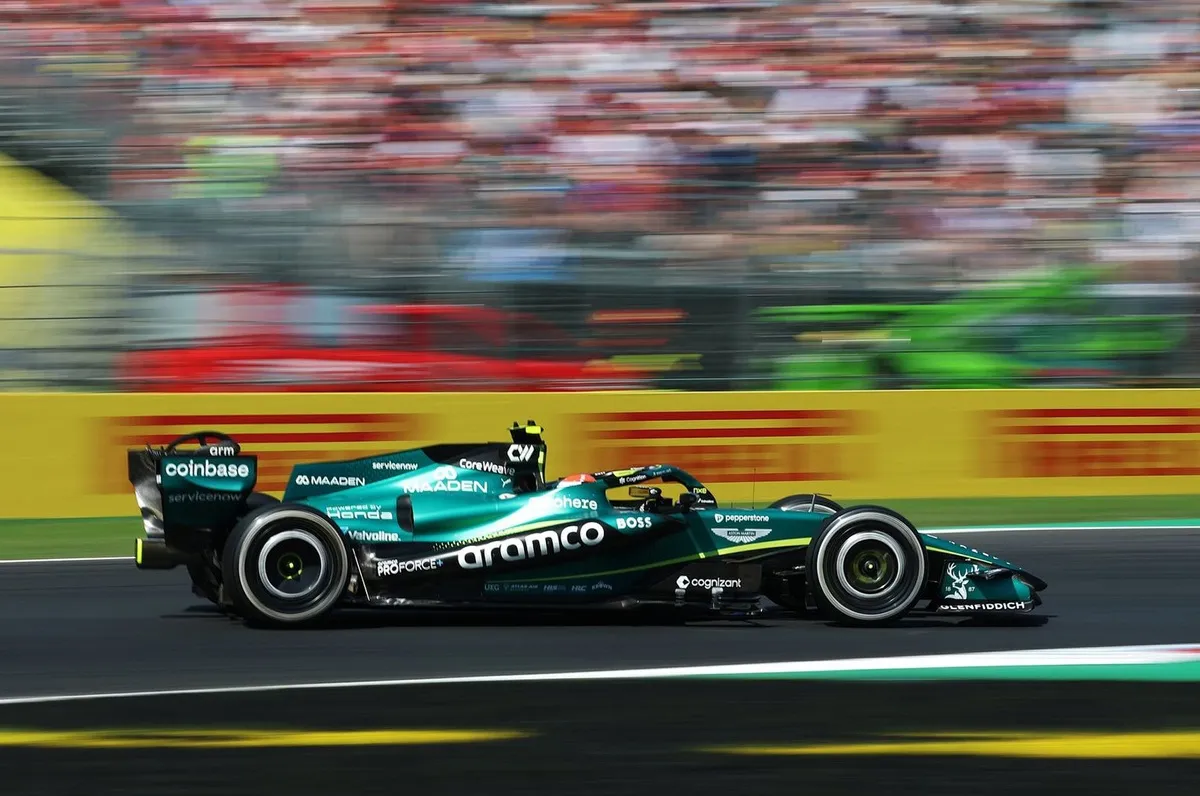
Honda mengganti Tetsushi Kakuda dengan Yoichiro Fukao sebagai pemimpin proyek power unit F1. Langkah ini untuk mempercepat pengembangan menuju musim 2027.
 Lanjutkan dengan Google
Diskusi & Komentar (0)
Mari Bergabung dalam Diskusi!
Masuk dengan mudah untuk mulai memberikan komentar, membalas, dan berinteraksi dengan pembaca lainnya.
Komentar Terbaru
Belum ada komentar. Jadilah yang pertama!