







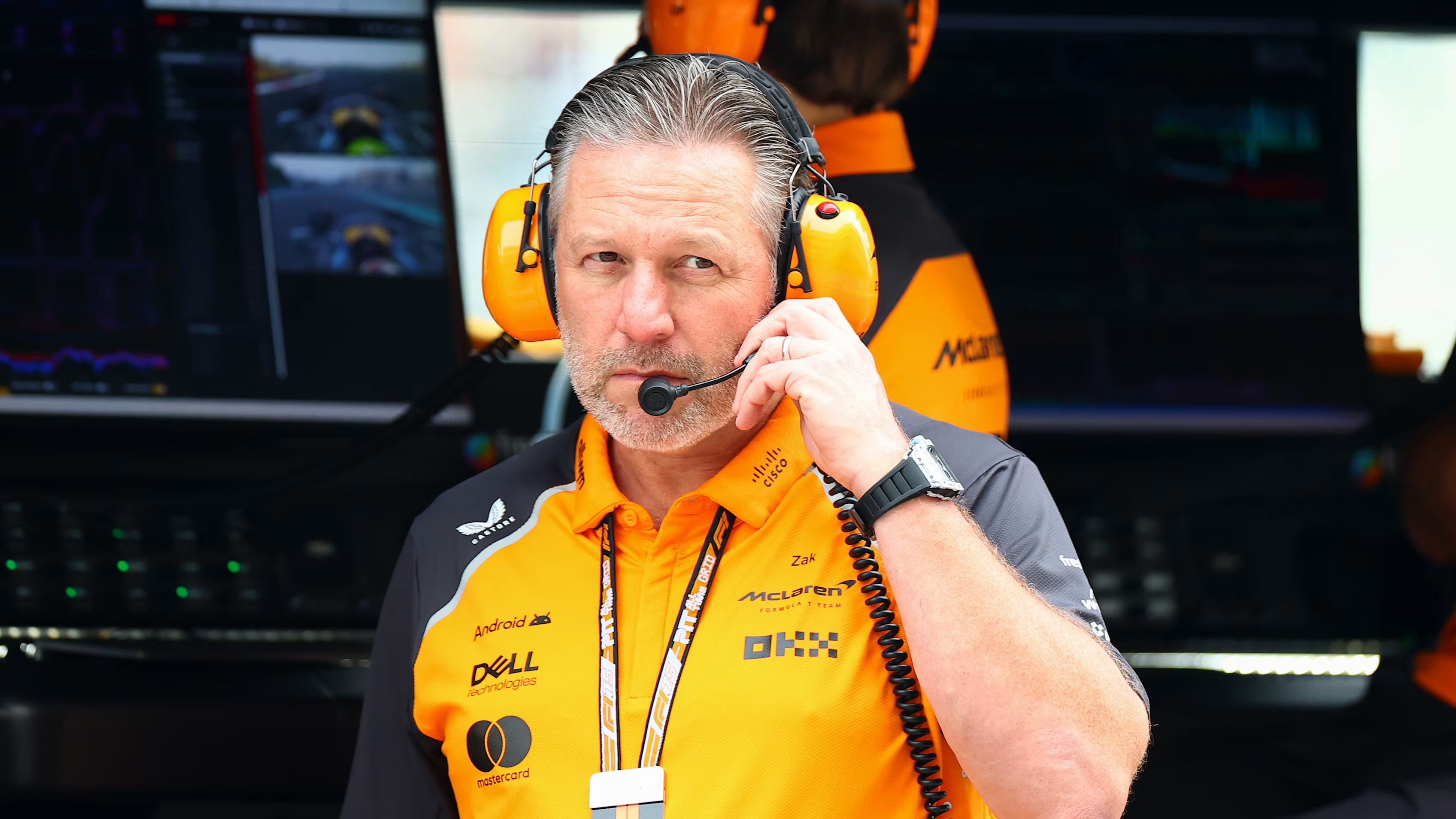

McLaren has opened the door to becoming a full Formula 1 engine manufacturer if future power unit regulations significantly reduce development costs. McLaren CEO Zak Brown admitted the Woking-based team would consider building its own power unit should a future engine formula become financially realistic.
Brown’s comments come amid growing debate regarding the long-term direction of Formula 1 engine regulations after FIA president Mohammed Ben Sulayem voiced support for a potential return to V8 engines with reduced electrical dependency from the early 2030s. The proposal has received positive reactions from several parties because it could deliver louder engines, simpler systems, and lower operational costs compared to the current complex hybrid power units.
Throughout its Formula 1 history, McLaren has never operated as a fully independent engine manufacturer. The team has traditionally partnered with external suppliers, including Honda, Mercedes, and several collaborative projects across different eras. McLaren currently uses Mercedes power units and remains one of the most competitive customer teams on the grid.

Brown stressed that McLaren remains extremely satisfied with its current relationship with Mercedes. However, he acknowledged that a future strategic shift could become possible if Formula 1 succeeds in creating a more financially sustainable engine formula.
“I think if you got an engine formula that was financially viable then, yeah, we would consider it and the technology,” Brown told SBJ.
“That being said, we couldn’t be happier with Mercedes. If something is presented to us that first financially makes sense, then we’ll have a look at it.”
Debate surrounding Formula 1’s future engine direction has intensified in recent months following criticism from several drivers regarding the 2026 power units, which place greater emphasis on electrical deployment. Multiple drivers believe wheel-to-wheel battles are becoming too heavily influenced by battery energy management rather than pure racing skill, particularly on long straights.
However, Brown defended the current regulations and argued that Formula 1 still delivers a highly entertaining product for viewers. According to him, from a spectator perspective, the races continue to feature strong strategic variation and competitive action.
“The racing is great. If you didn’t hear the drivers and were just watching on TV, the TV product is great,” Brown said.
“There’s passing, five different leaders in Miami, passes for the lead, so I think the fans watching the race are going, ‘That’s a damn exciting race.’ The drivers are getting more used to it and the rules are becoming more refined.”
Brown’s comments indicate that Formula 1’s post-2030 engine direction could become a major factor in reshaping the competitive structure of the grid. If development costs are successfully reduced, Formula 1 could potentially attract more independent constructors to produce their own power units, fundamentally changing the balance between customer teams and factory-backed operations in the future.
Baca Juga
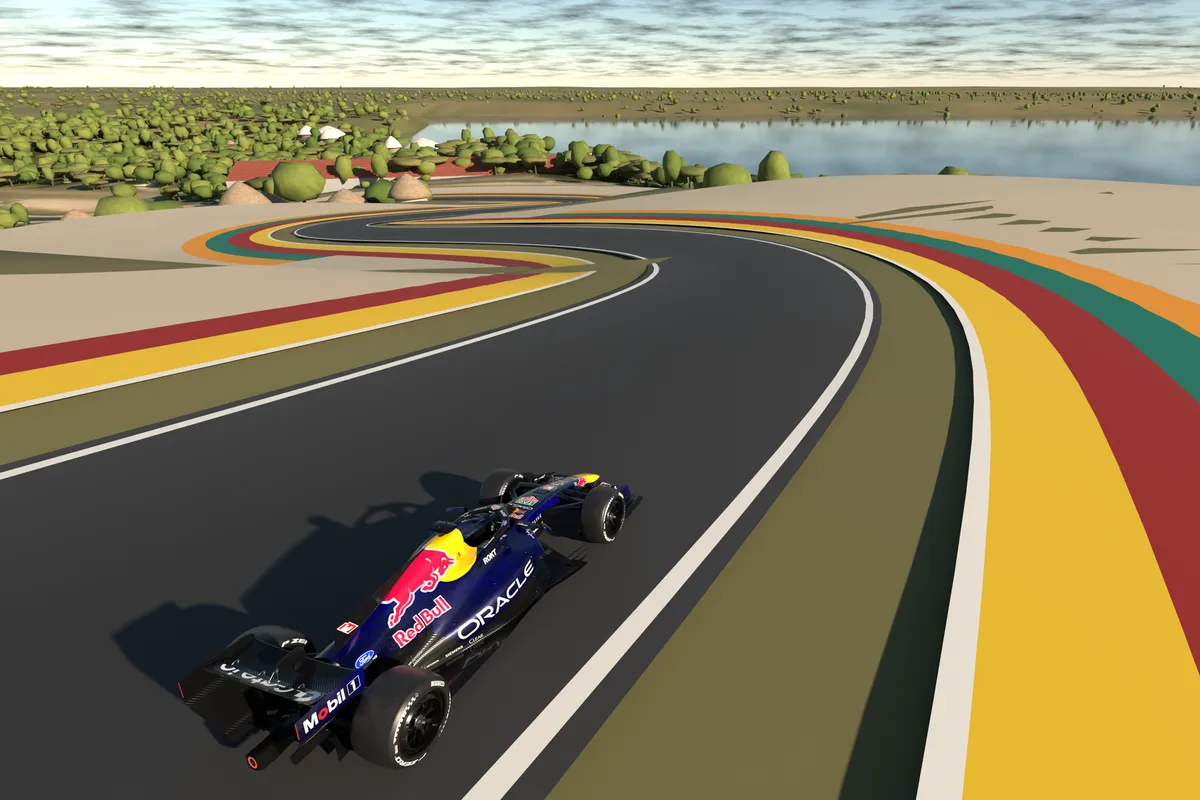
Simak analisis mendalam desain sirkuit Rwanda F1 2030 bersama Alex Wurz. Baca ulasan teknis lengkap dan rencana GP Afrika di sini!
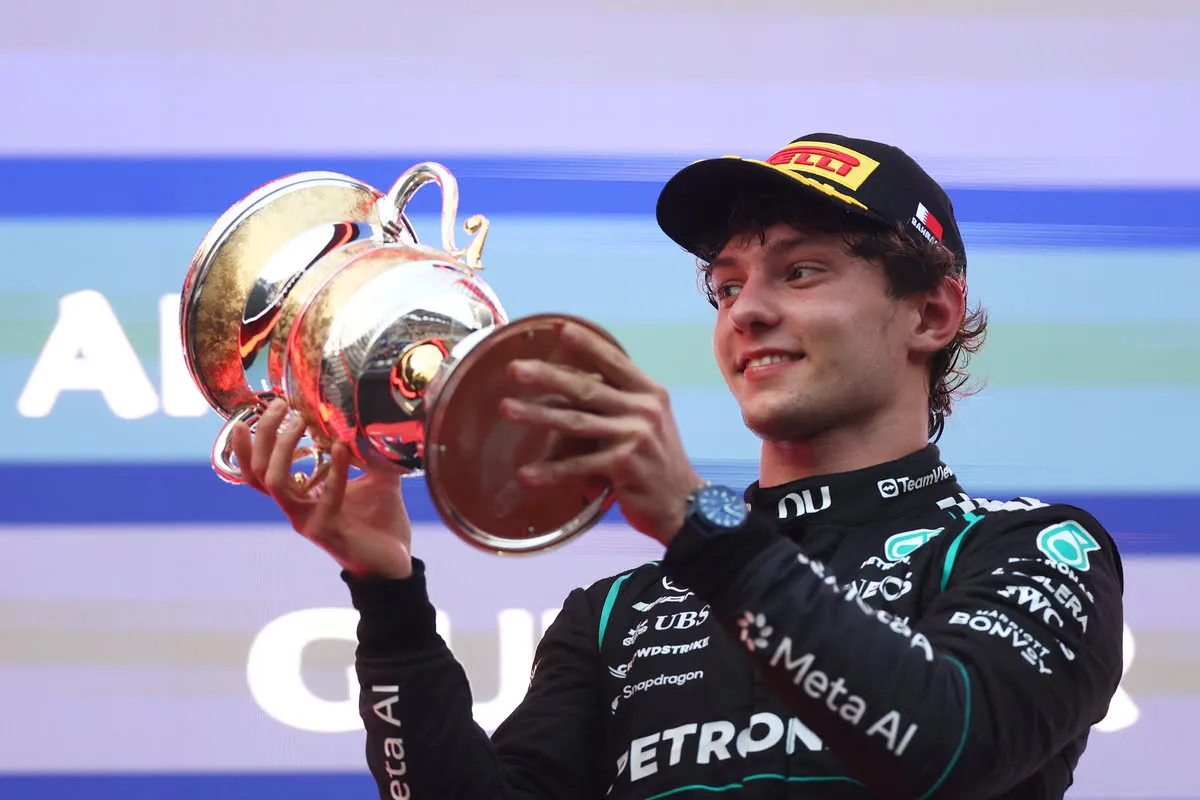
Simak analisis lengkap Emerson Fittipaldi tentang dominasi Kimi Antonelli di F1 2026. Baca ulasan mendalam peluang juara dunia di sini sekarang!
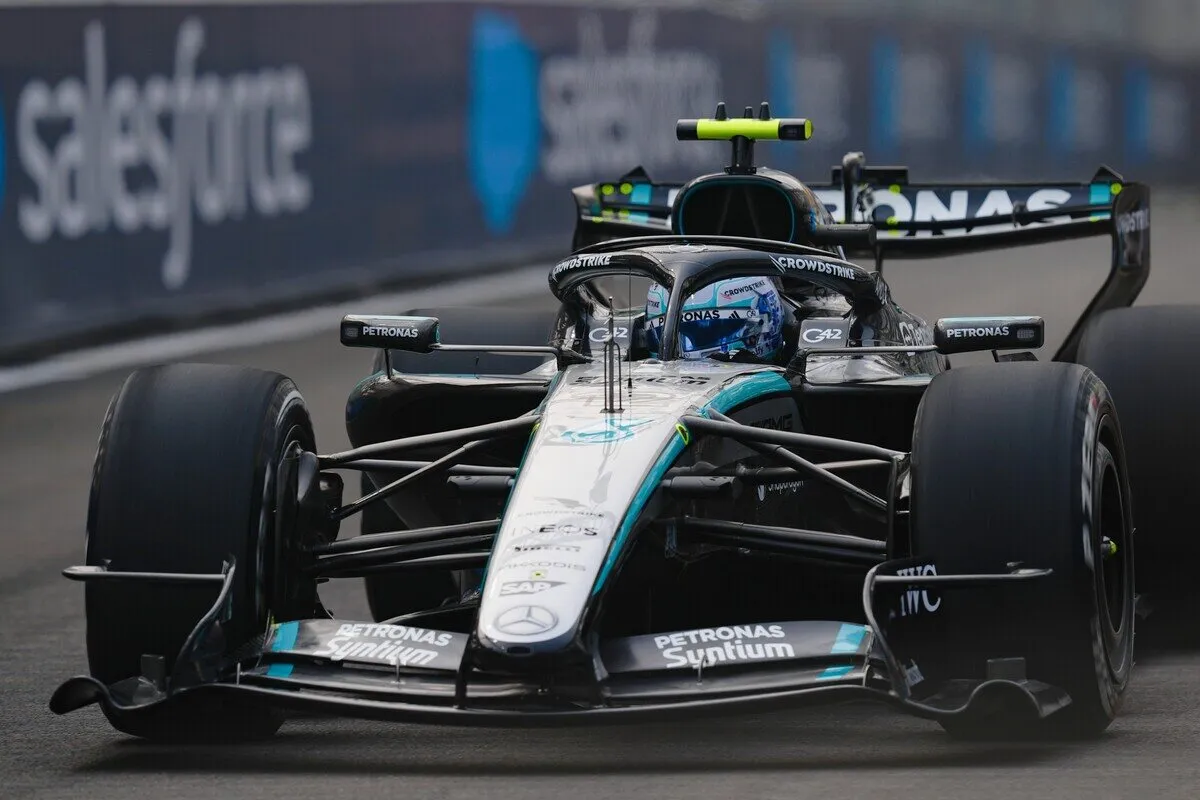
Mercedes pastikan bawa W17 dengan upgrade baru di Austin demi tuntaskan masalah setelan. Baca analisis teknis mendalam dan jadwal lengkap di sini!
 Lanjutkan dengan Google
Diskusi & Komentar (0)
Mari Bergabung dalam Diskusi!
Masuk dengan mudah untuk mulai memberikan komentar, membalas, dan berinteraksi dengan pembaca lainnya.
Komentar Terbaru
Belum ada komentar. Jadilah yang pertama!