








The Qatar GP weekend at the Lusail International Circuit left serious homework for the Oracle Red Bull Racing squad. Starting from sixth on the grid following a challenging qualifying session, Max Verstappen immediately realized his car lacked the raw pace to fight at the very front. The four-time world champion openly admitted before the lights went out that matching the leading pack would be an uphill battle, setting his sights instead on damage limitation in the closing stages of the championship.
Despite giving his absolute maximum around the desert track, the Dutch driver had to settle for a fourth-place finish, crossing the line ahead of a rival McLaren machine. The race was far from straightforward, as Verstappen's RB challenger suffered notable bodywork damage on the left-hand side after teammate Isack Hadjar ran wide across the aggressive curbs. That floor and body damage severely hampered the aerodynamic balance required to push hard throughout the Grand Prix distance.
Reflecting on the afternoon struggles, the 75-time Grand Prix winner did not hide his frustration. "It can be nice if you have a boring race, for example when you are leading and controlling the race from the front. But this time it wasn't so nice because not much was happening. I struggled a lot with the car again—partly because the left side was full of holes when Isack went off track in front of me, and that definitely influenced my performance," he explained to reporters in the paddock.
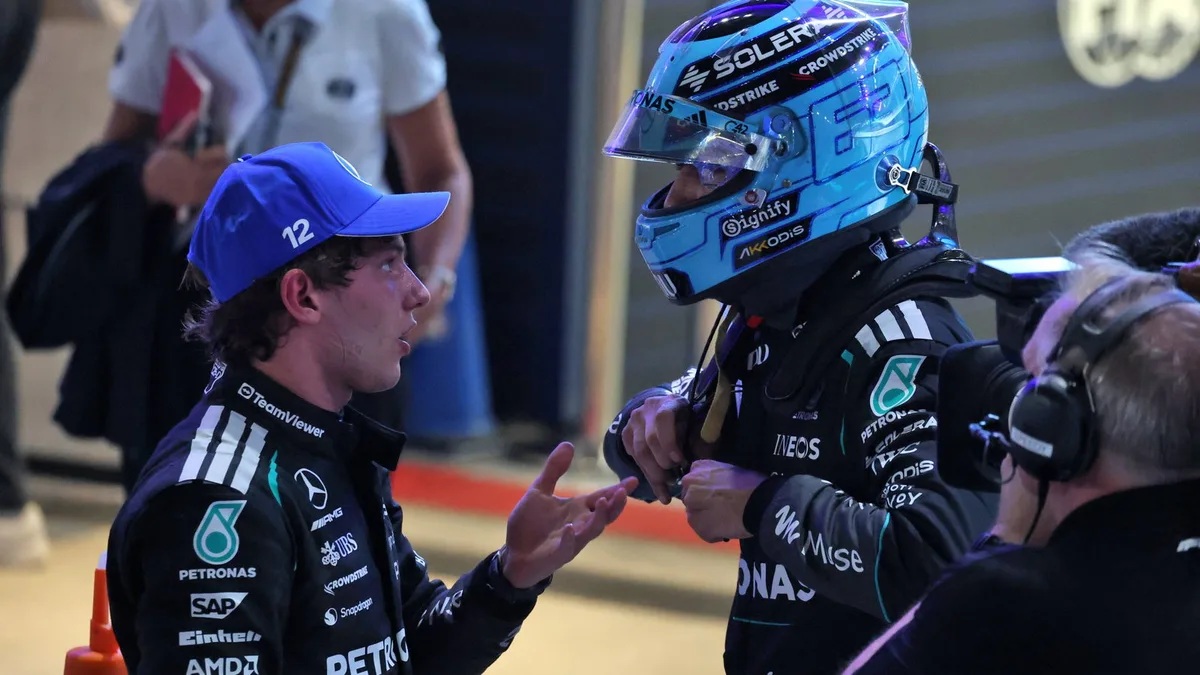
Looking back at the broader picture of the ongoing campaign, Verstappen pointed out the stark contrast between the two halves of the year. The initial phase presented numerous reliability and handling hurdles that forced the team to learn harsh lessons on the fly. Although the development trajectory improved significantly after the summer break, this weekend's data underlined persistent vulnerabilities on high-speed layouts requiring maximum downforce.
With the winter break approaching, development priorities are already locked in for the Milton Keynes outfit. The star driver emphasized that engineering efforts must pivot toward curing these high-speed deficits to ensure they return stronger. "I think the second half of the season went very well, the first was very difficult. We had many problems and had to learn a lot. After that it got better and we have to keep working and drawing our lessons. This weekend showed that we need to catch up on high-speed tracks that demand a lot of downforce, and that is what we must work on during the winter," he concluded.
Baca Juga
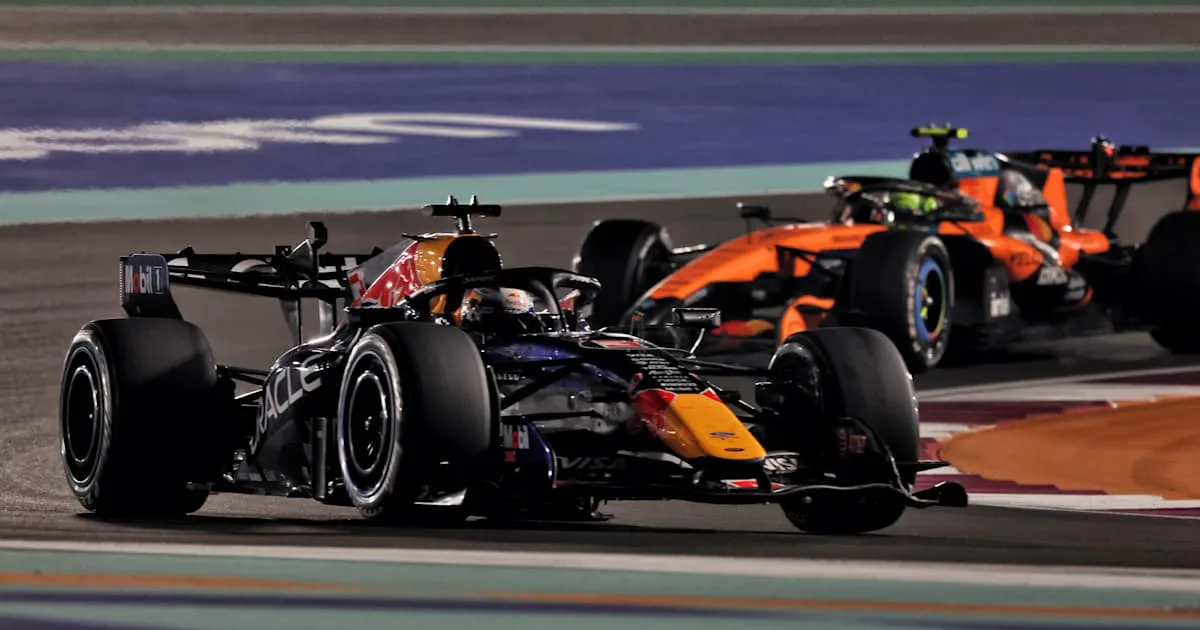
Max Verstappen soroti kelemahan Red Bull di GP Qatar dan desak tim berbenah total hadapi musim depan. Baca analisis mendalam di sini!
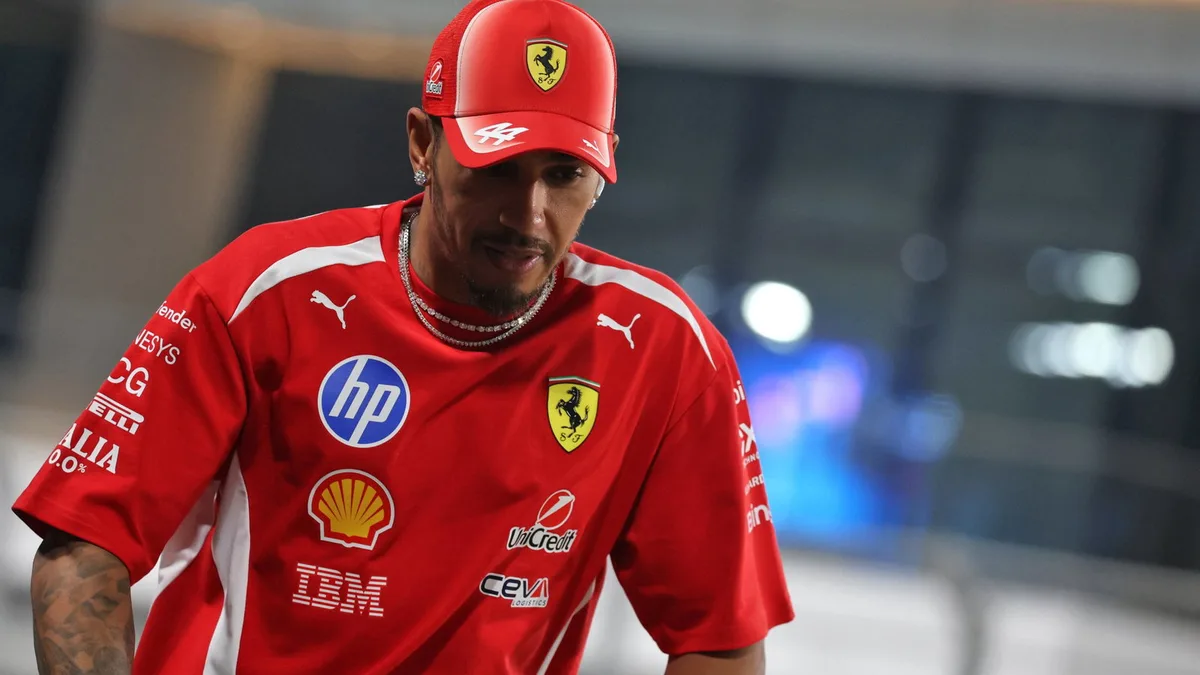
Lewis Hamilton bongkar kerugian waktu akibat masalah VSC aneh di GP Qatar. Baca analisis mendalam, update poin, dan jadwal akhir pekan ini.
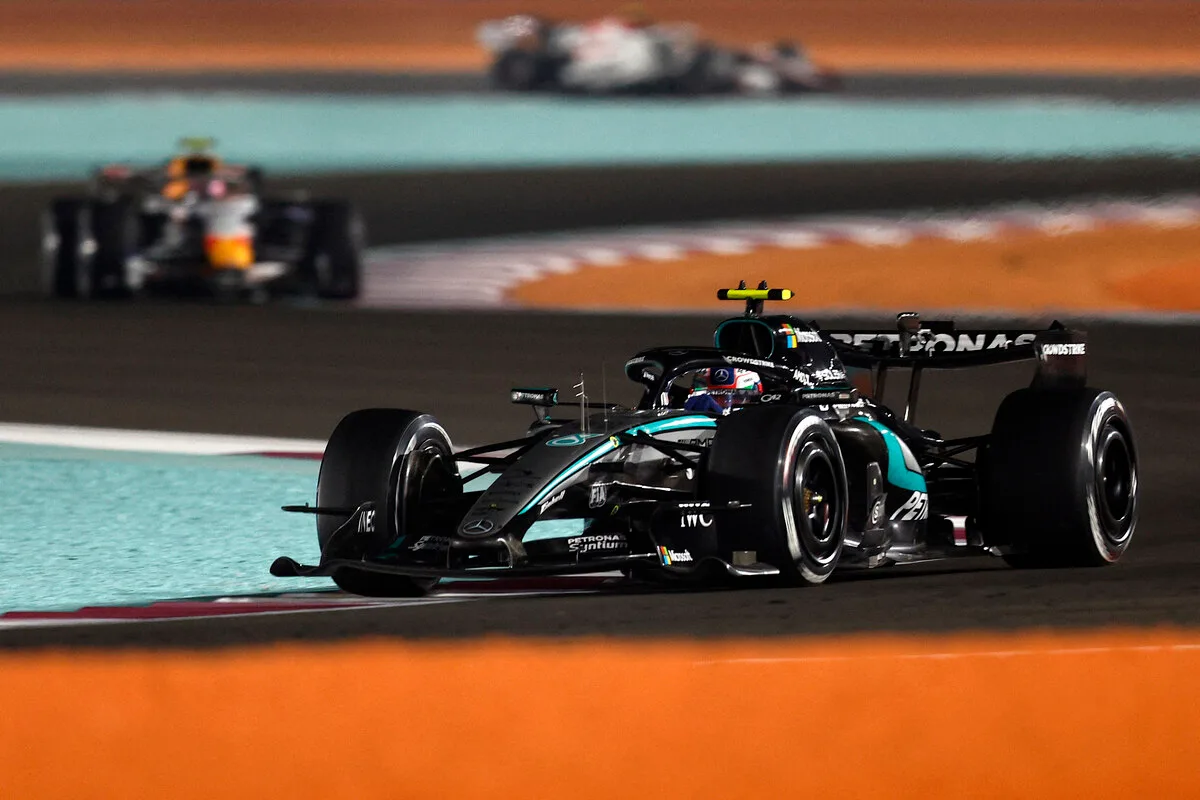
Simak analisis mendalam kemenangan Kimi Antonelli di Lusail, dominasi Mercedes, dan masalah pelik Ferrari. Baca selengkapnya di sini!
 Lanjutkan dengan Google
Diskusi & Komentar (0)
Mari Bergabung dalam Diskusi!
Masuk dengan mudah untuk mulai memberikan komentar, membalas, dan berinteraksi dengan pembaca lainnya.
Komentar Terbaru
Belum ada komentar. Jadilah yang pertama!