








Formula 1 recently announced a landmark partnership with wearable health and fitness technology specialist Whoop to integrate driver biometric data into live television broadcasts. The innovative rollout included live demonstrations illustrating how real-time heart-rate metrics could be woven into broadcast coverage, utilizing Charles Leclerc's information from the British Grand Prix and Liam Lawson's data from Brazil as primary examples for the paddock.
Whoop hardware captures an extensive array of biometric parameters, with material released detailing a comprehensive breakdown of the exact time drivers spend in various heart-rate zones to quantify the immense physical stress experienced inside the cockpit. While the exact scope of data destined for public screens remains under wraps, developers hinted that sleep quality, recovery trends, and their correlation with overall driver performance could eventually form part of the weekend storytelling.
Despite the technological leap, the initiative immediately met resistance from reigning world champion Max Verstappen, who firmly declared he will sit out the entire scheme due to strict privacy concerns and a personal aversion to digital tracking devices during training and race weekends.
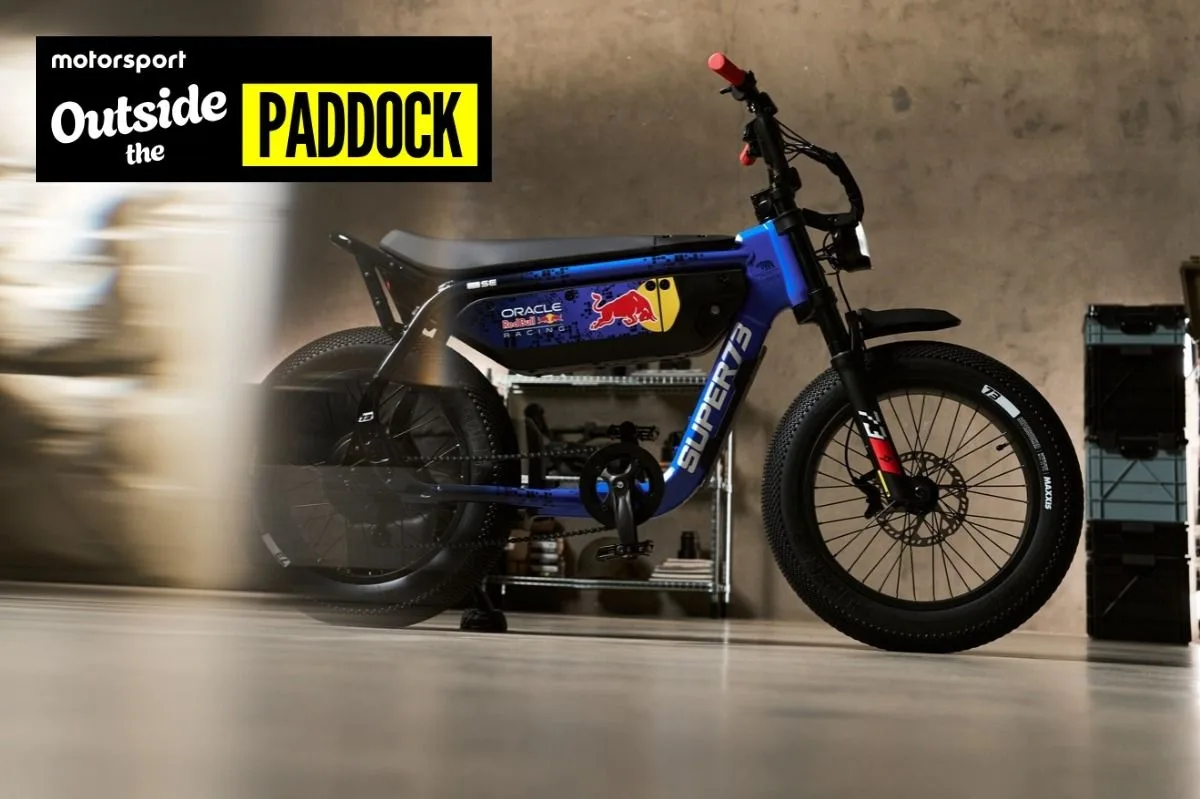
"I won't be involved," Verstappen stated when addressing reporters regarding the new broadcast metrics. "I don't use any device. Also, for my training, I don't use anything because, first of all, I don't like to be tracked and I know when I'm tired." The Red Bull driver added that while he prefers keeping his biometric figures entirely private, he harbors no objections if fellow competitors voluntarily choose to share their physical stats with the watching world.
Meanwhile, Mercedes representative George Russell adopted a more pragmatic stance, admitting he would not outright decline the initiative but expressing genuine skepticism regarding its analytical value for television audiences. Russell warned that raw physiological comparisons could easily foster misleading narratives among casual viewers who might misinterpret natural age and fitness discrepancies.
"As a neutral, if I was sat on the sofa, I think I'd really enjoy seeing it," Russell explained regarding the entertainment value. "But everyone's different. You've got older drivers whose resting metrics naturally differ drastically from younger talents. You cannot simply draw straightforward conclusions from raw numbers alone." Read our in-depth analysis to stay updated on the latest paddock developments and paddock reactions.
Baca Juga
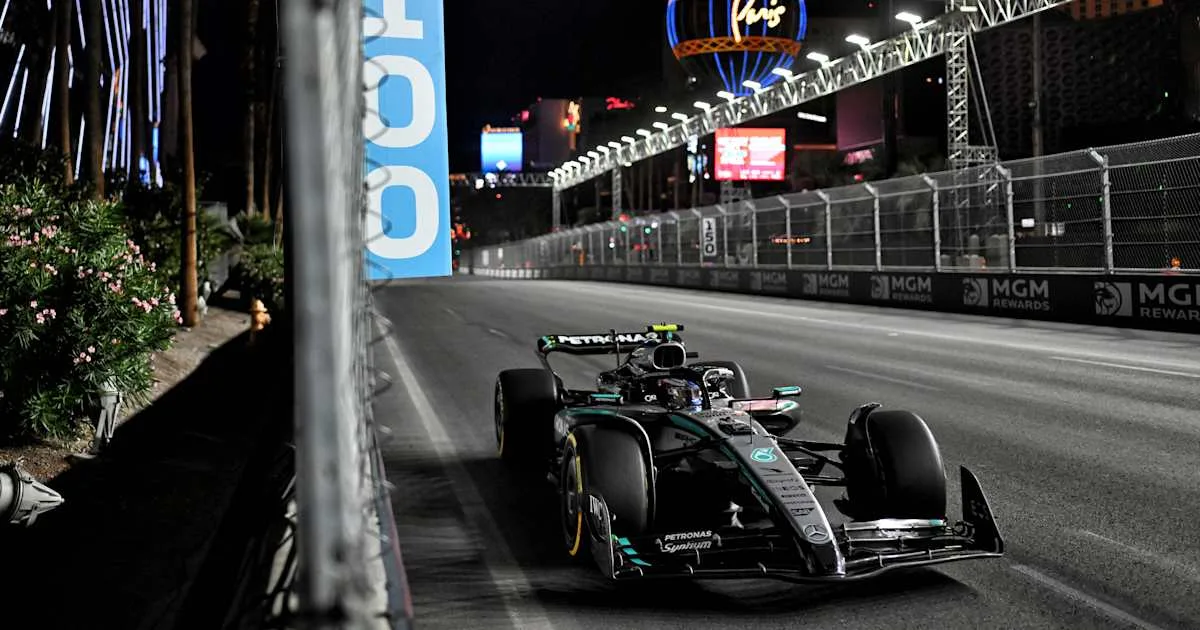
Kimi Antonelli prediksi balapan di Las Vegas penuh aksi mobil ngepot akibat suhu dingin dan ban. Baca analisis mendalam selengkapnya di sini.
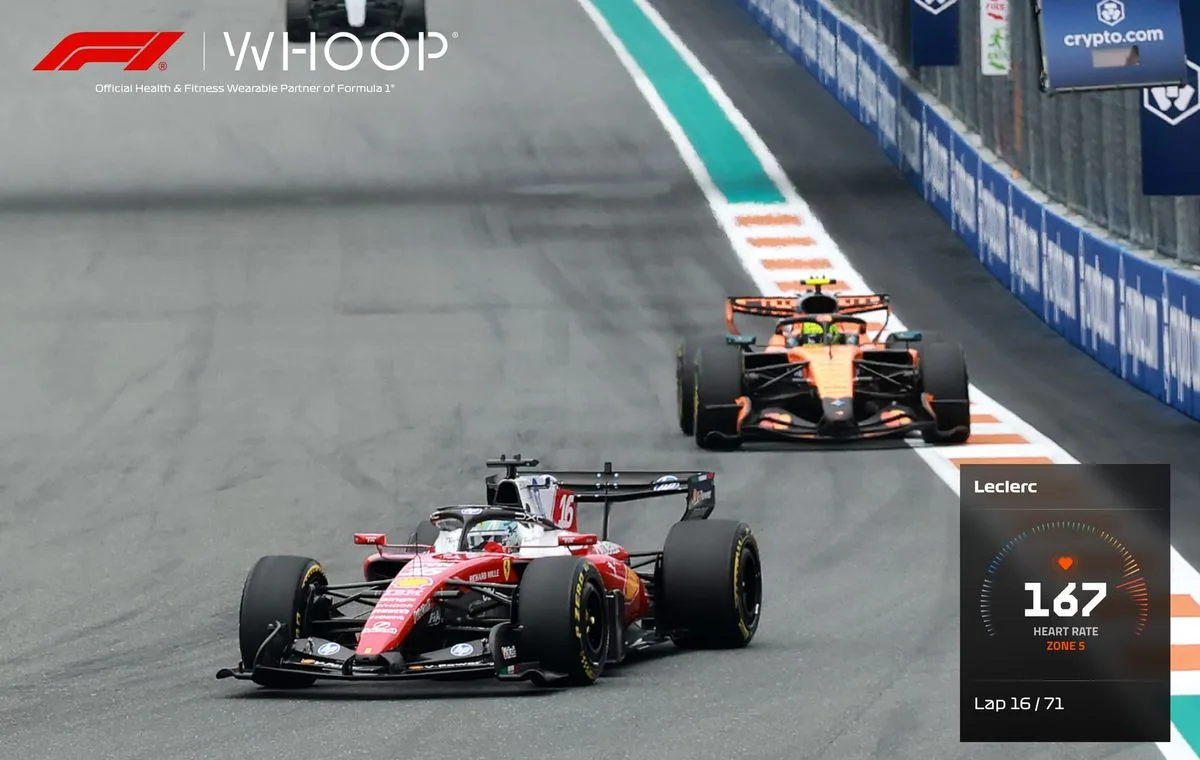
Max Verstappen dengan tegas menolak integrasi data biometrik baru F1 karena alasan privasi. Simak analisis lengkap dan sudut pandang para pembalap di sini.
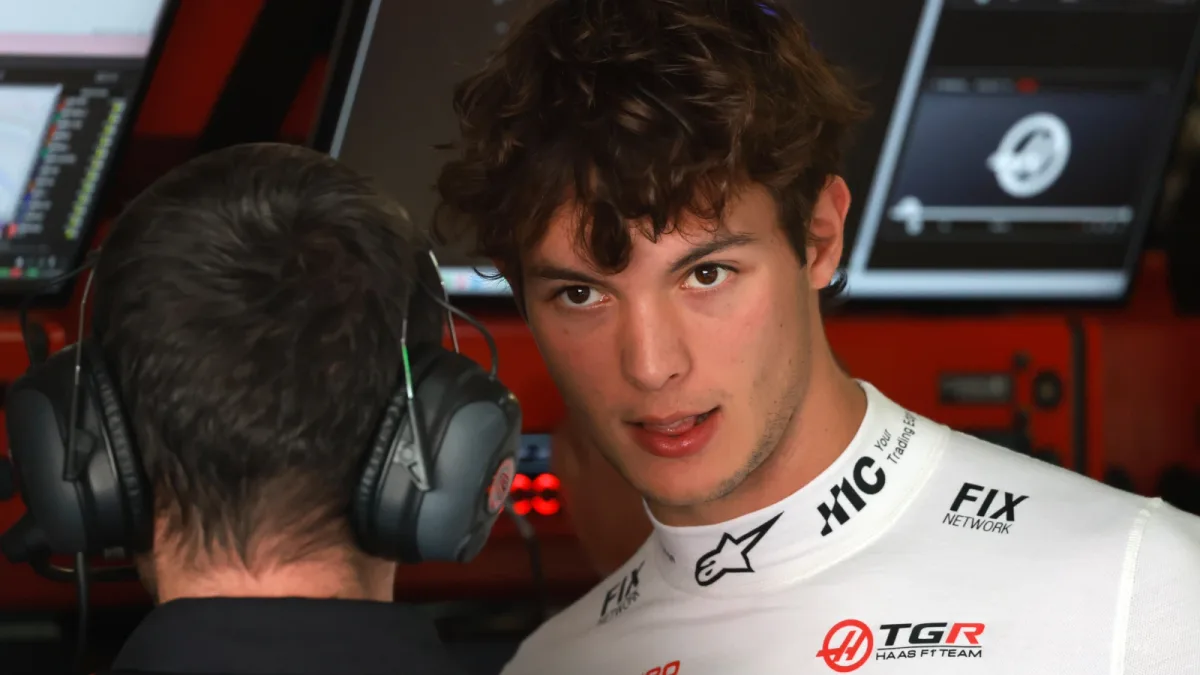
Oliver Bearman kecewa dengan negosiasi kontrak Haas yang berlarut-larut jelang akhir musim F1. Baca analisis mendalam di sini.
 Lanjutkan dengan Google
Diskusi & Komentar (0)
Mari Bergabung dalam Diskusi!
Masuk dengan mudah untuk mulai memberikan komentar, membalas, dan berinteraksi dengan pembaca lainnya.
Komentar Terbaru
Belum ada komentar. Jadilah yang pertama!