








The potential return of V8 engines to Formula 1 has drawn widespread attention across the paddock, with reigning world champion Max Verstappen offering a candid perspective on the future technical regulations. Although the Red Bull Racing star acknowledges that transitioning toward a 2.1-litre turbocharged V8 power unit is a step in the right direction, he admitted that his own ideal rulebook would be far more extreme.
The anticipated framework, reportedly slated for introduction around 2030, aims to address persistent driver complaints regarding heavy electrical clipping and complex power unit behavior. While Verstappen welcomes the shift away from current power unit limitations, he remains non-committal about whether these changes will persuade him to extend his racing career beyond the end of the decade.
"I don’t know. For sure it’s better, but I cannot tell you now what I will do after 2030. But for the sport itself, it’s a good choice," Verstappen stated when discussing his long-term future in the sport.
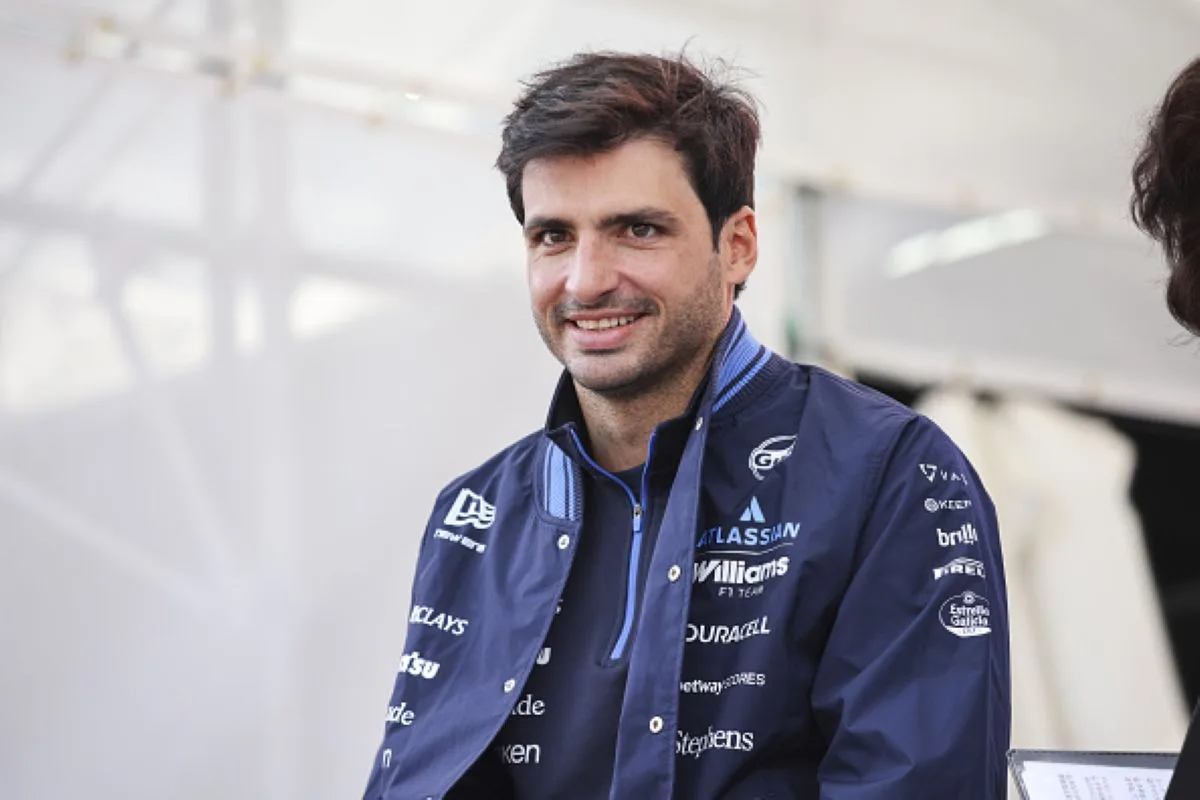
Speaking to Motorsport.com, the Dutch driver explained that his ultimate technical vision would eliminate forced induction and complex energy recovery systems entirely, a concept that would instantly render current circuit noise restrictions a major hurdle.
"No, but that’s also because with my plans you would not be allowed to race at some tracks because it would be too loud! If it is up to me, then I would take the turbo off. And I would get rid of the electrical power. Well, maybe you can use it as a push-to-pass, but not too much on the battery side anymore. But then on some tracks you are not allowed to race," Verstappen explained.
Beyond acoustic regulations at modern racing facilities, Verstappen also highlighted the engineering compromises required when designing a traditional internal combustion engine format, noting that fuel consumption and fuel tank capacity would present significant design challenges without a turbocharger.
"Fuel consumption also goes up a lot without the turbo, so you would need a bigger tank if you don’t want to do refuelling during the races. So then, of course, I understand that you want to have a turbo," he added.
Recognizing the political necessities of keeping major global automotive manufacturers content within the sport, the Red Bull driver ultimately views the incoming V8 compromise as a pragmatic and welcome evolution for Formula 1.
"If it’s fully up to me, then of course I would go back to a V10 or whatever. That sounds even better, but I know that’s not something realistic. But this is good. This is for sure in the right direction. But again, it’s not confirmed yet, so I guess there are a few things that they still need to agree on," Verstappen concluded.

Baca Juga
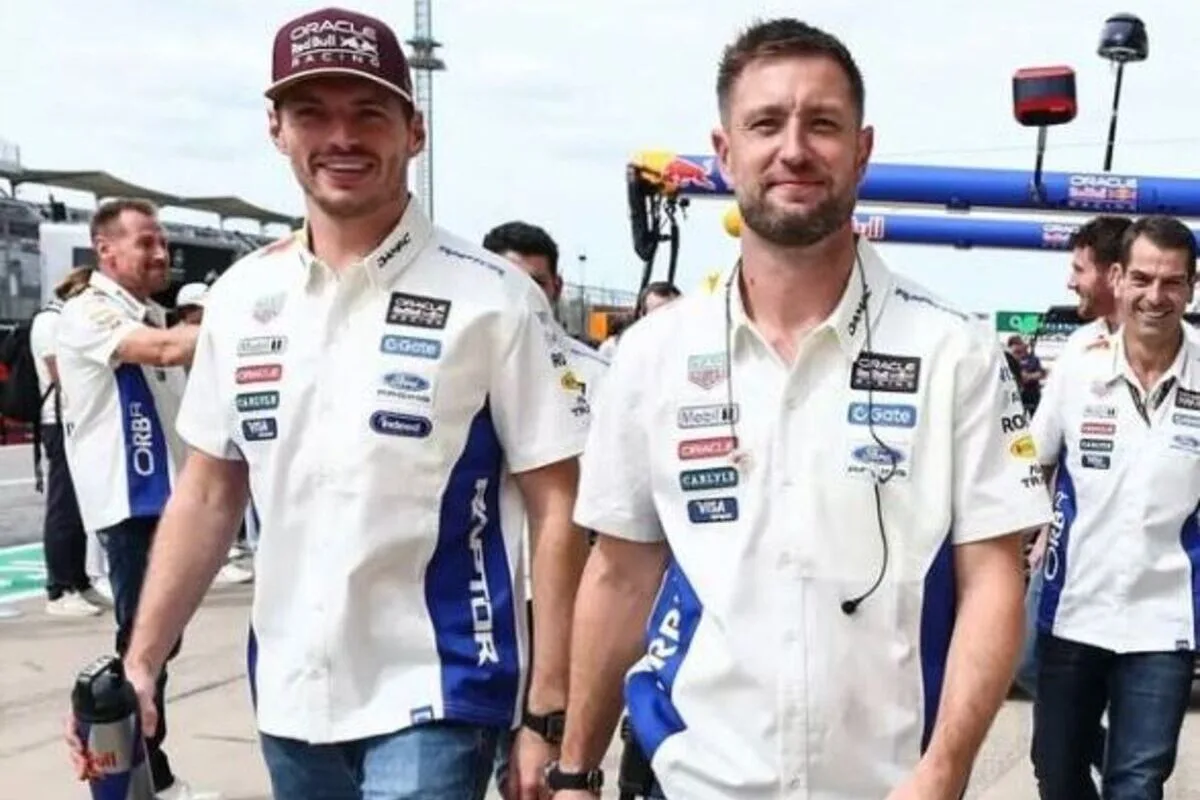
Garasi Max Verstappen kembali bergejolak setelah kepala mekanik Jon Caller memutuskan hengkang ke WEC bersama Ford. Baca analisis mendalam di sini.
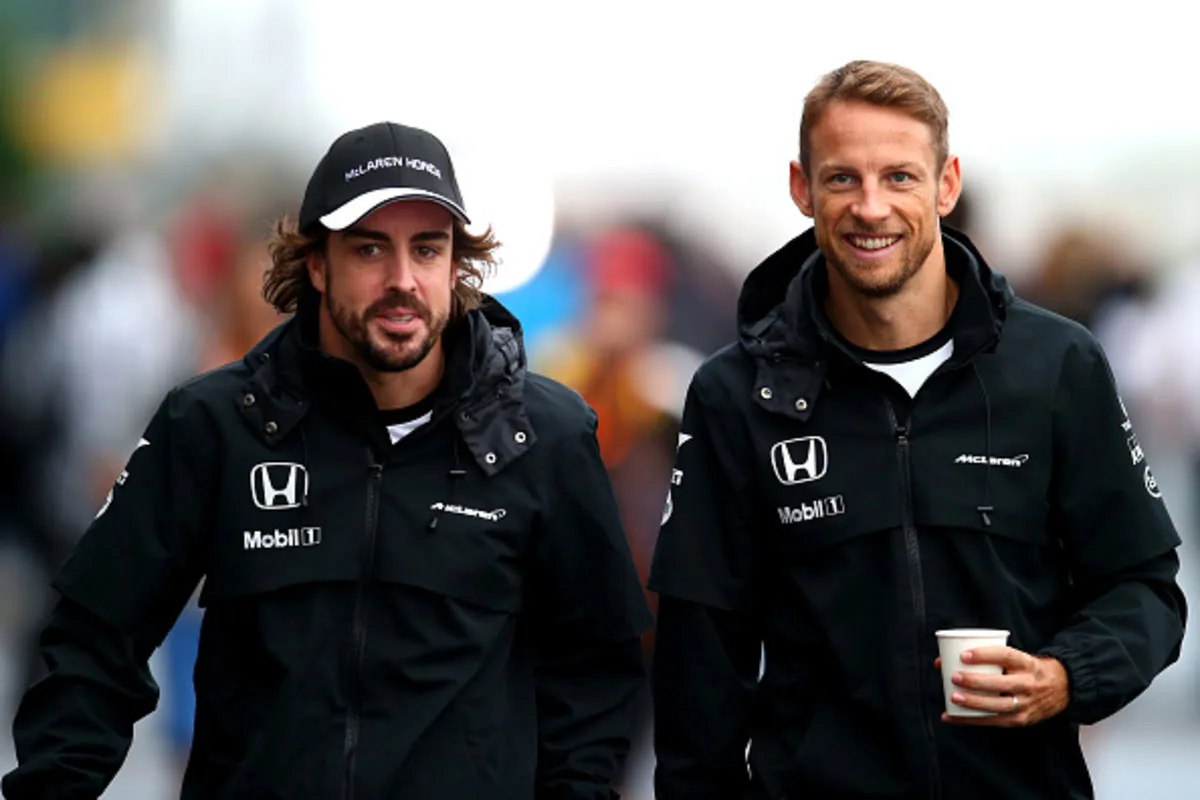
Jenson Button ungkap kekagumannya pada dedikasi Fernando Alonso yang tak kenal lelah di dunia balap. Baca analisis lengkap mengenai semangat juang sang juara.
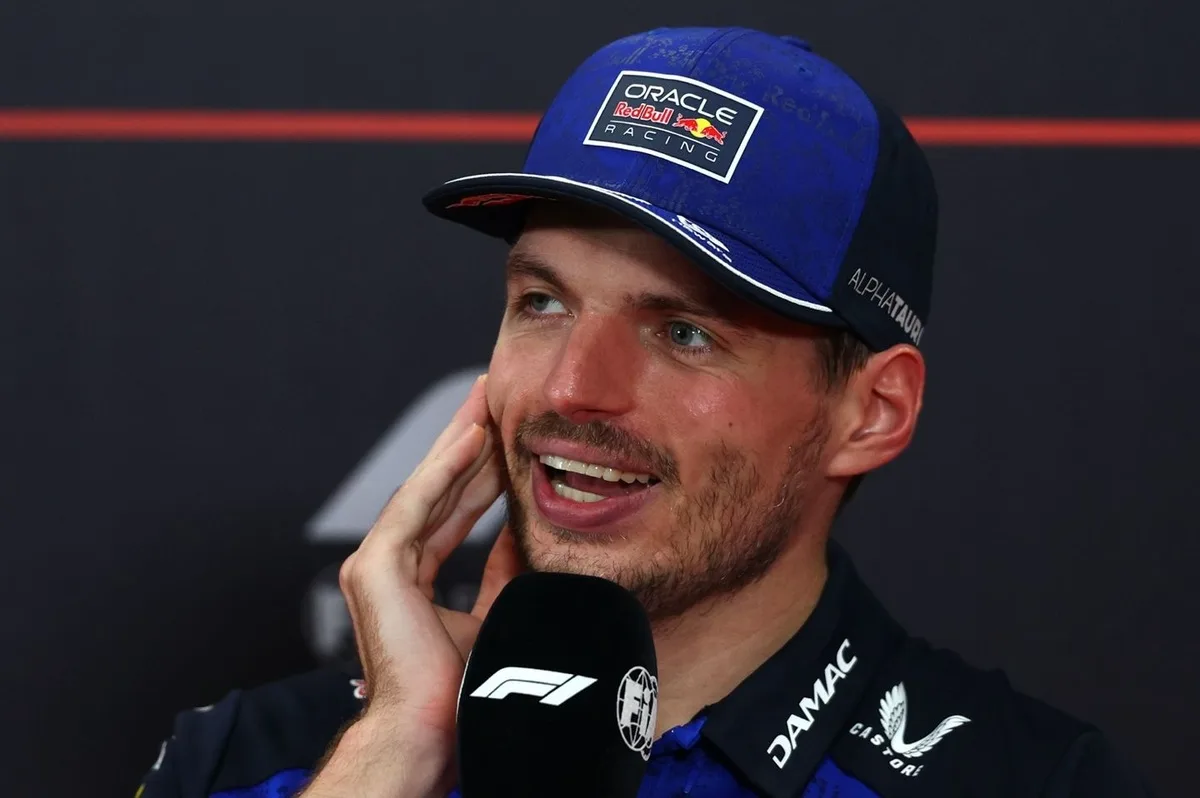
Simak analisis mendalam Max Verstappen mengenai wacana regulasi mesin V8 F1 2030. Baca analisis lengkap, update poin, dan jadwal akhir pekan ini.
 Lanjutkan dengan Google
Diskusi & Komentar (0)
Mari Bergabung dalam Diskusi!
Masuk dengan mudah untuk mulai memberikan komentar, membalas, dan berinteraksi dengan pembaca lainnya.
Komentar Terbaru
Belum ada komentar. Jadilah yang pertama!