







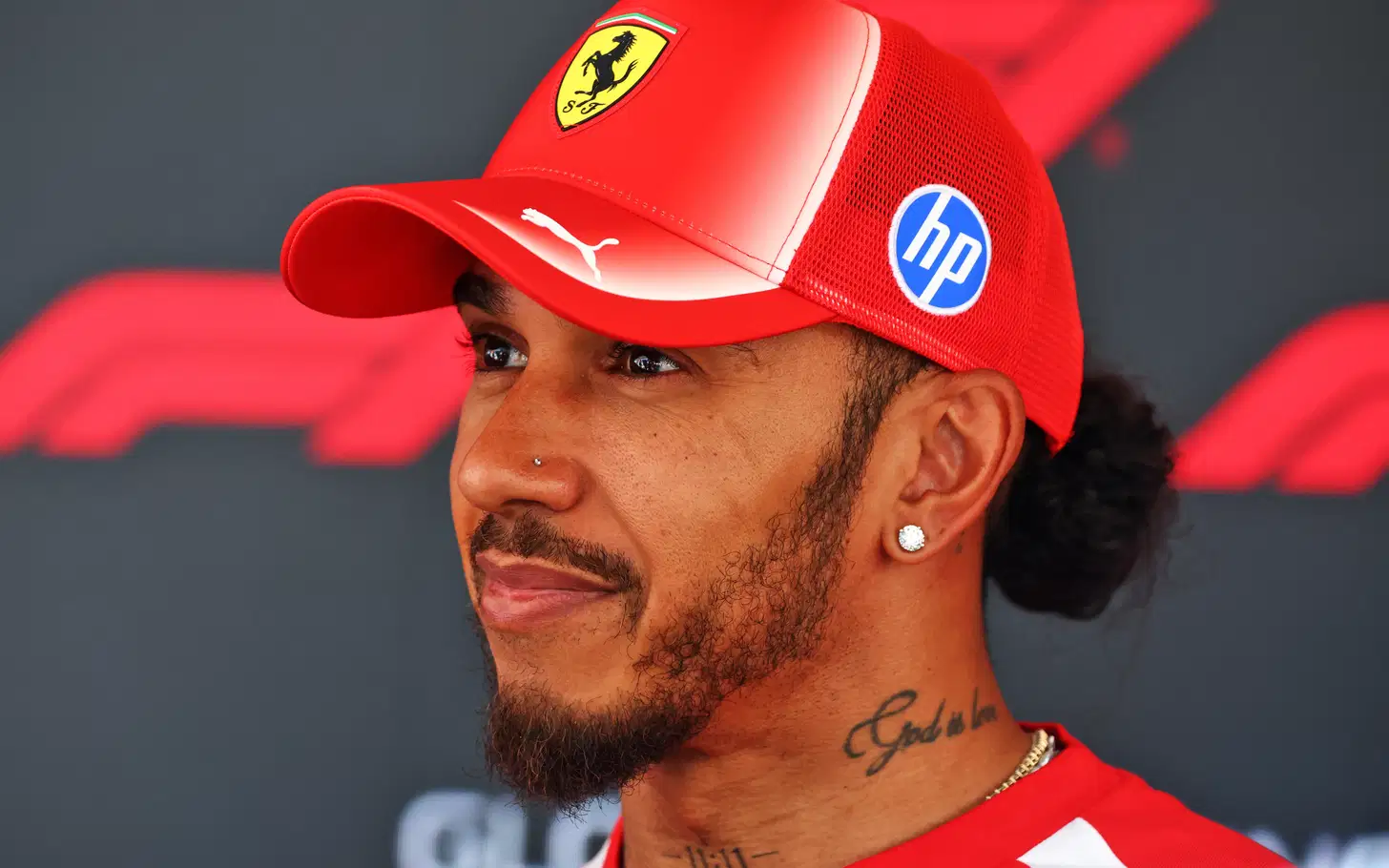

Lewis Hamilton has confirmed that he has not used Ferrari’s simulator for race preparation since the Canadian Grand Prix at the end of May because he believes the tool provided misleading set-up directions.
The seven-time world champion found that configurations which appeared effective in simulation did not always correspond with the Ferrari’s behaviour on track. The weak correlation between the virtual model and the real car risked directing preparation towards the wrong technical path.
Hamilton spent the previous season attempting to make the simulator an effective part of his working process. However, the resulting set-ups often failed to reflect the car’s characteristics under real circuit conditions, changing grip levels and the practical demands of a race weekend.
Asked whether he had returned to the simulator since Canada, Hamilton delivered a firm answer. “No,” he said. When questioned about how much the decision had helped his performance, he smiled and replied, “Massively.”
The Ferrari driver is not opposed to simulator technology. Hamilton said he has used simulators since 1997 and understands that they can become extremely powerful tools when the virtual data correlates accurately with the car on track.
However, their value can become a liability when the digital car responds differently from reality. In that situation, a driver may arrive at a circuit with a set-up that appears promising in theory but requires major correction once practice begins.
“Simulators can be really powerful and useful tools, but they can also mislead you. I found that throughout last year, and it was very similar during some of my final years at Mercedes,” Hamilton said.
That experience prompted Hamilton to change his preparation method. He no longer uses the simulator as the primary basis for set-up decisions and instead relies more heavily on track data, technical discussions with engineers and the car’s direct response during practice.
The change has coincided with a significant improvement in form. Since stopping his simulator work, Hamilton has claimed one victory and two further podiums while reducing his deficit to Kimi Antonelli in the championship battle.
Hamilton believes the improvement demonstrates that more technology does not automatically produce better preparation. The value of a simulator depends entirely on the quality of its correlation rather than the sophistication of the model or the volume of data available.
His decision also places an important responsibility on Ferrari’s technical department. The team must improve the connection between its virtual model and the real car before the simulator can again become a development tool rather than a source of uncertainty.
For now, Hamilton does not expect to return to the simulator in the near future. As long as his revised preparation continues to produce stronger results, he is likely to retain the method he considers more faithful to the car’s actual behaviour on track.
Baca Juga

Simak analisis mendalam F1 GP AS mengenai ujian berat Mercedes, prospek regulasi 2027, dan transfer pembalap muda. Baca selengkapnya di Sportrik!
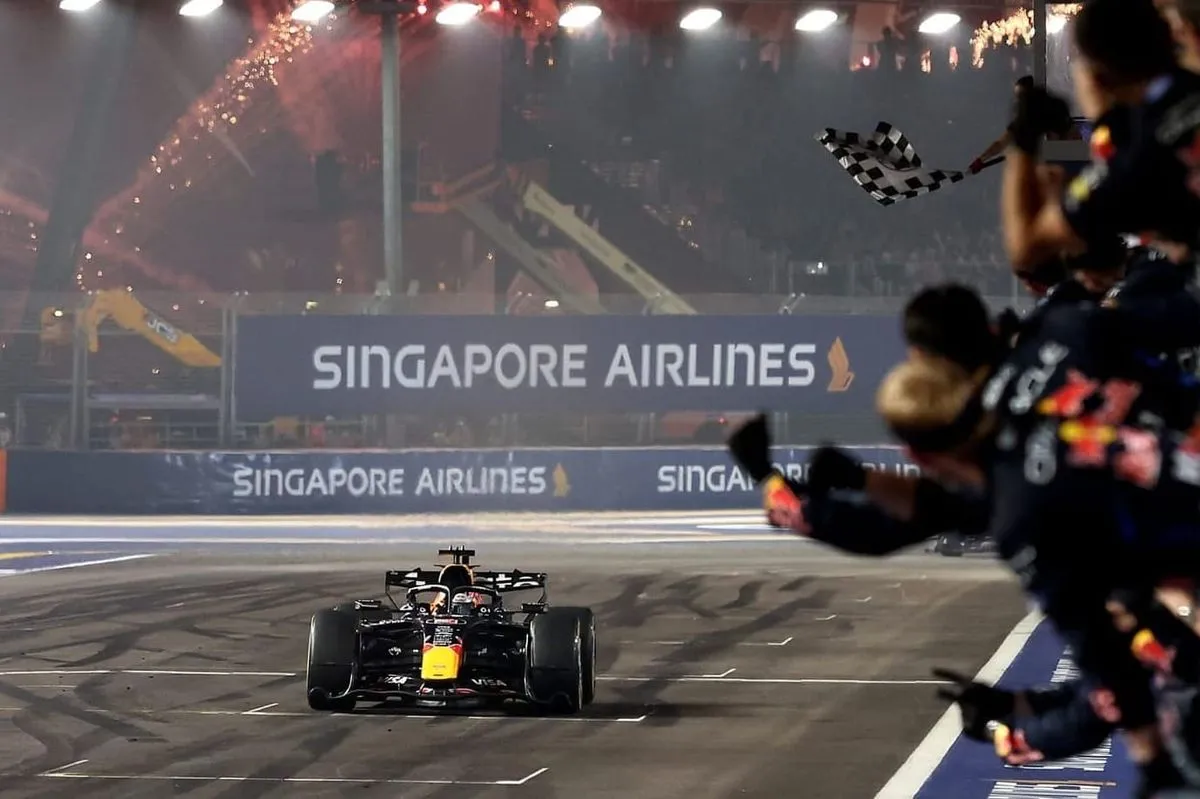
Simak analisis mendalam bagaimana Red Bull melakukan perjudian terbesar dalam sejarah F1 2026 dan berhasil meraih kemenangan. Baca selengkapnya di sini!

Dunia motorsport berduka atas kepergian mantan juara dunia Romano Hummel di usia 27 tahun. Baca kisah perjalanan karier sang legenda selengkapnya di sini.
 Lanjutkan dengan Google
Diskusi & Komentar (0)
Mari Bergabung dalam Diskusi!
Masuk dengan mudah untuk mulai memberikan komentar, membalas, dan berinteraksi dengan pembaca lainnya.
Komentar Terbaru
Belum ada komentar. Jadilah yang pertama!