







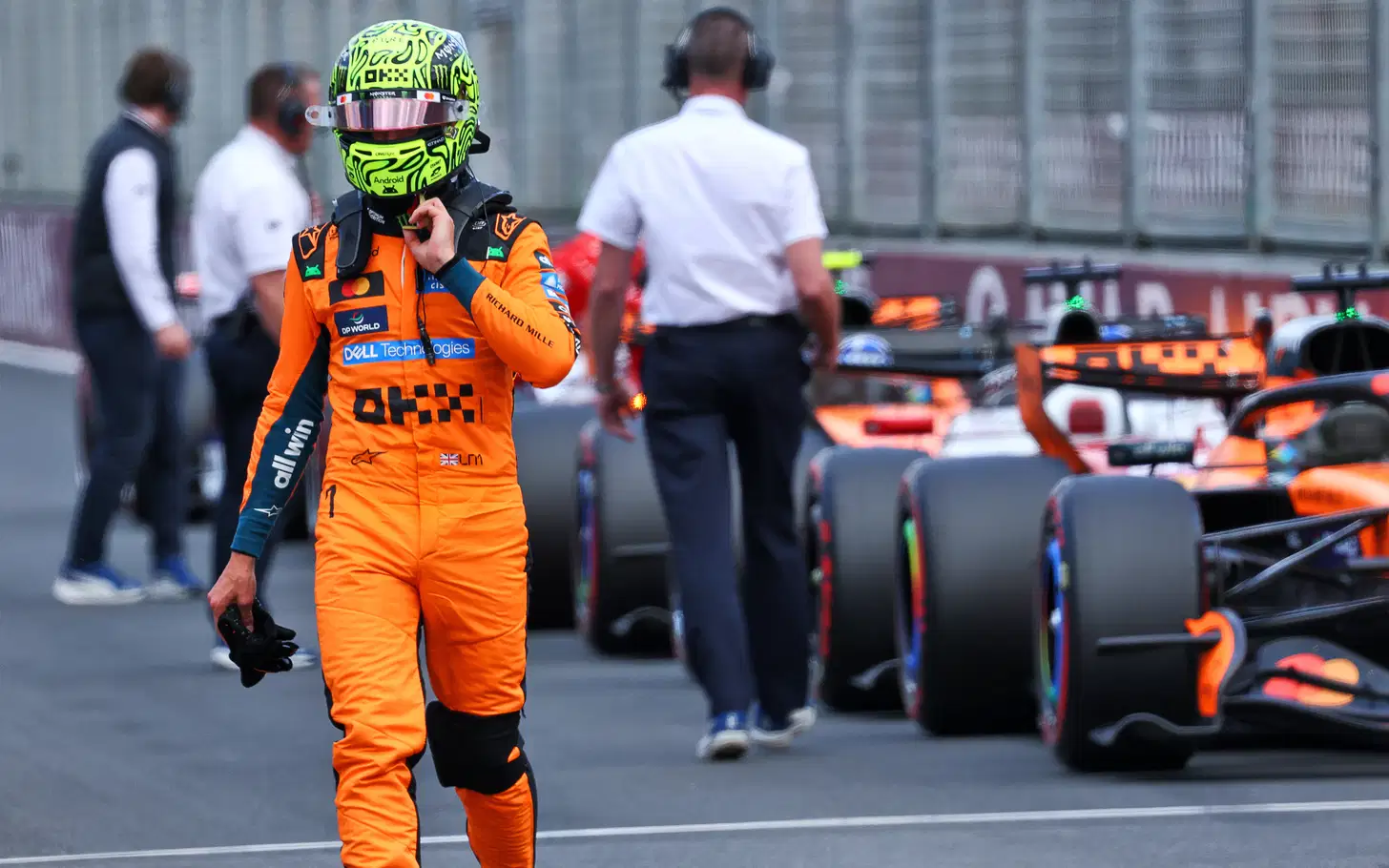

Formula 1, Sportrik Media - Lando Norris has highlighted a major challenge created by the new Formula 1 power unit regulations after qualifying sixth for the 2026 Australian Grand Prix at Albert Park. The McLaren driver explained that missing even a few laps during practice can now leave drivers at a significant disadvantage.
Norris finished the qualifying session in sixth position, behind team-mate Oscar Piastri and almost a full second slower than pole-sitter George Russell of Mercedes.
The British driver entered the Melbourne weekend already on the back foot after losing valuable running time in the first practice session due to a gearbox issue. As a result, Norris spent much of the weekend trying to recover lost ground in understanding the behaviour of the new-generation cars.
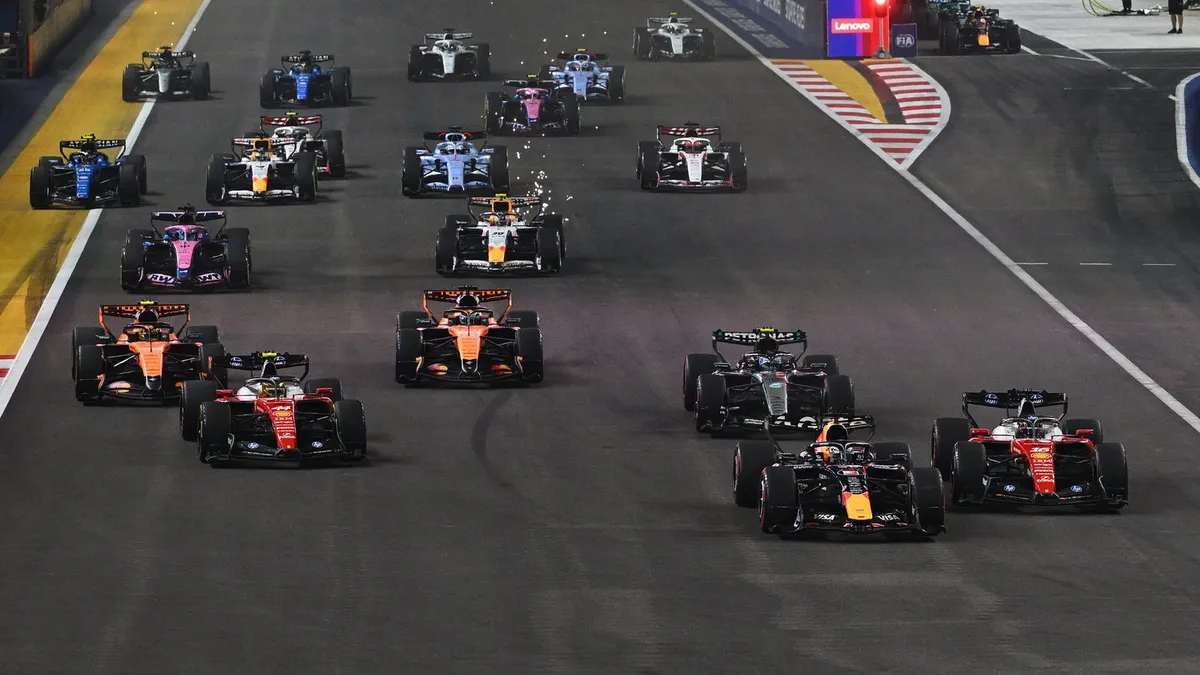
According to Norris, the 2026 regulations have significantly changed several key aspects of driving, including how drivers harvest energy, manage battery deployment, and approach braking.
Despite the difficulties, Norris took some encouragement from the fact that McLaren was still competitive with Red Bull Racing and Ferrari, which suggests the team is performing roughly where it expected heading into the season opener.
“We're not quick enough; Mercedes have done a very good job,” Norris said while speaking to select media.
“I think we're probably where we expected to be, honestly. So nothing too surprising. Of course, the gap is big, so credit to them.”
He added that being in the mix with Ferrari and Red Bull was a positive sign for McLaren’s early-season competitiveness.
“I think the fact that we're kind of in the mix with Ferrari and Red Bull is a good sign.”
However, Norris stressed that the biggest impact of the new rules is how critical track time has become during practice sessions.
“It’s just not been an easy weekend for me — not a lot of laps, a lot of issues,” Norris explained.
“The problem now is it's not like you can just get back in the car and drive what you once knew and just click. This car is just odd.”
The new cars require a different driving rhythm compared to previous seasons, forcing drivers to adapt their approach to energy management and corner entry techniques.
“Just getting into the rhythm of lifting everywhere to go quicker, using gears you don't want to use, and understanding that when you lift more you brake later, but you have to brake less,” he said.
Because of these complexities, Norris believes every lap completed in practice is now more valuable than ever.
“In the past, if you missed FP1, not too bothered. I always felt confident to get back up to speed,” he added.
“But now, when you miss five laps, not only do you as a driver have to figure things out quicker, the engine doesn't learn what it needs to learn, and then you're just on the back foot.”
Despite the challenges throughout the weekend, Norris ultimately expressed satisfaction with his final qualifying result given the circumstances.
“So I'm actually kind of happy with P6 in the end. It doesn't sound great because of what we're used to, but it could be a lot worse,” he said.
Norris also noted that the team managed to make noticeable improvements throughout the qualifying session.
“I'm happy with the improvements we made through the session,” he concluded.
Baca Juga

Kimi Antonelli berpeluang kunci gelar juara dunia F1 termuda di GP Amerika Serikat. Simak analisis skenario poin lengkap dan peluang emasnya di sini!
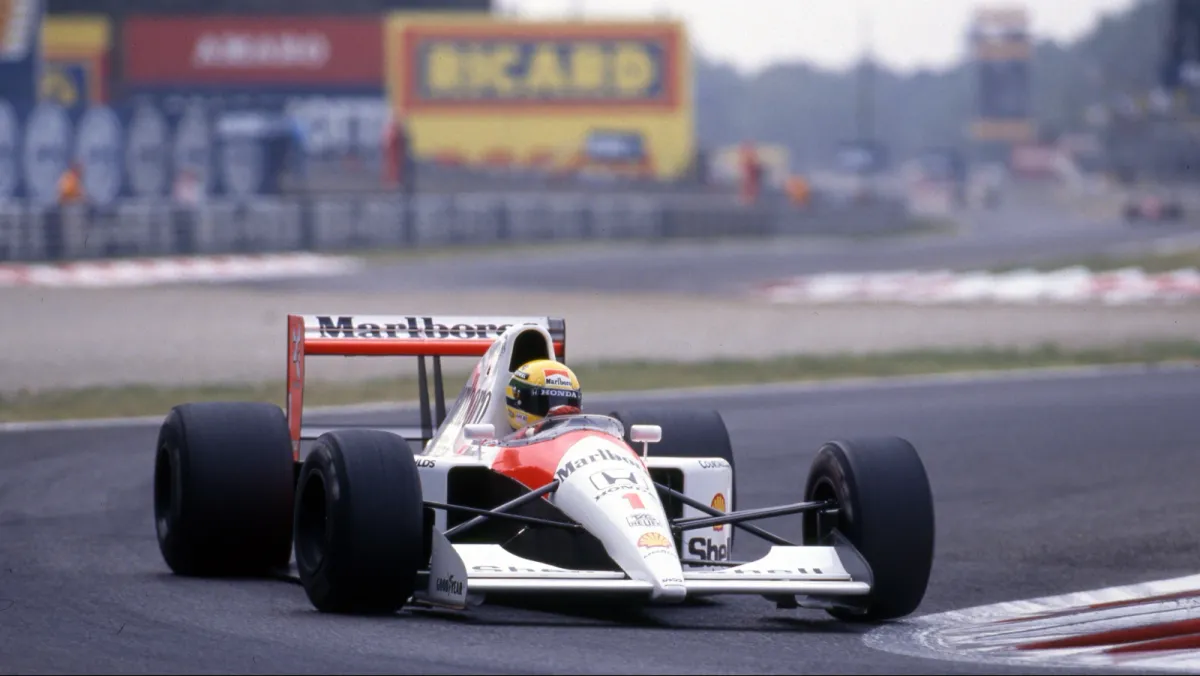
McLaren resmi melepas lima mobil F1 bersejarah termasuk sasis legendaris Ayrton Senna. Simak analisis nilai sejarah dan estimasi harganya di sini.
Sentronics gugat Allengra ke pengadilan Texas terkait pelanggaran paten sensor bahan bakar F1 2026. Baca analisis hukum lengkapnya di sini.
 Lanjutkan dengan Google
Diskusi & Komentar (0)
Mari Bergabung dalam Diskusi!
Masuk dengan mudah untuk mulai memberikan komentar, membalas, dan berinteraksi dengan pembaca lainnya.
Komentar Terbaru
Belum ada komentar. Jadilah yang pertama!