







Pit Beirer, KTM's Motorsport Director, has revealed that the engine crisis that struck the team in the first half of the 2026 MotoGP season was one of the worst periods in the entire project. In an exclusive interview, Beirer described the situation as a serious threat that "almost killed" their efforts to return to competitiveness after emerging from insolvency proceedings.
After officially exiting insolvency, KTM hoped to return to normality and focus on performance development. However, those hopes were dashed when a series of engine failures hit the team. "This year I thought we would go back to normality. Then this engine issue almost killed us," Beirer recalled of the difficult times.
The critical point came at the Italian Grand Prix at Mugello, where KTM suffered three engine failures in a short period. "We broke an engine in the morning," Beirer explained. Initially they thought it was normal, but fears escalated when two more engines failed. "That was the moment when you no longer know what is actually going on," he added. In total, KTM lost seven engines over the season.
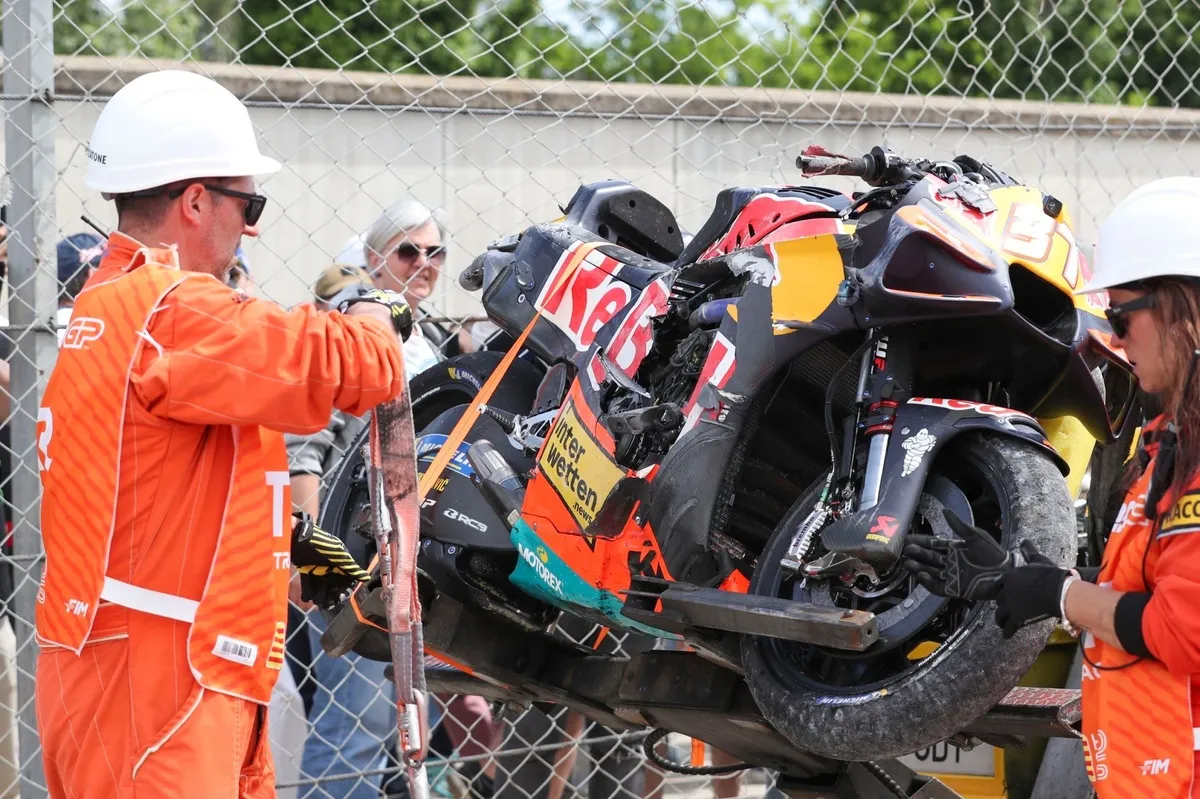
The impact of these failures was not only technical but also affected race results. Pedro Acosta fared better than his teammate Brad Binder. "With Pedro, we were actually a little luckier. I think in Pedro's case, we ultimately only lost one," Beirer said. Nevertheless, the retirement of Acosta's RC16 at the Catalan Grand Prix in Barcelona, which caused Alex Marquez to run into him and stopped the race, was a heavy blow. Beirer made it clear that the accident was not caused by the mechanical engine defect identified later.
The main problem for KTM was not just the engine failures themselves, but also the difficulty in opening and systematically examining the engines. The Engine Freeze regulation in effect for the 2026 season forced Ducati, Aprilia, and KTM to use the homologated engine specification from 2025. Engines were sealed and in principle could not be modified. Exceptions were only possible for safety or reliability reasons, with approval from technical authorities. This bureaucratic process slowed KTM's efforts to find the root cause.
Despite the setback, Beirer insisted that KTM did not give up. They worked hard to obtain permission to open the engines and conduct a thorough investigation. "We had to convince the authorities that there was a serious reliability issue," he said. The struggle to get permission itself was a test for a team trying to recover from financial hardship.
The engine crisis also affected KTM's position in the constructors' standings. Losing valuable points due to technical failures left them trailing their main rivals. However, Beirer saw a positive side: the team became stronger and more solid under pressure. "We learned a lot from this situation. Now we are better prepared for future challenges," he concluded.
With the 2026 season still ongoing, KTM is determined to bounce back and show their best performance in the remaining races. Beirer's story serves as a reminder that behind the glitz of MotoGP, there is hard work and relentless teamwork to overcome every obstacle.
Baca Juga
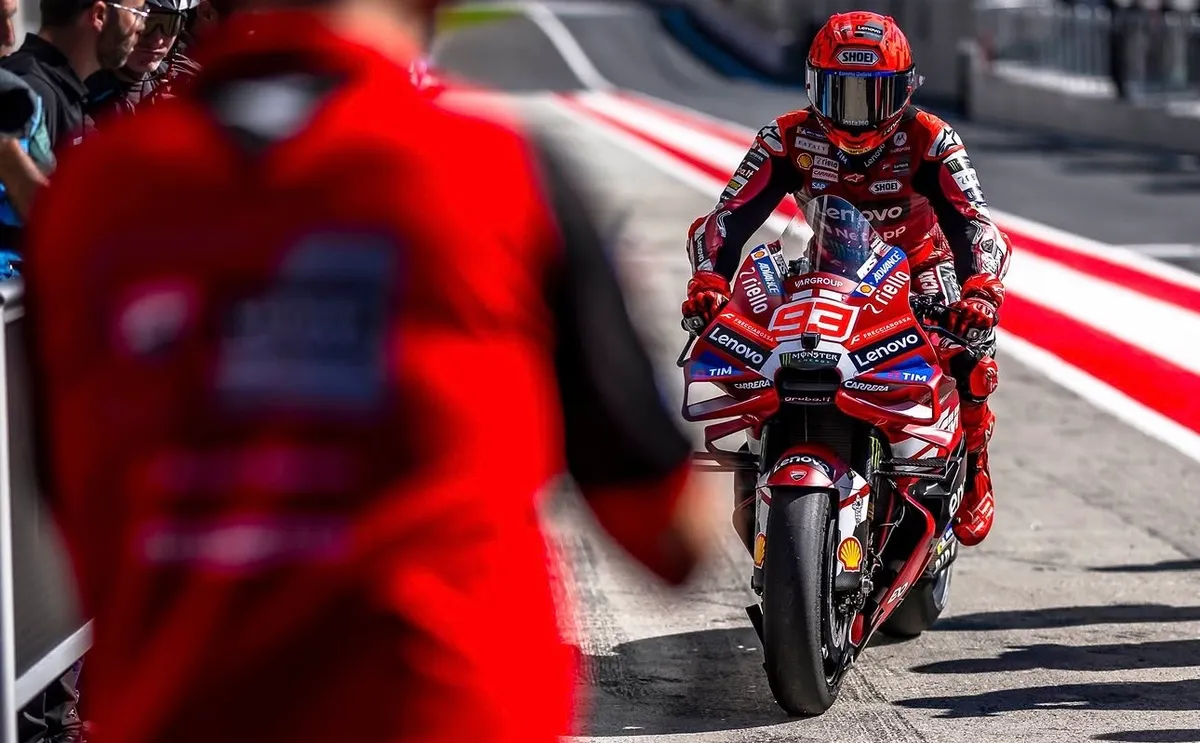
Marc Marquez disebut punya keunggulan di MotoGP 2027 tanpa perangkat ketinggian. Simak analisis dan peluangnya di era 850cc.
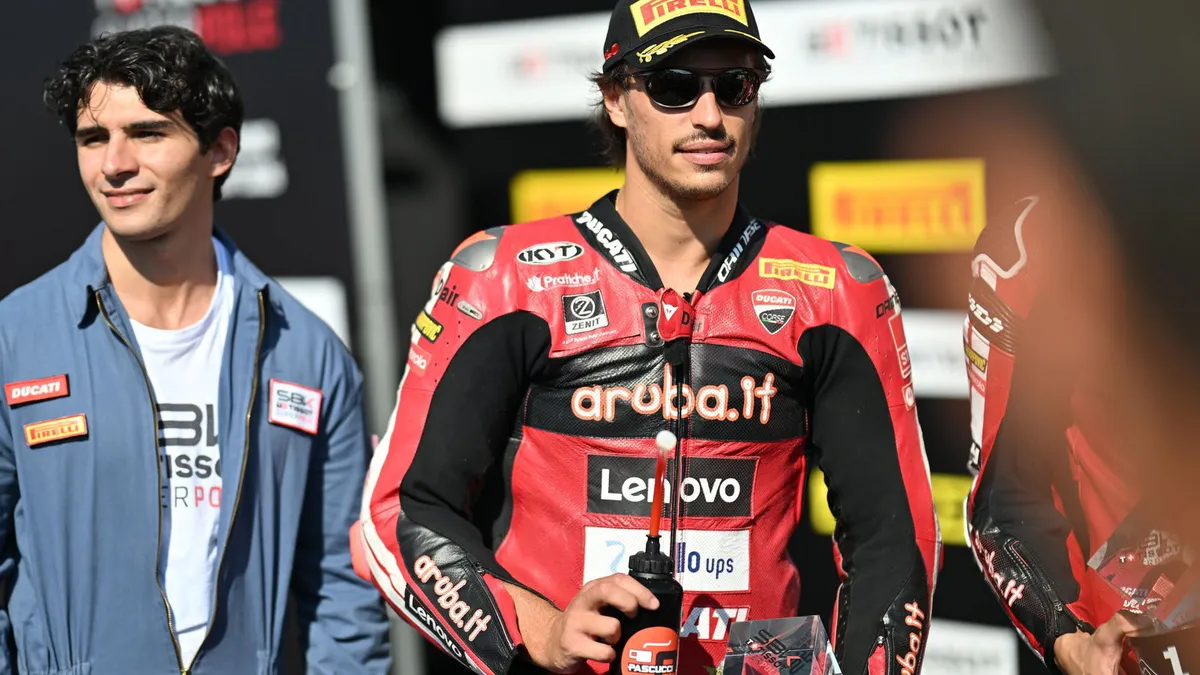
Bos VR46 Uccio Salucci membantah rumor bahwa Nicolo Bulega direkrut hanya karena pengetahuannya tentang ban Pirelli. Simak pernyataan lengkapnya.
Marc Marquez kembali ke Motegi dengan prioritas baru setelah gelar 2025. Baca analisis perubahan dirinya dan dampaknya bagi Ducati di MotoGP.
 Lanjutkan dengan Google
Diskusi & Komentar (0)
Mari Bergabung dalam Diskusi!
Masuk dengan mudah untuk mulai memberikan komentar, membalas, dan berinteraksi dengan pembaca lainnya.
Komentar Terbaru
Belum ada komentar. Jadilah yang pertama!