








Kawasaki isn't just giving the Kawasaki Ninja H2 a facelift for 2027. The Japanese manufacturer has performed major surgery on its mechanical heart, introducing an almost entirely new engine while keeping the peak power figure at 209 HP with Ram Air. For hypersport fans, this is a clear signal: the H2 hasn't lost its bite—it's getting even more ferocious in the mid-range.
Since its debut, the H2 has been an anomaly in the production motorcycle world. It packs a supercharged inline-four with a centrifugal compressor, not a conventional turbo. This ambitious project involved engineers from various Kawasaki Heavy Industries divisions, including those working in aerospace and gas turbines. That philosophy remains intact, but now it's been deeply evolved.
An Almost Entirely New Engine
From the outside, it might look like a routine update. But inside, Kawasaki has redesigned the impeller and induction system. Pistons, cylinder head, cylinder block, crankshaft, and camshafts are all new. Not only that, throttle bodies and exhaust system are fresh, while gear ratios have been revised. The main goal isn't just to add peak power, but to enrich mid-range torque and preserve the H2's signature acceleration as the revs continue to climb.
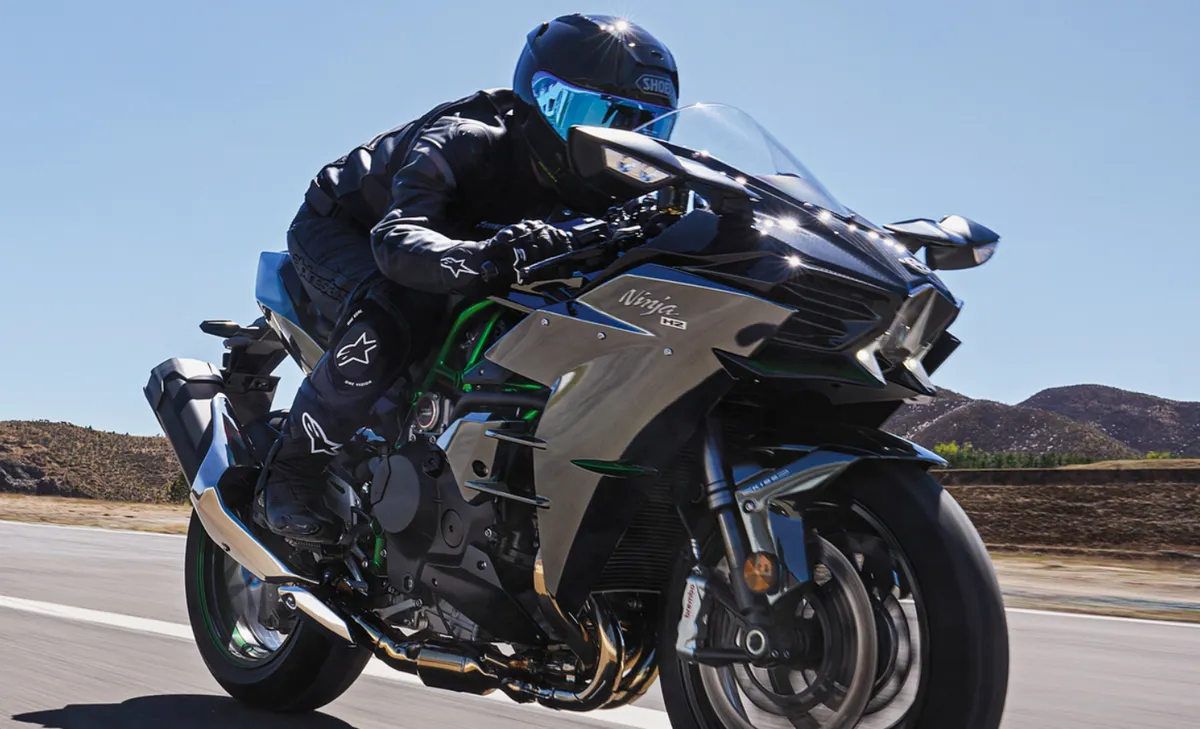
Maximum power stays at 209 HP with Ram Air, while peak torque is achieved at 8,500 rpm. This shows Kawasaki isn't trapped in a numbers game. They want a more accessible and punchier response across the rev range. For riders who often accelerate out of corners, this change feels far more significant than just adding top-end power.
Centrifugal Compressor: An Irreplaceable Identity
The supercharger remains the defining element of the Ninja H2's character. Kawasaki stays loyal to the centrifugal compressor, not a turbocharger. This solution provides a unique response that has become a hallmark of the H2 family. Its complexity makes this project more than just a typical motorcycle development. Knowledge from various Kawasaki Heavy Industries divisions was deployed to create an engine that from the start aimed to showcase the company's technological limits.
That experimental character is still embedded in the 2027 H2. The bike also still wears the River Mark, an exclusive logo only given by Kawasaki to models considered historically or technologically special. For collectors and hardcore fans, that emblem isn't just decoration—it's a status symbol.
Brembo Hypure to Stop the Monster
With that much power, braking ability can't be taken lightly. Kawasaki equips the 2027 H2 with Brembo Hypure calipers, promising more precise and consistent bite. This is a crucial upgrade, because insane acceleration must be matched with equally reassuring deceleration. Additionally, the instrument panel now gets an aeronautics-inspired touch, reinforcing the advanced and futuristic feel.
For those who want more, Kawasaki still offers the H2R. This version is exclusive to the track, with over 300 HP. Its presence confirms that the H2 is not just a road bike, but a technology platform that can be explored to extreme limits. The H2R is proof that Kawasaki still wants to play in a territory few other manufacturers dare to touch.
With all these updates, the Ninja H2 2027 is not just a facelift. It's a statement that Kawasaki continues to push the boundaries of production engines, blending brutal power with refinement in every detail. For hypersport enthusiasts, 2027 won't feel the same.
Baca Juga
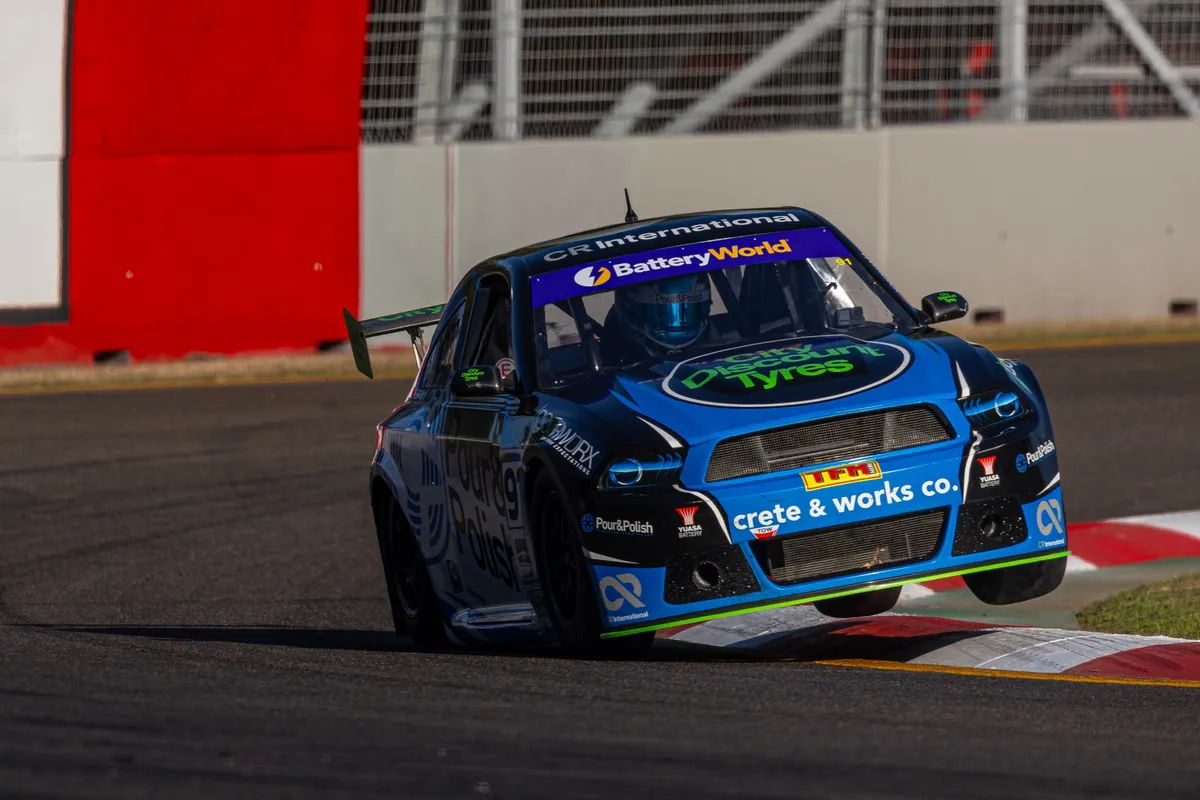
Anthony Di Mauro akan menjalani debut di GT4 Australia bersama Aaron Seton di Gomersall Motorsport pada balapan Sydney Motorsport Park, 18-20 September.
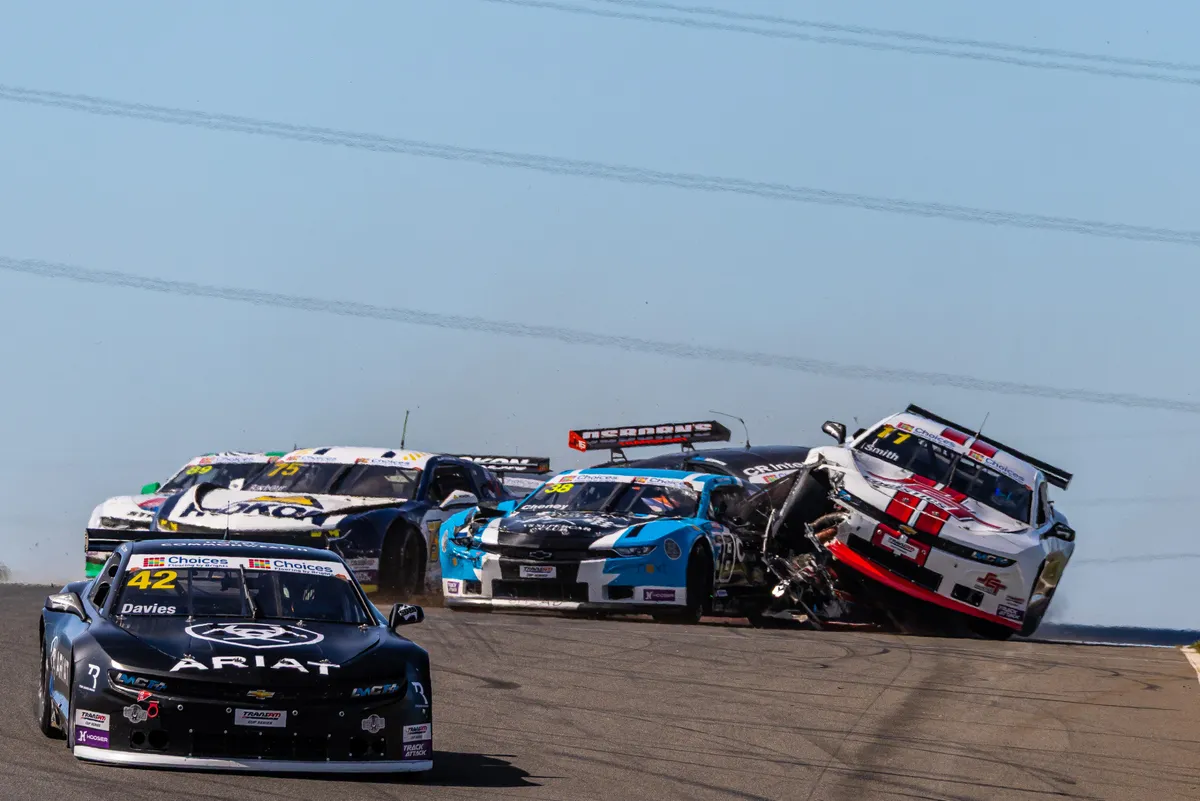
Trans Am Australia perketat standar berkendara usai insiden multi-mobil di Queensland dan The Bend. Sistem poin demerit dan kode etik pembalap tengah dikaji.
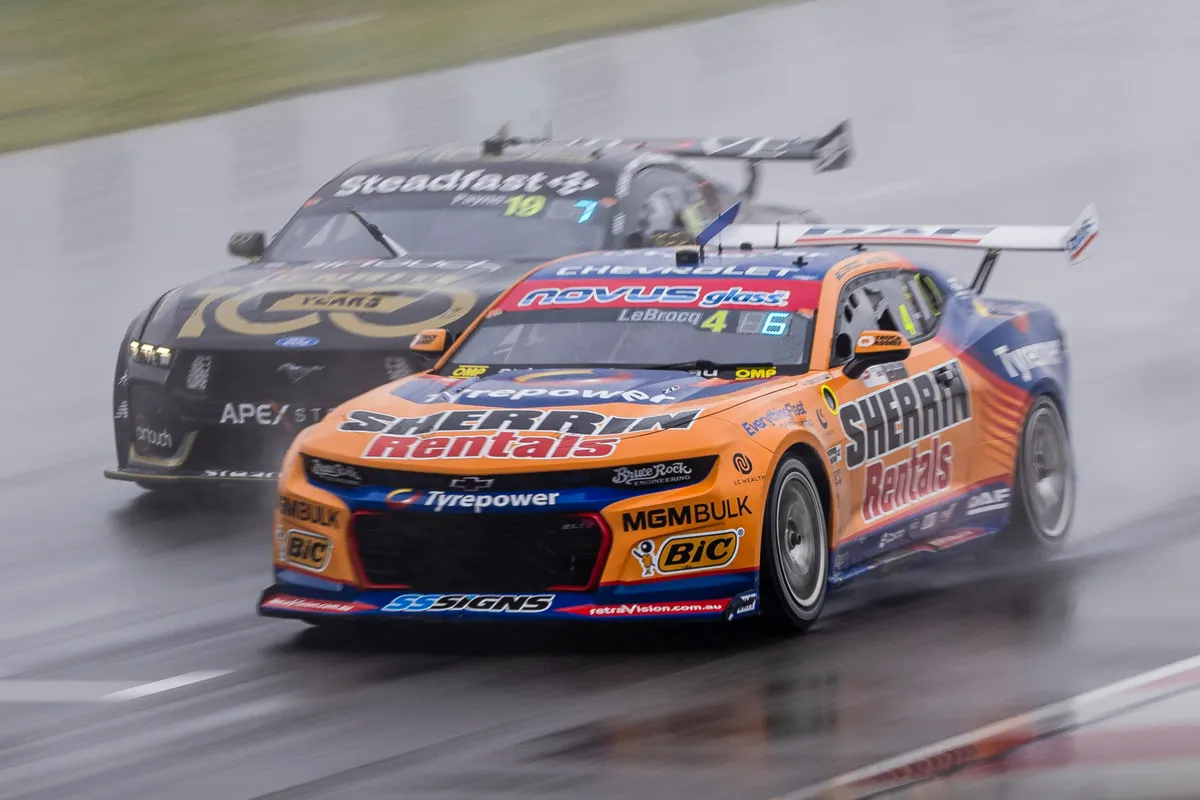
Jack Jones tampil impresif di Bend, finis P4 setelah start dari P23. Simak kisahnya di balik panggilan mendadak dan crash tes.
 Lanjutkan dengan Google
Diskusi & Komentar (0)
Mari Bergabung dalam Diskusi!
Masuk dengan mudah untuk mulai memberikan komentar, membalas, dan berinteraksi dengan pembaca lainnya.
Komentar Terbaru
Belum ada komentar. Jadilah yang pertama!