








Formula 1 CEO Stefano Domenicali has sparked intense discussion across the paddock following his recent remarks in Las Vegas regarding a potential fast-track return to V8 engines. The sudden shift in direction comes as criticism grows over current turbo-hybrid power unit regulations, which many paddock insiders argue have severely compromised raw racing performance on track.
A major point of contention centers on the removal of the MGU-H, a compromise originally made to attract new manufacturers. Eliminating the thermal energy recovery unit has introduced notable technical drawbacks, including exacerbated turbo lag and complex energy management demands. At high-energy circuits like Las Vegas, drastic variations in harvesting and deployment created unpredictable racing, but stripped away the pure mechanical battles at turn-in apexes and heavy braking zones.
Mercedes team principal Toto Wolff previously advocated giving the existing engine direction a fair chance before pushing for drastic changes. However, as rival teams close the telemetry gap and optimize their own power unit maps, the debate surrounding future engine architecture has reignited. Paddock engineers stress that political compromises must not overshadow core motorsport engineering principles moving forward.
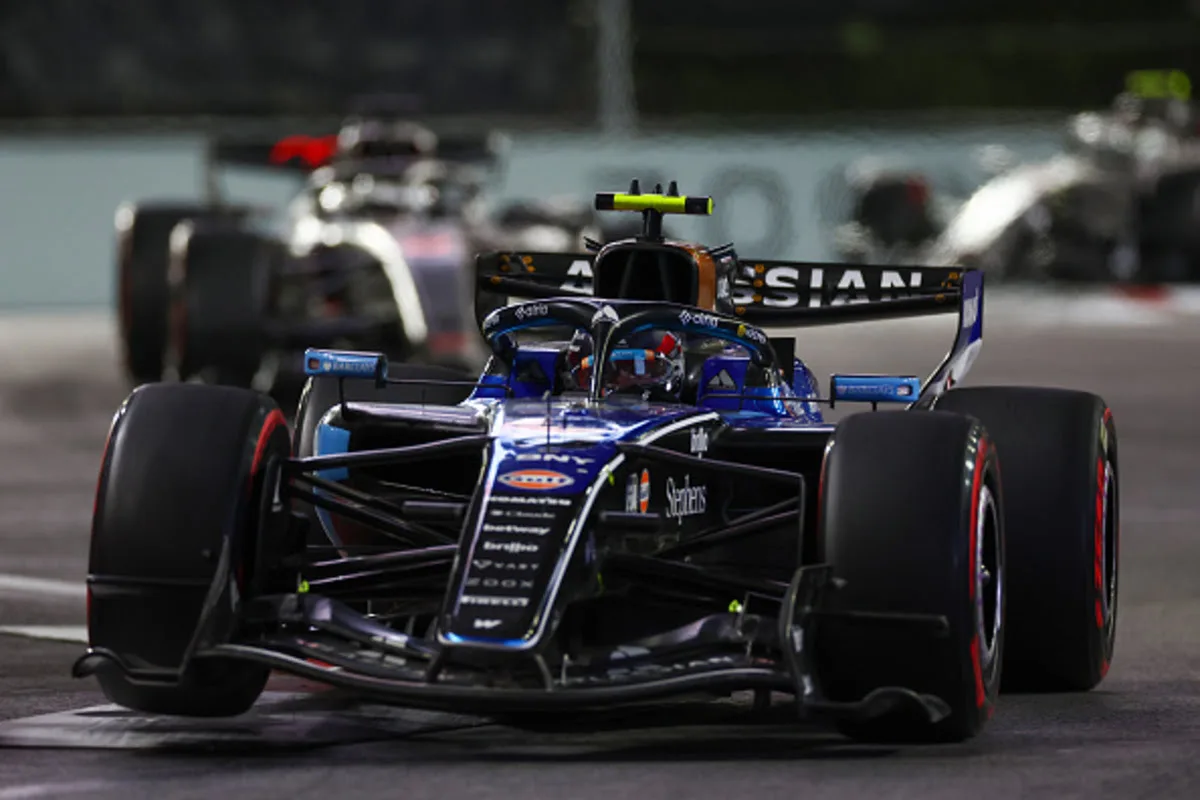
From a technical and telemetry standpoint, operating without an MGU-H forces drivers into aggressive energy conservation modes. Without instant electrical torque assistance out of slow corners, drivers struggle to maintain optimum racing lines, directly impacting aerodynamic downforce stability through high-speed sections. Instead of wheel-to-wheel late-braking duels, drivers are increasingly burdened with managing battery depletion curves along straightaways.
As the paddock prepares for the upcoming Qatar Grand Prix at the Lusail International Circuit, pressure is mounting on Formula 1 and the FIA to align future engine frameworks with the demands of drivers and fans alike. The lessons from Las Vegas highlight that true racing excitement relies on precise mechanical balance and uninhibited engine response. The motorsport world now awaits whether a revised engine blueprint can successfully restore raw performance to the pinnacle of open-wheel racing.
Baca Juga
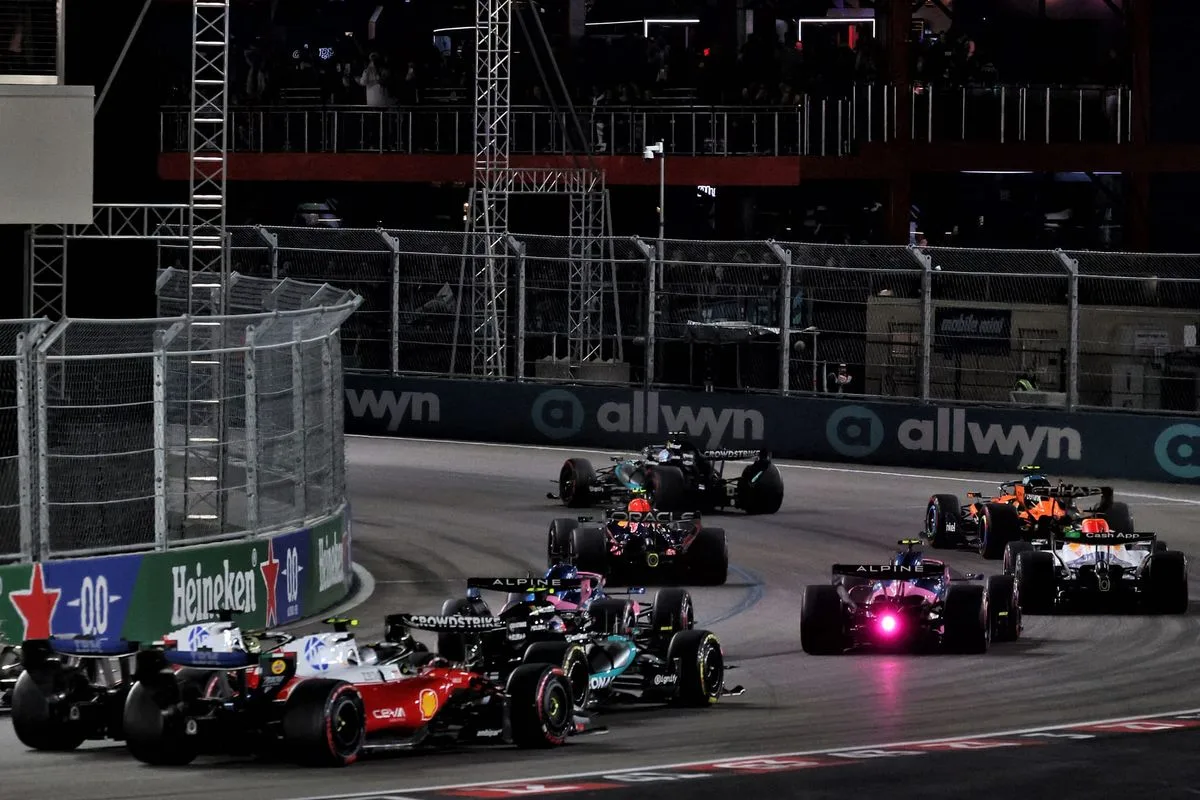
Simak analisis mendalam perdebatan regulasi mesin V8 Formula 1 dan dampaknya terhadap daya pacu mobil di lintasan. Baca ulasan lengkapnya di sini!
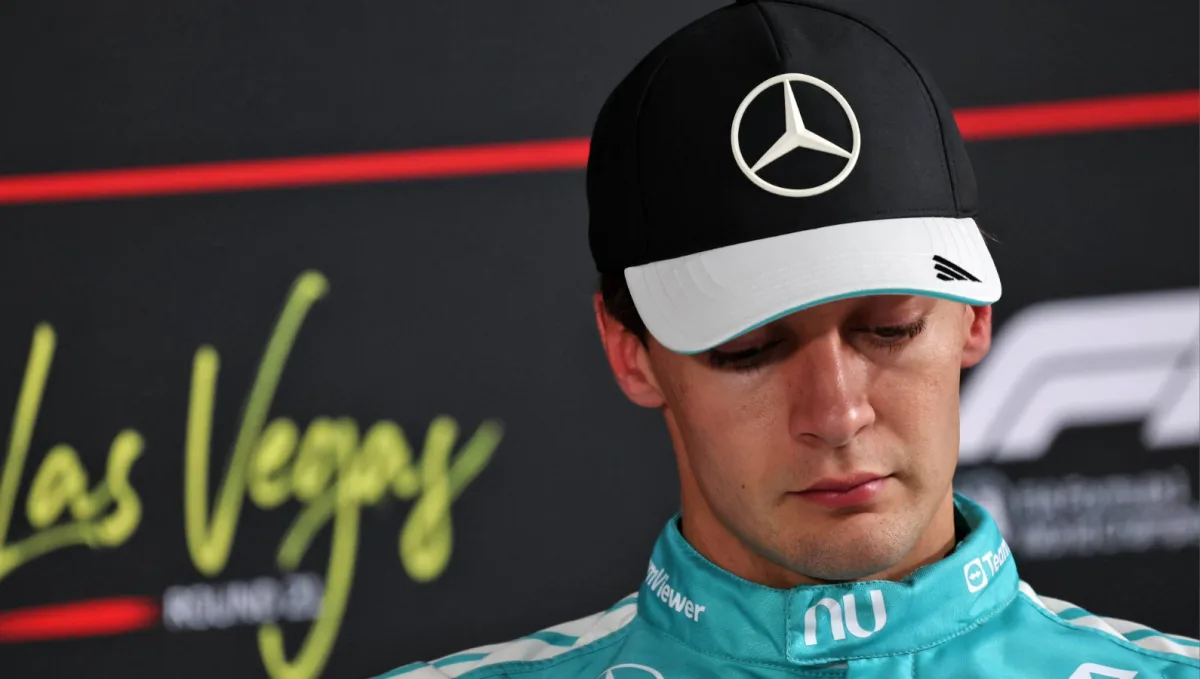
Guenther Steiner peringatkan George Russell soal rivalitasnya dengan Max Verstappen. Simak analisis mendalam mengenai dampak mentalitas pembalap di sini.
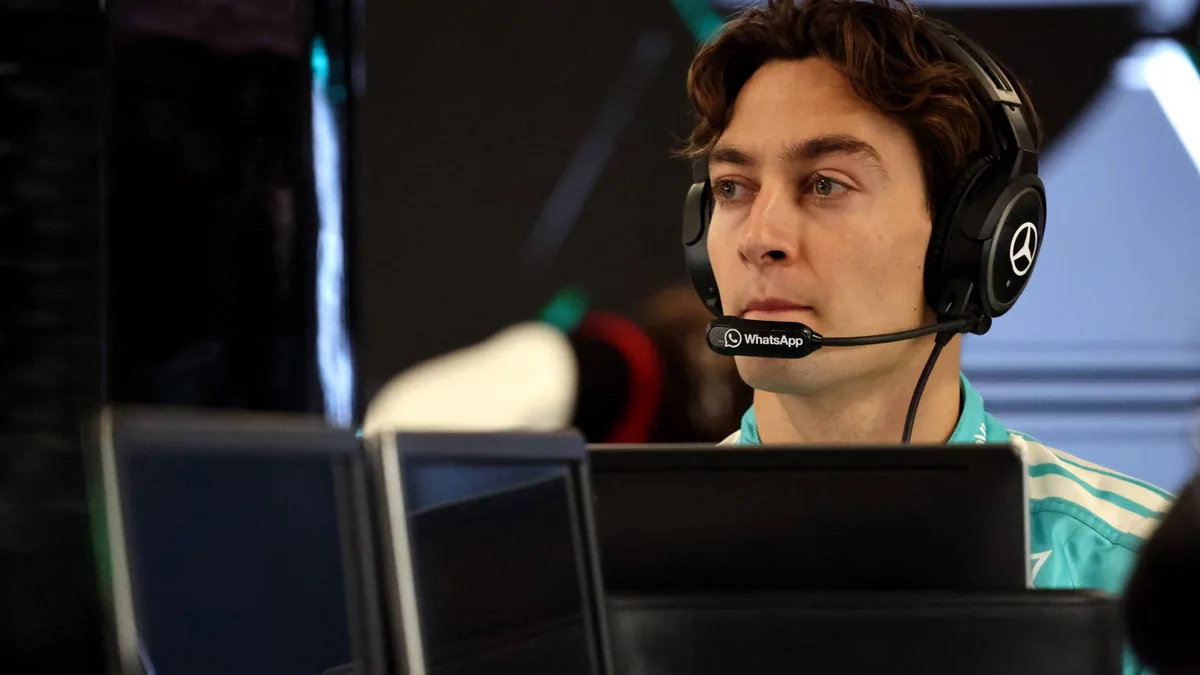
Guenther Steiner beri peringatan keras kepada George Russell soal rivalitasnya dengan Max Verstappen. Simak analisis mendalam konflik mental F1 di sini.
 Lanjutkan dengan Google
Diskusi & Komentar (0)
Mari Bergabung dalam Diskusi!
Masuk dengan mudah untuk mulai memberikan komentar, membalas, dan berinteraksi dengan pembaca lainnya.
Komentar Terbaru
Belum ada komentar. Jadilah yang pertama!