







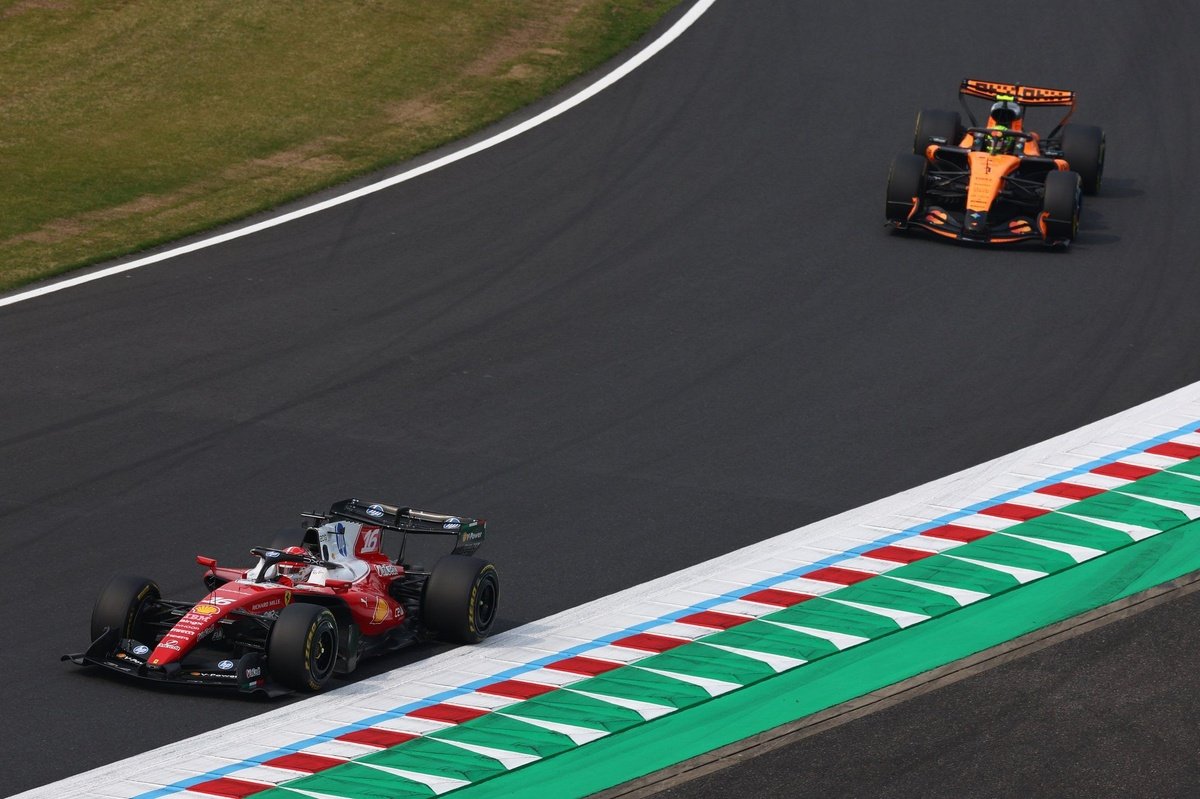

The FIA has responded to driver complaints about self-learning elements in the 2026 Formula 1 power units. Nikolas Tombazis, the FIA's single-seater director, insists that banning these algorithms would only worsen the clipping problem and make energy deployment strategies even harder for humans to manage.
Concerns came to the fore after Oscar Piastri complained about his power unit's inconsistent behaviour during qualifying at the Belgian Grand Prix. The McLaren driver lost significant time on the straights compared to team-mate Lando Norris, despite nearly identical car settings.
Andrea Stella, McLaren's team principal, explained that the system features self-learning elements that can adapt from lap to lap, even within a single lap. These systems are sensitive to driver input but are also influenced by external factors such as wind changes or track grip, meaning drivers do not have full control.
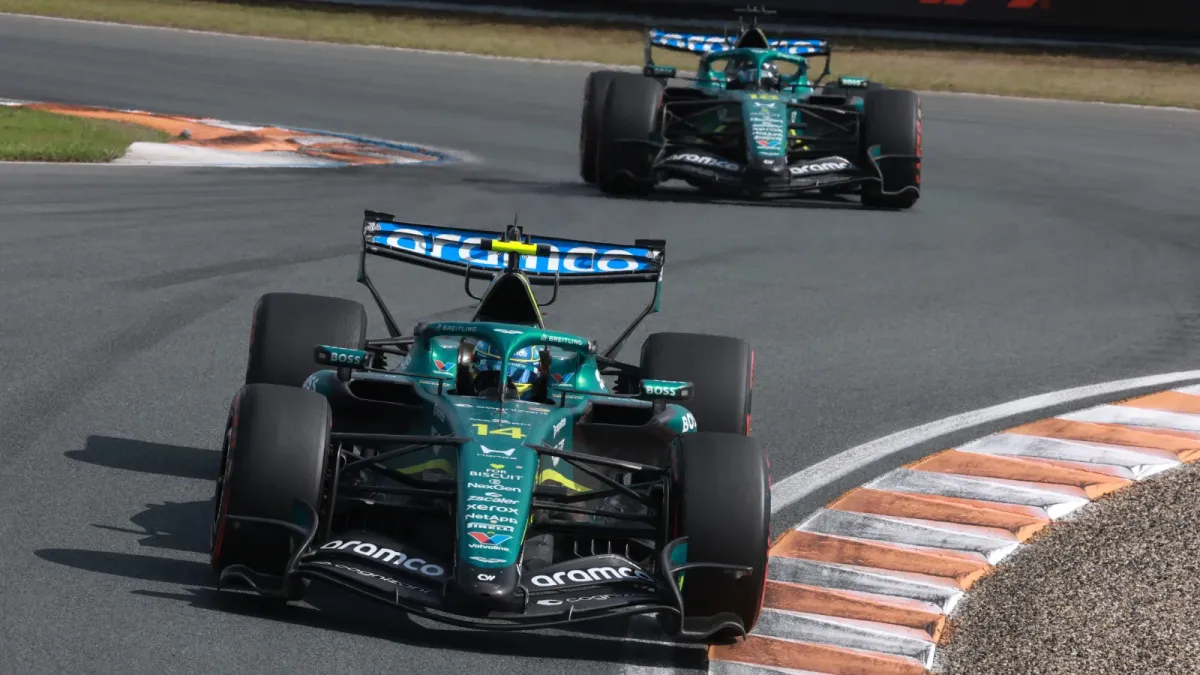
Piastri was highly critical of the situation, calling it a poor way to go racing when grid positions are decided by computers behaving or misbehaving. Tombazis understands the frustration but argues that an outright ban is not the right solution.
According to Tombazis, if drivers were given full control over energy usage, they would use all electrical power on corner exit. This would lead to earlier top speeds and increased clipping on the straights, which would be even more detrimental.
Additionally, technical constraints such as SOC delta (state of charge delta) are in place to prevent an arms race in battery size, which would make cars heavier. Given this complexity, Tombazis believes it is nearly impossible for a human to rationally determine the optimal deployment strategy.
The FIA plans to rebalance the power split to 60-40 by 2028, which should give drivers more control. Tombazis acknowledged that the 2026 regulations are more complicated than the FIA would have liked, and he fully understands the drivers' frustrations, but a short-term fix is not yet in sight.
As reported by Autosport, this debate highlights the challenge of balancing advanced technology with the desire to maintain driver control in the new era of F1.
Baca Juga
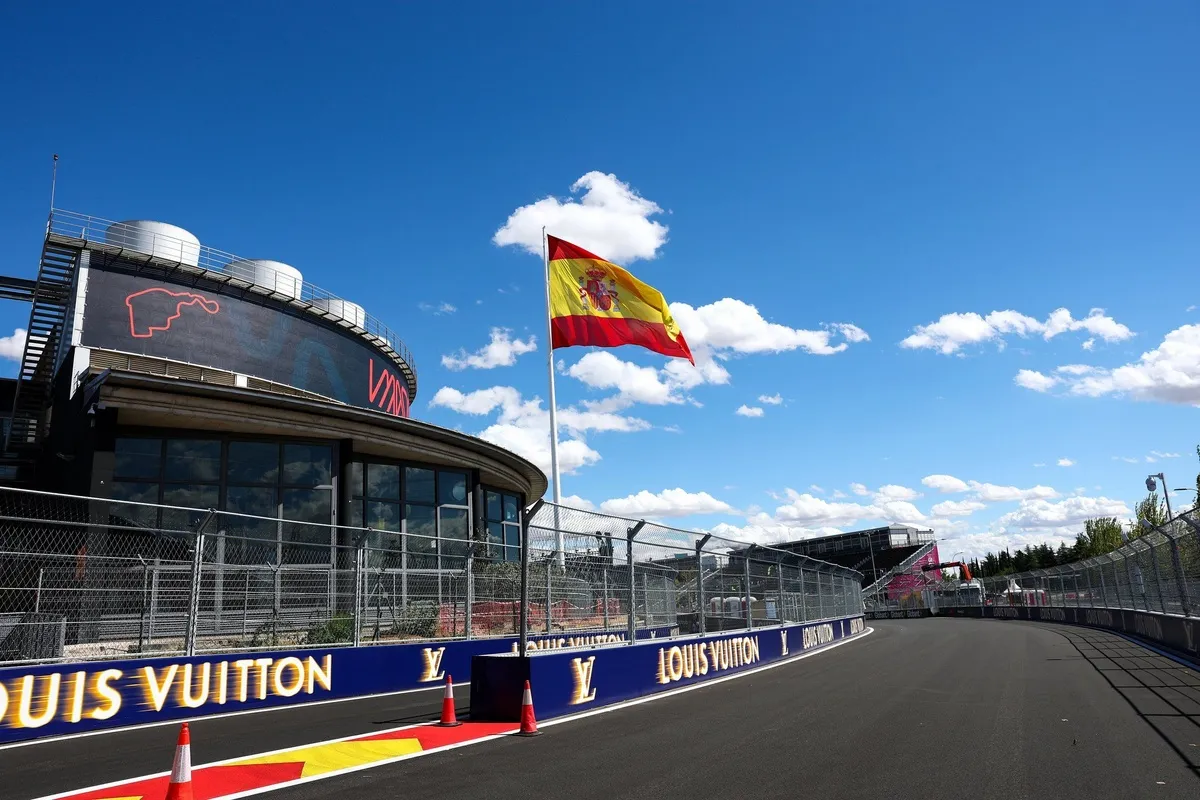
David Coulthard kritik sirkuit Madring yang minim overtaking di F1. Ia desak perubahan layout sebelum balapan 2027 demi aksi lebih seru.
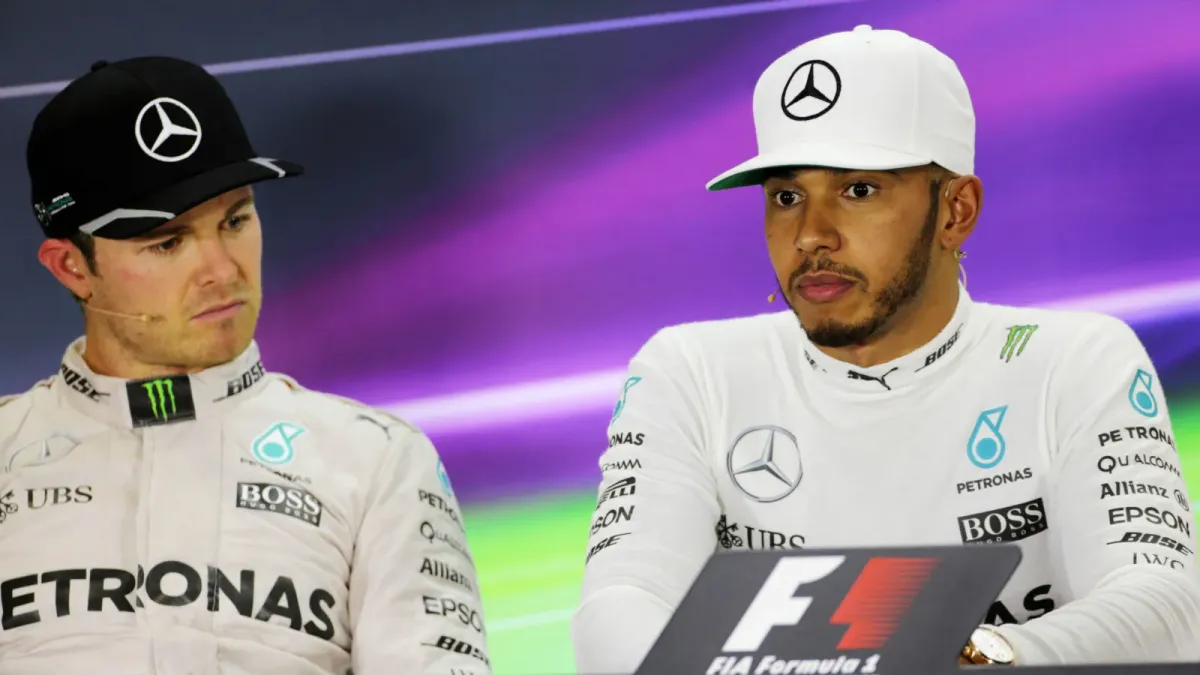
Otmar Szafnauer ungkap taktik psikologis Lewis Hamilton terhadap Nico Rosberg, termasuk menyembunyikan bola sepak dan mengunci toilet. Simak kisah lengkapnya.
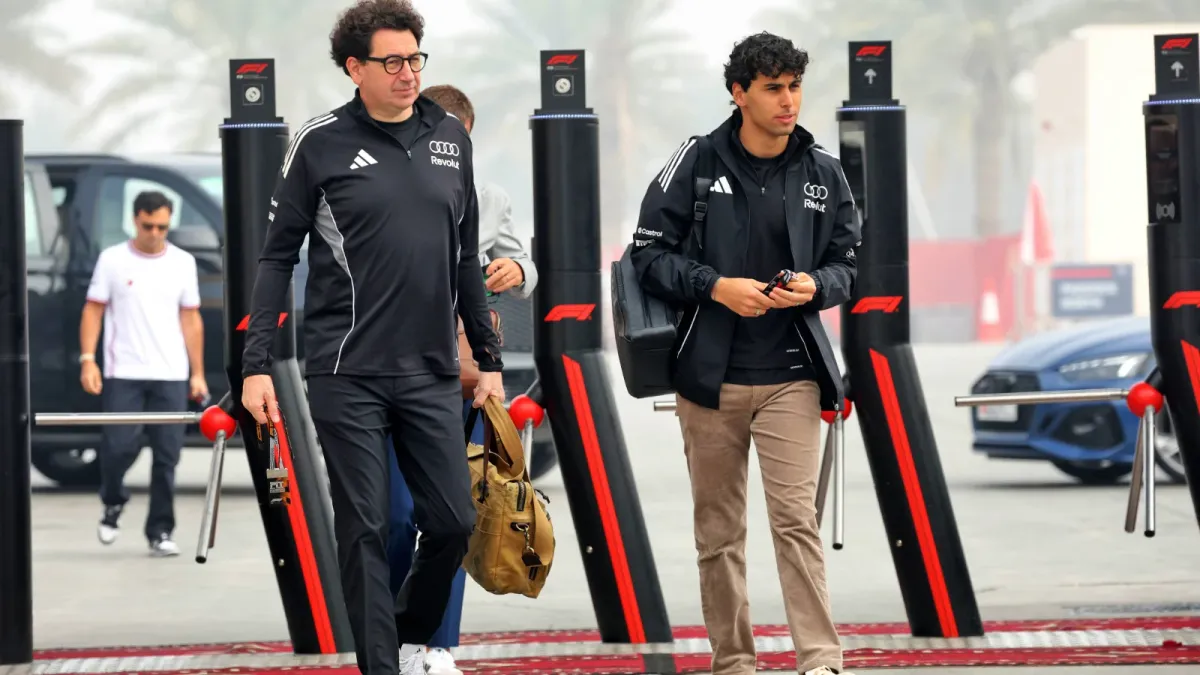
Bos Audi Mattia Binotto memuji Gabriel Bortoleto dan menyamakan etos kerjanya dengan Michael Schumacher. Simak analisis lengkapnya di sini.
 Lanjutkan dengan Google
Diskusi & Komentar (0)
Mari Bergabung dalam Diskusi!
Masuk dengan mudah untuk mulai memberikan komentar, membalas, dan berinteraksi dengan pembaca lainnya.
Komentar Terbaru
Belum ada komentar. Jadilah yang pertama!