








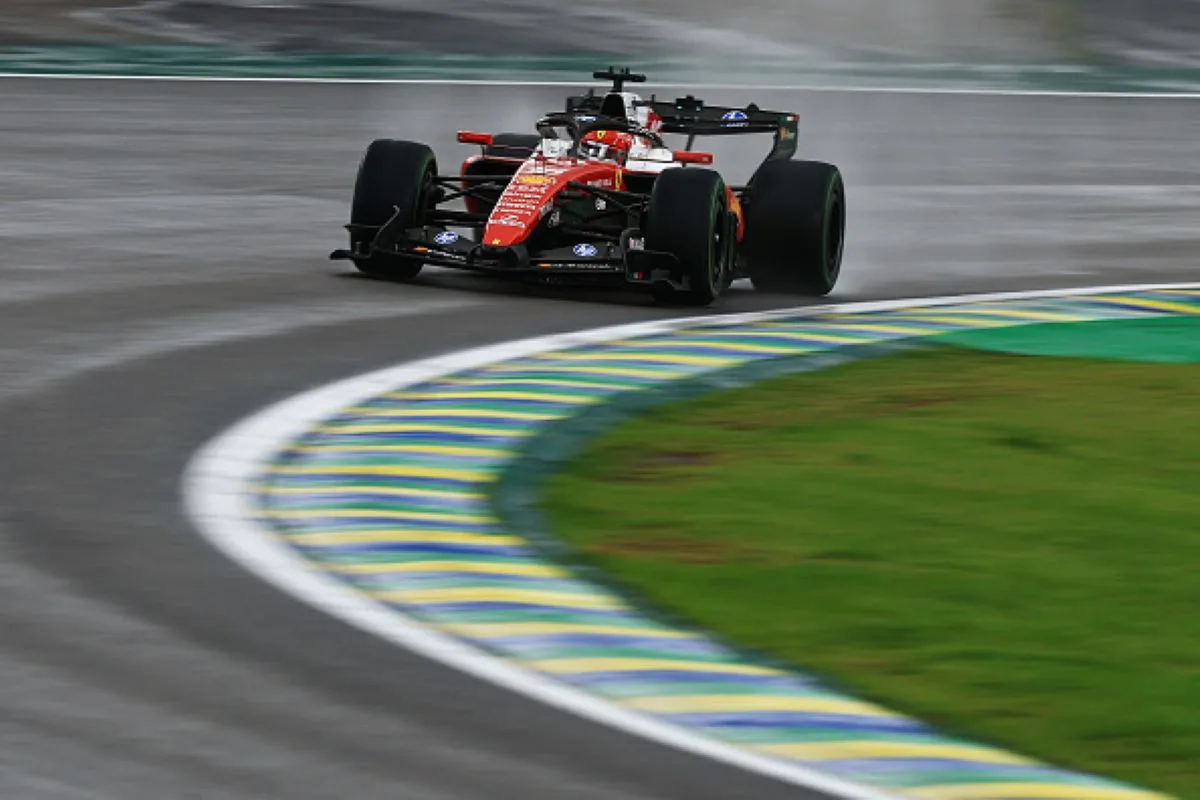
The #20 round Brazilian GP at the Autodromo Jose Carlos Pace Interlagos once again highlighted Scuderia Ferrari's historical struggles in mixed weather conditions. Lewis Hamilton finishing a lap down alongside Charles Leclerc crossing the line in eighth place over a minute behind the winner served as a stark reminder of the SF-26 limitations on a wet surface.
"This is our chronic difficulty on a wet track, but we must look at the bigger picture without rushing to conclusions," Leclerc remarked regarding the weekend outcome in Sao Paulo.
Despite the apparent struggles, telemetric data and tactical analysis reveal tangible steps forward compared to previous years. Hamilton's early race drop in performance stemmed from an aggressive tyre pressure setup intended to bring the intermediate compound up to operating temperature quickly, which ultimately backfired and caused severe thermal degradation.
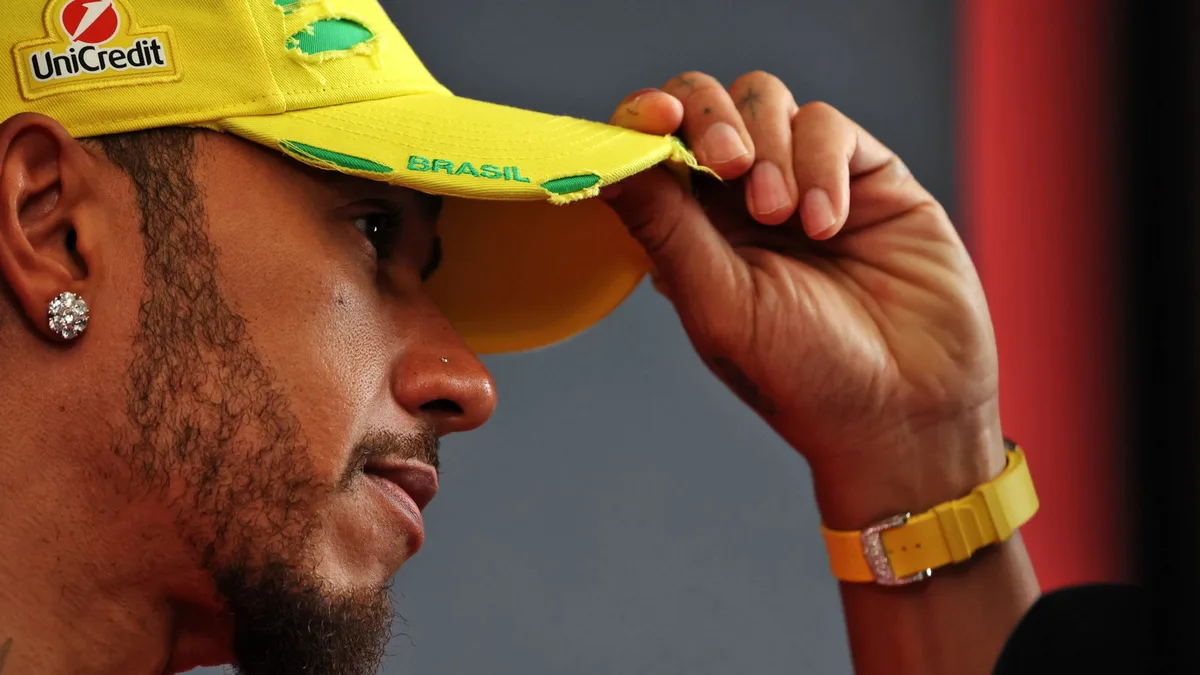
Meanwhile, Leclerc found himself trapped in heavy traffic during the opening phase. The Maranello machine struggled to carve through the field due to a relative lack of straight-line speed, compounded by race control delaying the activation of overtaking aids until the 23rd lap.
However, once the intermediate tires were fitted again in the closing stages, the Italian squad displayed highly encouraging pace. Leclerc emerged as one of the absolute fastest drivers on track before encountering traffic, while Hamilton maintained a steady rhythm close to the front-runners, confirming that the aerodynamic and mechanical baseline of the car has genuinely improved.
Baca Juga
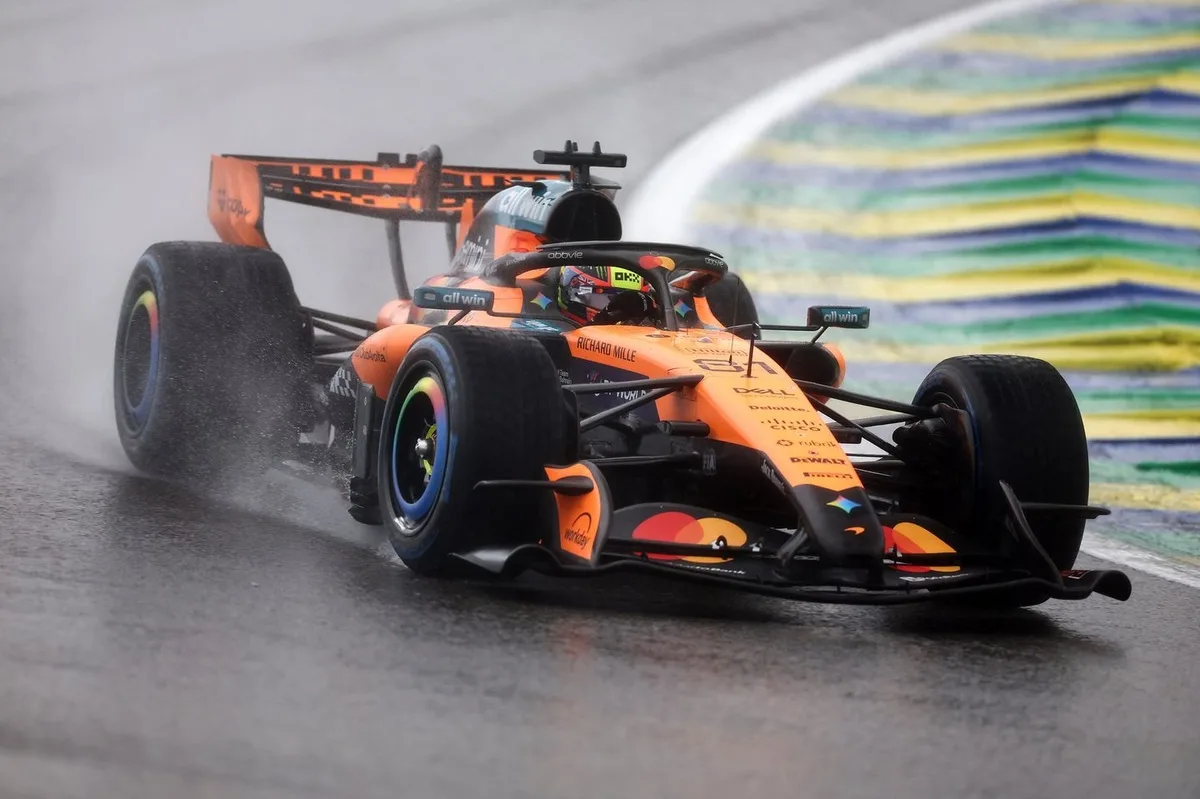
Simak analisis mendalam mengenai performa mobil F1 di trek basah Interlagos, tantangan ban Pirelli, dan keputusan krusial FIA. Baca selengkapnya di sini!
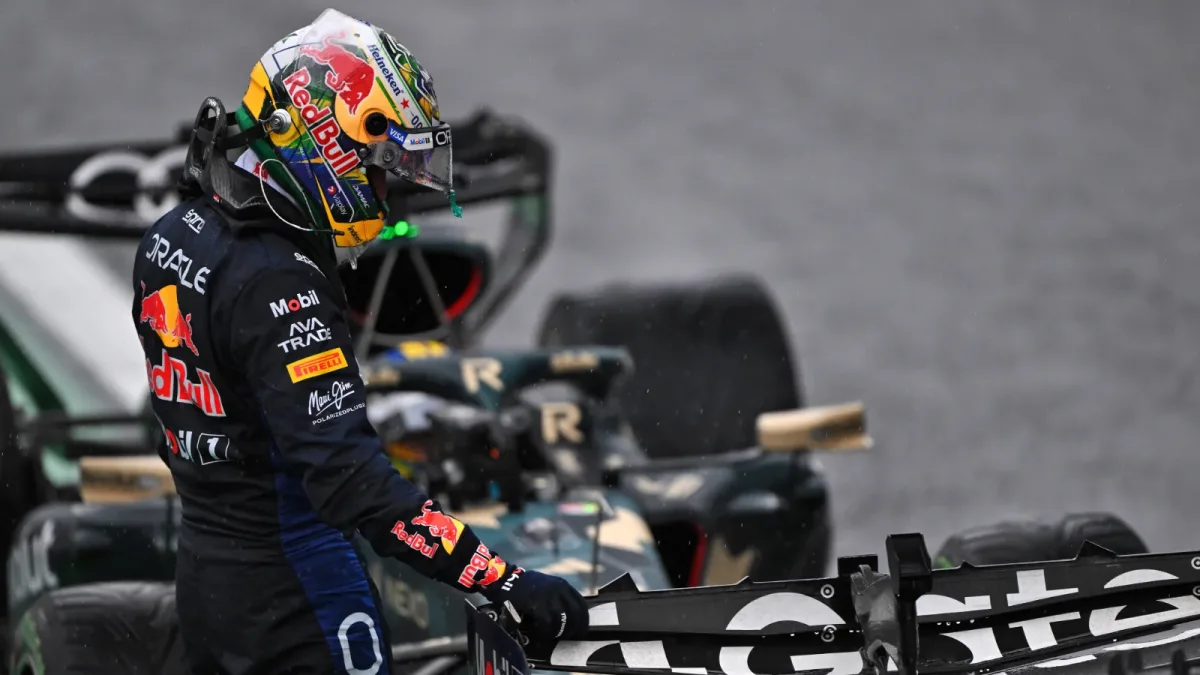
Simak analisis mendalam data GP Sao Paulo dan perdebatan internal Red Bull mengenai performa Max Verstappen. Baca selengkapnya di Sportrik Media.
Simak analisis lengkap mengenai status Imola, aktivitas kemanusiaan Hamilton, evaluasi Ferrari, hingga kabar pemulihan Bagnaia. Baca selengkapnya di sini
 Lanjutkan dengan Google
Diskusi & Komentar (0)
Mari Bergabung dalam Diskusi!
Masuk dengan mudah untuk mulai memberikan komentar, membalas, dan berinteraksi dengan pembaca lainnya.
Komentar Terbaru
Belum ada komentar. Jadilah yang pertama!